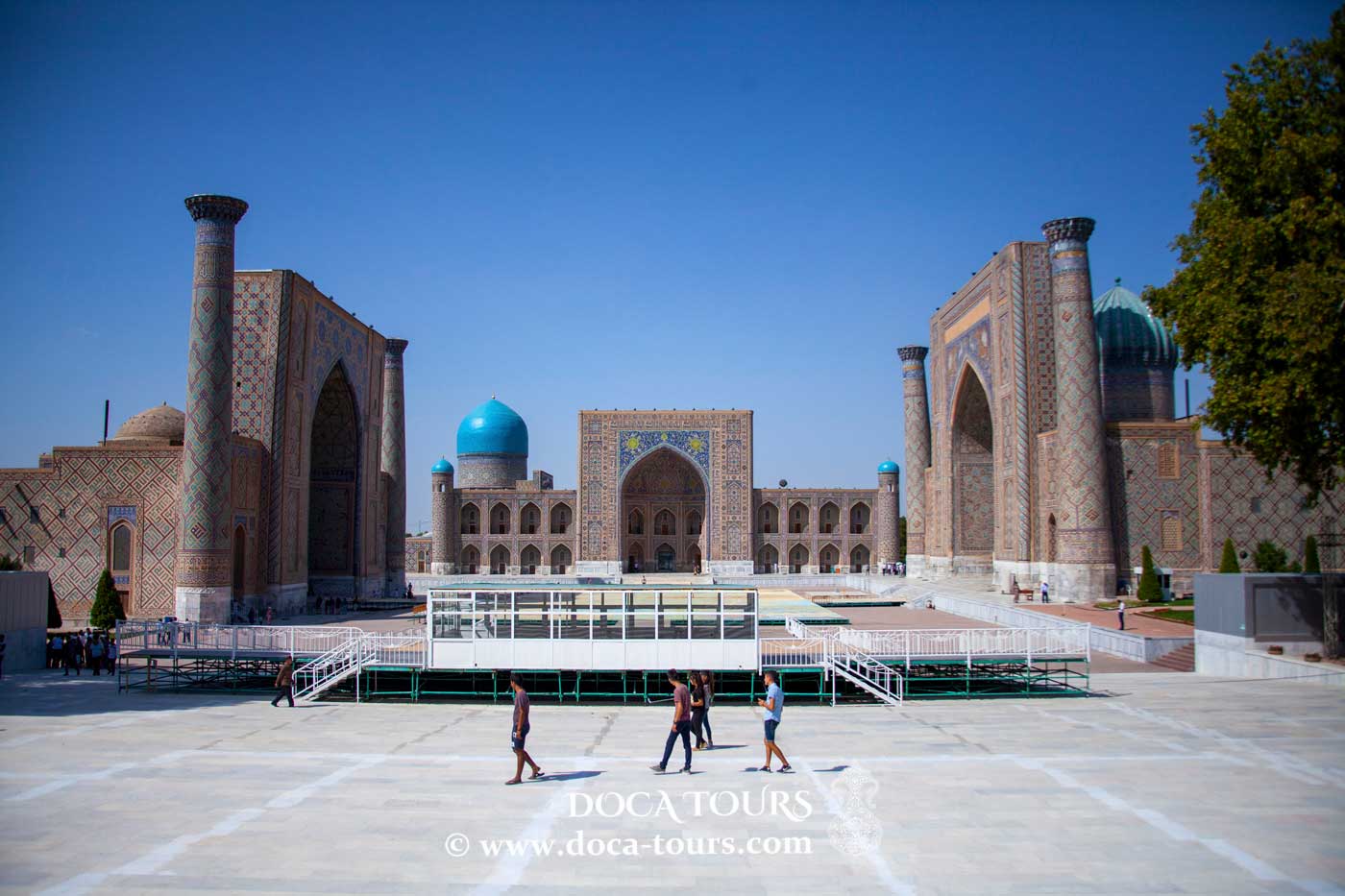
KALAI-KHUMB
- Geographical coordinates: 38°27′59″N 70°47′48″E
- Other names: Qal'a-i-Khum
- Elevation: 1200 m
- Official language: Tajik
- Popular languages: Tajik, Russian
- Nationals: Pamir, Tajik
- Population: 1910 (as of 2019)
- Time Zone: UTC+5
- Telephone Code: +992 3552
- Postal Codes: 736XXX
Kalai-Khumb (Tajik: Қалъаи Хумб), also spelled Qal’ai Khumb or Kalaikhum, is a picturesque town in Tajikistan’s Gorno-Badakhshan Autonomous Region (GBAO). It serves as the administrative center of Darvoz District and is a key stop on the Pamir Highway (M41), the legendary high-altitude road that traverses the Pamir Mountains.

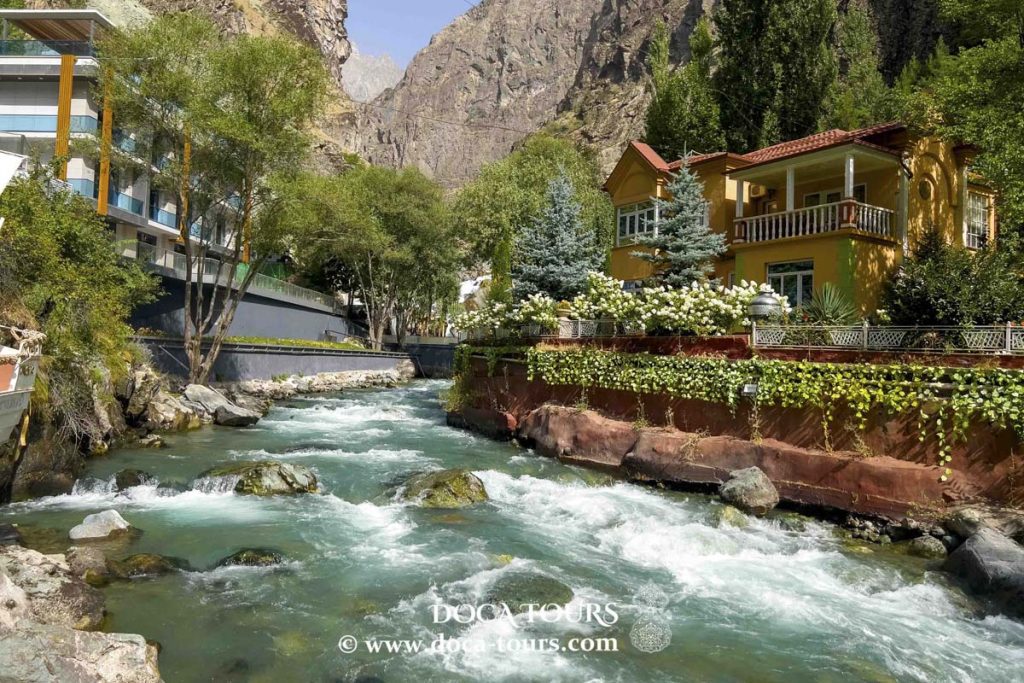
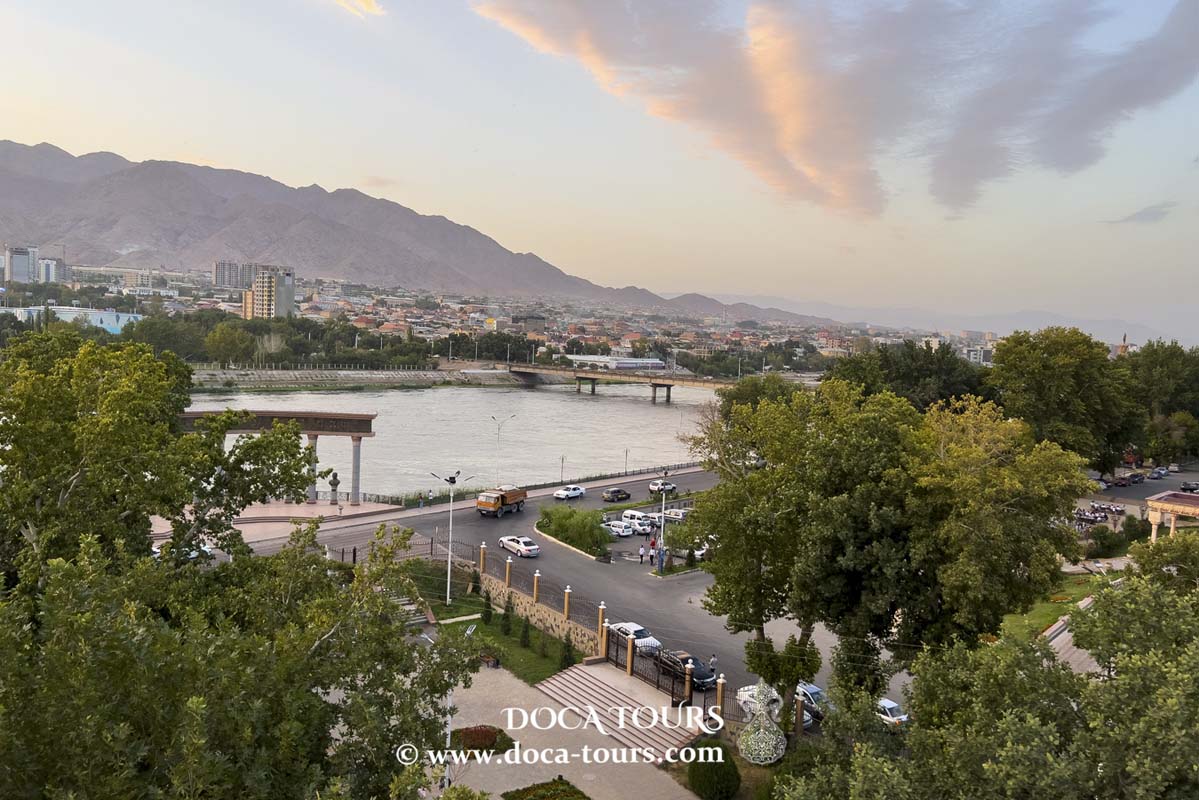
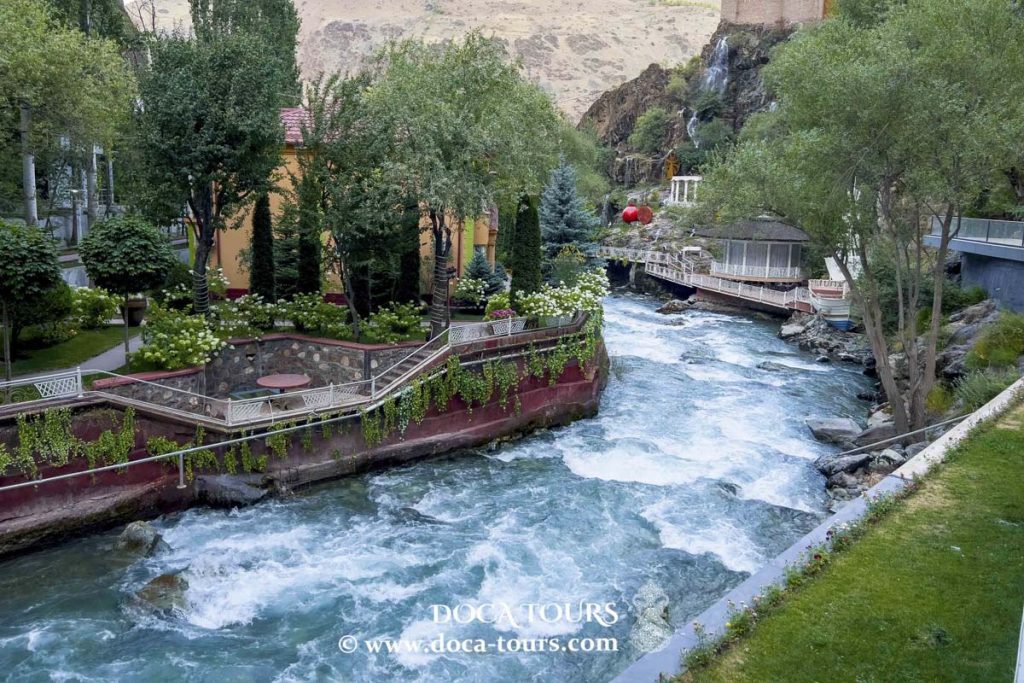
Situated along the banks of the Panj River, which forms the border between Tajikistan and Afghanistan, Kalai-Khumb is an essential link between the country’s capital, Dushanbe, and the remote high-altitude settlements of Khorog and the Pamirs. The town is known for its stunning natural landscapes, strategic location, and historical significance as an ancient fortress guarding the entrance to the Pamirs.
Geography and Climate
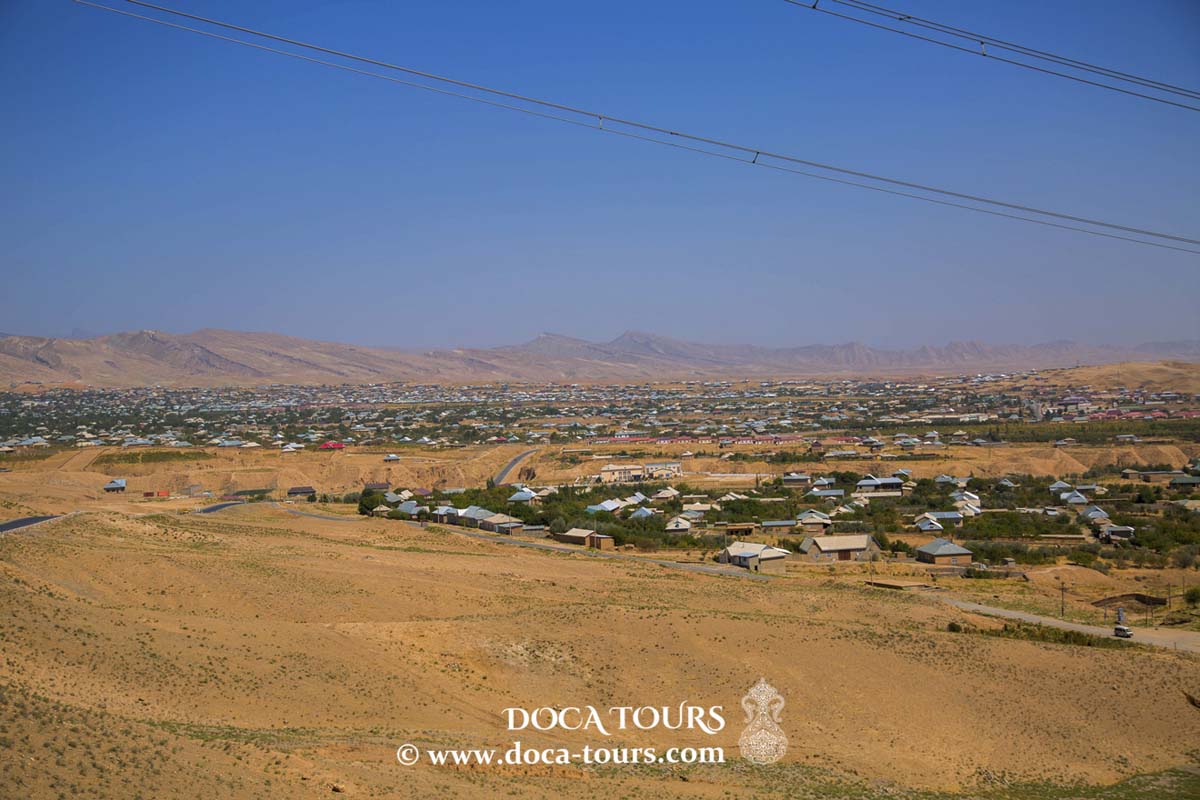
Kalai-Khumb is located in southeastern Tajikistan at an altitude of approximately 1,200 meters (3,937 feet) above sea level. The town is nestled between towering mountains and the Panj River, which separates it from Afghanistan’s Badakhshan province.
Climate
According to the Köppen climate classification, Kalai-Khumb has a humid continental climate (Dsb), characterized by hot summers and cold winters.
Summers (June–August) are warm, with temperatures reaching around 30°C (86°F).
Winters (December–February) are cold, with temperatures often dropping below -5°C (23°F), and snowfall is common.
Rain and snowfall are more frequent in spring and winter, making autumn the best time for visitors.
Due to its relatively moderate altitude compared to the higher Pamir settlements, Kalai-Khumb serves as a transition zone between the lower valleys of western Tajikistan and the extreme conditions of the high-altitude Pamirs.
History and Cultural Significance
Ancient and Medieval Periods
Kalai-Khumb has a long history as a strategic military and trade post. The name “Kalai-Khumb” translates to “Fortress of Khumb”, indicating its historical role as a defensive stronghold. For centuries, it protected important trade routes connecting Central Asia, Persia, and the Indian subcontinent.
The town was part of the Persian and Sogdian civilizations, and later it was influenced by the expanding Islamic Caliphate. It played an important role in the Silk Road trade network, serving as a key point for merchants and travelers navigating the rugged mountain terrain.
Russian and Soviet Periods
During the 19th century, Kalai-Khumb became a focal point in "The Great Game", the geopolitical struggle between the Russian Empire and British India for control over Central Asia. The Russians established a military presence in the region, eventually incorporating it into their empire.
Under Soviet rule (1920s–1991), Kalai-Khumb became part of the Tajik SSR, and the region underwent modernization, including the construction of roads, schools, and basic infrastructure. However, the remoteness of the Pamirs meant that it remained relatively underdeveloped compared to the rest of Tajikistan.
Post-Soviet Era and Civil War
Following Tajikistan’s independence in 1991, Kalai-Khumb experienced significant challenges, particularly during the Tajik Civil War (1992–1997). The town, like much of the country, saw conflict and instability, but it has since recovered and developed into a crucial transport and tourism hub.
Population and Culture
Kalai-Khumb is home to a mix of Tajiks and Pamiris, with most of the population following Islam, primarily the Ismaili and Sunni sects. The town serves as a cultural bridge between the Tajik-speaking people of western Tajikistan and the Pamiri ethnic groups of Gorno-Badakhshan, who speak various Eastern Iranian languages, such as Shughni and Wakhi.
The people of Kalai-Khumb are known for their hospitality, and traditional Tajik and Pamiri customs are still widely practiced. Visitors often experience folk music, dance, and local cuisine, including dishes like plov (rice pilaf), shashlik (grilled meat skewers), and naan (traditional bread).
Economy and Infrastructure
Agriculture and Livelihoods
Due to its location in a fertile valley, Kalai-Khumb has a small but active agricultural economy. Farmers grow wheat, barley, potatoes, and vegetables, and many families raise livestock such as sheep, goats, and cattle.
Trade and Commerce
Kalai-Khumb’s position on the Pamir Highway makes it a vital trading center. Merchants from Dushanbe, Khorog, and Afghanistan frequently pass through, trading goods such as food, textiles, and household supplies. The town hosts a weekly market, where local and regional products are sold.
Tourism and Hospitality
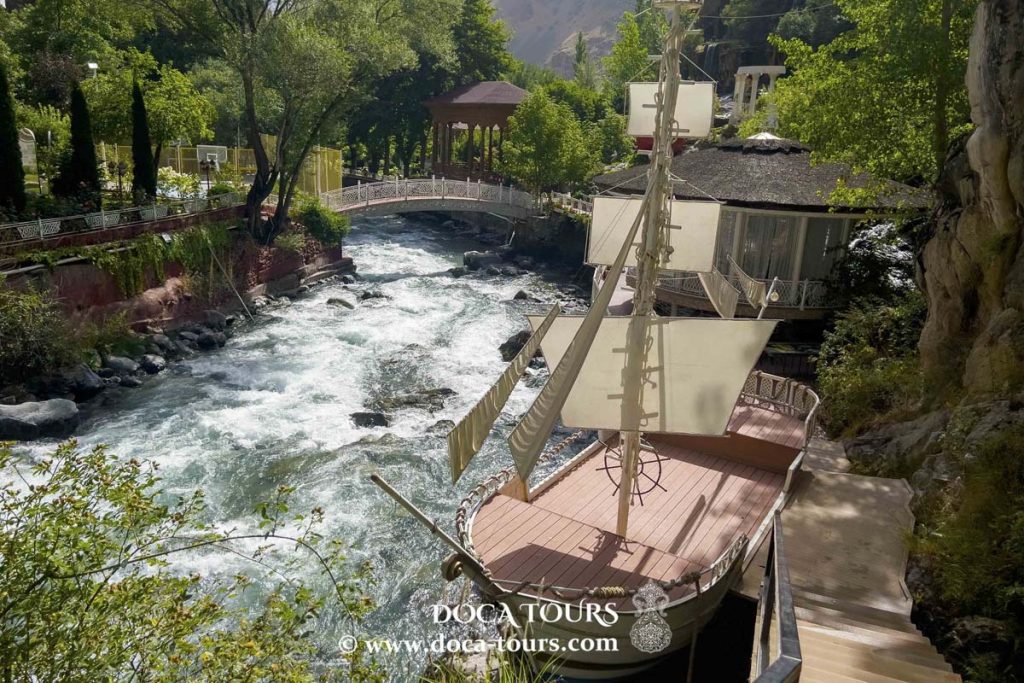
In recent years, Kalai-Khumb has gained importance as a tourist stop for travelers exploring the Pamir Mountains and Wakhan Corridor. The town offers guesthouses, small hotels, and restaurants, providing accommodations for both backpackers and adventure tourists.
Tourist Attractions and Activities
Kalai-Khumb is an ideal place for travelers who enjoy history, nature, and adventure. Some of the main attractions and activities include:
- Pamir Highway (M41) Journey
Kalai-Khumb is a major stop on the M41 Pamir Highway, one of the most breathtaking roads in the world. The road winds through dramatic mountain landscapes, deep gorges, and river valleys, attracting cyclists, motorcyclists, and road-trippers.
- The Panj River and Afghan Border Views
The Panj River, which separates Tajikistan and Afghanistan, offers stunning views of the rugged Afghan mountains. Many travelers enjoy stopping to take photos and observe daily life across the river.
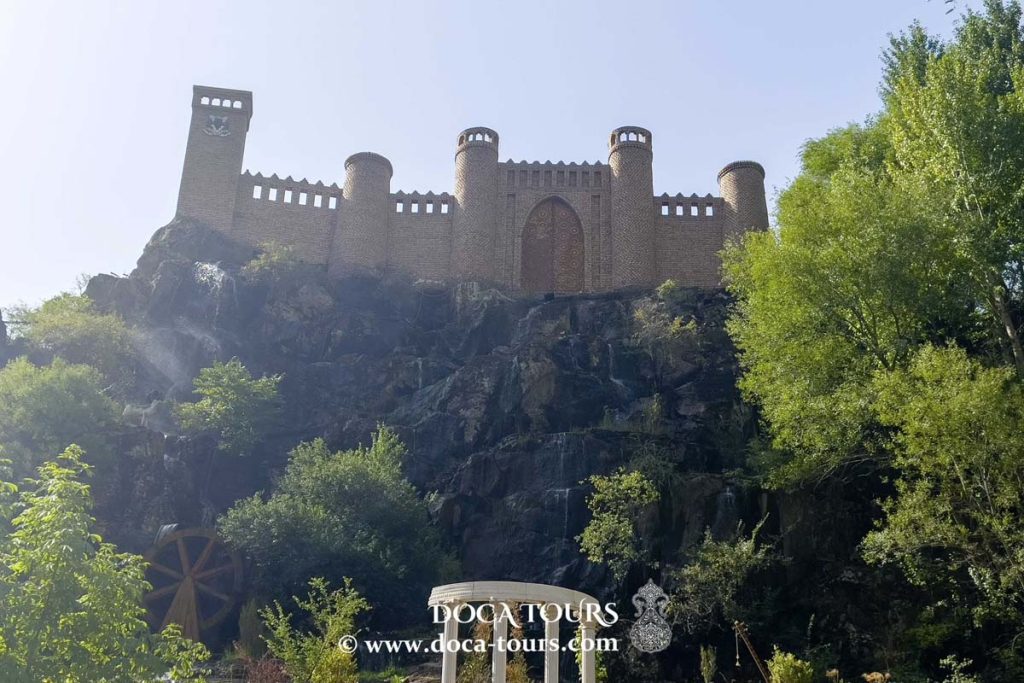
- Kalai-Khumb Fortress Ruins
Remnants of the ancient fortress that once protected the town can still be seen today. Though largely in ruins, the site is a reminder of Kalai-Khumb’s strategic military significance in the past.
- Hiking and Trekking
The surrounding mountains provide excellent opportunities for hiking and trekking. Nearby trails lead to remote villages, alpine meadows, and scenic viewpoints.
- Local Culture and Traditional Crafts
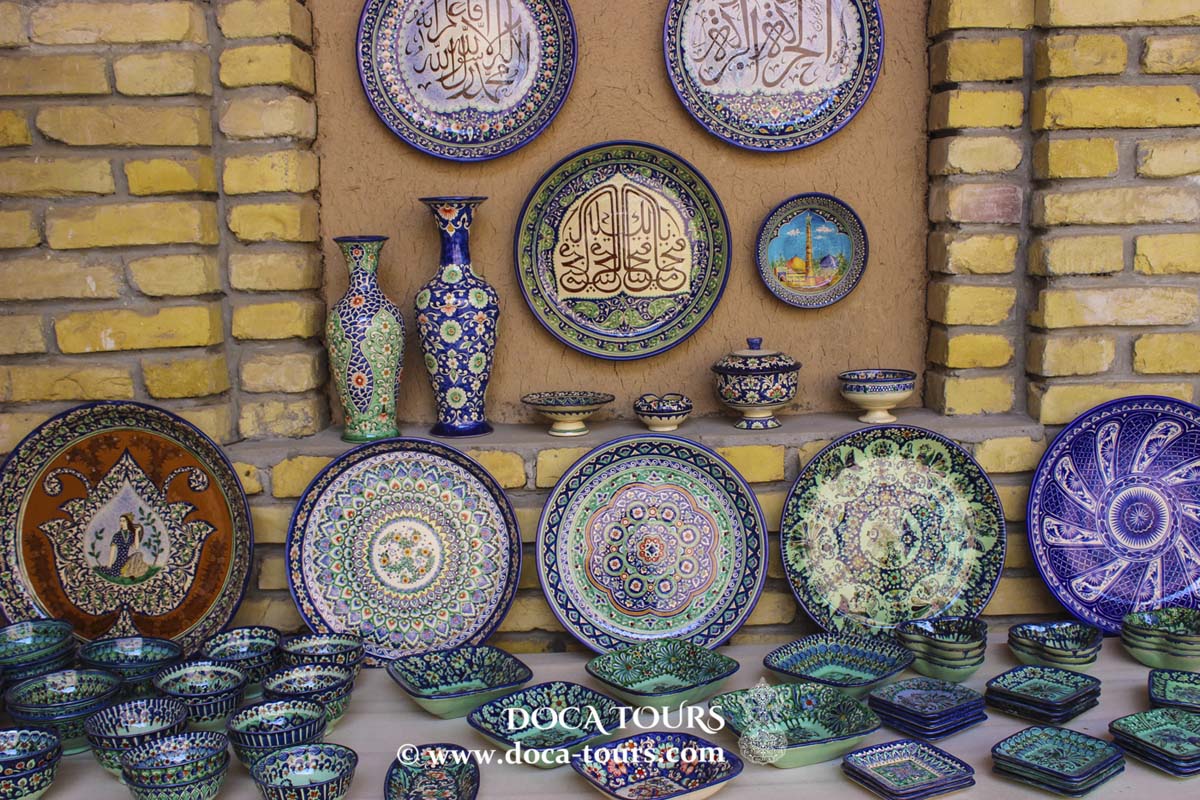
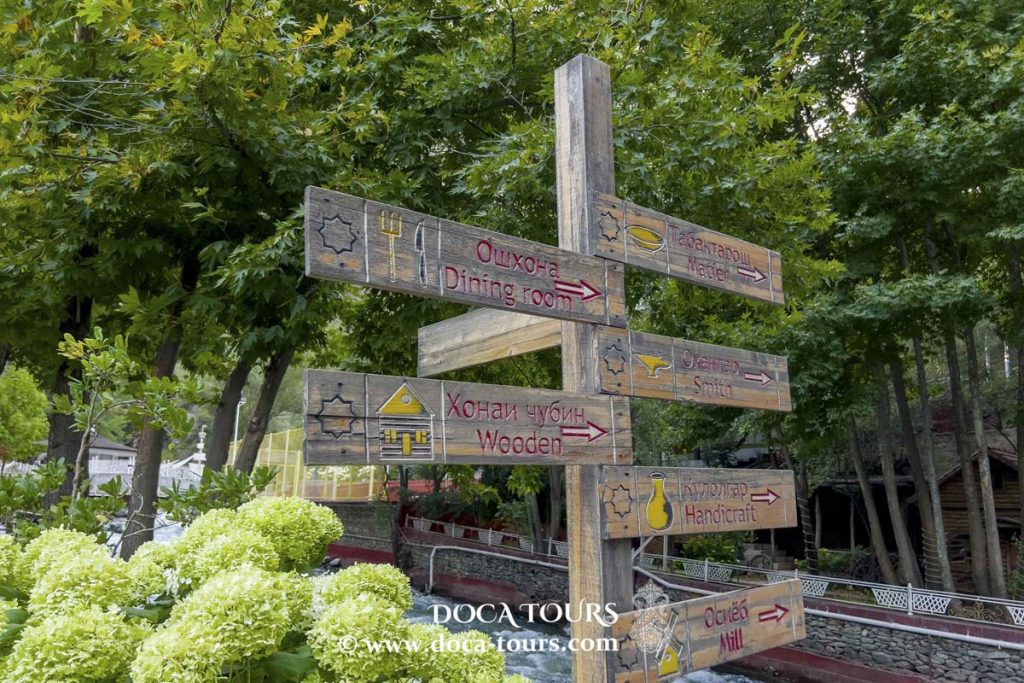
Visitors can explore local markets and handicraft stalls, where artisans sell handwoven rugs, embroidered textiles, and traditional Tajik pottery.
Transportation and Accessibility
Kalai-Khumb is well-connected by road but remains difficult to reach due to its remote location.
From Dushanbe: The journey from Dushanbe to Kalai-Khumb takes approximately 7–10 hours by car, depending on road conditions. The road passes through mountain passes and tunnels, including the Shurabad Pass.
From Khorog: The drive from Khorog to Kalai-Khumb takes around 5–7 hours along the Pamir Highway.
Public Transport: Shared taxis and minibuses operate between Dushanbe, Kalai-Khumb, and Khorog, but the journey can be long and bumpy.
Conclusion
Kalai-Khumb is a historic and strategically significant town that serves as a gateway to the Pamir Mountains. With its rich cultural heritage, stunning natural beauty, and growing role in tourism and trade, it continues to be an important stop for travelers exploring Tajikistan’s remote eastern regions.

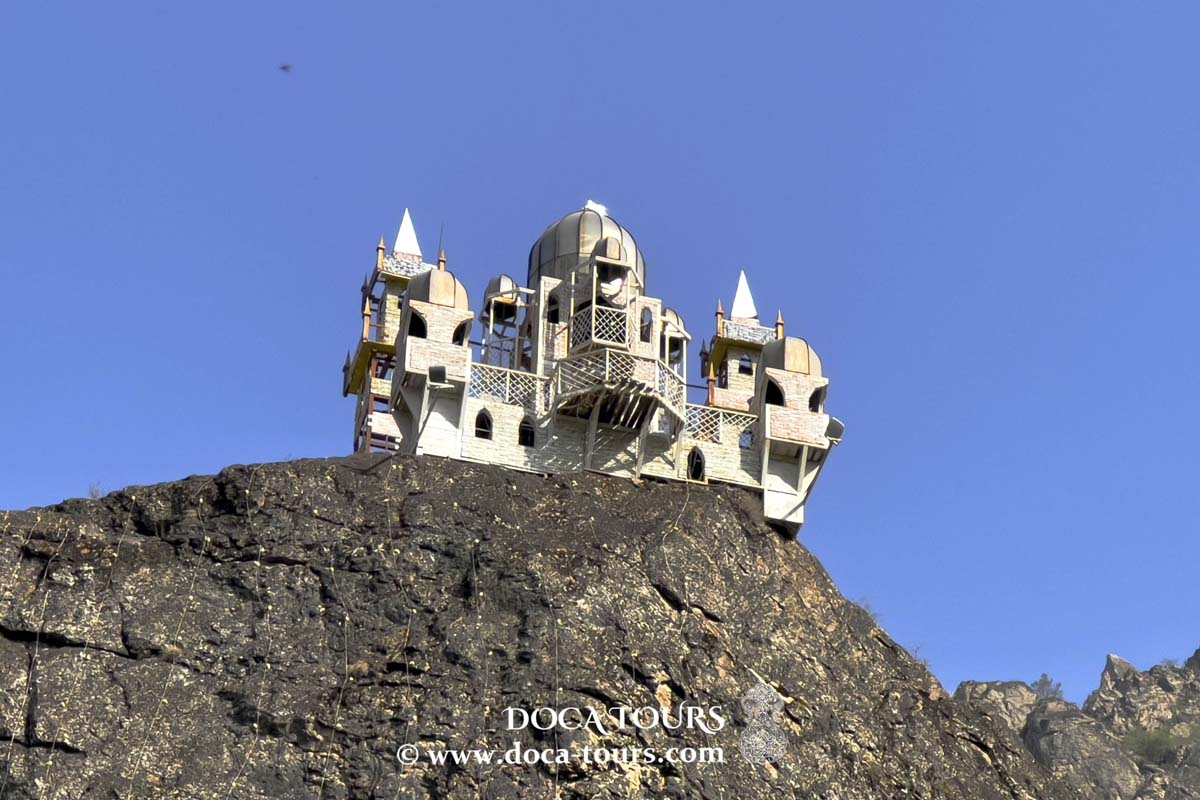
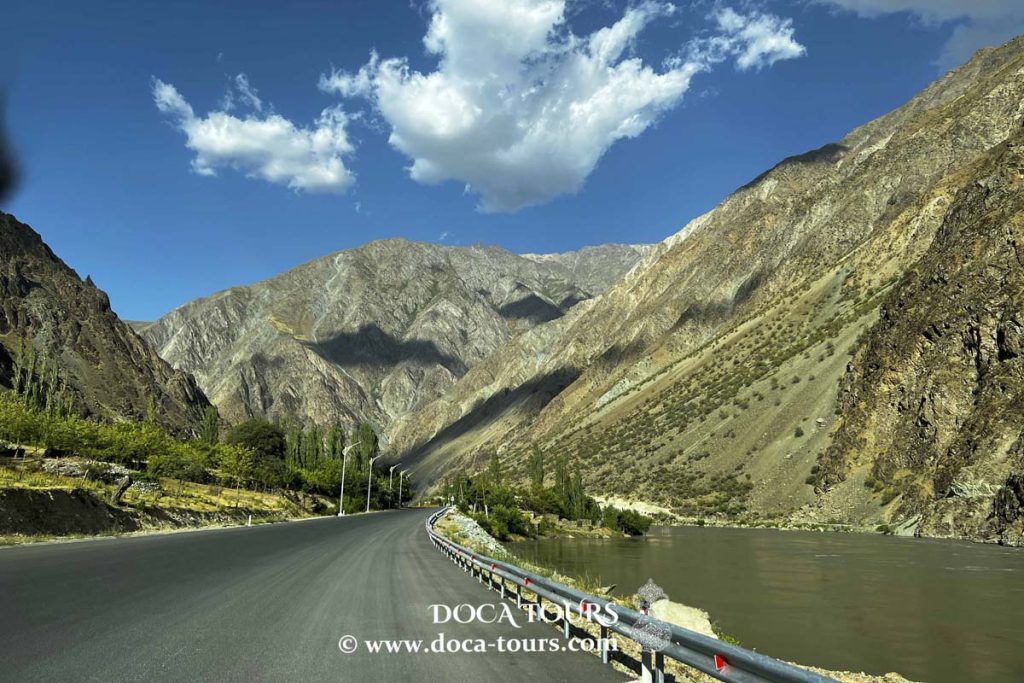 Situated along the banks of the Panj River, which forms the border between Tajikistan and Afghanistan, Kalai-Khumb is an essential link between the country’s capital, Dushanbe, and the remote high-altitude settlements of Khorog and the Pamirs. The town is known for its stunning natural landscapes, strategic location, and historical significance as an ancient fortress guarding the entrance to the Pamirs.
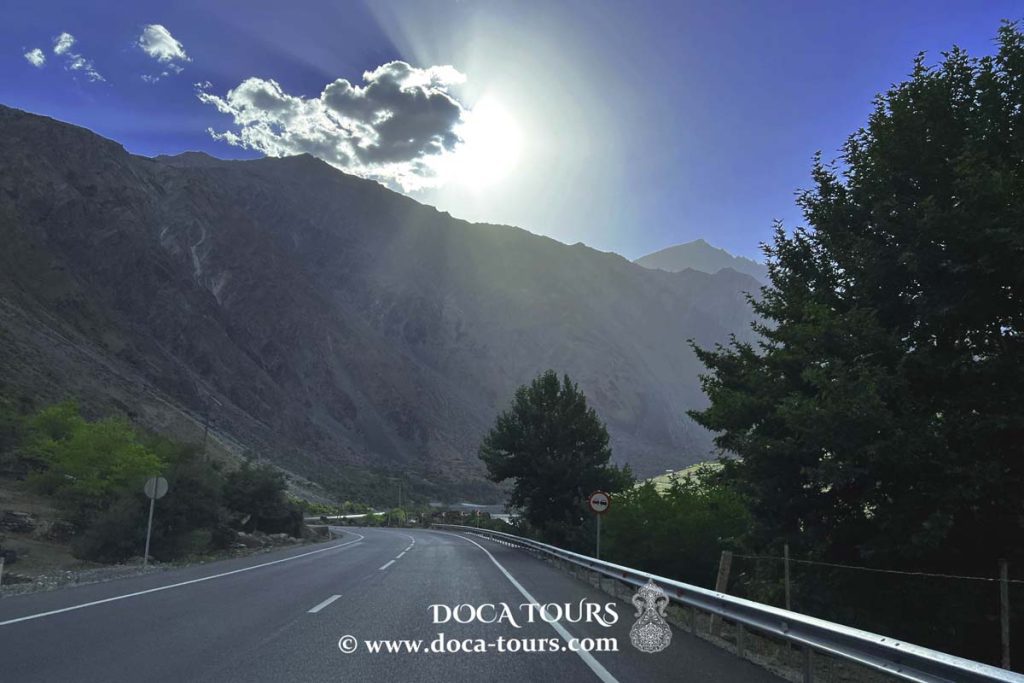
 The town was part of the Persian and Sogdian civilizations, and later it was influenced by the expanding Islamic Caliphate. It played an important role in the Silk Road trade network, serving as a key point for merchants and travelers navigating the rugged mountain terrain.
 The people of Kalai-Khumb are known for their hospitality, and traditional Tajik and Pamiri customs are still widely practiced. Visitors often experience folk music, dance, and local cuisine, including dishes like plov (rice pilaf), shashlik (grilled meat skewers), and naan (traditional bread).