ISHKASHIM
- Geographical coordinates: 36°43′38″N 71°36′42″E
- Other names: Ishkoshim
- Elevation: 2600 m
- Official language: Tajik
- Popular languages: Tajik, Russian
- Nationals: Pamir, Tajik
- Population: 7673 (as of 2019)
- Time Zone: UTC+4:30
- Telephone Code: +992 3553
- Postal Codes: 736500
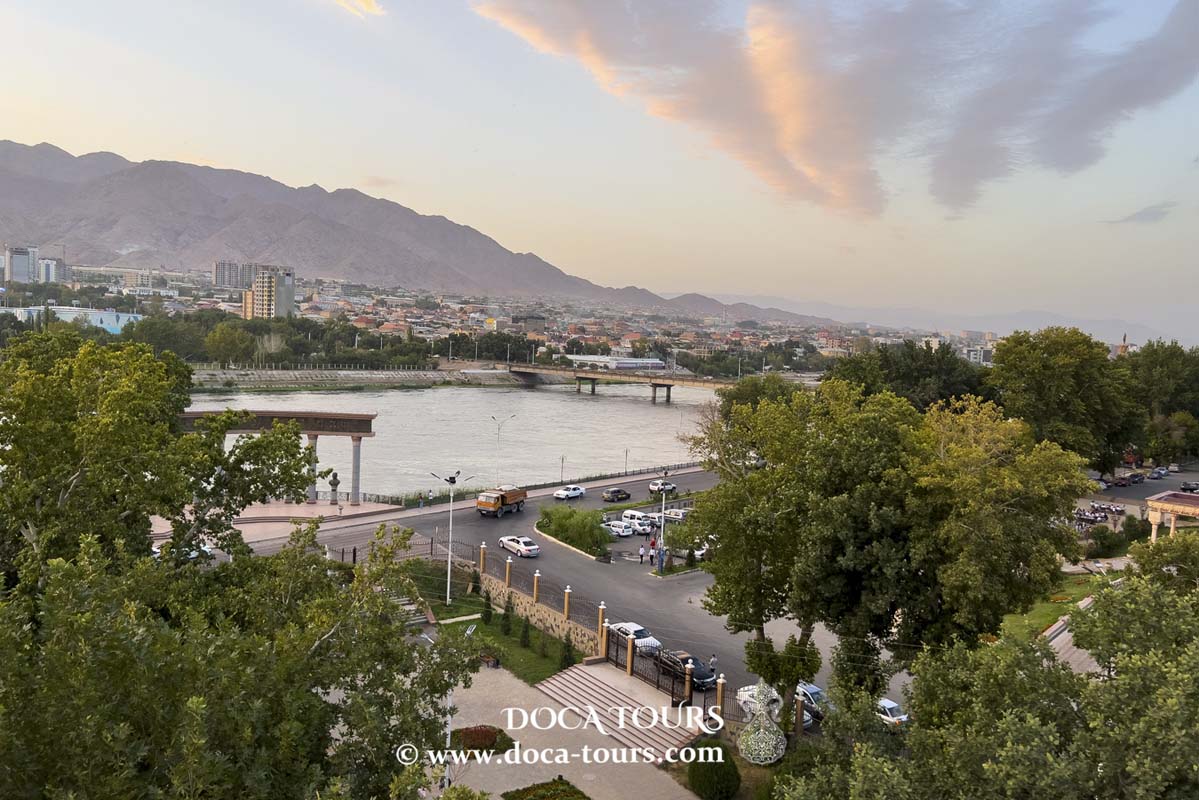
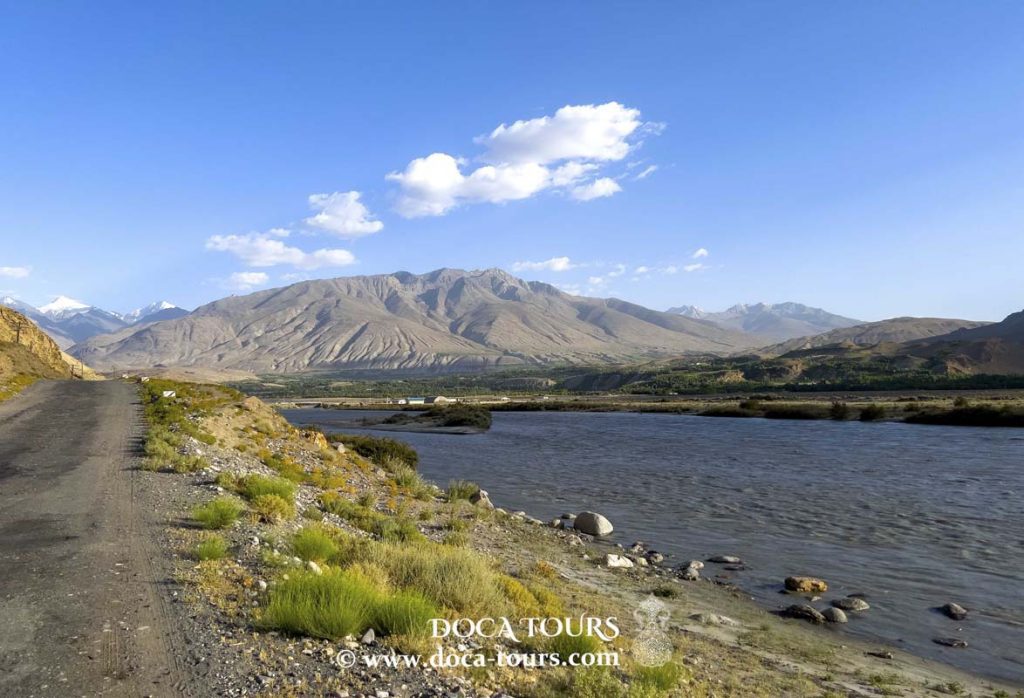
Ishkashim (Tajik: Ишкошим), also spelled Ishkoshim, is a small but historically significant town located in the Gorno-Badakhshan Autonomous Region (GBAO) of Tajikistan. It sits on the banks of the Panj River, which forms the natural border between Tajikistan and Afghanistan. Directly across the river lies another town of the same name, Ishkashim, Afghanistan. The two towns are connected by a bridge, facilitating cross-border trade and travel.

Geography and Climate
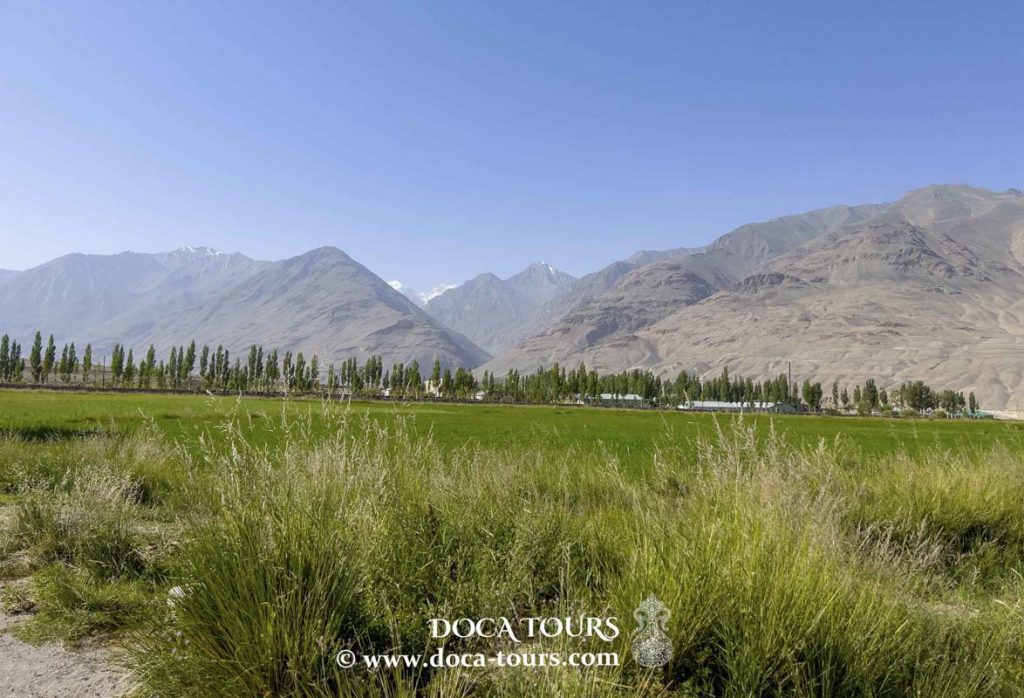
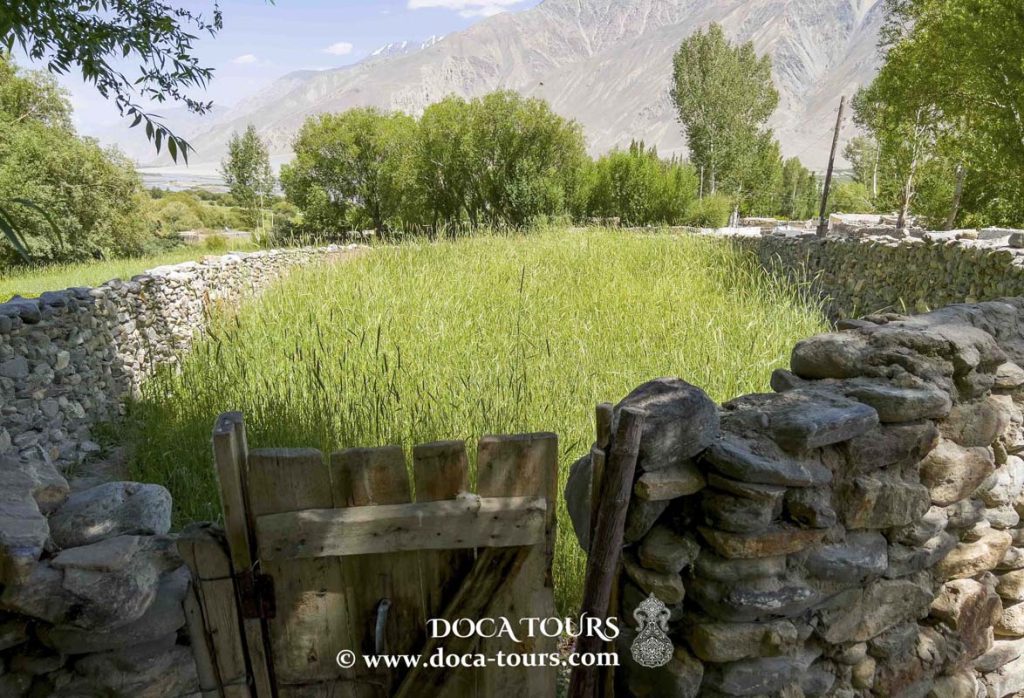
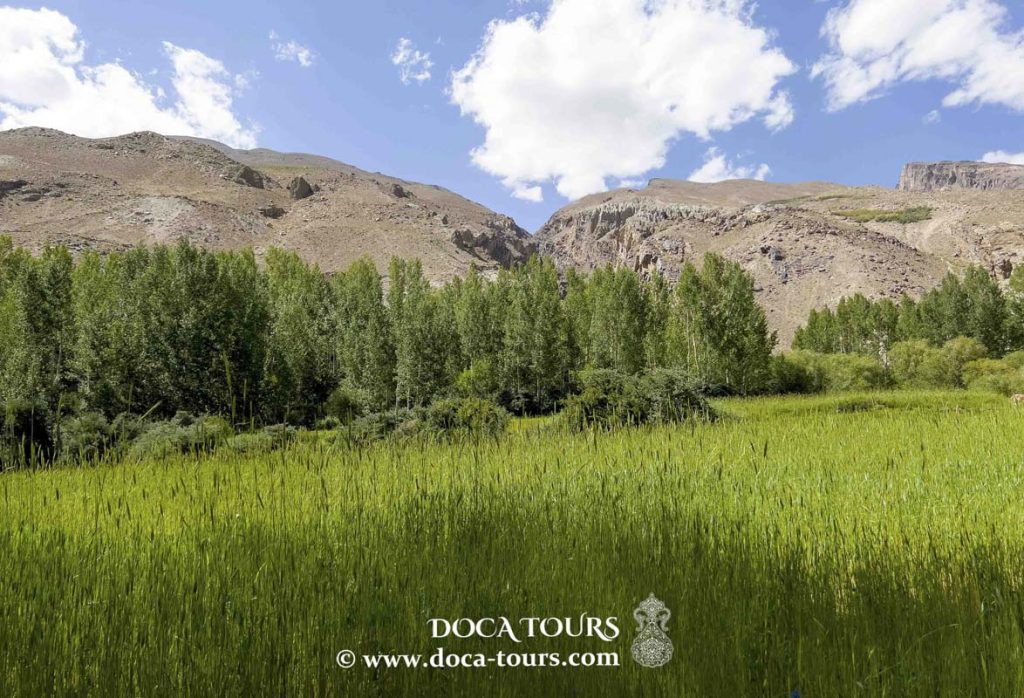
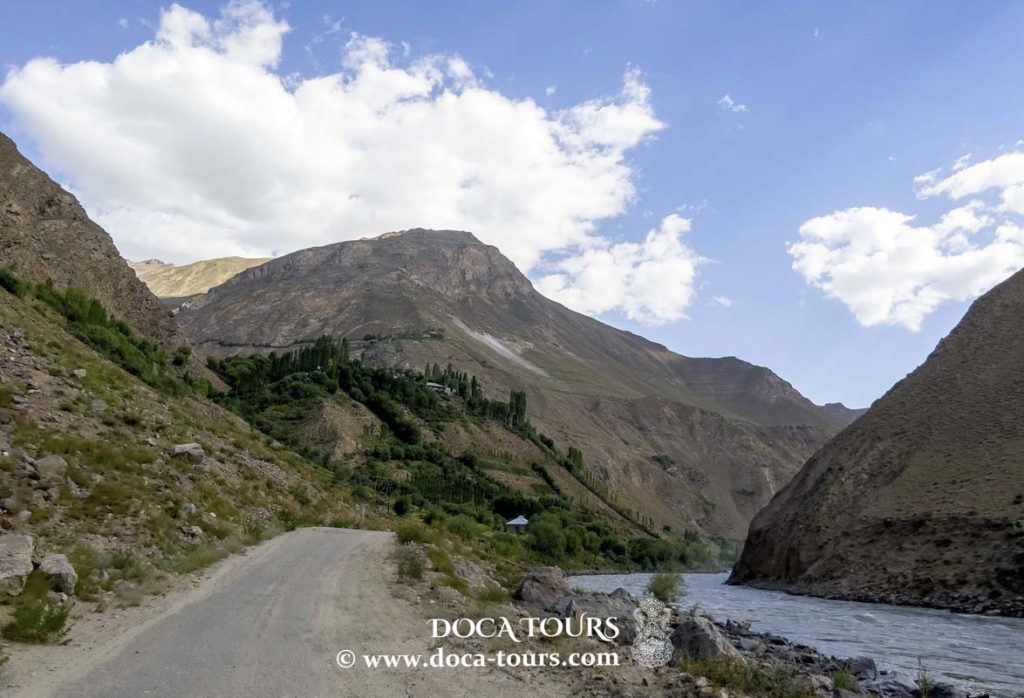
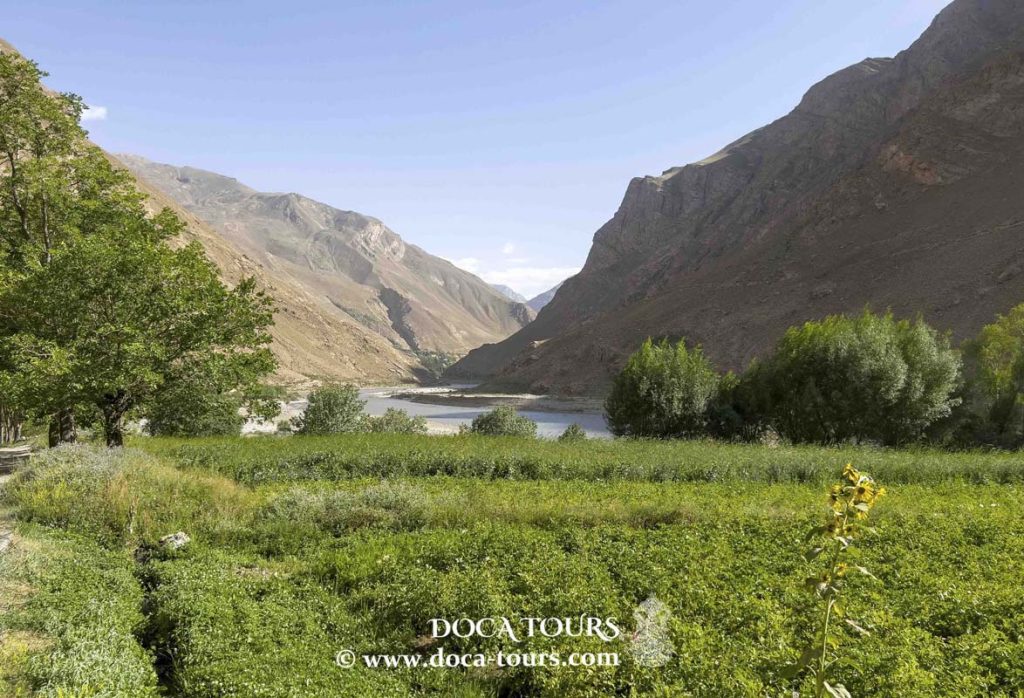
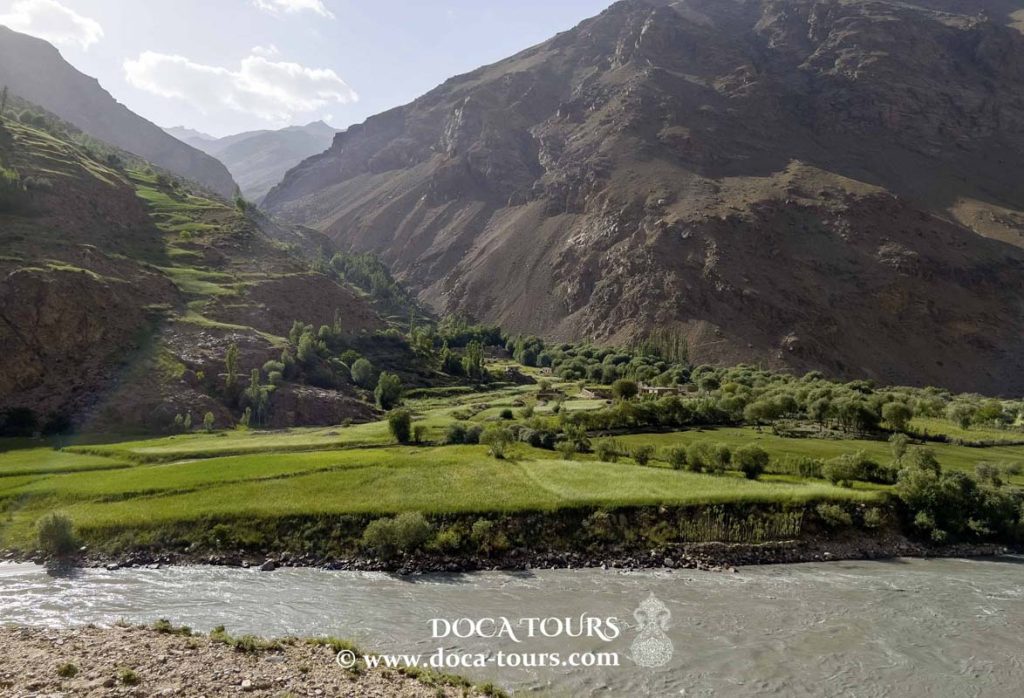
Ishkashim is situated in the southeastern part of Tajikistan, near the entrance to the Wakhan Corridor, a narrow strip of land extending into Afghanistan. It lies at an altitude of approximately 2,600 meters (8,530 feet) above sea level, making it one of the higher settlements in the region. The surrounding landscape is characterized by rugged mountains, deep valleys, and arid terrain, with the Panj River serving as a vital water source.
The climate of Ishkashim is cold semi-arid (BSk), according to the Köppen climate classification. Summers are mild and pleasant, while winters can be harsh and freezing. Due to its high elevation, Ishkashim receives limited precipitation, making irrigation crucial for local agriculture.
Population and Culture
The town has a relatively small population, primarily consisting of Tajiks and Pamiris, who are part of the broader Iranian ethnic and linguistic group. The predominant language spoken is Tajik, which is closely related to Persian, though many locals also understand Russian due to Tajikistan’s Soviet past. Additionally, some residents speak Wakhi, an indigenous language of the Wakhan region.
The majority of Ishkashim’s inhabitants follow Ismaili Islam, a branch of Shia Islam led by the Aga Khan. The Ismaili community in Ishkashim has strong ties with Ismailis across the border in Afghanistan, and cultural traditions often overlap between the two towns.
Economy and Trade
The local economy of Ishkashim is primarily based on agriculture, livestock farming, and small-scale trade. Due to its strategic location on the border, the town serves as an important trade hub for goods moving between Tajikistan and Afghanistan.
A cross-border market operates periodically near the bridge connecting Ishkashim, Tajikistan, with Ishkashim, Afghanistan. This market allows local merchants from both sides to trade food, textiles, handicrafts, and household goods without requiring formal visas. However, the market has been subject to occasional closures due to security concerns.
Agriculture in Ishkashim is limited by the harsh climate, but residents cultivate wheat, barley, potatoes, and vegetables using irrigation from the Panj River. Sheep, goats, and yaks are commonly raised for meat, dairy, and wool.
Tourism and Attractions
Ishkashim is a starting point for travelers exploring the Pamir Mountains, often referred to as the "Roof of the World." The town attracts adventurous tourists who are interested in trekking, mountaineering, and experiencing the unique culture of the region.
- Wakhan Valley
One of the biggest draws for visitors is the nearby Wakhan Valley, a breathtaking region filled with ancient fortresses, hot springs, and stunning landscapes. The valley has historical significance, as it was once part of the Silk Road trade network and later a contested frontier between the Russian and British Empires during the Great Game in the 19th century.
- Bibi Fatima Hot Springs
Located a few hours from Ishkashim, the Bibi Fatima Hot Springs are a popular destination for both locals and tourists. The mineral-rich, naturally heated waters are believed to have healing properties, attracting visitors seeking relaxation and rejuvenation.
- Yamchun Fortress
A short drive from Ishkashim, the Yamchun Fortress is an ancient structure dating back to the 3rd century BC. Perched high on a mountain ridge, the fortress offers breathtaking views of the Wakhan Valley and provides insight into the region’s history as a strategic military outpost.
- Zoroastrian and Buddhist Heritage
Before the spread of Islam, the region was influenced by Zoroastrianism and Buddhism. Some archaeological sites, such as fire temples and Buddhist stupas, remain as evidence of these earlier civilizations. Travelers interested in history can explore these sites to learn more about the diverse cultural influences that have shaped the region.
Infrastructure and Transportation
Ishkashim is accessible via the Pamir Highway (M41), one of the highest-altitude roads in the world. The highway connects the town with Khorog, the capital of Gorno-Badakhshan, and continues toward Dushanbe, the capital of Tajikistan.
Transportation options are limited, and most travelers rely on shared taxis or private vehicles to reach Ishkashim. During winter, heavy snowfall can make the roads difficult to navigate, temporarily isolating the town.
Electricity and internet services in Ishkashim are unreliable and intermittent, particularly in winter. However, development efforts by the Tajik government and international organizations have aimed to improve infrastructure in the region.
Security and Border Relations
Ishkashim’s location on the Afghan border has resulted in periodic security concerns. While the town itself is generally safe, cross-border tensions and instability in parts of Afghanistan have led to temporary border closures and restrictions on travel.
The Tajik border guards closely monitor movement between the two countries, and foreign visitors require special GBAO permits to travel within the region. Despite these challenges, Ishkashim remains an essential link between Tajikistan and Afghanistan, fostering cultural and economic exchanges.
Conclusion
Ishkashim, Tajikistan, is a unique and historically rich town that serves as a gateway to the spectacular Pamir Mountains and the Wakhan Valley. With its diverse cultural heritage, breathtaking landscapes, and strategic location on the Afghan border, it remains an important center for trade, tourism, and historical exploration. Although it faces challenges such as harsh winters and limited infrastructure, it continues to attract adventurers, researchers, and travelers eager to experience one of Tajikistan’s most fascinating regions.


 Electricity and internet services in Ishkashim are unreliable and intermittent, particularly in winter. However, development efforts by the Tajik government and international organizations have aimed to improve infrastructure in the region.
 The Tajik border guards closely monitor movement between the two countries, and foreign visitors require special GBAO permits to travel within the region. Despite these challenges, Ishkashim remains an essential link between Tajikistan and Afghanistan, fostering cultural and economic exchanges.