BOKHTAR
- Geographical coordinates: 37°50′11″N 68°46′49″E
- Officially known name: Bokhtar
- Elevation: 430 m
- Official language: Tajik
- Popular languages: Russian, Uzbek etc.
- Population: 110,800 (as of 2019)
- Time Zone: UTC+5
- Telephone Code: +992 32
- Postal Codes: 735ХXX
- Vehicle Registration Code: 03
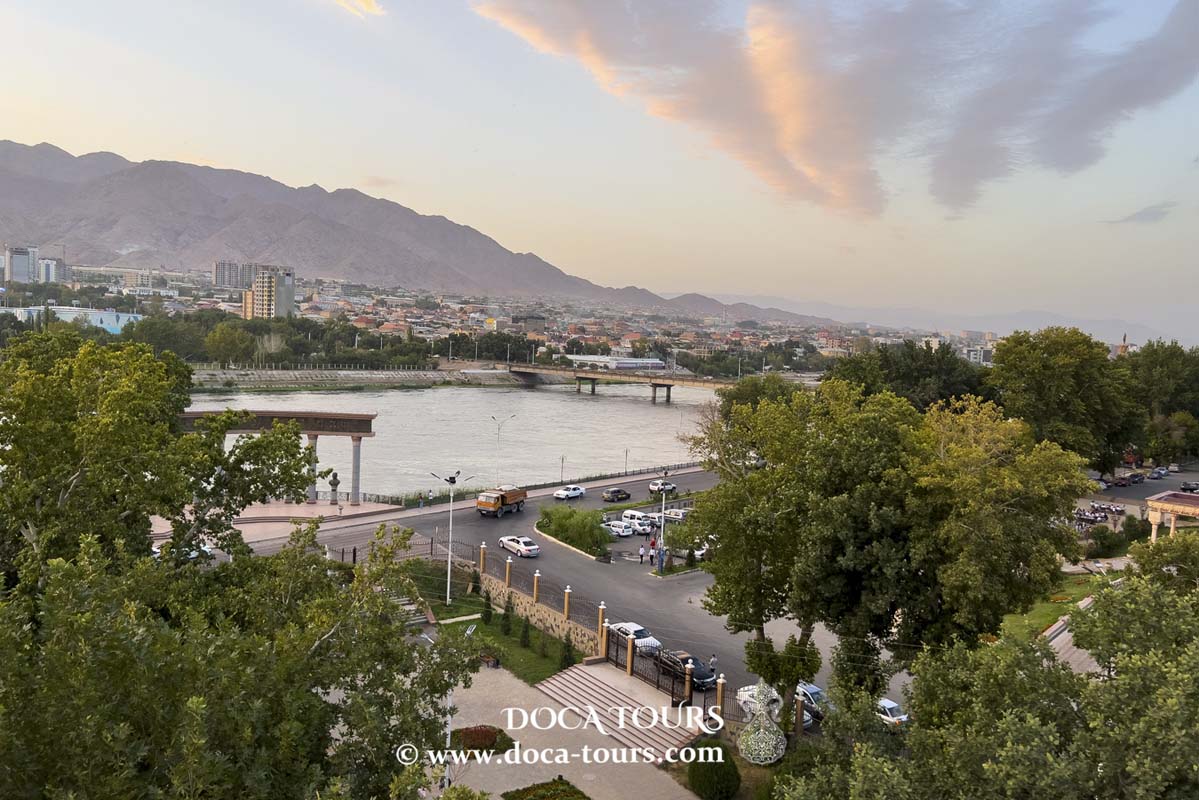
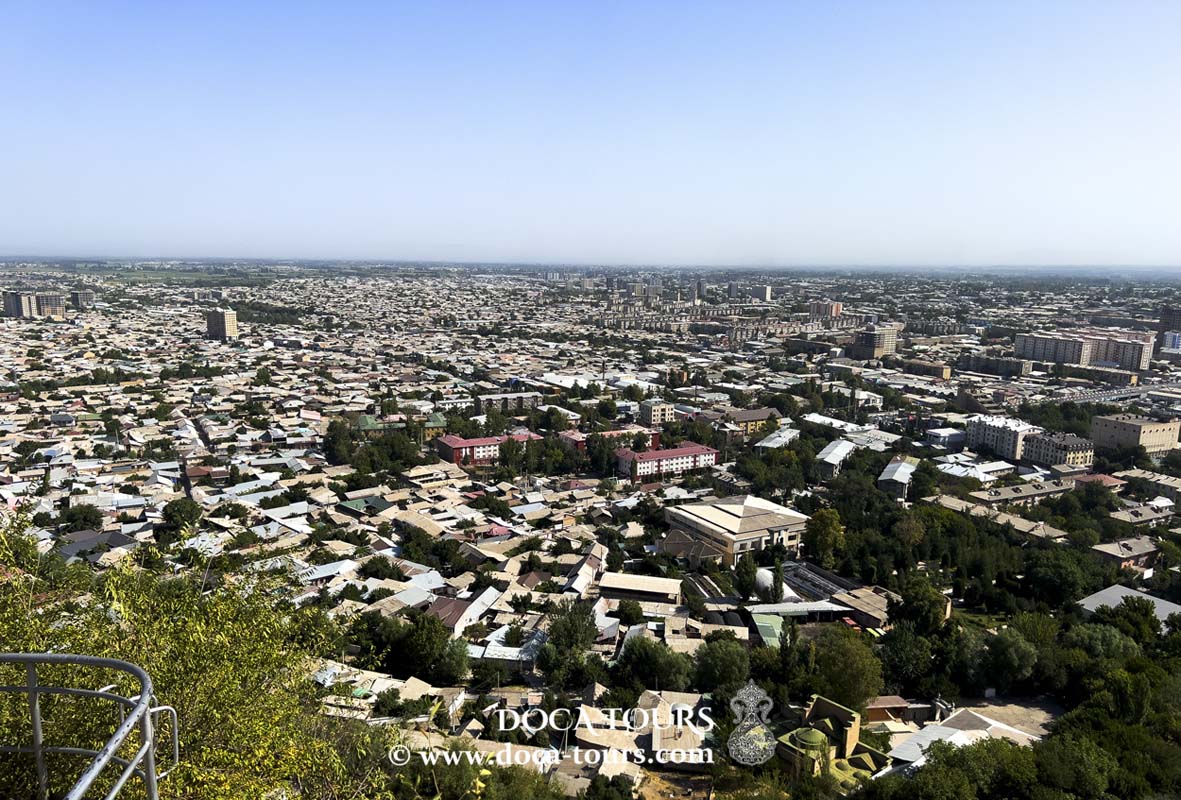
Bokhtar, formerly known as Kurgan-Tyube, is a city located in the southwest of Tajikistan. It is the largest city in southern Tajikistan, situated 100 kilometers (62 miles) south of Dushanbe and 150 kilometers (93 miles) north of Kunduz, Afghanistan.

History of the City
According to ancient sources, the Kurgan-Tyube oasis emerged during the Kushan Empire. At that time, it was already a large city with its own currency. In the late 7th century, it came under Arab rule.
Near Bokhtar, on the banks of the Vakhsh River, lie the ruins of the 10th–13th century city of Lagman, which, together with Bokhtar, likely formed part of an expansive oasis. In the mid-20th century, archaeologists discovered remains of ancient water pipelines, brick wells, and fortified structures with towers. This city was one of the largest settlements in ancient Bactria, spanning approximately 43 hectares. The oasis was destroyed during the Mongol invasion led by Genghis Khan.
Subsequently, the city became part of the Chagatai Khanate. Urban development resumed only in the 16th century.
Until 1920, Kurgan-Tyube served as the administrative center of the Kurgan-Tyube Bekdom under the Bukhara Emirate.
Between 1920 and 1924, it was the center of the Kurgan-Tyube Wilayat of the Bukharan People's Soviet Republic, and from 1924 to 1929, it was part of the Tajik ASSR under the Uzbek SSR.
With the formation of the Tajik SSR in 1929, Kurgan-Tyube Wilayat was renamed Kurgan-Tyube District. The city remained its administrative center. On July 30, 1930, the district was dissolved, and the Kurgan-Tyube region became directly subordinated to the republic.
In 1939, the Kurgan-Tyube District, with the city as its center, was incorporated into the newly formed Stalinabad Region.
From January 7, 1944, to January 23, 1947, the district was part of the Kurgan-Tyube Region before being reintegrated into Stalinabad Region.
On April 10, 1951, following the abolition of Stalinabad Region, the district came under direct republican administration.
On March 16, 1959, the Kurgan-Tyube District and City Councils merged to form a unified Kurgan-Tyube City Council of Workers' Deputies.
On January 4, 1963, Kurgan-Tyube became the administrative center of the newly formed Kurgan-Tyube Rural District, which was renamed Vakhsh District in January 1965.
On January 7, 1966, the center of Vakhsh District was relocated to the urban-type settlement of Vakhshstroy, and Kurgan-Tyube became the administrative center of a newly established Kurgan-Tyube District.
On April 4, 1977, the Kurgan-Tyube Region was re-established, with Kurgan-Tyube as its center.
On October 17, 1980, Kurgan-Tyube District was included in the newly formed Kommunist District within the Kurgan-Tyube Region. The city remained the regional capital until the region was abolished in 1988.
From September 8, 1988, to January 24, 1990, Kurgan-Tyube served as the administrative center of the newly created Khatlon Region before it was dissolved.
On January 24, 1990, Kurgan-Tyube once again became the center of the re-established Kurgan-Tyube Region within the Tajik SSR (and, starting from September 9, 1991, within the Republic of Tajikistan).
On December 2, 1992, Kurgan-Tyube was designated the administrative center of Khatlon Region. During the Civil War (1992–1997), the city suffered significant destruction.
On January 20, 2018, the city of Kurgan-Tyube was renamed Bokhtar, a name derived from Bactria.
Population
As of 2019, the population of Bokhtar was estimated at 110,800, making it the third-largest city in Tajikistan. The population fluctuates seasonally due to the significant number of Tajik migrant workers in Russia.
Alongside the capital, Dushanbe, Bokhtar is more demographically diverse than other major Tajik cities such as Khujand, Kulob, or Istaravshan. Its residents include Tajiks, Uzbeks, Russians, Pashtuns, Tatars, Ukrainians, Kazakhs, Greeks, and others. The city once hosted a large Russian community, many of whom were employed in the industrial and agricultural sectors within and around Bokhtar.
Bokhtar is also considered a stronghold of political opposition in Tajikistan.
Overview
During the Tajik Civil War, Bokhtar (then Kurgan-Tyube) became a focal point of conflict by the summer of 1992 and suffered significant damage. In 1992, many local Kulobis and Uzbeks were forced to flee after attacks by pro-opposition Garmi forces.
The city was officially renamed from Kurgan-Tyube to Bokhtar on January 22, 2018. This renaming was part of a broader initiative in Tajikistan to replace place names of Uzbek and Kyrgyz origin.
Near Bokhtar are the ruins of a Buddhist monastic complex known as Ajina-Tepe, believed to have been constructed in the 7th or 8th century CE. The site houses a 12-meter-long statue of the Buddha in Nirvana.
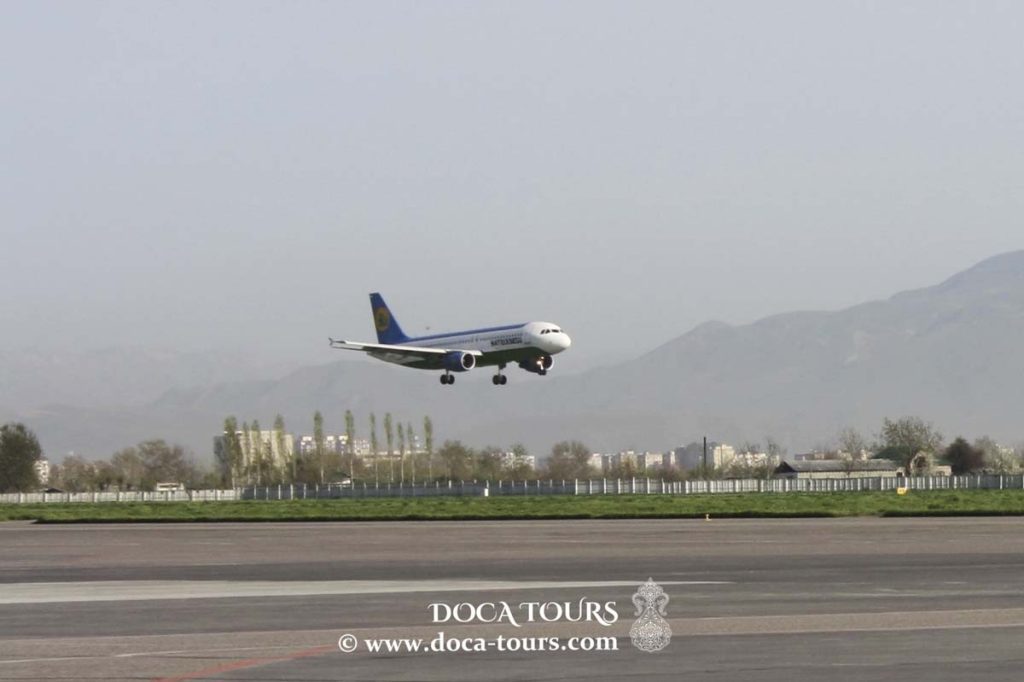
Bokhtar International Airport connects the city to several destinations within Tajikistan, as well as to cities in Russia and Kazakhstan.
Military Bases
Bokhtar has been of strategic importance due to its geographical location in southern Tajikistan, close to the borders with Afghanistan and Uzbekistan. As a result, the city and its surrounding areas host several military installations that play a critical role in regional security and defense.
One notable facility in the region is a base used by the Tajik Armed Forces, which is tasked with maintaining security in the volatile southern areas of the country and monitoring cross-border activities. These efforts are particularly focused on controlling drug trafficking and preventing infiltration by extremist groups from neighboring Afghanistan.
Additionally, Russia maintains a significant military presence in Tajikistan, and Bokhtar, along with other locations in the country, may host auxiliary facilities related to the Russian 201st Military Base. This base, one of the largest Russian military installations outside its borders, primarily focuses on supporting regional stability and Tajikistan's national defense under bilateral agreements between the two nations.
These military bases in and around Bokhtar underline its role as a key site for security operations in Tajikistan and Central Asia.

 Subsequently, the city became part of the Chagatai Khanate. Urban development resumed only in the 16th century.
Until 1920, Kurgan-Tyube served as the administrative center of the Kurgan-Tyube Bekdom under the Bukhara Emirate.
Between 1920 and 1924, it was the center of the Kurgan-Tyube Wilayat of the Bukharan People's Soviet Republic, and from 1924 to 1929, it was part of the Tajik ASSR under the Uzbek SSR.
Subsequently, the city became part of the Chagatai Khanate. Urban development resumed only in the 16th century.
Until 1920, Kurgan-Tyube served as the administrative center of the Kurgan-Tyube Bekdom under the Bukhara Emirate.
Between 1920 and 1924, it was the center of the Kurgan-Tyube Wilayat of the Bukharan People's Soviet Republic, and from 1924 to 1929, it was part of the Tajik ASSR under the Uzbek SSR.
 With the formation of the Tajik SSR in 1929, Kurgan-Tyube Wilayat was renamed Kurgan-Tyube District. The city remained its administrative center. On July 30, 1930, the district was dissolved, and the Kurgan-Tyube region became directly subordinated to the republic.
In 1939, the Kurgan-Tyube District, with the city as its center, was incorporated into the newly formed Stalinabad Region.
From January 7, 1944, to January 23, 1947, the district was part of the Kurgan-Tyube Region before being reintegrated into Stalinabad Region.
With the formation of the Tajik SSR in 1929, Kurgan-Tyube Wilayat was renamed Kurgan-Tyube District. The city remained its administrative center. On July 30, 1930, the district was dissolved, and the Kurgan-Tyube region became directly subordinated to the republic.
In 1939, the Kurgan-Tyube District, with the city as its center, was incorporated into the newly formed Stalinabad Region.
From January 7, 1944, to January 23, 1947, the district was part of the Kurgan-Tyube Region before being reintegrated into Stalinabad Region.
 On April 10, 1951, following the abolition of Stalinabad Region, the district came under direct republican administration.
On March 16, 1959, the Kurgan-Tyube District and City Councils merged to form a unified Kurgan-Tyube City Council of Workers' Deputies.
On January 4, 1963, Kurgan-Tyube became the administrative center of the newly formed Kurgan-Tyube Rural District, which was renamed Vakhsh District in January 1965.
On April 10, 1951, following the abolition of Stalinabad Region, the district came under direct republican administration.
On March 16, 1959, the Kurgan-Tyube District and City Councils merged to form a unified Kurgan-Tyube City Council of Workers' Deputies.
On January 4, 1963, Kurgan-Tyube became the administrative center of the newly formed Kurgan-Tyube Rural District, which was renamed Vakhsh District in January 1965.
 On January 7, 1966, the center of Vakhsh District was relocated to the urban-type settlement of Vakhshstroy, and Kurgan-Tyube became the administrative center of a newly established Kurgan-Tyube District.
On April 4, 1977, the Kurgan-Tyube Region was re-established, with Kurgan-Tyube as its center.
On October 17, 1980, Kurgan-Tyube District was included in the newly formed Kommunist District within the Kurgan-Tyube Region. The city remained the regional capital until the region was abolished in 1988.
On January 7, 1966, the center of Vakhsh District was relocated to the urban-type settlement of Vakhshstroy, and Kurgan-Tyube became the administrative center of a newly established Kurgan-Tyube District.
On April 4, 1977, the Kurgan-Tyube Region was re-established, with Kurgan-Tyube as its center.
On October 17, 1980, Kurgan-Tyube District was included in the newly formed Kommunist District within the Kurgan-Tyube Region. The city remained the regional capital until the region was abolished in 1988.
 From September 8, 1988, to January 24, 1990, Kurgan-Tyube served as the administrative center of the newly created Khatlon Region before it was dissolved.
On January 24, 1990, Kurgan-Tyube once again became the center of the re-established Kurgan-Tyube Region within the Tajik SSR (and, starting from September 9, 1991, within the Republic of Tajikistan).
On December 2, 1992, Kurgan-Tyube was designated the administrative center of Khatlon Region. During the Civil War (1992–1997), the city suffered significant destruction.
On January 20, 2018, the city of Kurgan-Tyube was renamed Bokhtar, a name derived from Bactria.
From September 8, 1988, to January 24, 1990, Kurgan-Tyube served as the administrative center of the newly created Khatlon Region before it was dissolved.
On January 24, 1990, Kurgan-Tyube once again became the center of the re-established Kurgan-Tyube Region within the Tajik SSR (and, starting from September 9, 1991, within the Republic of Tajikistan).
On December 2, 1992, Kurgan-Tyube was designated the administrative center of Khatlon Region. During the Civil War (1992–1997), the city suffered significant destruction.
On January 20, 2018, the city of Kurgan-Tyube was renamed Bokhtar, a name derived from Bactria.