
























Key takeaways
- A Central Asia tour package usually bundles guides, transport, accommodation, permits, and key site entries across one or more of the five Stans.
- Group tours cost less per person and follow fixed dates; private custom itineraries cost more but flex around your pace, interests, and group size.
- Uzbekistan alone holds 8 UNESCO World Heritage Sites, which is why most first trips center on its Silk Road cities (UNESCO, 2026).
- Match package length to depth: 7-10 days suits one or two countries, while 14 days or more lets you combine several Stans without rushing.
- A local operator like Doca Tours books permits, drivers, and guides directly, avoiding the markups and guesswork of generic resellers.
The right Central Asia tour package comes down to three choices: how many of the five Stans you want to see, whether you travel in a group or on a private itinerary, and how many days you can give the region. Get those right and the rest, from permits to hotels, falls into place. This guide walks through what packages include, what they cost, and how to match one to your trip.
Central Asia covers Uzbekistan, Kazakhstan, Kyrgyzstan, Tajikistan, and Turkmenistan. These are the historic Silk Road lands, and demand is climbing fast. Uzbekistan drew 10.7 million foreign visitors from January to November 2025, according to UN Tourism data compiled by IndexBox. Picking the right package is what separates a smooth trip from a rushed one.
What Does a Central Asia Tour Package Include?
A Central Asia tour package typically bundles accommodation, ground transport, a licensed guide, site entry fees, and any border or special-area permits across one or more of the five Stans. Most packages also handle airport transfers and internal flights or train tickets, which matters across a region where distances between cities run into the hundreds of kilometers.
The core inclusions usually look like this:
- English-speaking local guides, often one per country on multi-country routes
- Private vehicle and driver, or train seats on fast lines like Tashkent to Samarkand
- Hotels or boutique guesthouses, graded to your budget tier
- Entry to major monuments, museums, and UNESCO sites
- Permits for restricted zones, mountain regions, or Turkmenistan travel
What sits outside the price is just as important to check. International flights, travel insurance, visa fees, lunches and dinners, and tipping are commonly excluded. Read the "not included" list as carefully as the "included" one, because that is where surprise costs hide.
Group Tours vs Private Custom Itineraries: Which Fits You?
Group tours run on fixed dates with a set route and a shared vehicle, which keeps the per-person price down. Private custom itineraries put the schedule, hotels, and pace entirely in your hands at a higher cost. The right choice depends on your budget, your travel style, and who you are traveling with.
Group departures suit solo travelers and couples who want company and a predictable price. You join a dozen or so other guests, follow a planned itinerary, and benefit from shared costs on guides and transport. The trade-off is rigidity: you move when the group moves, and the route is locked.
Private tours cost more because you are not splitting the guide and vehicle with strangers. In return you choose the departure date, add or drop stops, slow down for photography or a longer bazaar visit, and pick your own hotel standard. Families, photographers, and travelers with mobility needs usually find the premium worthwhile.
On pricing, expect group tours to land well below private trips of the same length and standard. A private itinerary can cost noticeably more per person, especially for small parties of one or two, because fixed costs spread across fewer people. Larger private groups of four to six narrow that gap considerably.
A Country-by-Country Overview of the Five Stans
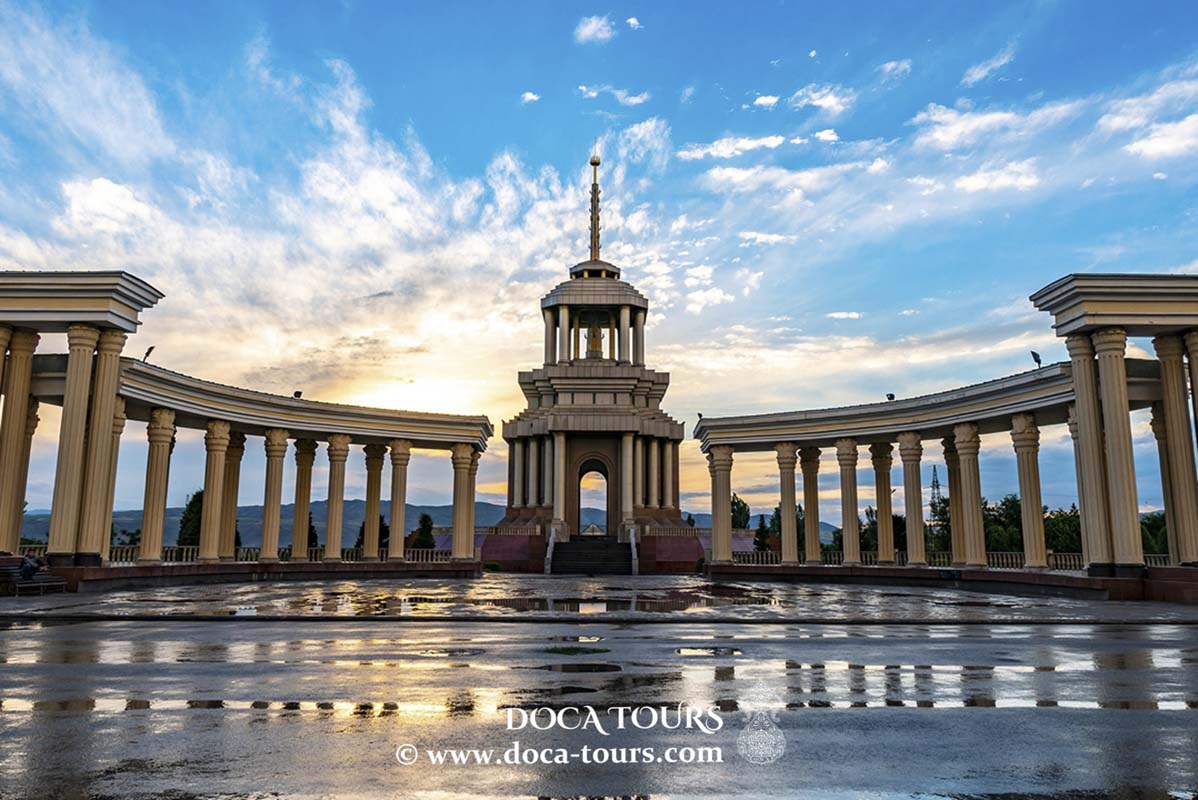
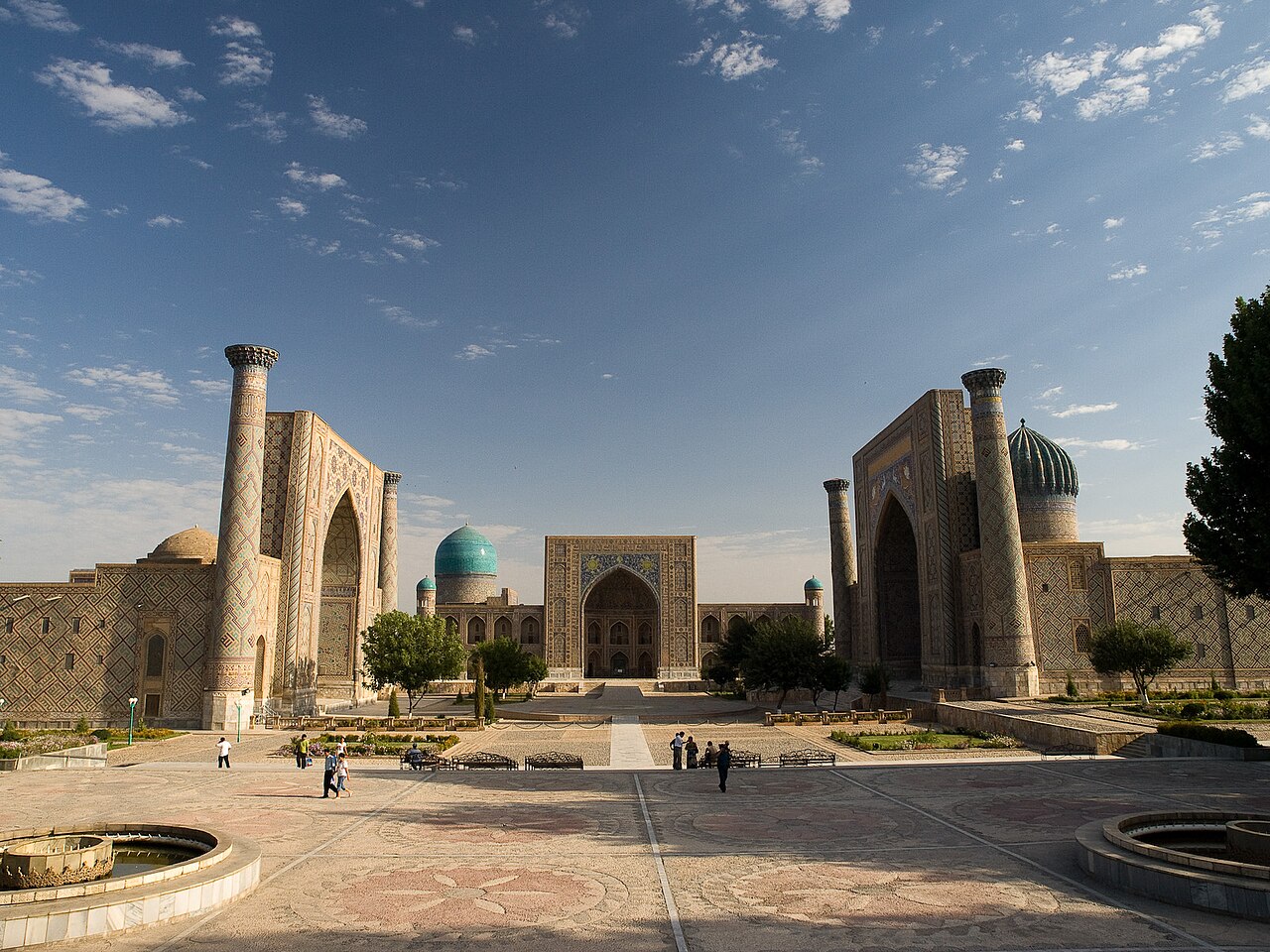
Each of the five Stans offers a distinct experience, and strong packages play to those differences rather than treating the region as one blur. Uzbekistan leads for Silk Road architecture, holding 8 UNESCO World Heritage Sites, including Samarkand, Bukhara, and Khiva, per the UNESCO World Heritage Centre. The others each add something the itinerary would otherwise miss.
Here is how the region breaks down:
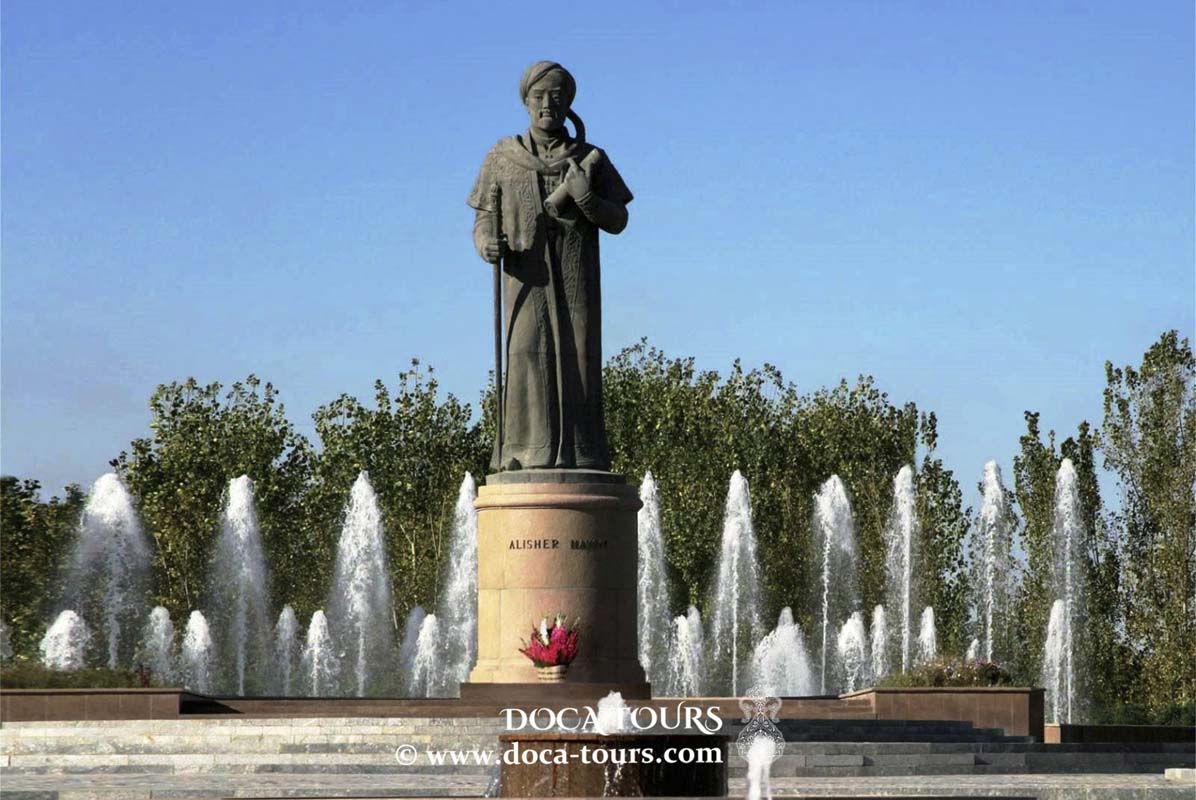
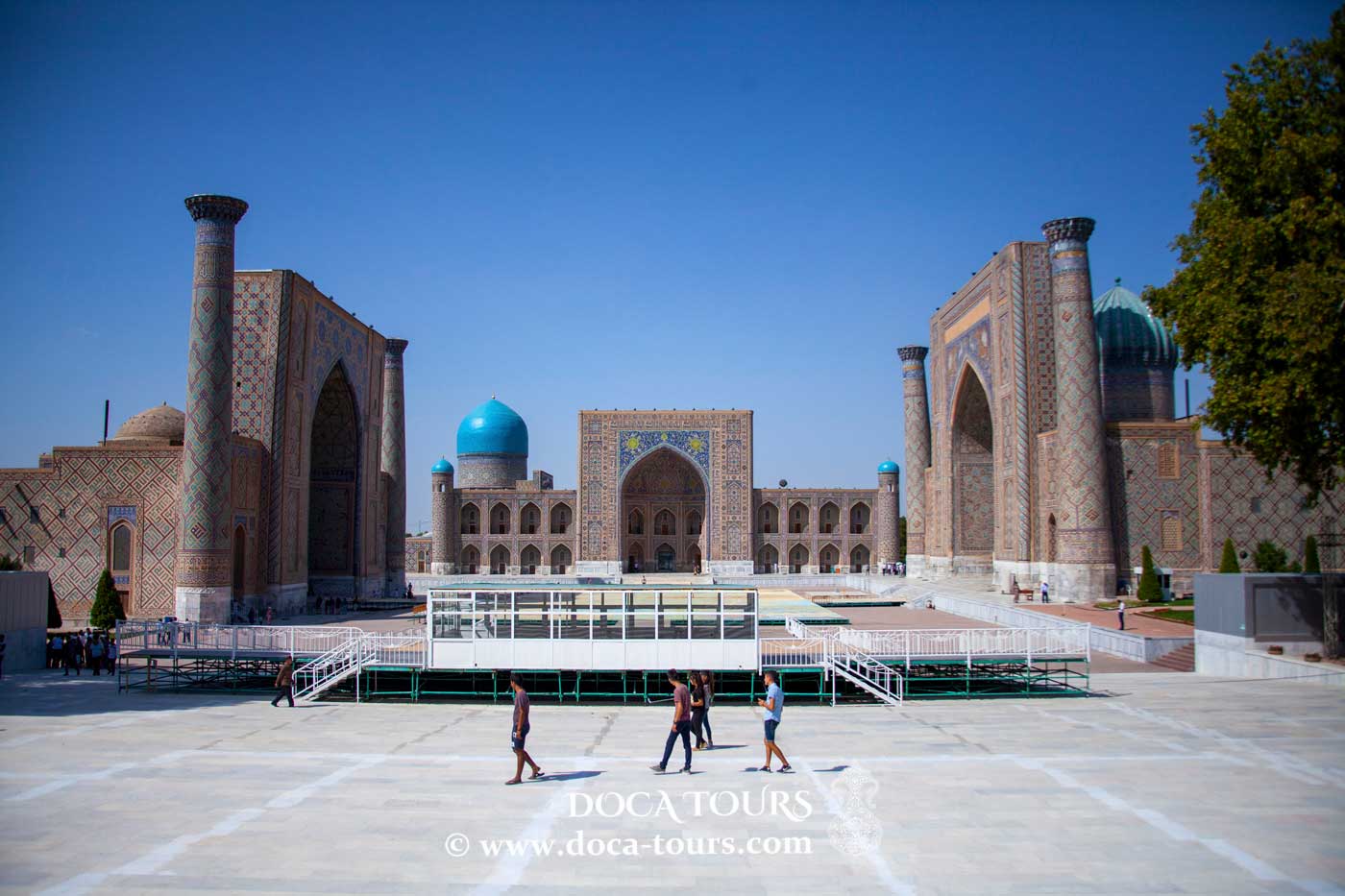
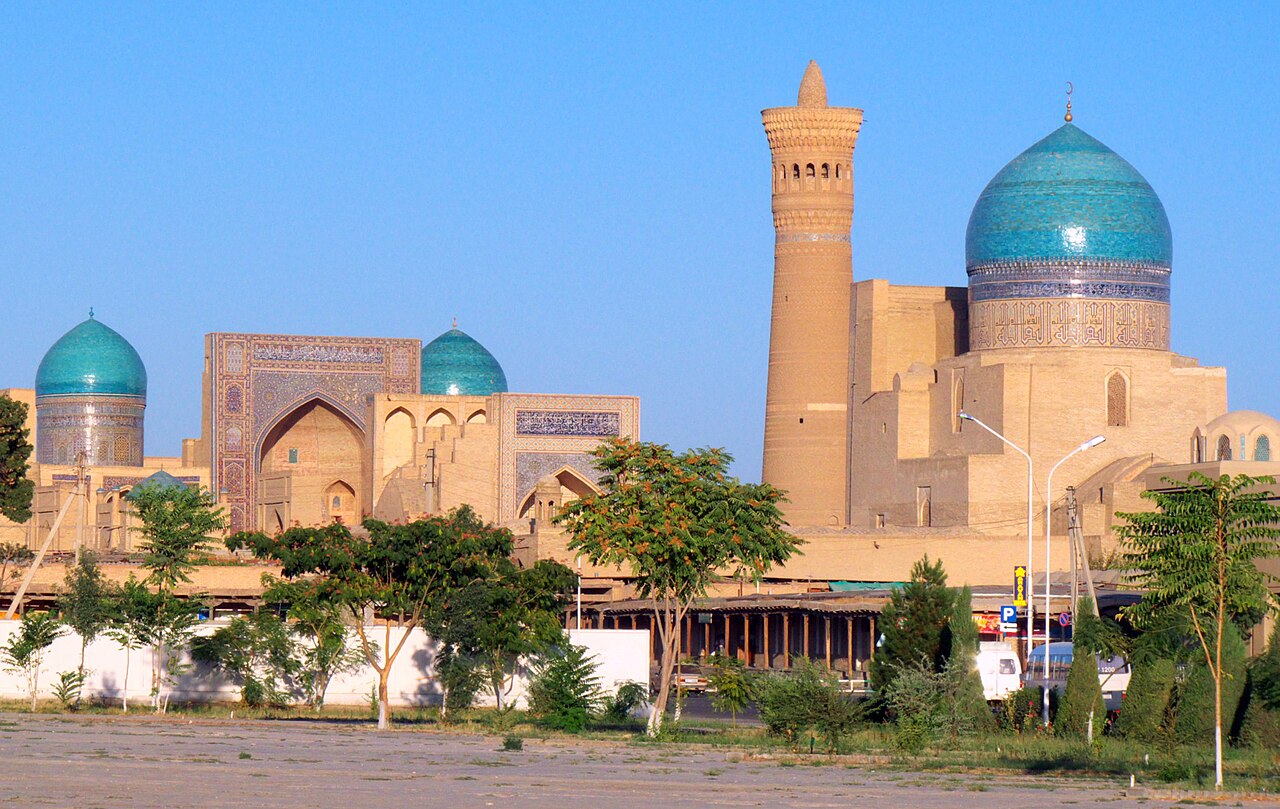
- Uzbekistan: The cultural heart of the Silk Road. Samarkand's Registan, Bukhara's old town, and Khiva's walled Itchan Kala are the headline sights, and fast trains link them.
- Kazakhstan: The largest country, blending the modern capital Astana with the Charyn Canyon and vast steppe. Good for travelers who want cities plus wide-open nature.
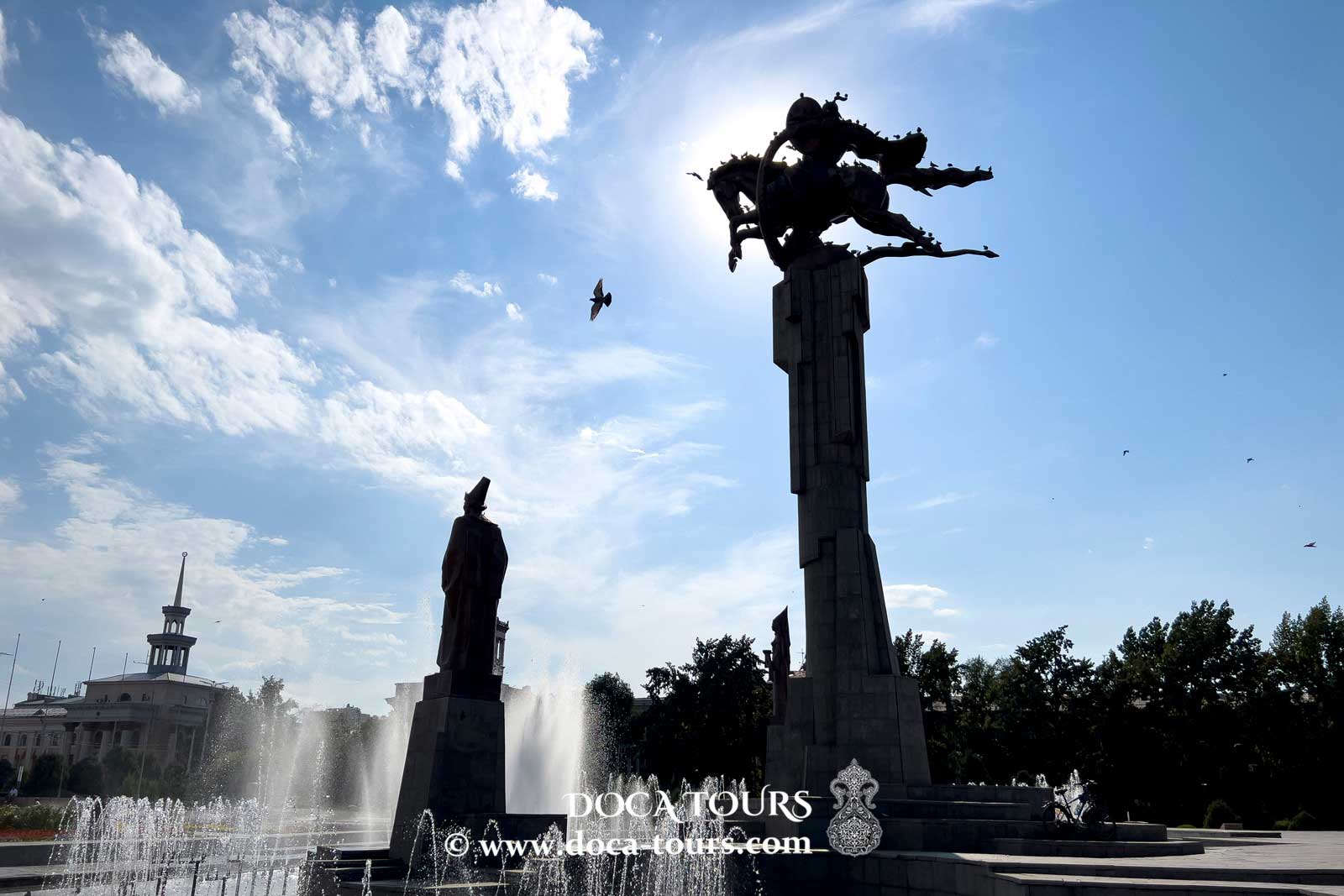
- Kyrgyzstan: Mountains, alpine lakes like Song-Kol, and a living nomadic culture of yurt stays and horse trekking. The pick for outdoor and adventure travelers.
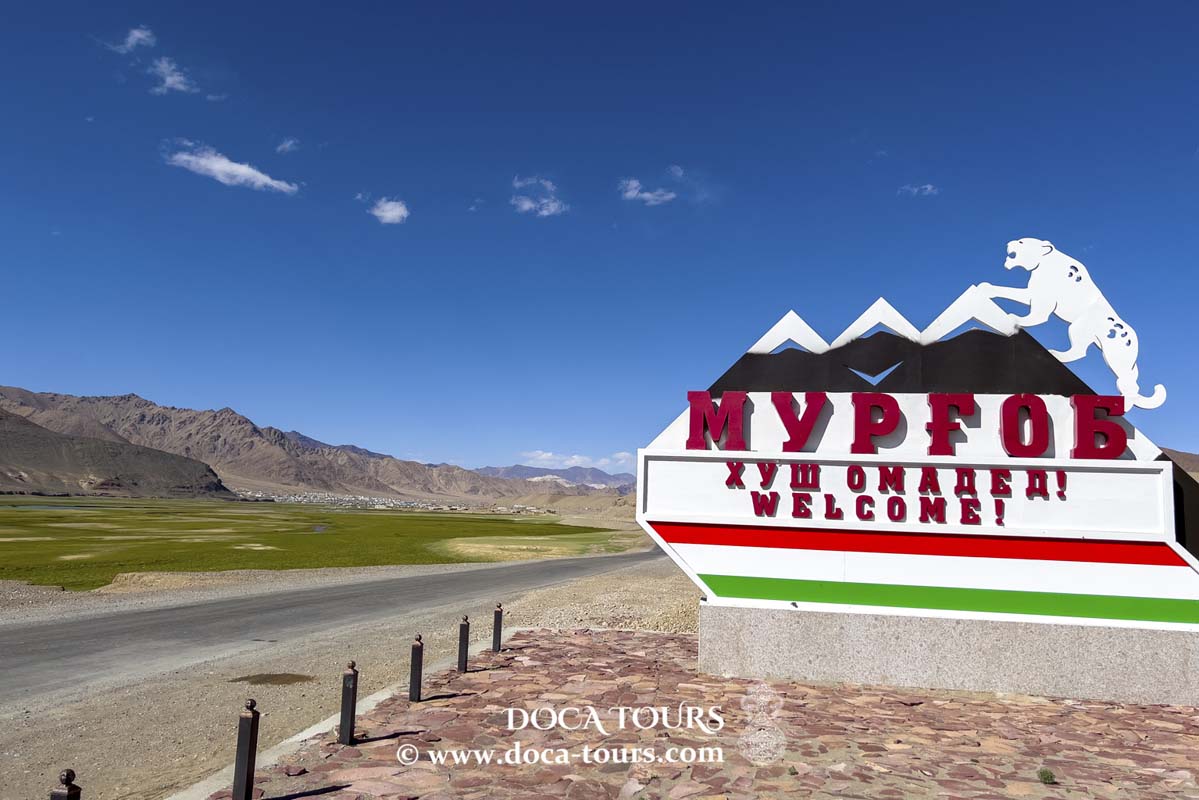
- Tajikistan: Home to the dramatic Pamir Highway, one of the world's great overland drives, plus high-altitude lakes and remote valleys.
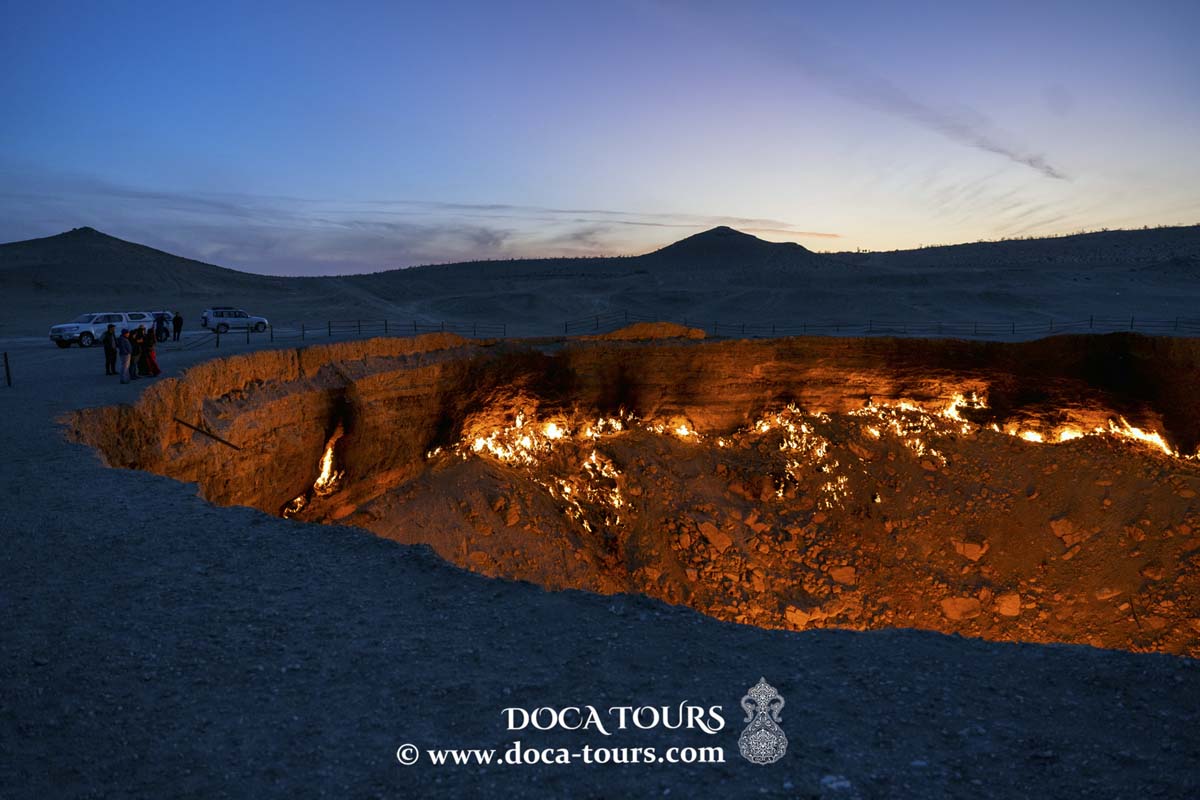
- Turkmenistan: The least visited, known for the ancient ruins of Merv and the burning Darvaza gas crater. Travel here generally requires a visa and a licensed guide.
How Do You Match a Package to Your Time and Interests?
Match the package to your trip length first, then to your interests. A week suits one country done well, two weeks lets you pair two or three Stans, and three weeks opens the full region without a forced march. Regional arrivals have been climbing sharply, as the UN Tourism data dashboard tracks, so popular routes now book out well ahead in spring and autumn.
Use trip length as your anchor:
- 7-10 days: One country in depth, usually Uzbekistan's Silk Road triangle of Samarkand, Bukhara, and Khiva, with Tashkent as the gateway.
- 12-14 days: Two to three countries, for example Uzbekistan plus Kyrgyzstan's mountains, or adding Tajikistan's Fann Mountains.
- 16-21 days: A grand tour across four or five Stans, sensible only if you accept longer travel days and several border crossings.
Then layer in interests. History and architecture travelers should weight Uzbekistan and Turkmenistan. Hikers and nature lovers should center Kyrgyzstan and Tajikistan. Travelers who want a mix of modern cities and landscapes can anchor in Kazakhstan. The best itinerary reflects what you came to see, not a checklist of countries.
Why Booking With a Local Operator Beats Generic Resellers
A local operator arranges guides, drivers, hotels, and permits directly inside the region, which removes the markup a global reseller adds for subcontracting those same services. It also puts current, on-the-ground knowledge behind your trip: border rules, seasonal road closures on routes like the Pamir Highway, and which lesser-known sites justify a detour.
Generic resellers often sell a route they have never driven, relying on the same local ground agents you could reach more directly. When a flight shifts or a road washes out, that extra layer slows the fix. A local team solves it the same day because the drivers and guides work for them.
This is where Doca Tours fits. As an operator based in the region, Doca Tours runs guided packages across all five Stans, handling the Turkmenistan permits, the multi-country logistics, and the local guides firsthand rather than passing your booking down a chain. That direct control is the practical reason to choose a regional specialist over a catalog reseller.
How to Book Your Doca Tours Package
Start by deciding your trip length and the two or three things you most want to see, since those two answers shape every other choice. From there, Doca Tours can propose a fixed group departure if you want the lower price and set dates, or build a private itinerary around your pace and interests.
A practical booking path looks like this: share your travel dates, the countries you are drawn to, and your budget tier. Ask the operator to confirm what the price includes, what it excludes, and which visas or permits you need to arrange yourself. Lock in early for spring and autumn, the region's peak seasons, when the best guides and trains fill first. With the route and inclusions clear, you can book with confidence that the trip matches both your time and your interests.
Frequently asked questions
How long should a Central Asia tour package be?
Plan 7-10 days for a focused trip through one or two countries, such as Uzbekistan's Silk Road cities. For three or more of the Stans, allow 14 days or longer so border crossings and travel time do not crowd out the sights.
Are group tours or private tours better for Central Asia?
Group tours are cheaper and social, with fixed departure dates. Private custom tours cost more per person but let you set the pace, choose your hotels, and adjust the route. Families and special-interest travelers usually prefer private itineraries.
Do I need visas for a multi-country Central Asia trip?
Many nationalities now enter Uzbekistan, Kazakhstan, and Kyrgyzstan visa-free for short stays, while Tajikistan and Turkmenistan have stricter rules. Turkmenistan generally requires a visa and a licensed guide. Confirm current requirements with your operator before booking.
Why book with a local Central Asia operator instead of a global reseller?
Local operators arrange guides, drivers, and permits directly, so you avoid the markup a reseller adds for subcontracting the same services. They also know border rules, seasonal road conditions, and which sites are worth the detour.