

























Zahiriddin Muhammad Babur: A Life Between Sword and Quill
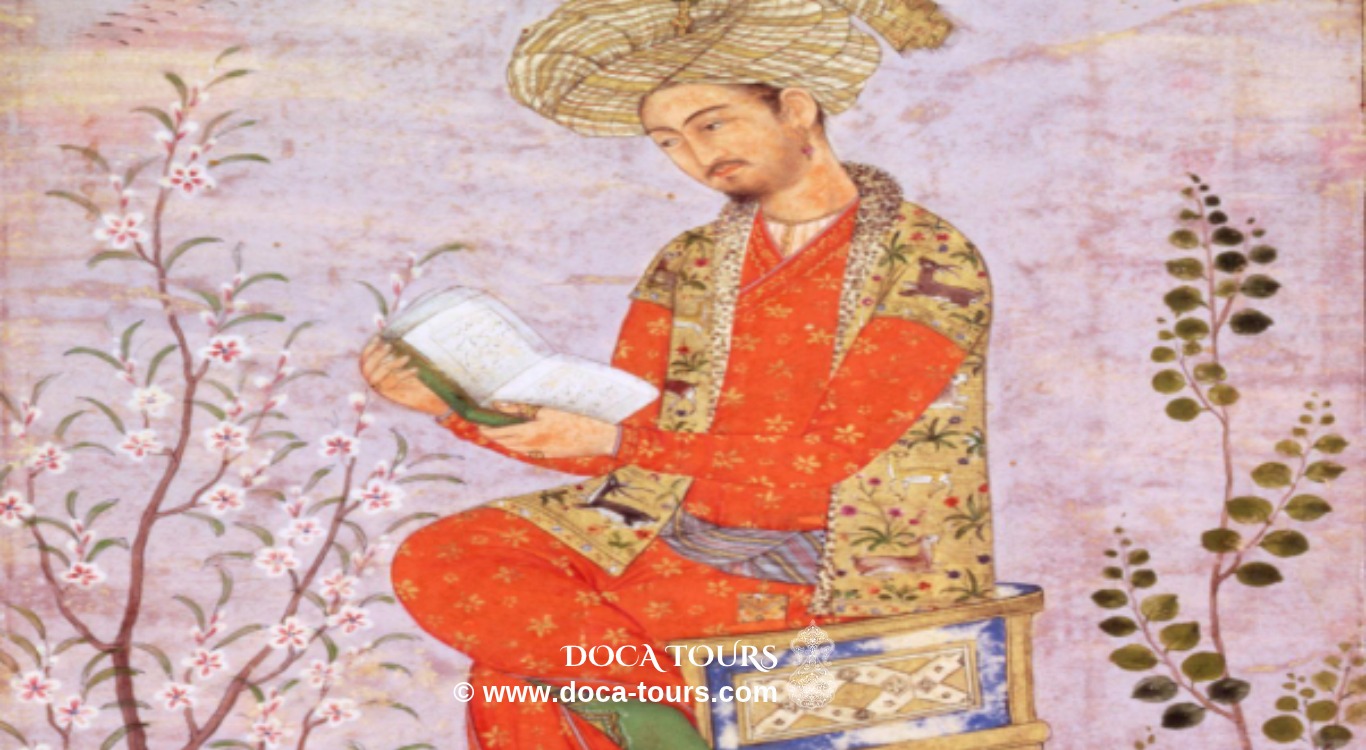
Zahiriddin Muhammad Babur is one of the most prominent personalities in Central Asian and world history.
Born on February 14, 1483, in the city of Andijan, he united incomparable talents as a statesman, a brilliant military commander,
historian, geographer, and stellar poet in a single person. As a direct fifth-generation descendant of Amir Timur, he not only shaped
the history of his homeland but also laid the foundation for one of the most powerful empires in the world. When you travel through
the Fergana Valley with DOCA TOURS, you walk directly in the footsteps of his eventful childhood and youth.
The Early Years in the Fergana Valley and the Struggle for Samarkand
Babur was the son of Umar Shaykh, the then-ruler of the Fergana Province, and the educated Qutlug Nigor Khanum,
who actively supported him in state governance and on military campaigns. At the tender age of just 12, Babur ascended
the throne in 1494 after his father tragically lost his life. Because of his bravery and fearlessness, he was given
the moniker "Babur" in his youth, which translates to "lion." The following years were extremely turbulent.
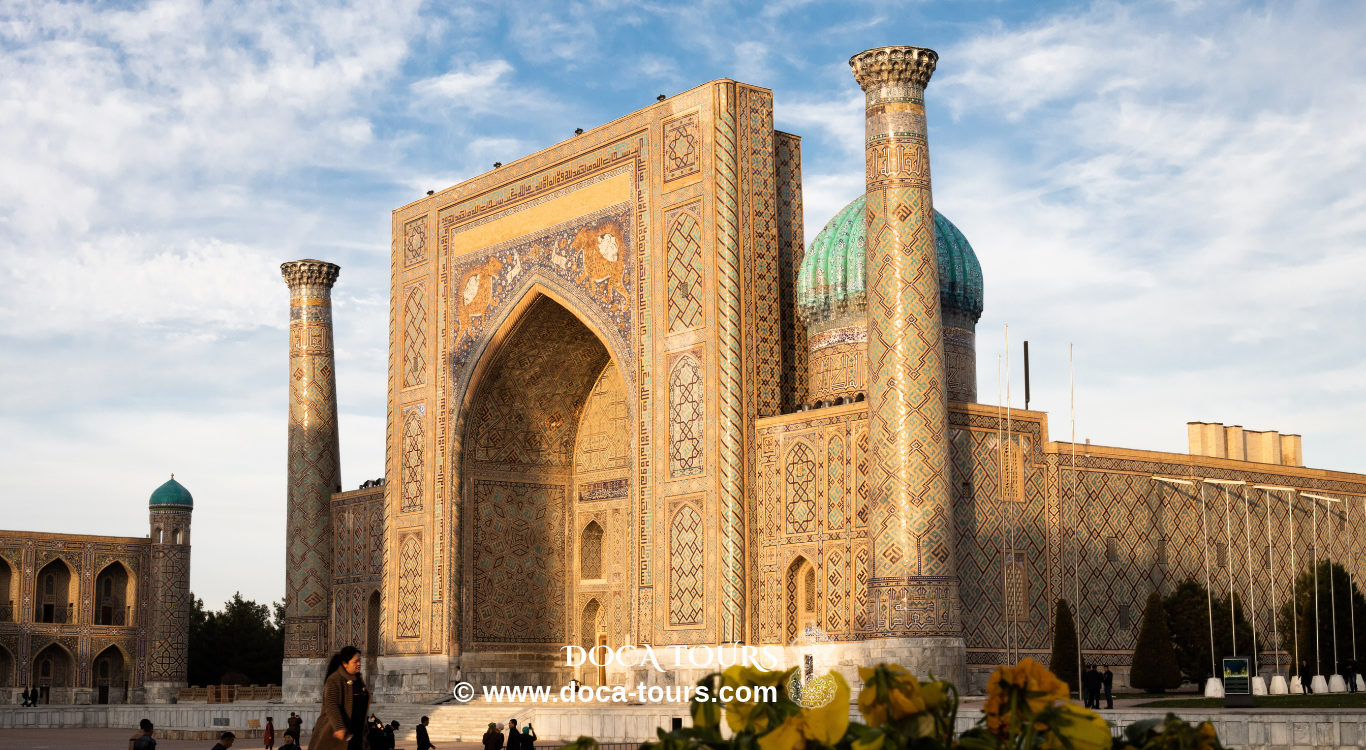
At the end of the 15th century, Transoxiana was fragmented into many independent provinces where rival Timurid princes fought for power.
Babur's primary political goal was to conquer the capital Samarkand and maintain a strong, centralized state in order to restore
the great empire of Amir Timur. Despite his persistent efforts and multiple captures of Samarkand, severe economic crises and constant attacks by
Uzbek troops under Shaybanid rule eventually forced him to leave his beloved homeland.
From Kabul to the Founding of the Mughal Empire in India
In 1504, Babur crossed the mountains with a loyal band of just 200 to 300 warriors and successfully captured Kabul in Afghanistan.
Here he proved himself to be a wise and energetic ruler who not only conquered the country but also made it flourish through
the construction of beautiful gardens (such as the Bagh-e Babur), the promotion of agriculture, and strict discipline.However,
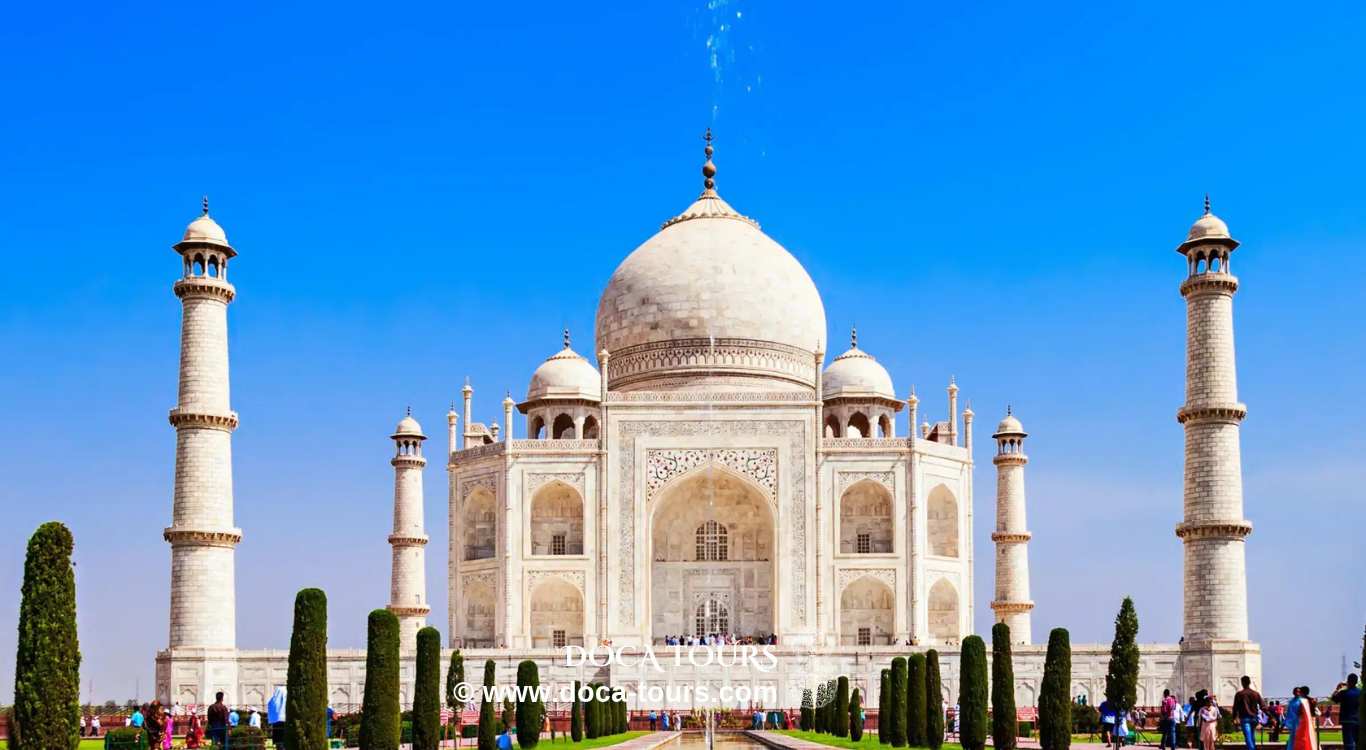
his greatest military triumph was yet to come: In April 1526, Zahiriddin Muhammad Babur decisively defeated the army of the Sultan
of Delhi, Ibrahim Lodi, in the historic First Battle of Panipat. Although his opponent advanced with 100,000 soldiers, Babur achieved a crushing victory
with only 12,000 warriors and captured Delhi. This triumph marked the beginning of the powerful Baburids dynasty (often referred to as the Mughal Empire),
which would rule India for over 300 years. The Indian statesman Jawaharlal Nehru later praised Babur's influence, noting that he brought fresh air into the life,
art, and architecture of India by blending Central Asian culture with local traditions.
The Immortal Literary Legacy: The Baburnama
Alongside his military successes, Babur was an extraordinary poet and scholar.
He always surrounded himself with scholars, musicians, and artists, and already during his second conquest of
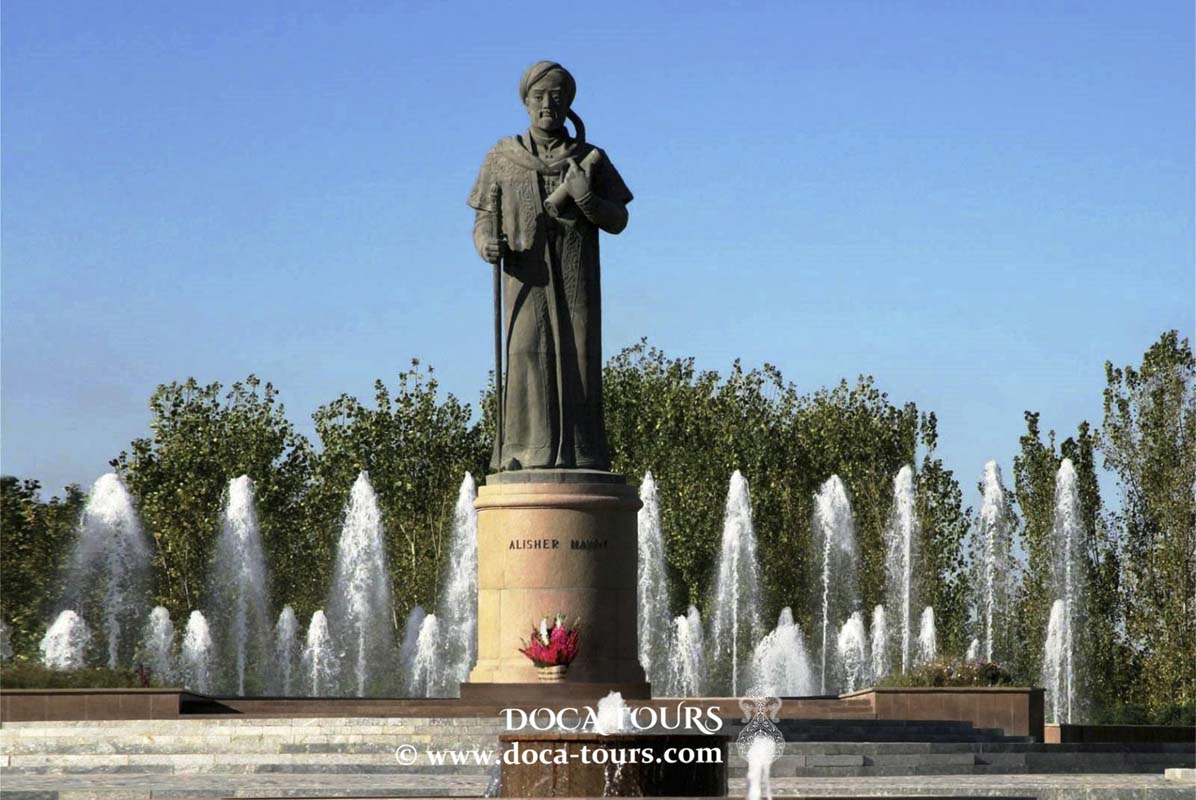
Samarkand, he maintained a close correspondence with the great poet Alisher Navoi. In his delicate ghazals and rubaiyats,
he expressed his deep longing for his homeland of Andijan, his love, and the pain of life's blows of fate. His world-famous masterpiece is
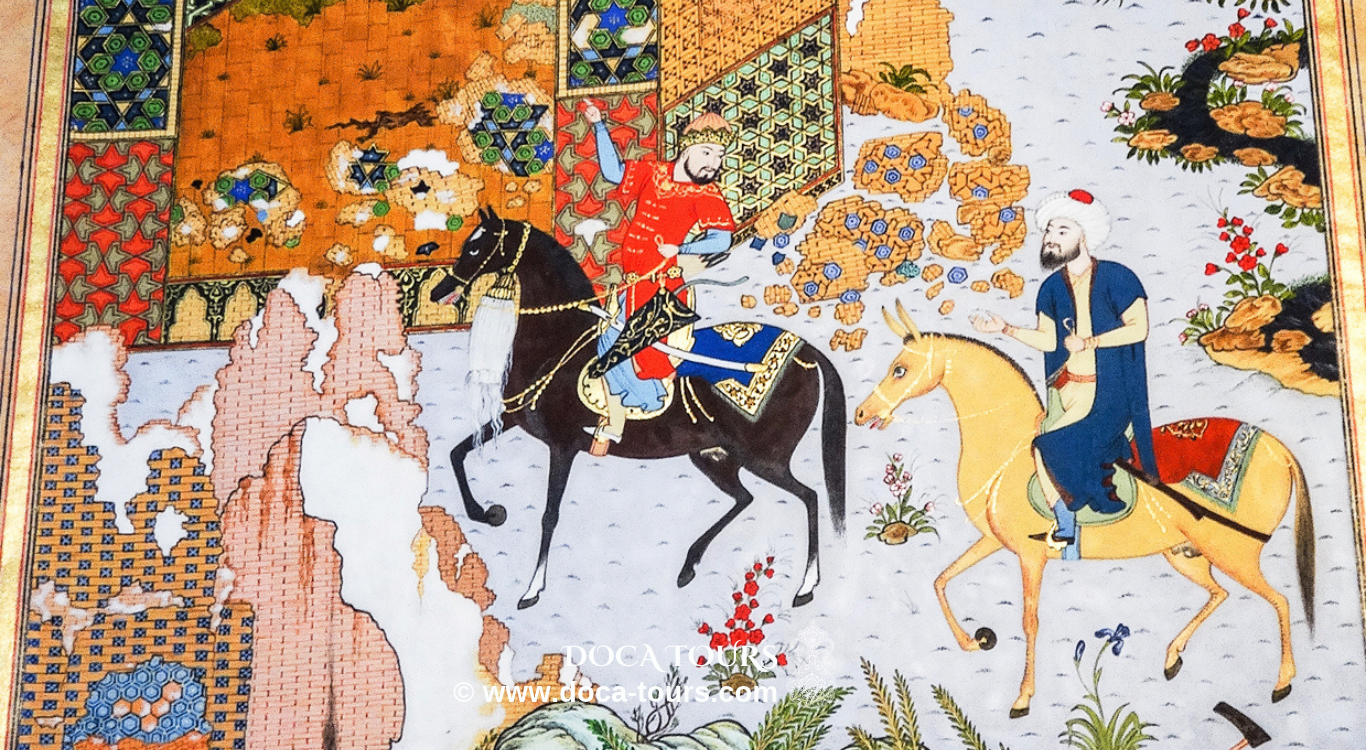
the Baburnama, a comprehensive autobiographical and historical chronicle that he began working on intensely in 1518.
The work is divided into three parts and provides invaluable, detailed information about political events, geography,
and the lives of the peoples in Transoxiana, Afghanistan, and Northern India. In addition, he authored legal treatises such as
the Mubayyin and simplified the Arabic alphabet for the Turkic language with the Khatt-i Baburi.
Frequently Asked Questions (FAQ) about Zahiriddin Muhammad Babur
Who was Zahiriddin Muhammad Babur? He was a descendant of Amir Timur, born in Andijan, a gifted poet,
and the glorious founder of the powerful Baburids dynasty in India.
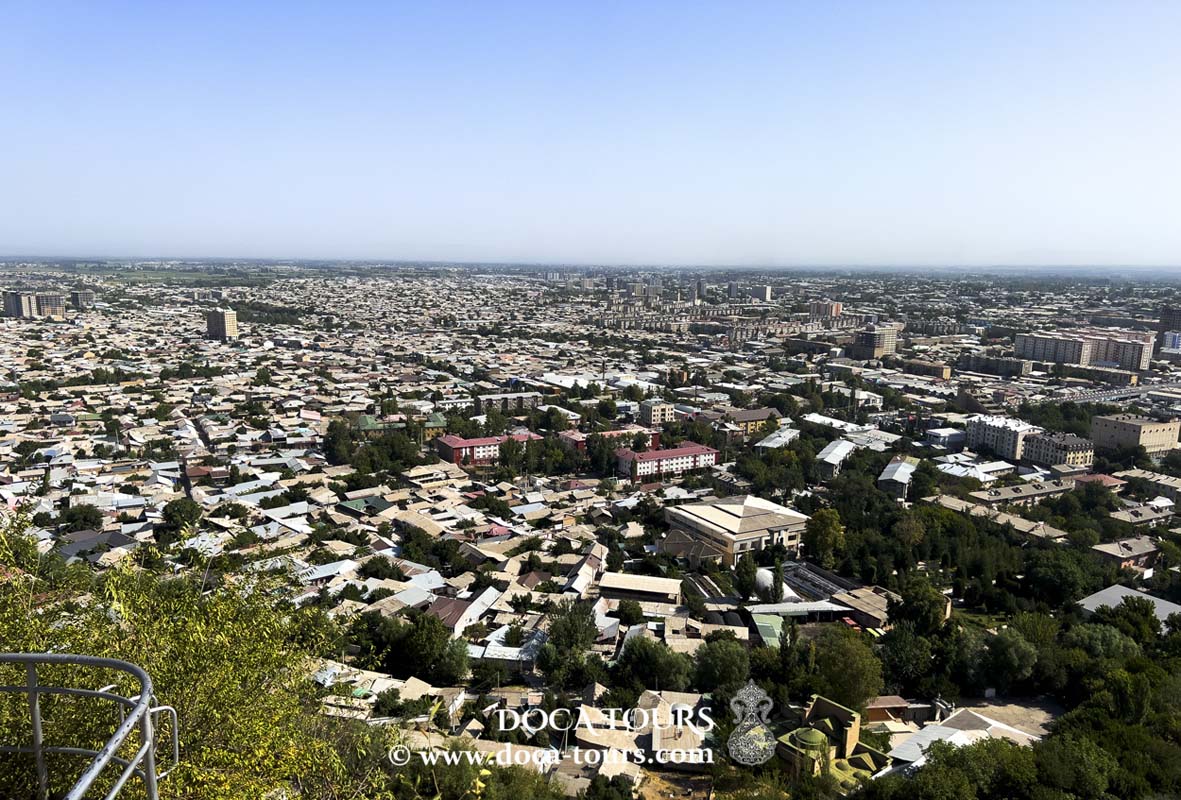
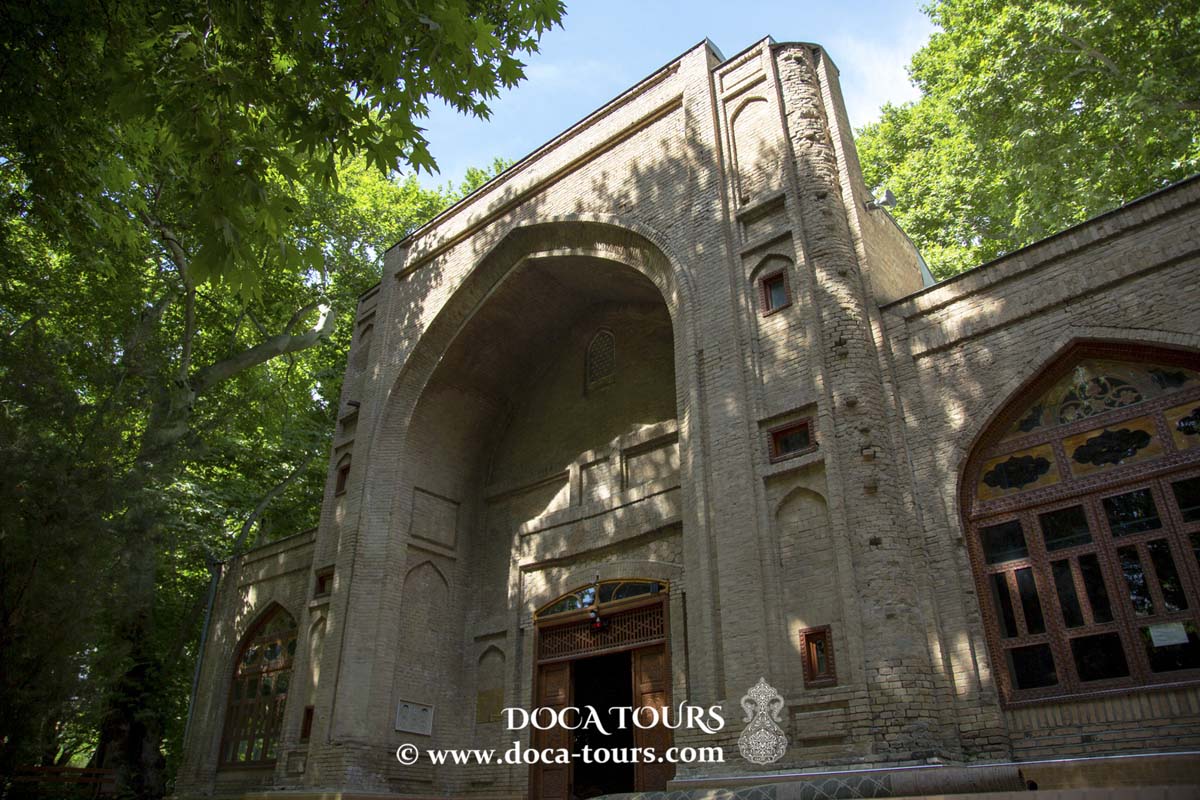
Where can I see his legacy in Central Asia today? His birthplace of Andijan in the Fergana Valley is the center of his modern remembrance.
There, visitors can explore a large national park housing a museum dedicated to him, a symbolic tomb, and impressive monuments.
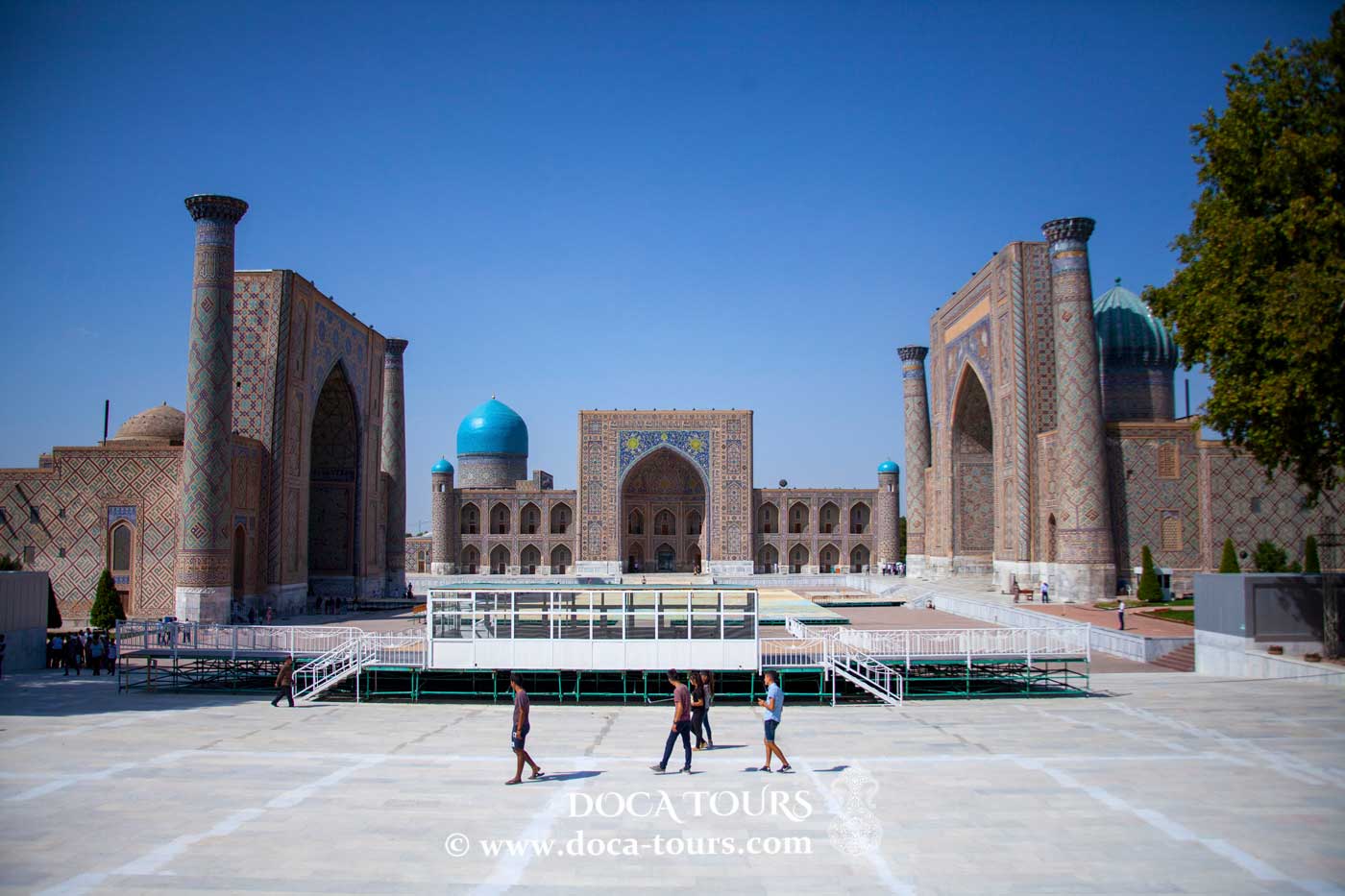
In Samarkand—for which he fought long and hard—the historical influences of this era are also omnipresent.
What is the historical significance of the Baburnama? The Baburnama is Babur's personal masterpiece and is recognized worldwide as one of
the most important historical sources on Central Asia, Afghanistan, and India during the 15th and 16th centuries.
Where is Babur buried? Zahiriddin Muhammad Babur passed away on December 26, 1530, at the age of 47 in Agra, India.
In accordance with his own wishes, his remains were later moved to Kabul and buried in the garden he established, Bagh-e Babur.
Can I book a trip to these historical locations? Yes, the Fergana Valley and cities like Samarkand can be wonderfully integrated
into a private round trip. DOCA TOURS organizes customized journeys that perfectly combine cultural experiences, historical guided tours,
and the authentic atmosphere of the Silk Road.
Planning your private tour? DOCA TOURS organizes fascinating cultural journeys into the Fergana Valley and to Andijan,
where you can immerse yourself in his history. Contact us today for your customized tour along the Silk Road!