






























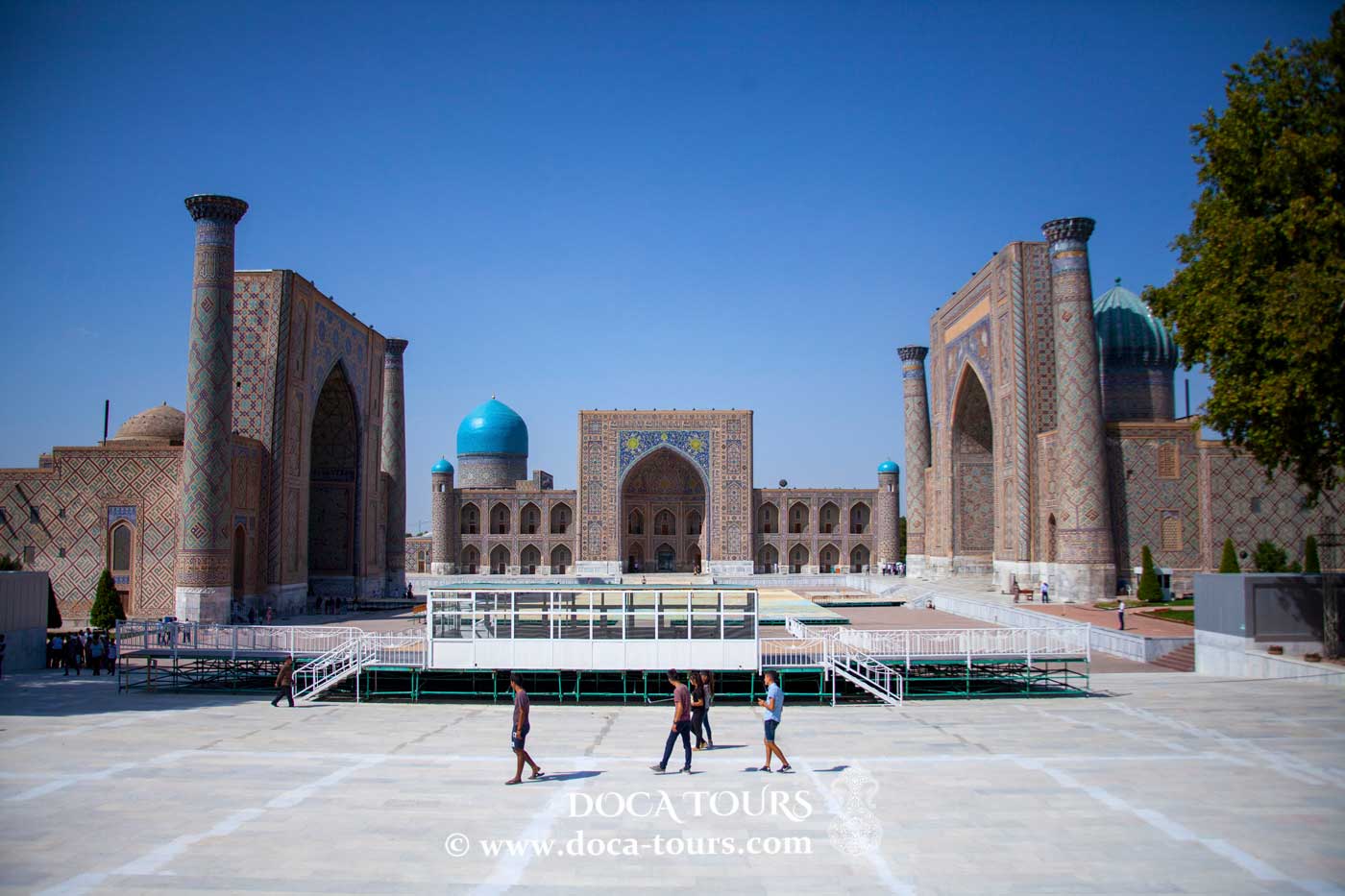

Uzbek National Dolls: A Mirror of Culture and History
When walking through the vibrant bazaars of Central Asia, your eyes will instantly be drawn to these colorful works of art.
Uzbek national dolls are much more than just a vibrant gift; they are unique masterpieces that unite the rich history, customs, and culture of the country.
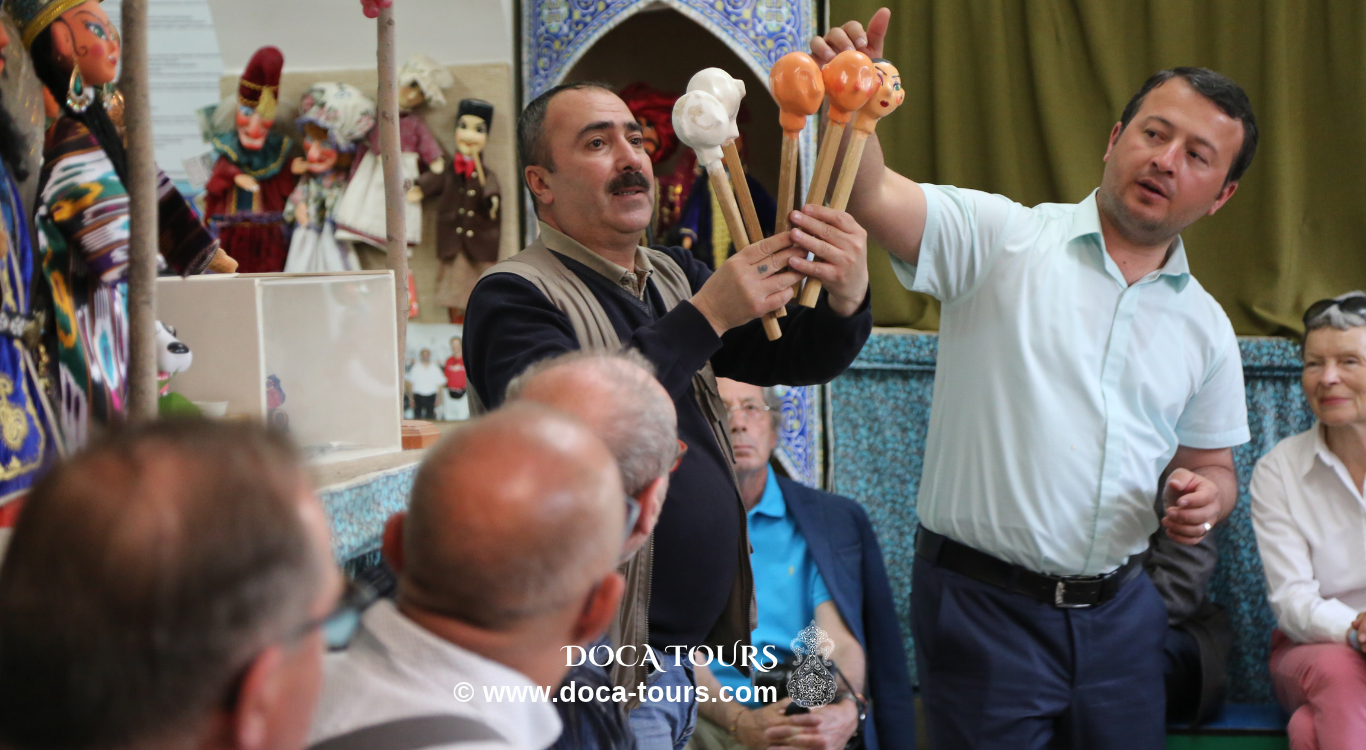
Each individual doll is handcrafted by Uzbek masters from natural materials such as fabric, wood, clay, and paper-mâché, making every single piece an absolute one-of-a-kind.
On a tour with DOCA TOURS, you will meet the creators of these fascinating small works of art and dive deep into their history.
Masterful Craftsmanship and Regional Styles
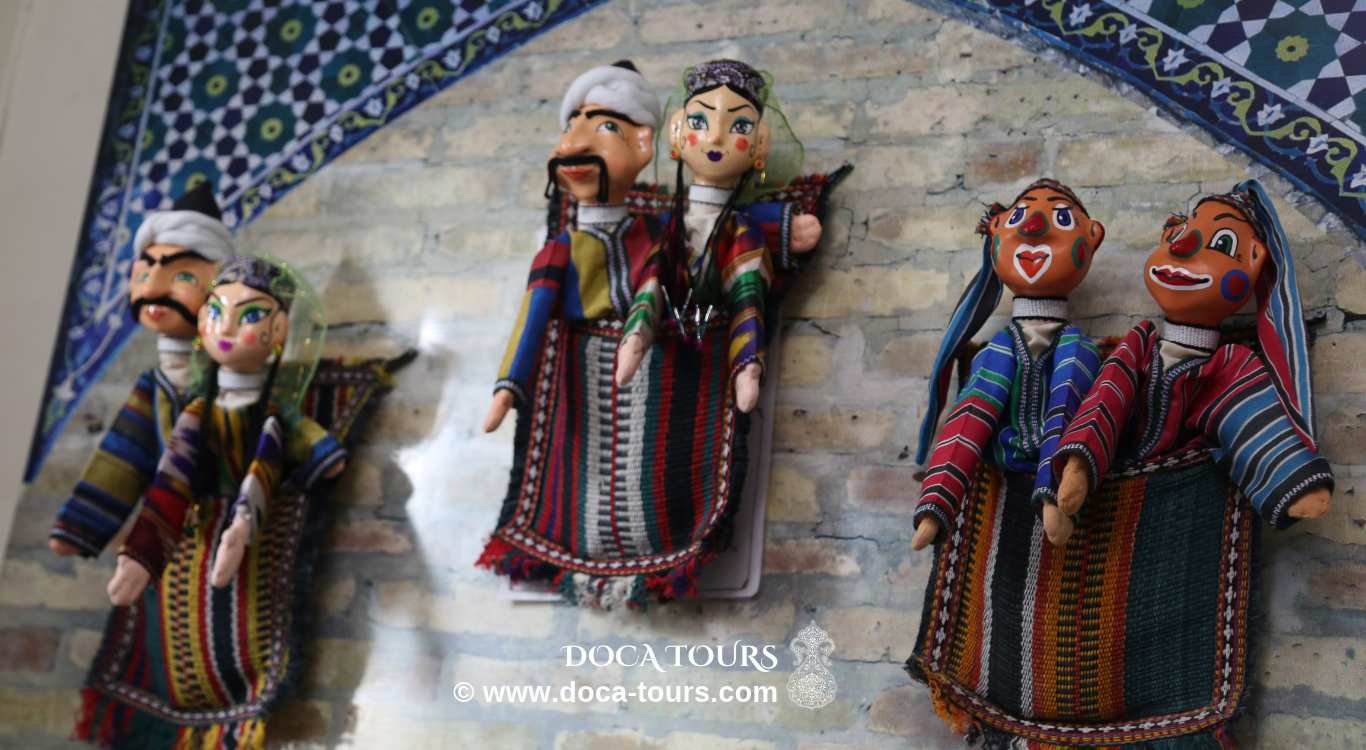
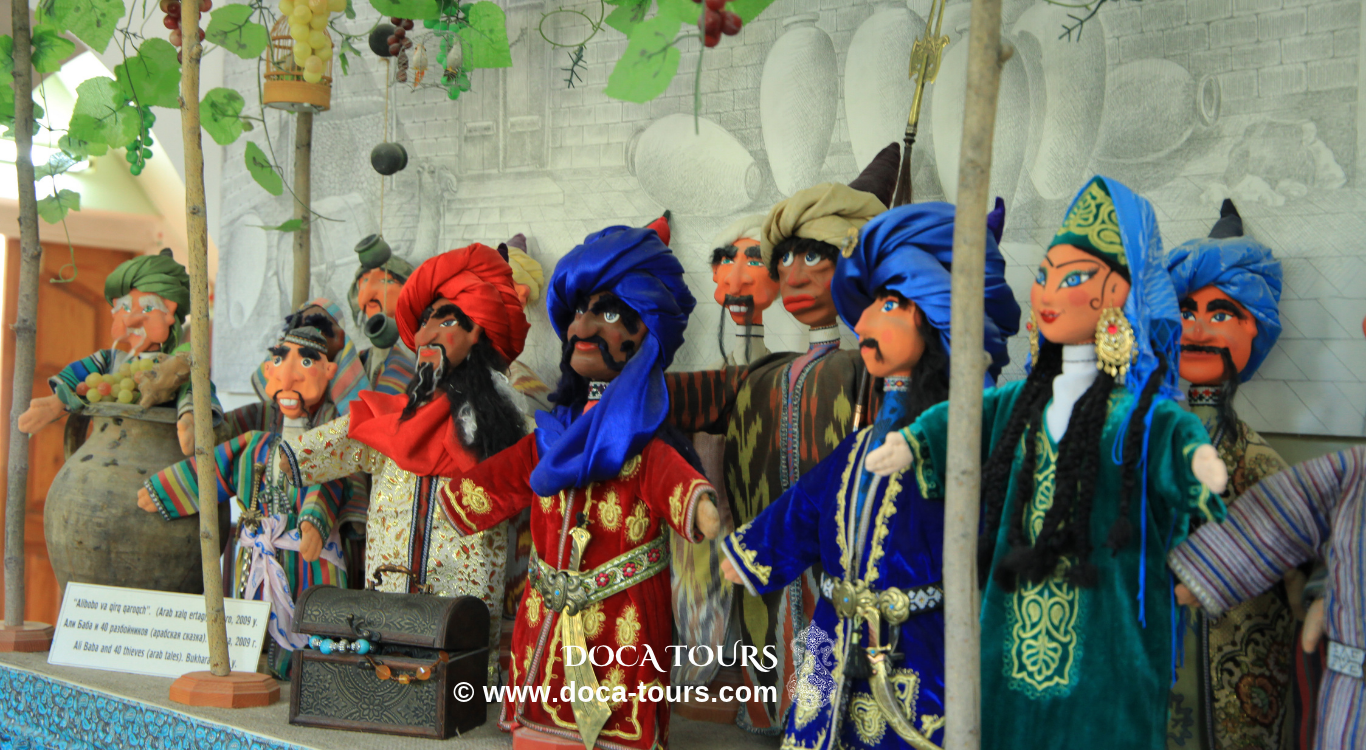
A special feature of the Uzbek art of doll-making is the detailed representation of traditional regional clothing.
Over time, each region of Uzbekistan has developed its own unmistakable style that perfectly reflects local customs.
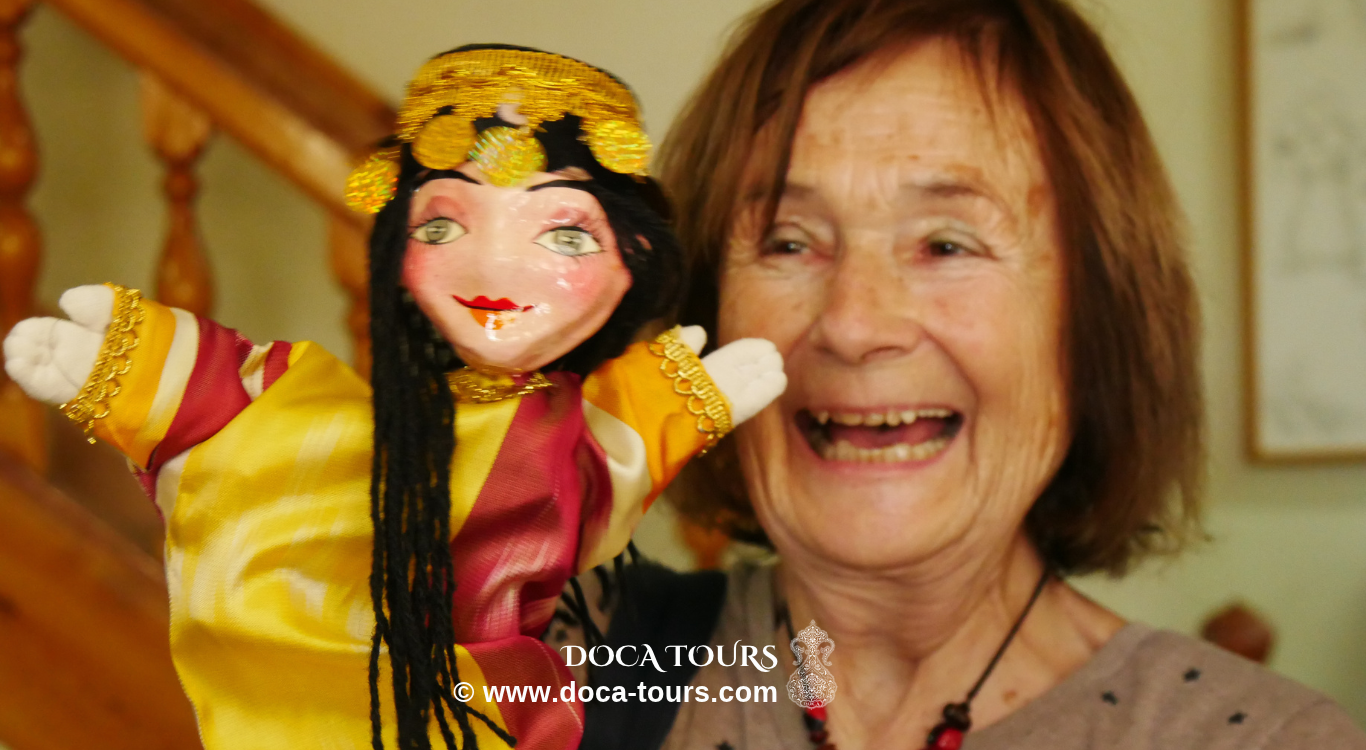
The dolls wear authentic miniature garments, such as coats and dresses made from the famous adras or atlas fabrics.
They are often adorned with beautiful little doppis (caps) and patterned scarves. The harmony of colors, patterns,
and jewelry is carefully selected by the masters to emphasize the national spirit and regional identity.
One of the historically most significant and famous schools for the creation of these works of art is the Bukhara doll-making school.
The Fascinating History of Puppet Theater
The art of puppetry in Uzbekistan looks back on centuries of history, with roots dating back to the time of Alexander the Great.
According to legend, it was the ancient Greeks who brought the first puppets to the territory of present-day Uzbekistan.
However, this art form initially fell into oblivion until it experienced a brilliant rebirth during the Timurid era.
At that time, skilled puppeteers (masxaraboz) appeared on the streets and bazaars of Mawarannahr, delighting local audiences with their lively performances.
The Three Classical Types of Puppetry in the 15th CenturyThis is a title
By the 15th century, puppet theater had developed extensively in Khorasan and Mawarannahr.
There were three main types that differed fundamentally in their technique and content:
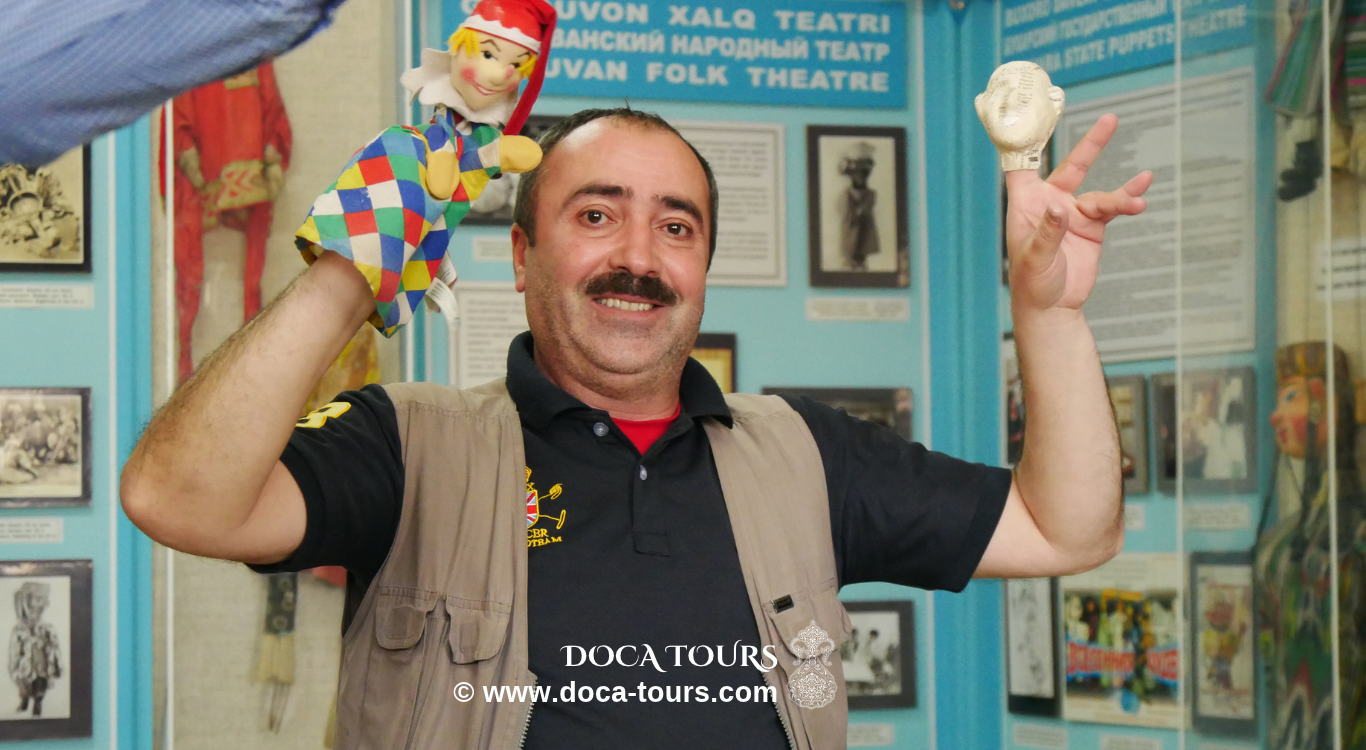
Chodir jamal (Hand Puppets): These puppets were manipulated directly on the hand.
The plays depicted real everyday life and social problems, with the masters using sharp satire
and humor to denounce social grievances and the greed of officials.2.3.Chodir xayol (Marionettes):
These figures were masterfully controlled with strings and dedicated primarily to mythological
and legendary tales.4.5.Fonus xayol (Shadow Play): A fascinating art form that utilized shadows to visually bring heroic folk epics
and grand legends to life.6.During these performances, the so-called "Korfarmon"—an experienced master
and group leader—played a central role. He stepped before the audience,
spoke directly with the puppet characters, and thus brilliantly bridged the stage with the spectators.
Cultural Significance and the Perfect Souvenir
Today, puppet theater continues to fulfill an important cultural mission.
There are currently 11 state puppet theaters in the republic that stage both national and international plays for young audiences.
This art imparts essential values such as beauty, friendship, justice, honesty, and diligence to the younger generation.
For travelers, Uzbek national dolls are not only beautiful to look at, but also extremely practical.
Due to their compactness and lightness, they are ideally suited as a souvenir to take a piece of Uzbekistan back home.
Furthermore, they are regarded as a symbol of good wishes, pure joy, and prosperity.
Frequently Asked Questions (FAQ) about Uzbek National Dolls
What materials are the dolls made from? The masters use exclusively natural materials such as wood, clay, paper-mâché, as well as high-quality silk
and cotton fabrics like adras and atlas.
What significance do the dolls hold as a gift? They make a wonderful present because they not only embody the beauty and history of the country,
but also symbolically convey joy, prosperity, and good wishes to the recipient.
Does traditional puppet theater still exist in Uzbekistan today? Yes, the art form is very much alive. Alongside numerous street festivals and bazaars, there are currently 11 state puppet theaters in the country that actively cultivate and pass on this cultural heritage.
Planning your private tour? DOCA TOURS organizes individual and unforgettable experiential journeys throughout Uzbekistan for you. Contact us today to plan your customized itinerary into the heart of the Silk Road!