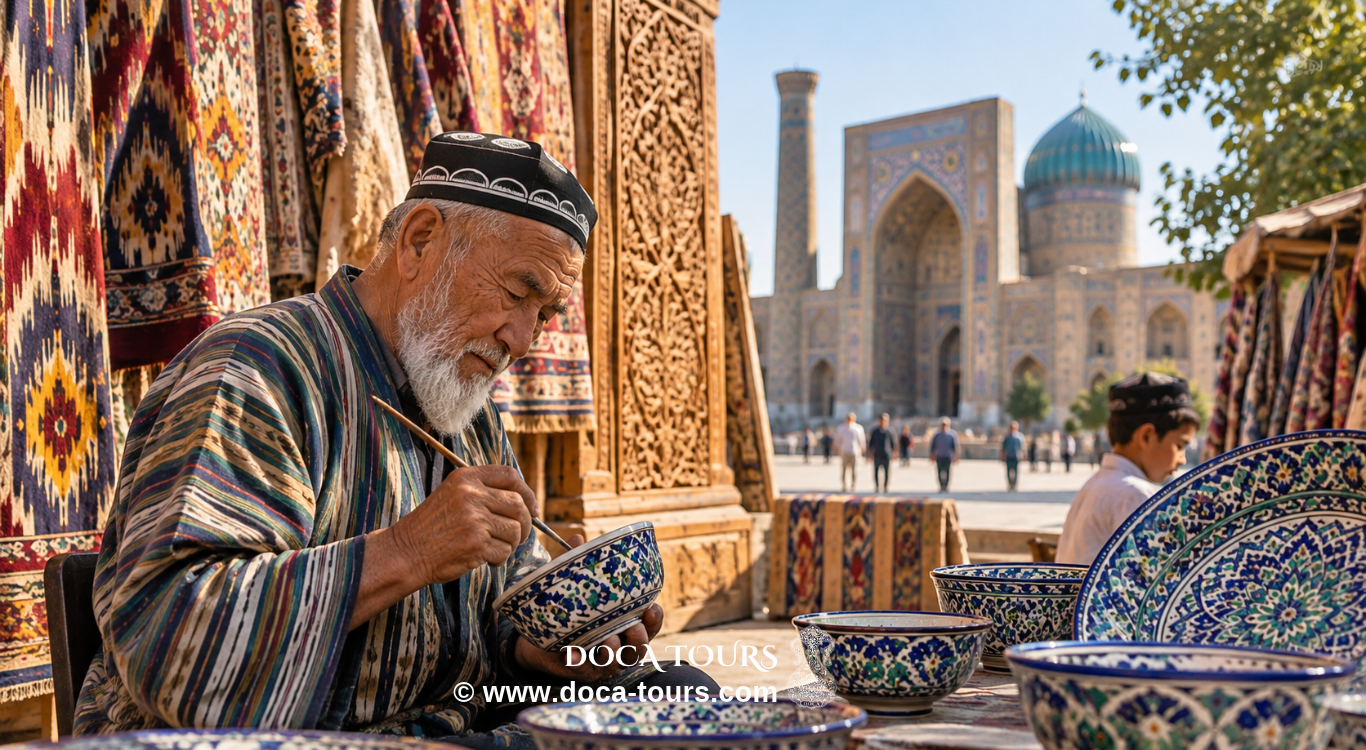



































Uzbek applied arts have developed over centuries, reflecting the rich cultural and historical heritage of our people.
Applied arts objects not only provide aesthetic pleasure but also fulfill a practical function in everyday life.
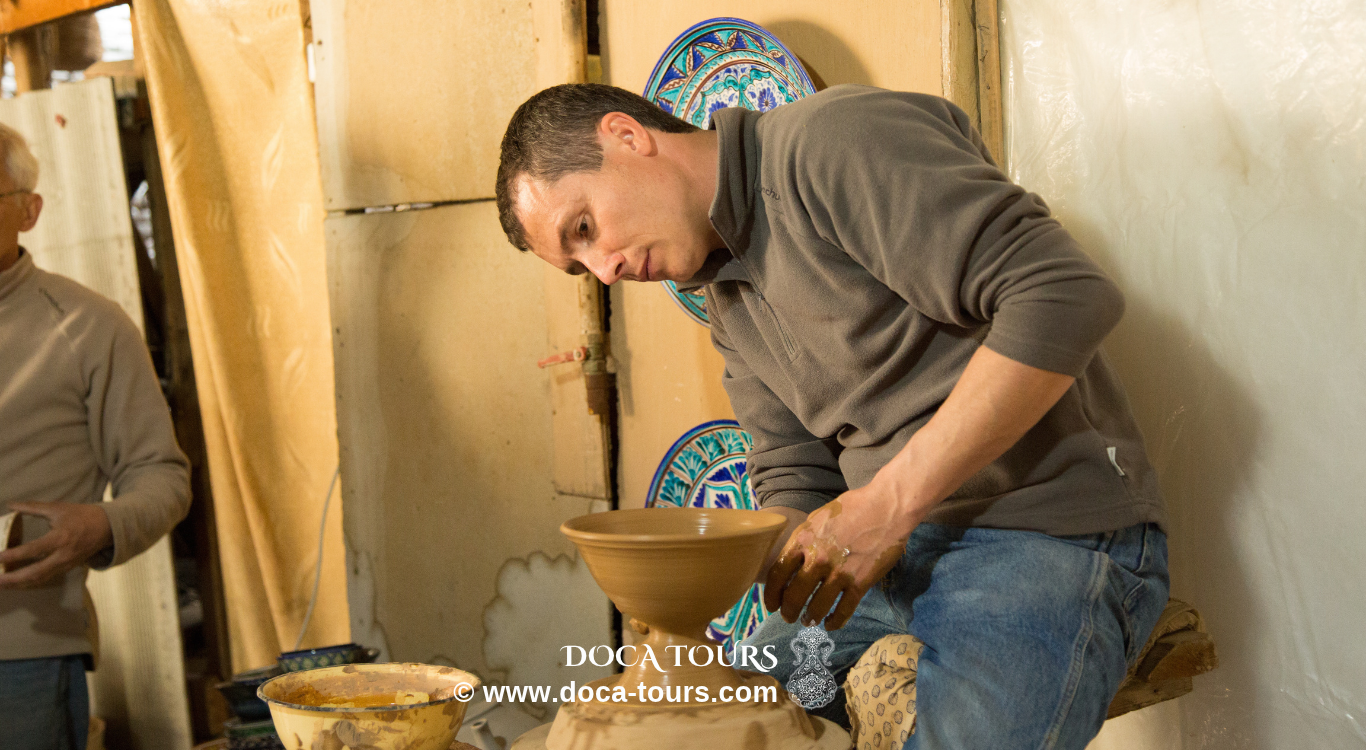
The secrets of craftsmanship have long been passed down from generation to generation based on the "master-apprentice" (Usta-Shogird) traditions.
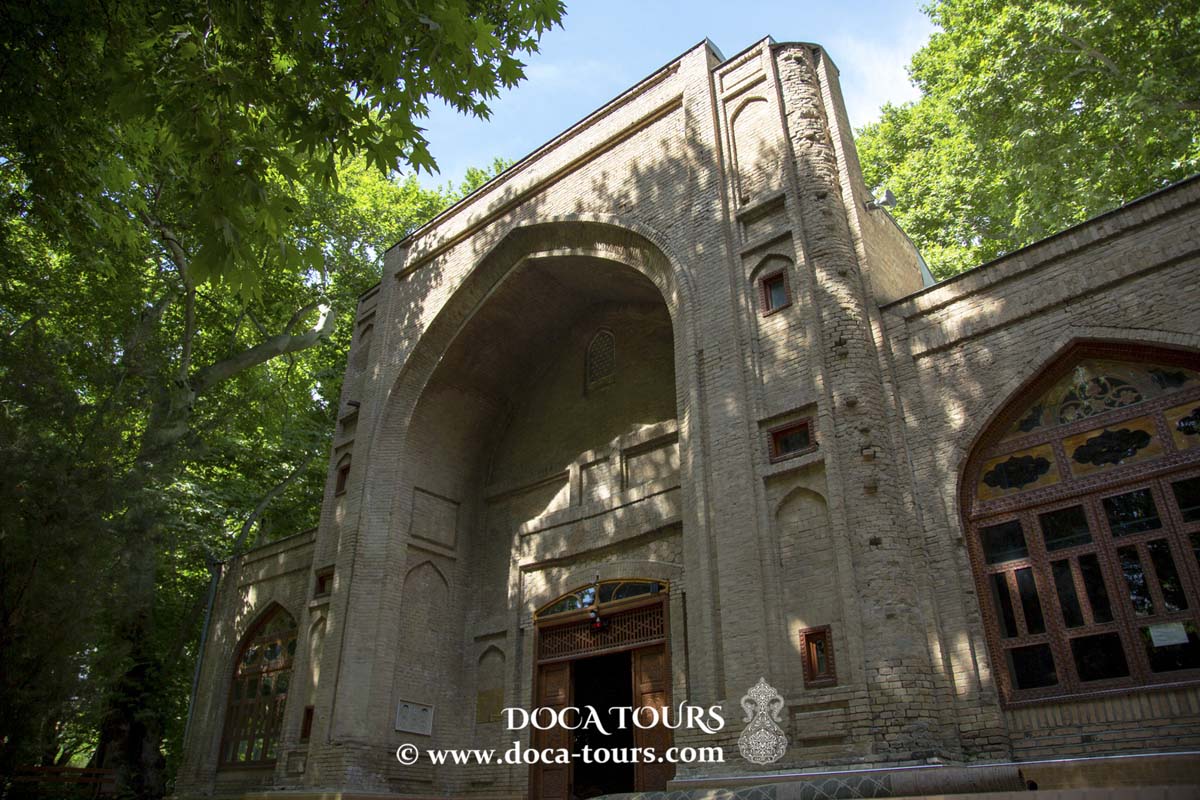
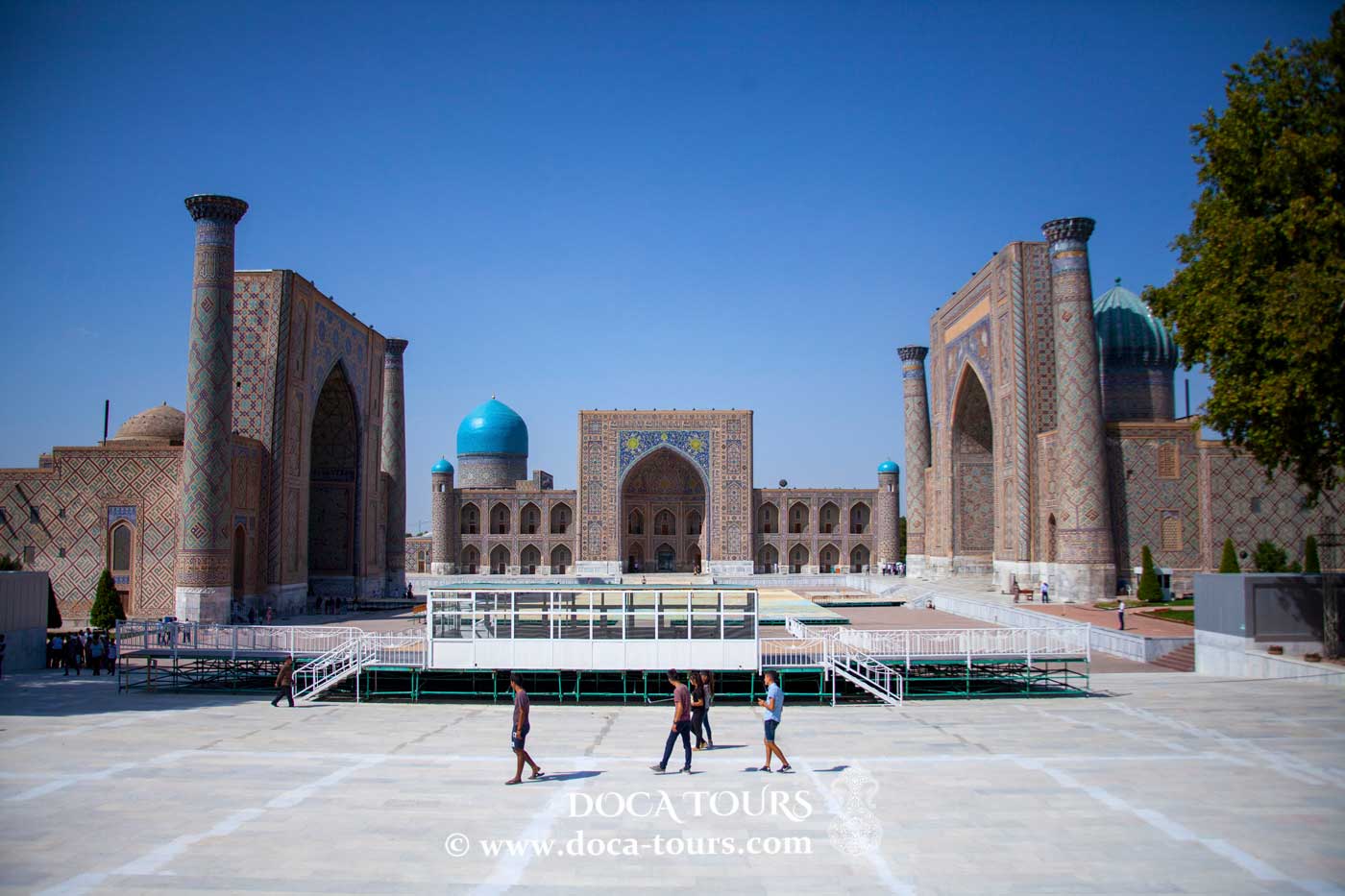
Historical cities such as Samarkand, Bukhara, Khiva, and Kokand are world-famous for their unique types of decorative applied arts.
Uzbek Applied Arts: History, Types, and Rich Cultural Heritage
Uzbek applied arts, shaped over the centuries-old history of the Uzbek people, constitute the most prominent part of our rich and colorful cultural heritage. Since the dawn of humanity, people have strived through labor to beautify items used in daily life. Works of applied art not only aesthetically enrich the material environment, but through their appearance, structure, and characteristics, they also influence human psychology and mood.
Special Characteristics and Types of Applied Arts
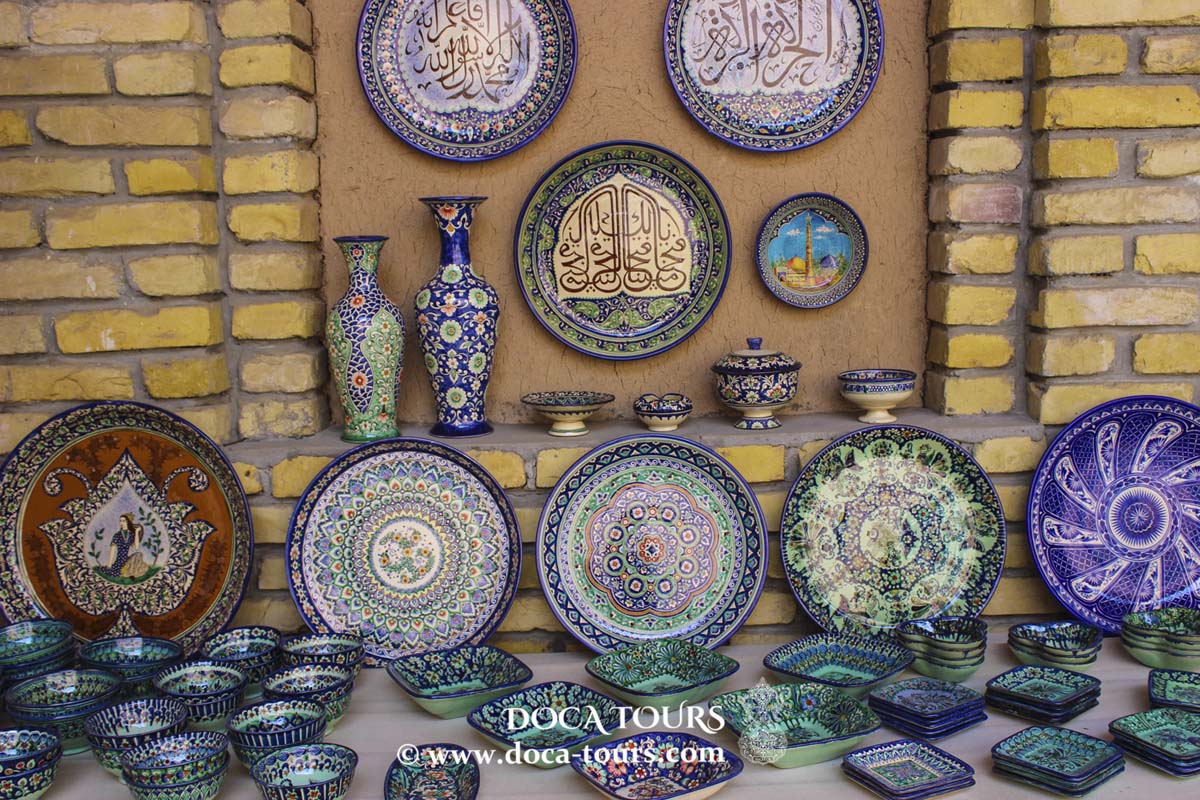
The forms of applied arts that originated on Uzbek soil are world-famous for their uniqueness and distinctiveness. The harmony of patterns and visual arts further enhances the artistic value of the objects.
Jewelry and Gold Embroidery (Zardožlik): Ornaments made from gold, silver, and precious stones have always stood out for their special appeal.
Ganch (Stucco) and Wood Carving: Handcrafted works by master artisans play a crucial role in decorating architectural monuments.
Regional Diversity: Ceramics from the Fergana Valley, jewelry-making from Bukhara, and wood carving from Khiva have each created their own distinct and unique schools.
Master-Apprentice Traditions and Future Generations
It is one of our most important tasks to properly pass on the rich experience left by our ancestors to future generations and to honor them. The secrets of craftsmanship have been carefully guarded and handed down from generation to generation over centuries. Even today, learning, preserving, and cherishing these ancient art forms serves to elevate the spiritual awareness of our society.