


























Video: https://www.youtube.com/watch?v=MVpkdd1EpyY&t=29s
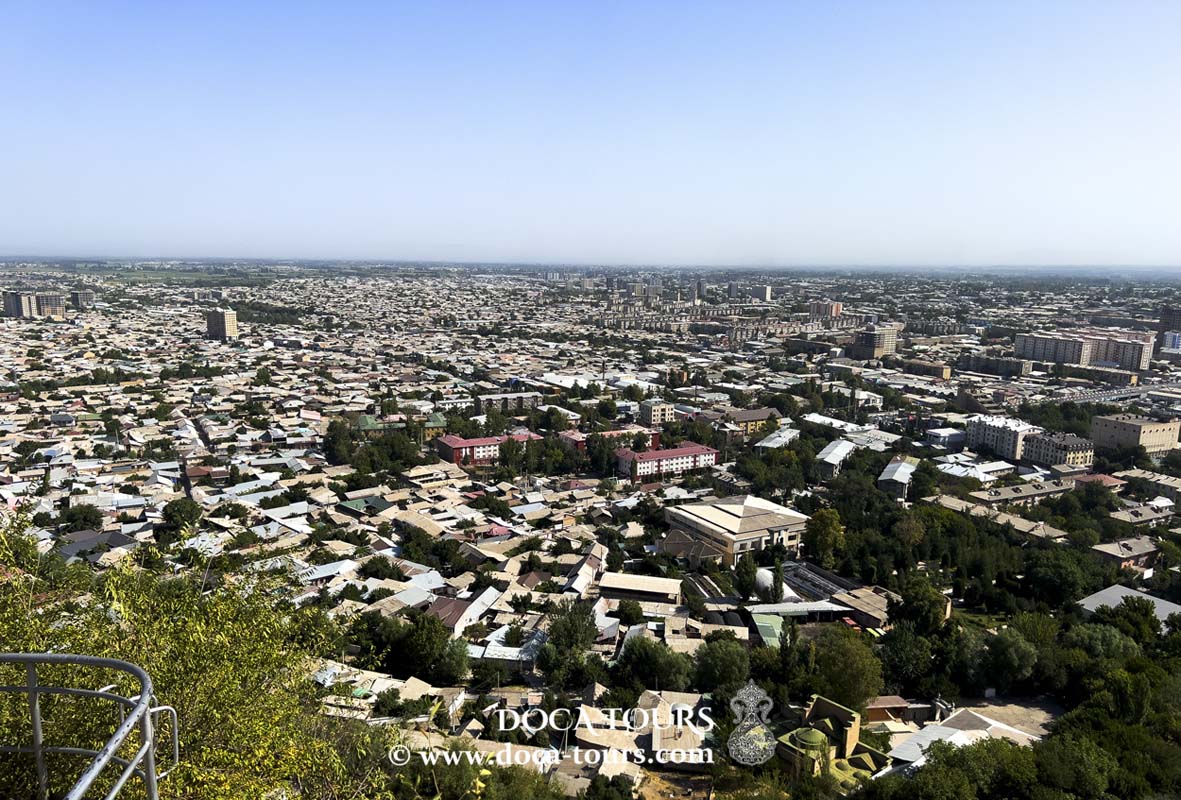
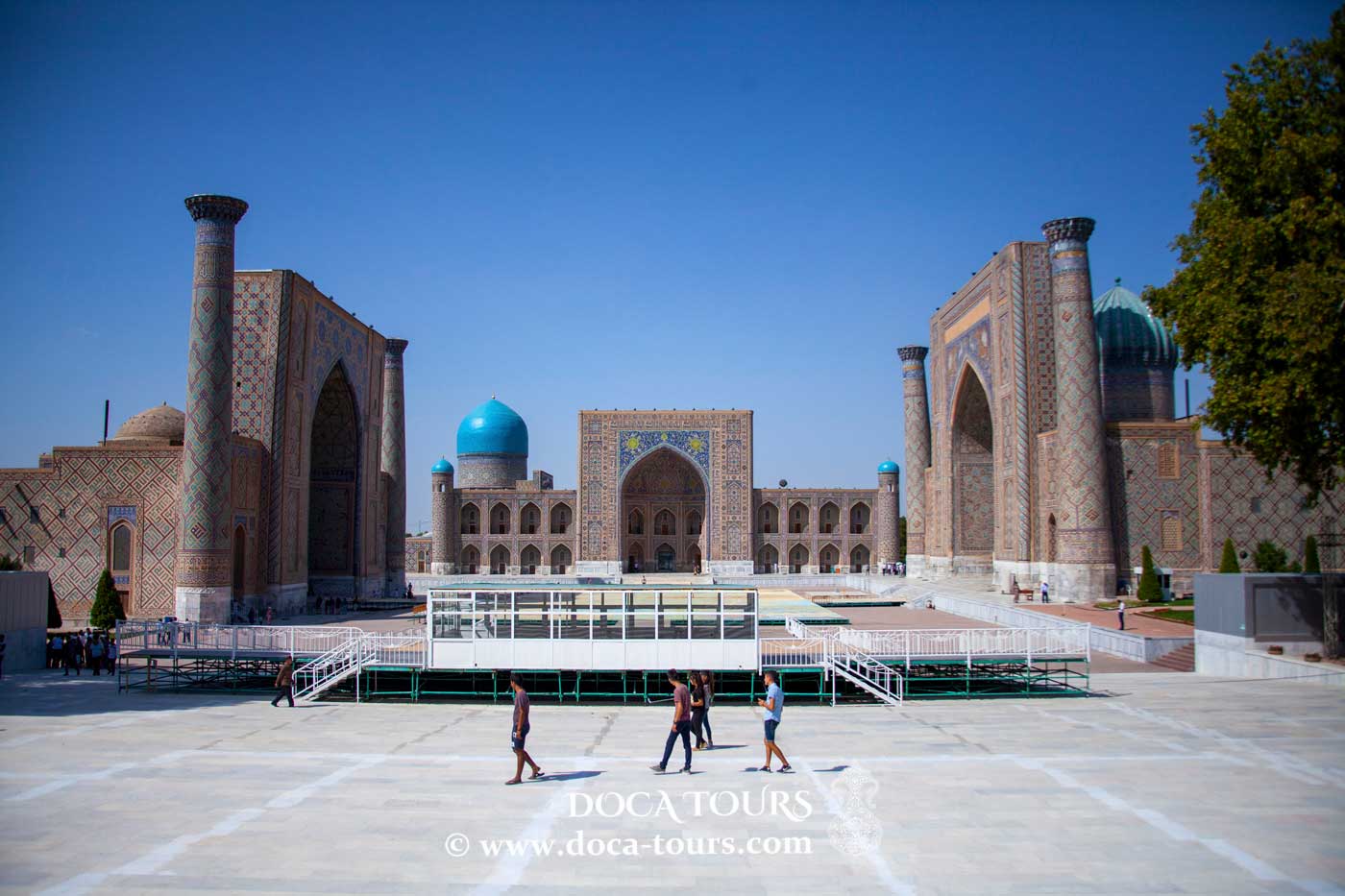
The ancient city of Samarkand is known as a crossroad of the Great Silk Road.
Throughout its centuries-old history, Samarkand was a place where cultures and traditions of different peoples coexisted in peace and harmony. Bukharian Jews are an integral part of the history, economy and culture of Samarkand.
This release is the continuation of the series about Bukharian Jews. Here we tell you more about Jewish diaspora of Samarkand and its famous representatives.
If you haven’t subscribed to our channel, we advise you to do it immediately, we will always have lots of interesting things for you.
So, let’s start everything in order. There isn’t much historical information about Jews appearing in Samarkand. For instance, in the first half of the 12th century, a historic An-Nasafiy in his book “Small Kandiya”, mentions about Jews in Samarkand, where he tells about a Jew who built leaden aqueduct, with name “Juyi Arziz”.

In European sources, in the second half of the 12th century, Benjamin Tudelsky, in his “Book of Travels”, narrates: “From Isbagan (Isfahan) four days’ journey to the Persian land of Shipaz (Shiraz), where about ten thousand Jews live. From there, at a distance of seven days’ journey, the large city of Gina (Khiva) stands on the banks of the Gozan (Amu Darya) river. There are up to eight thousand Jews in it, a trading city, where merchants of all nations in the world come with goods, is located on a vast plain. In a distance of five days’ journey lies on the border of the Persian kingdom the large city of Samarkat (Samarkand), there are up to fifty thousand Jews in it, among whom there are scientists and the rich.”
The history of Samarkand, like any other ancient city, is multifaceted. The city has experienced numerous ups and downs. So, for example, according to Meyendorff’s information, in 1820 there were only ten Bukharian-Jewish houses in the city.
Since the second half of the 19th century, recognizing the great potential of Samarkand in trade with Russia, Bukhara-Jewish merchants and artisans have moved here. This contributed to economic growth in Samarkand. According to the historian Alexander Lehman, who traveled to Samarkand, the number of Jews in 1841 reached 500 people.
The Jews of Samarkand, until the first half of the 19th century, lived separately, in different quarters of the old city. Only in March 1843, the Jewish community in Samarkand acquired a land plot with an area of 11 Tanob (historians estimate this territory around 3 hectares). This territory was located not far from the famous Registan Square and was bought for 10 thousand tangas. Thus, the Jewish quarter “mahalla-i yahudion” was created, which was symbolically divided into 12 sections. This number corresponded to the number of the 12 tribes of Israel.
But, as you know, there are usually specific people behind progress and prosperity. Moshe Kalontar played an important role in the formation of the Bukhara-Jewish quarter in Samarkand. The name of this headman of Bukharian Jews of the 19th century will forever remain in the history of not only Samarkand, but also many cities of Central Asia. This man was a faithful keeper of Bukhara-Jewish traditions and a real diplomat, who in a difficult period in the history of Samarkand managed to be the protector and leader of his people, to resolve the issues of his diaspora peacefully.
It was Moshe Kalontar who contributed to the acquisition of a land plot in Samarkand for the development of an entire Jewish quarter in 1843.
The biography of Moshe Kalontar is very interesting. He was born in 1815 in the family of Ilyev Abulkhair and Khano in the city of Shakhrisabz. It was the third largest city of the Bukhara Emirate at that time. Those were hard times for Bukharian Jews. At the age of 10, Moshe lost his father. And the orphaned family secretly moved to Samarkand.
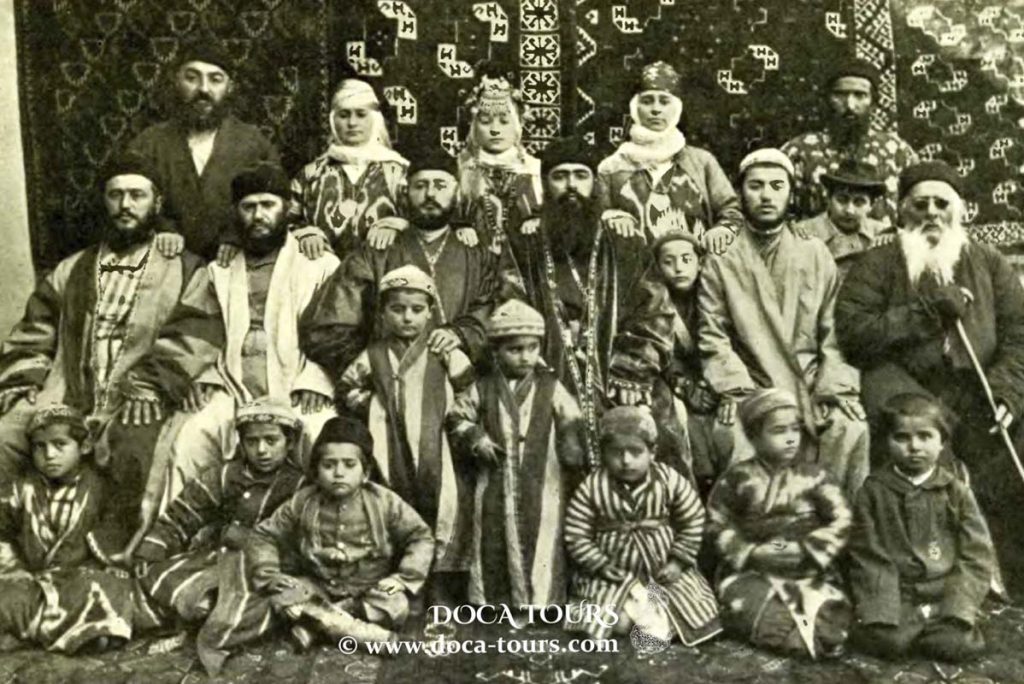
At first, Moshe and his brother made their living working as water carriers. They also mastered the profession of fabric and yarn dyers.
Nasrullo Baturkhan, in the future Bukhara Emir – Nasrullah, before his enthronement, was the ruler of Samarkand, where he became close to rich Jews. Once, near the Registan Square, he met the savvy Moshe and appointed him a kalontar – that is, the headman of the community. Thus, Moshe became the first officially appointed head of the Samarkand Jewish community. He was then only 22 years old.
Status “Kalontar” gave him administrative and legal power within his community. Kalontar was also a tax collector. Very quickly, thanks to his organizational skills and high moral qualities, Moshe Kalontar won the respect of his fellow tribesmen. He was able to unite all Samarkand Jews.
Thanks to his diplomatic qualities, the quarter of Bukharian Jews was bought, built up and prospered.
It should be pointed, that during the years of his leadership, no conflicts arose between the owners of the plots around the settlement and the Jews.
After the conquest of Samarkand by Tsarist Russia in 1868, Moshe Kalontar managed to show his loyalty to the new government. He established friendly relations with Governor General Kaufman and received an award from him – two gold medals – for bravery and help.
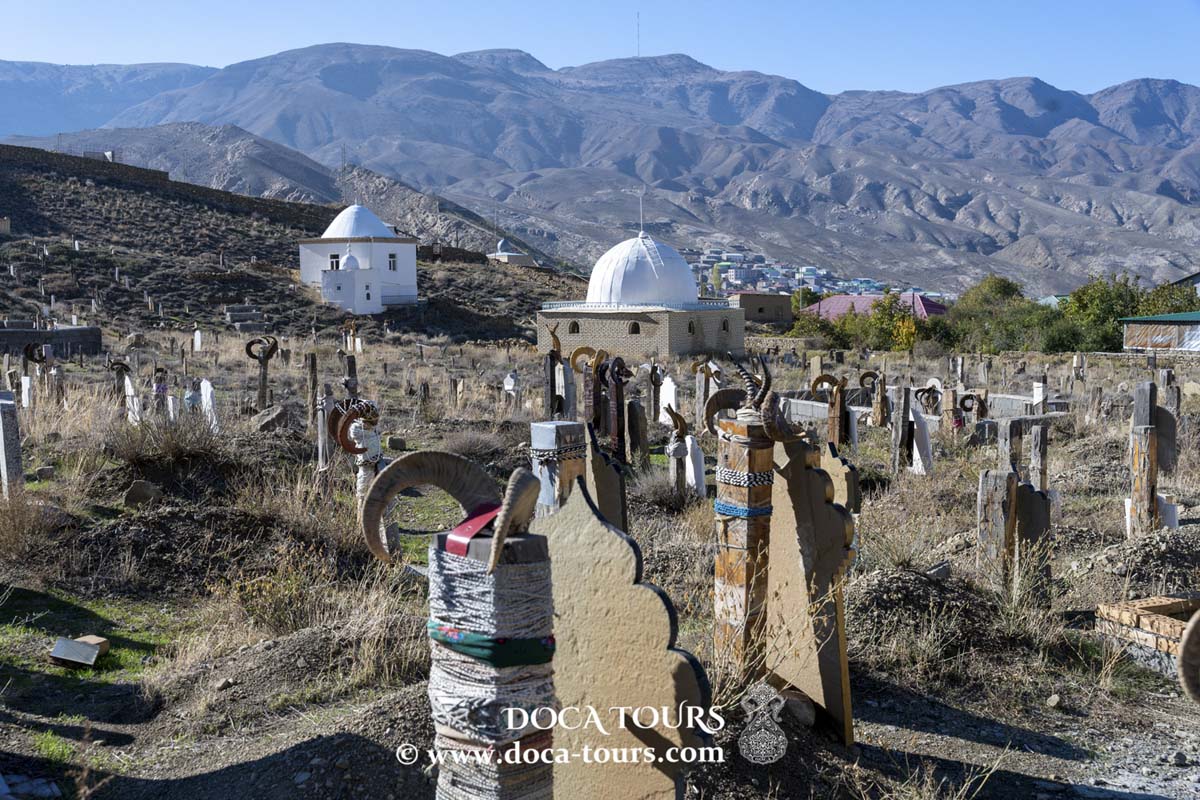
In 1878 Moshe Kalontar managed to solve another problem. There was no separate Jewish cemetery in Samarkand. He personally led and organized construction work for the arrangement of the cemetery. But the headman was seized by a sunstroke and soon from the consequences of this disease he died. His bust can still be seen in the center of the Jewish cemetery in Samarkand.
The construction of the cemetery was completed by his sons, David and Raphoel, who became the heads of the community for the next 43 years after their father’s death.

But let’s get back to the history of Samarkand.
In 1868, the troops of the Russian Tsar entered Samarkand. And based on the list compiled by the headman of Bukharian Jews, Moshe Kalontar in 1873, there were already 168 houses in Samarkand belonging to Bukharian Jews. Vasily Radlov, a German orientalist, claims that at that time over a thousand Bukharian Jews lived in Samarkand.
With the formation of the Turkestan Governor-General, Jewish migration from the Bukhara Emirate to the cities included in it intensifies. At the beginning of the 20th century, Jewish communities existed in more than 30 cities.
The end of the XIX and the first quarter of the XX century is considered as the “golden age” of Bukharian Jews who lived in Samarkand and this is due to the arrival of a new power – the Russian Empire.
History knows the facts that in many countries there were the laws that limited the rights of representatives of other religions. The Bukhara Emirate was no exception. For example: in the Bukhara Emirate, Jews were required to pay a special poll tax – jizya. They were ordered to dress in dark coats and gird themselves with a rope. They were forbidden to travel inside the city on horseback. For the construction of the synagogue, a special permit was needed, and the height of their houses should not exceed the height of the houses of Muslims. But all these restrictions were soon removed by the new tsarist government.
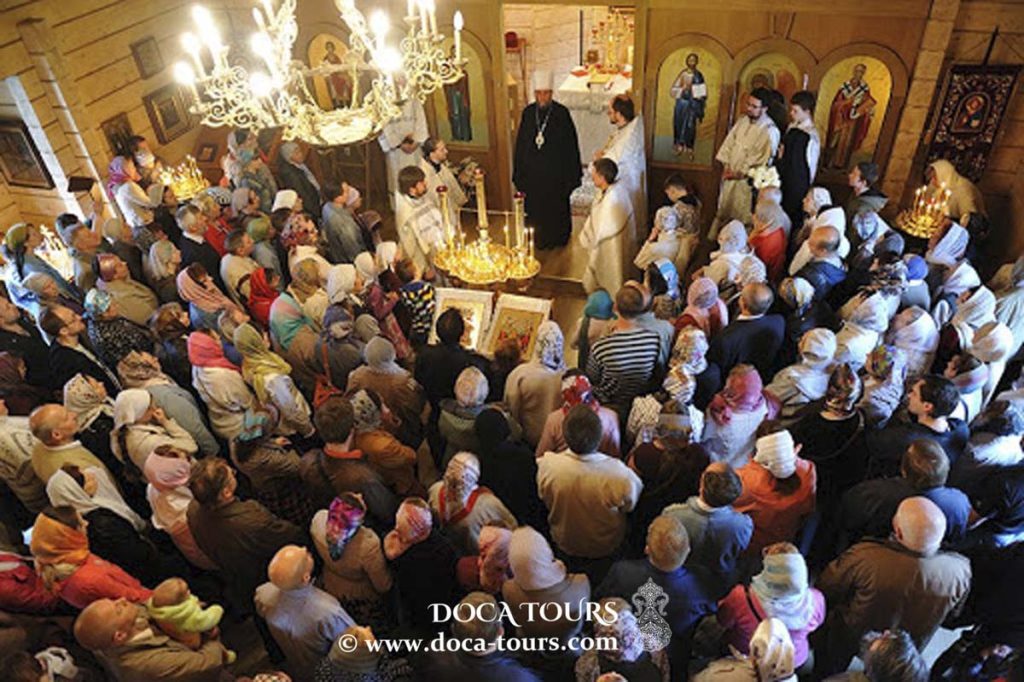
Thus, Governor-General Konstantin von Kaufmann, having entered Samarkand on May 13, 1868, appealed to all elders, judges, and merchants, noting that the Russian authorities would not interfere with freedom of religion in Central Asia. In Samarkand, von Kaufmann announced: “Everyone prays as the fathers taught him; Russian law does not interfere in this matter. Christian, Mohammedan, Jew, Hindu – they all pray in their own way…”
With the establishment of the power of Tsarist Russia, the so-called “Golden Age” of Bukharian Jews in Central Asia began. This period did not last long, only 50 years, from 1867-1917. But it was at this time that significant economic and cultural progress was observed in Samarkand and many other cities of Central Asia.
Many people are probably wondering what goods were exported and imported into Central Asia. And what was the business of the famous merchants – Bukharian Jews based on?
For example, from Russia to Central Asia were imported: leather, wool, wood, fur, horse harness accessories, paint, sugar, wax, mirrors, glass and much more.
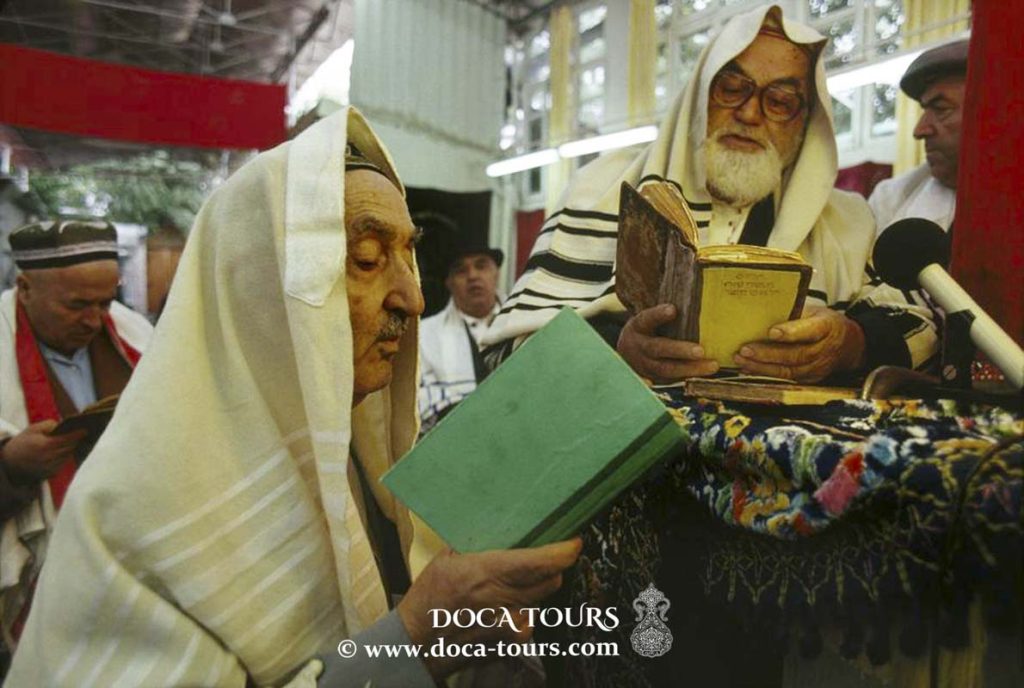
From Central Asia to different countries were exported: cotton, karakul, paper, silk, yarn, various fabrics, carpets, precious stones, spices. Many merchants also sold Chinese tea, Iranian blades or ivory and pearls from India to other countries.
In addition, Bukharian Jews – merchants owned real estate in many cities of Central Asia. These were private factories, plants, workshops, large plots of land, shops, hotels, trading houses, and so on. Famous merchants of Samarkand include families: the Kalontarovs, Abramovs, Mullokandovs, Levievs, Fuzailovs, Fazylovs, Kandinovs, Ilyasovs, Ilyaevs, Aminovs, Pinkhasovs and others.
Along with the famous headman Moshe Kalontar, this family was glorified by many of its other representatives. For example, David Kalontarov, who was the third son of Moshe Kalontar, a merchant of the 1st guild. He was awarded gold medals for his loyalty to Russia and was an honorary citizen of Tsarist Russia and Samarkand. His mansion in the makhalla “Vostok” has been preserved. There was a textile factory in Soviet times.
The brothers Abram and Yakub Kalontarov owned oil mills and cotton ginning factories. Also they owned several dozens houses in the new part of the city and the Jewish mahalla. The Kalontarovs’ firm was engaged in the production and wholesale of cotton and other goods. They had trade relations not only with Russia, but also with many European and Asian countries. Abram Kalontarov was a member of the bank’s board, and in 1907 he was elected a deputy of the Samarkand City Council. Like his ancestors, he actively participated in charity events: he financed orphanages, built additional buildings in the Big Synagogue of the Jewish Quarter, and helped the poor.

The Abramov family was engaged in the production of wine and vodka drinks and the export of cotton. In the 1870s, Benjamin Abramov owned a winery on Penjikent Street, which was turned into a haberdashery factory in Soviet times. His nephew Pinkhas Abramov founded the “Abramov Brothers” trading house with an annual turnover of 3 million rubles – a very large amount for that time. Subsequently, the Abramovs owned a cotton ginnery, a distillery that produced kosher wine.
The Alishaev brothers traded wholesale in Astrakhan fur and precious stones. They exported dried fruits in large quantities to Russia, and from there imported flour and furs.
By the way, one of the buildings in the center of Samarkand has survived to this day and serves as intended – this is the bathhouse number 1 on Amir Timur Street, the former Frunze.
Nisim Ilyasov was the owner of a cotton ginnery, warehouses, shops and stalls in Samarkand. He was also engaged in breeding pure-bred horses.

The Issakharov Brothers Trading House had its branches in the cities of Bukhara, Samarkand, Kokand, Shakhrisabz, Tashkent, Balkh and even in Moscow. They were selling manufactory, sugar, silk, yarn. Their trade links extended to Western Europe. The Issakharovs were among the first to visit Paris.
Abo Kimyagarov was the manager of the famous German company “Boray”, which traded in wholesale tea all over the world.
One can talk for a very long time about the large merchants of Bukharian Jews. And to devote a separate video clip to each family.
In 1871 Russian topographers drew a plan of the city of Samarkand. The outlines of the Bukhara-Jewish quarter were clearly visible here. The quarter was arranged surprisingly well, taking into account the laws of urban planning and climatic features. Here the direction of the main streets were taken into account: from East to West; and small streets from North to South. That is, the planning was carried out taking into account the wind rose and protection from the sun.
The entire quarter was covered by a network of irrigation systems in the form of large and small ditches, which supplied water to several khauz-reservoirs, from where they took water for drinking. In summer, the winds from the surrounding mountains blew the quarter, bringing coolness. Two central streets – today Tolmasov and Khudzhum went to the Obimashat river, where gardens and vineyards were located along its banks.
By the end of the 19th century, the “Vostok” quarter was, like, a town in a city. It had all the necessary infrastructure: schools, baths, craft workshops, a bazaar and much more.
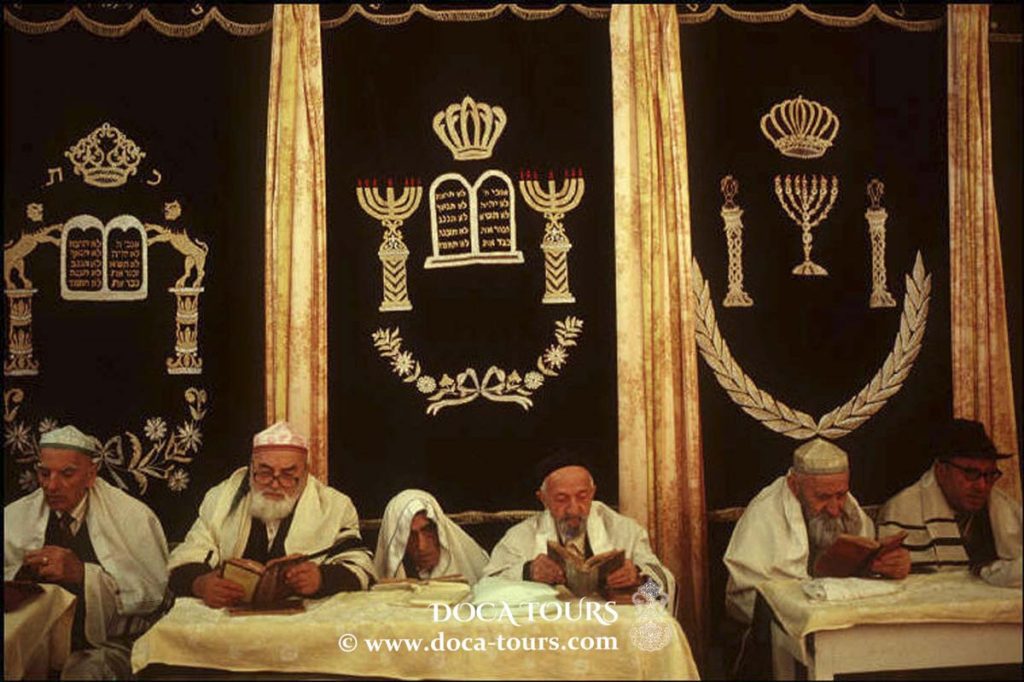
In 1890, in the center of the Jewish quarter of Samarkand, the “Gumbaz”synagogue was completed, which still exists and functions today.
The houses of Central Asian Jews consisted of residential and household parts located along the perimeter, usually small courtyards. The blank walls of houses with small gates overlooked the street. Mehmonhona was the most elegant room of the house, often serving as both a living room and a synagogue. In the houses of the rich, in front of the mehmonhona was built a high terrace (Ayvan)with wooden carved columns and painted ceilings.
Since the end of the 19th century, the houses of big entrepreneurs in Central Asia were built according to the European model. Some of those large houses are still preserved in cities such as: Kokand, Tashkent, Samarkand and Bukhara.
In 1894, in Samarkand, Jews owned 47 houses in the city center, in the so-called “Russian part”. At that time, the cost of such a house exceeded 1,500 rubles. To compare this amount with the present, you can calculate: The average salary of a worker at that time was 5 rubles a month. Thus, it becomes clear that only very rich people could afford to buy or build such houses.
Here are some examples of such houses in Samarkand, which speak of the wealth of their owners: Two-storeyed house, built in 1913, with a facade in the classic Empire style, located today on Jami Street, former Soviet. Currently, a kindergarten is located in this magnificent mansion of Pinchas Abramov.
Several houses were owned by the sons of Pagiel Leviev. The most striking of them was the mansion on today’s Shohrukh Mirzo Street (opposite the former cooperative institute), where a printing house named after Morozov functioned for many years in Soviet times, and now it houses political and public organizations.
Shalomo Sofiev once owned the Grand Hotel, the best hotel in the city, located on Mirzo Ulugbek Street. Today, the union of Trade Unions and other organizations are located here.
Several houses in the Russian part of the city belonged to the merchant Natan Iskhakov. The most luxurious of them was located opposite the Grand Hotel. Today the city’s architecture department is located there.
David Kalontarov owned several mansions. The most elegant of them now houses the branch of the National Bank on Firdausi Street, formerly Engels.
In the Jewish mahalla “Vostok” there are also some beautiful houses in the typical oriental style preserved. This is, for example, the house of Yakub Zavulunov, which was converted into the Rabat hotel. The owner of this hotel has kept the house as authentic as possible. The mehmonhona living room is especially luxurious, where all the decor is still in original condition.
But the most striking example of the houses of the rich Jews of Samarkand is the luxurious mansion built at the beginning of the twentieth century, in which none other than the last tsar of the Russian Empire, Nicholas II, was supposed to stay.
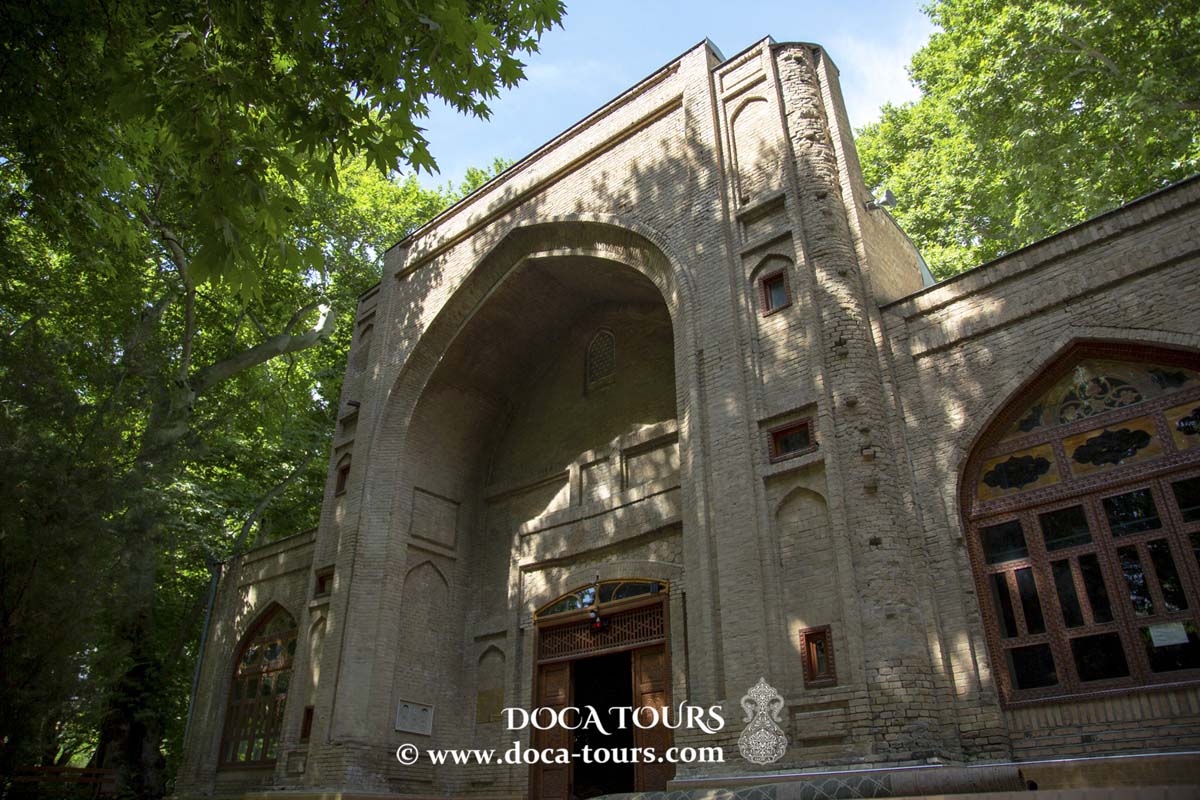
An old two-story house made of fired bricks, where the Samarkand Regional Museum of Local Lore is located today, was built at the expense of the merchant of the first guild Abram Kalontarov, one of the wealthiest people in Samarkand of that time. He is the grandson of the famous Samarkand headman Moshe Kalontar.
Only for the construction and decoration of the living room was spent 16,000 gold rubles, and the total cost of building the mansion cost Kalontarov 130,000 gold rubles, which is an incredible amount in the realities of that time.
For comparison, we can take a cow as a conventional unit. One cow then cost about 10 rubles, which can be converted into dollars, and this will amount to 350 US dollars. And the house was worth 13,000 cows. That is, to date, more than 4.5 (four and a half) million dollars would have been spent on the construction of such a house.
The style of the mansion harmoniously combines European and Eastern architectural traditions. The house was built by the Russified Austrian architect Otto Nelle, the interior was created by the leading architects of Samarkand.
In 1916, the estate of the merchant Abram Kalontarov was ready. Such “royal” luxury during the construction of the mansion was due to the following fact. Abram Kalontarov knew that the Emperor of the Russian Empire Nicholas II was going to make a trip along the Trans-Caspian railway and visit, also including Samarkand. The merchant planned to invite the Tsar to his home and that is why he planned the construction of this unique mansion. However, the Tsar was not destined to see this house, in 1914 the First World War began, and then, as we know, other events followed that prevented the king from making this journey.
After the completion of construction work, the merchant settled in a luxurious mansion with his family, but lived there for only a few years.
In the 20s of the last century, A. Kalontarov signed a dedication to the transfer of the building to the new Soviet government. From 1925 to the 30s, when Samarkand was the capital of the Uzbek SSR, government offices were located here.
In Samarkand, old people tell:
Even after the merchant Kalontarov handed over his mansion to the new Soviet regime for free, he often visited his “former” house and told the interested guests of the city about its uniqueness.
From 1981 to the present, expositions of the regional museum of local lore are located in the merchant house. The house is under the protection of the state and UNESCO.
Unfortunately, the tough collectivization policy of the Soviet Union took away almost all of these luxurious houses and turned them over for public buildings, they were turned into: kindergartens, schools, clinics, state institutions, etc.
All these luxurious houses testify to the merchants who achieved such heights and fortunes only by their painstaking work, sensitive mind and patience.
These houses are more than a hundred years old, and they still stand and keep in themselves the history of the great sons and daughters of Samarkand.
Thank you very much for your attention.
Subscribe to the channel and don’t forget to like our videos.
#Jews #BukharaJews #Jewish #SamarkandJews #BukharianJews #HistoryofJews #CentralAsia #Bukhara #Travel #Samarkand #Silkroad #Sephardic #Uzbekistan #Synagogue #Goldenage #docatours #oybekostanov