






























Key Takeaways
The scholar Ibn Sina, known in the West as Avicenna, was one of the greatest physicians,
philosophers, and thinkers of the Middle Ages.
His masterpiece, the Canon of Medicine, combined ancient knowledge with new insights
and served as a standard reference work in Europe for centuries.
Born near Bukhara, he spent his life in constant motion, serving at various courts in Central Asia and Persia.
He early on recognized the contagious nature of diseases, distinguished plague from cholera,
and described the use of over 2,600 medicines.
In addition to medicine, he made groundbreaking contributions to
physics, chemistry, astronomy, and philosophy.
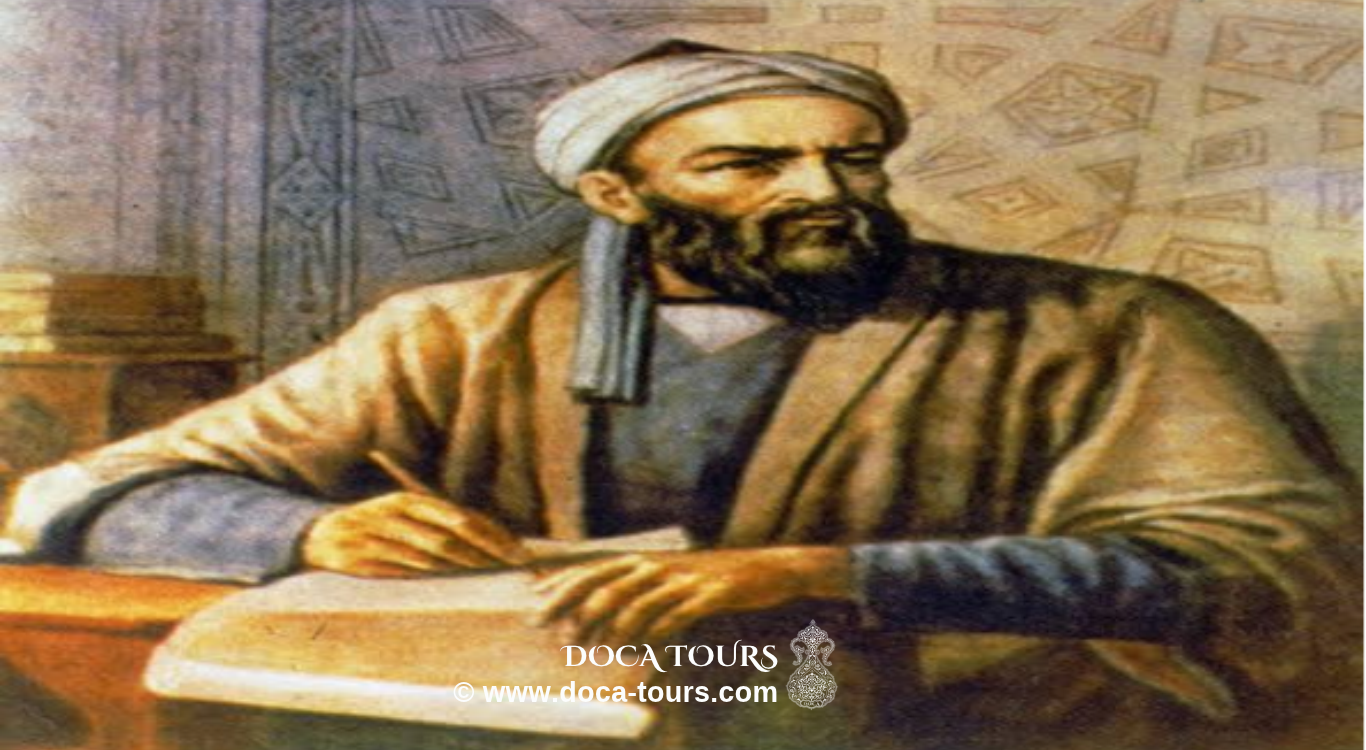
Scholar Ibn Sina: The Polymath and Master of Medicine
The outstanding scholar Ibn Sina—world-famous in the West as Avicenna—changed the history of science and medicine forever.
As a brilliant physician, philosopher, musician, and thinker who lived in historical Central Asia and Persia, he profoundly shaped the scientific world.
His masterpiece, a comprehensive encyclopedia of theoretical and clinical medicine, served as an indispensable standard work in Europe and the East for a long time.
Today, when you visit the historical cities of Central Asia, you walk in the footsteps of a man whose genius far exceeded the boundaries of his era.
The Early Years of a Child Prodigy in Bukhara
He was born in the year 980 in the small village of Afshana near Bukhara. His father was a wealthy
and educated financial official who served under the Samanid dynasty. Even in his earliest childhood, the boy displayed an extraordinary memory
and a razor-sharp intellect. By the age of ten, he had completely memorized the Quran and impressed his teachers with his outstanding knowledge of Arabic literature.
His first tutor taught him logic, geometry, and astronomy. However, the young student surpassed his mentor so quickly that the mentor advised
the father to free the boy from all other obligations so he could dedicate himself exclusively to scholarship.
At the age of 12, he turned to medicine, which he did not find to be a difficult science.
He learned so rapidly that by the age of 16, experienced physicians were coming to him to ask for professional advice.
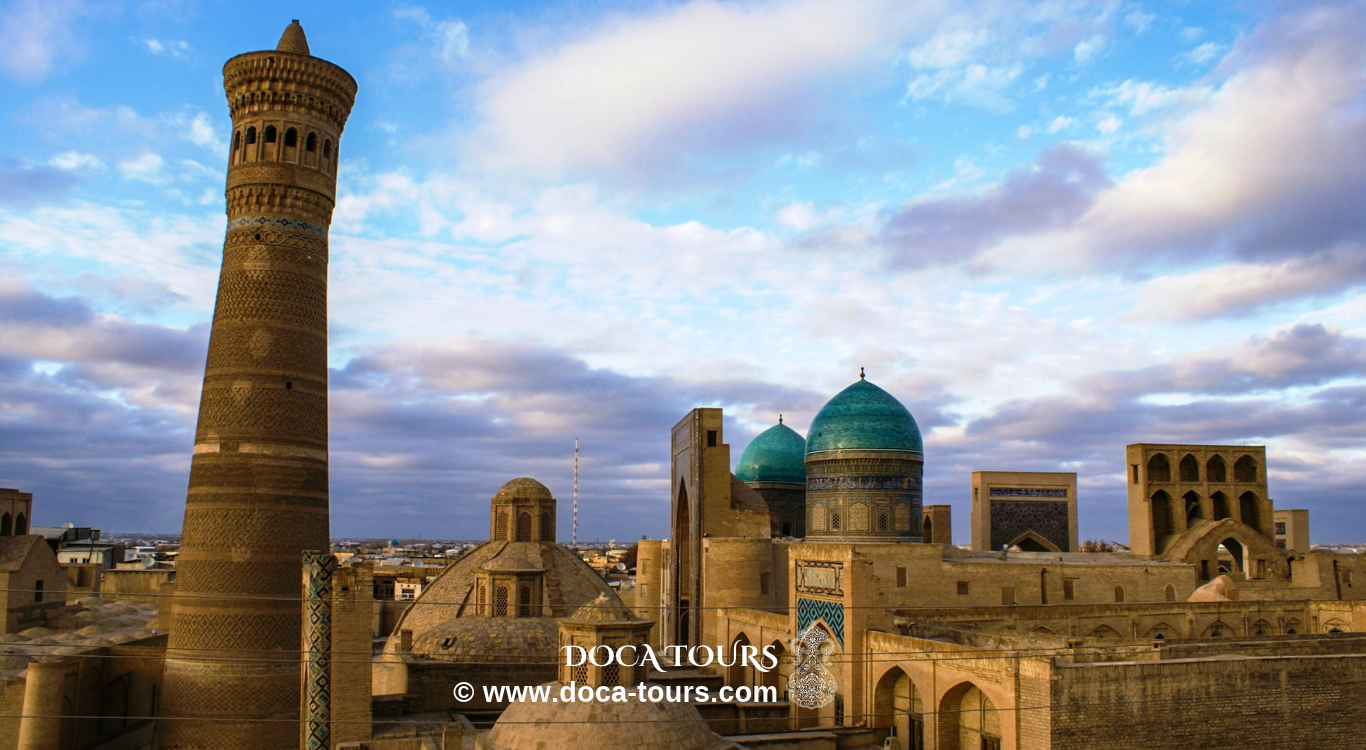
The decisive turning point in his life occurred when the ruler of Bukhara fell gravely ill and the court physicians were at a loss.
The young doctor was summoned, successfully cured the ruler, and as a reward was granted unlimited access to the royal library of the Samanids.
At the time, this was the largest and richest library in the Near and Middle East. He spent day and night there, acquiring the entire knowledge of his era.
A Life in Constant Motion: From Khorezm to Isfahan
Following his father's death and the collapse of the Samanid dynasty, extremely turbulent years began for him.
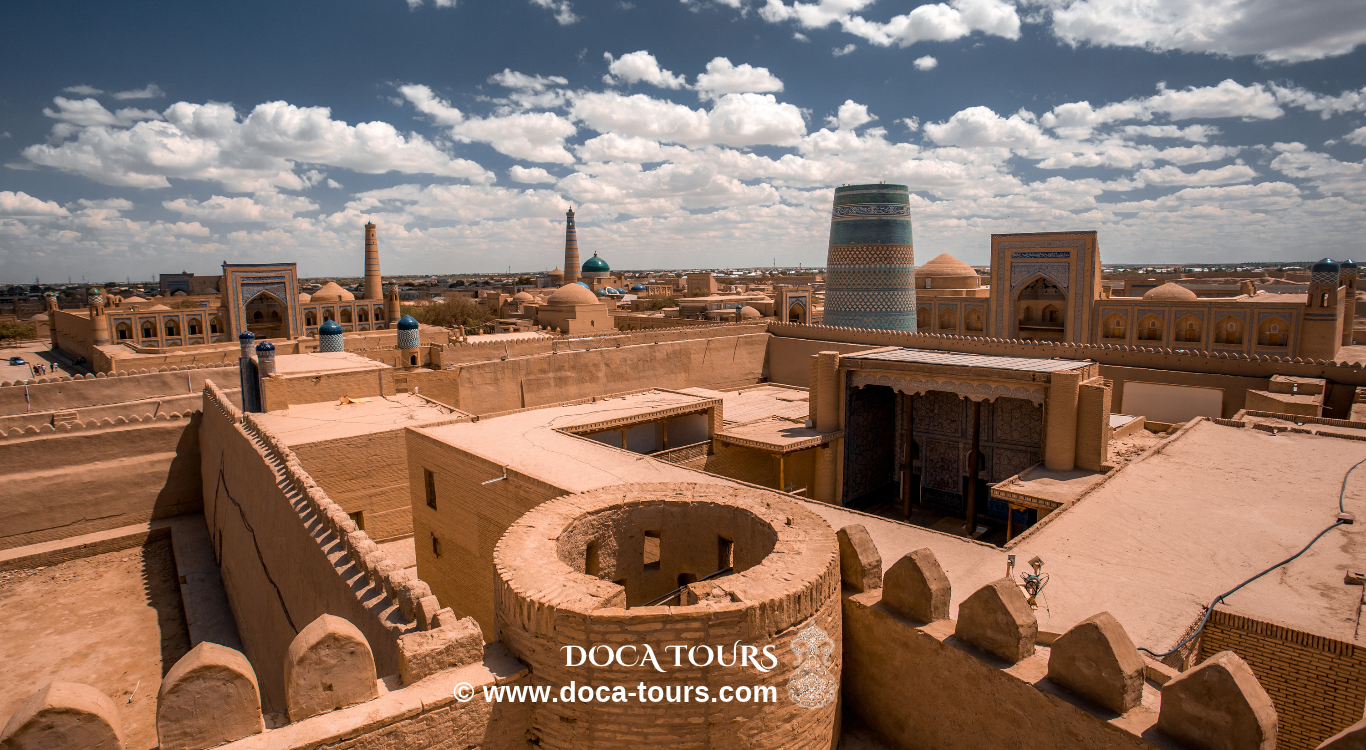
He left Bukhara and traveled to the court of Khorezm. There, he was welcomed into the esteemed Academy of
the Wise, where he engaged in mathematics and astronomy and maintained an intensive scientific exchange with other legends of the epoch.
His subsequent life was marked by constant travels through various cities of Persia and Central Asia.
He experienced times of greatest wealth and deepest poverty, was appointed minister and lost the post again, was hunted down, and even spent months imprisoned in a fortress.
Yet not a single day passed without him researching or writing. Often, he composed his works right in the saddle during long, arduous journeys.
He spent the last 14 years of his life at the court in Isfahan, where he served as chief physician and political advisor and was able to work under excellent conditions.
He died in June 1037 at the age of 57 from a severe stomach ailment. In his will, he stipulated that all his slaves be freed and his entire fortune distributed to the poor.
The Immortal Legacy Left by Scholar Ibn Sina
This man's creative output was virtually limitless. He authored more than 450 works on almost all existing sciences,
of which about 240 have survived to this day. His most important medical work is the Canon of Medicine.
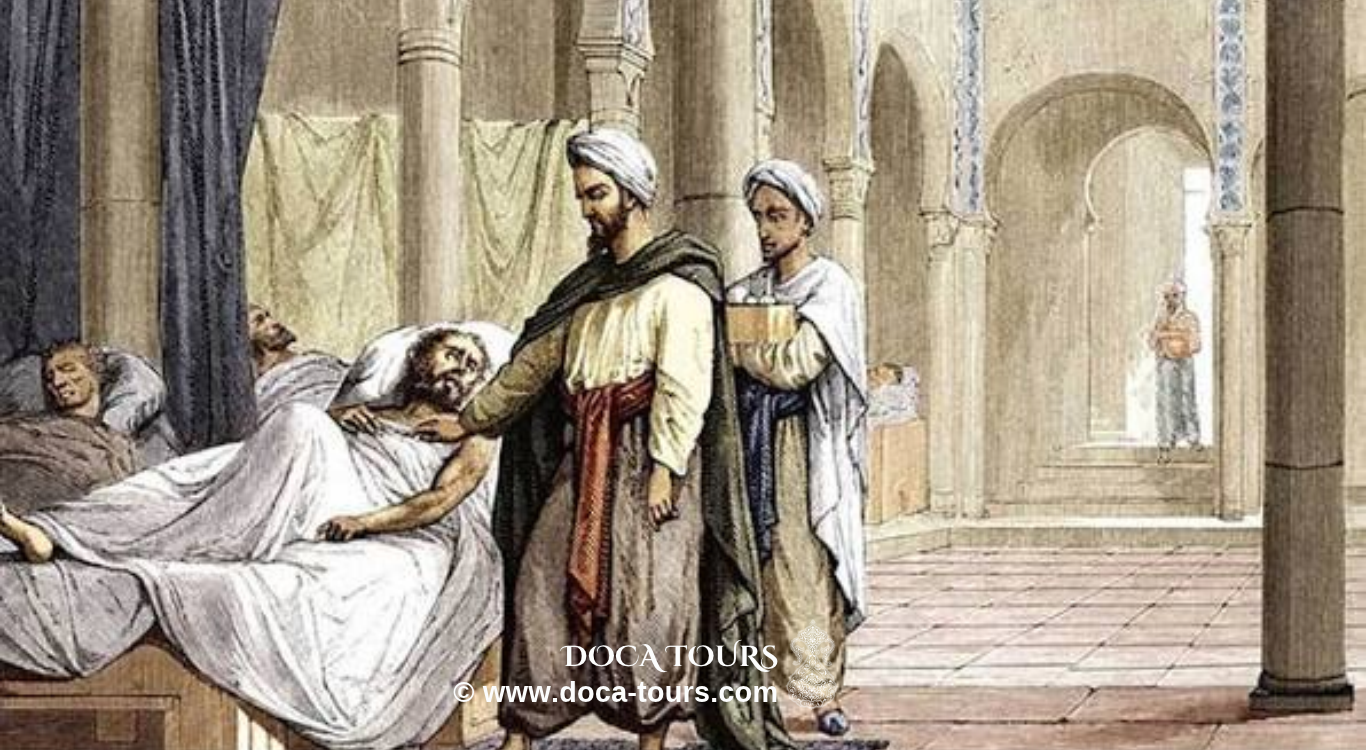
This gigantic encyclopedia synthesized the medical knowledge of the ancient Greeks, Romans, and Indians with the latest discoveries of Arabic medicine.
He was the first to recognize the contagion risk of smallpox. Furthermore, he clearly distinguished between cholera
and the plague and provided detailed medical descriptions of leprosy.
The work describes the preparation and exact application of over 2,600 medications, 1,400 of which were of plant origin.
The Canon was translated into Latin more than 30 times and served European physicians as an indispensable standard reference up until the 17th century.
After the Bible, it was the most frequently printed book in early modern Europe. Besides medicine, he wrote extensively on the enormous importance
of regular physical exercise, deep breathing, and physical conditioning for disease prevention. He also made groundbreaking contributions to
physics, chemistry, astronomy, and philosophy. His principal philosophical work, The Book of Healing, was a comprehensive encyclopedia of logic,
physics, mathematics, and metaphysics.
Frequently Asked Questions (FAQ)
Who was the scholar Ibn Sina? He was a brilliant Central Asian polymath born in 980 near Bukhara.
He became known in the West as Avicenna and is considered one of the greatest physicians and philosophers in world history.
What is his most famous work? His Canon of Medicine is a monumental medical encyclopedia.
For many centuries, this book was the undisputed standard reference for doctors in Europe and the Middle East.
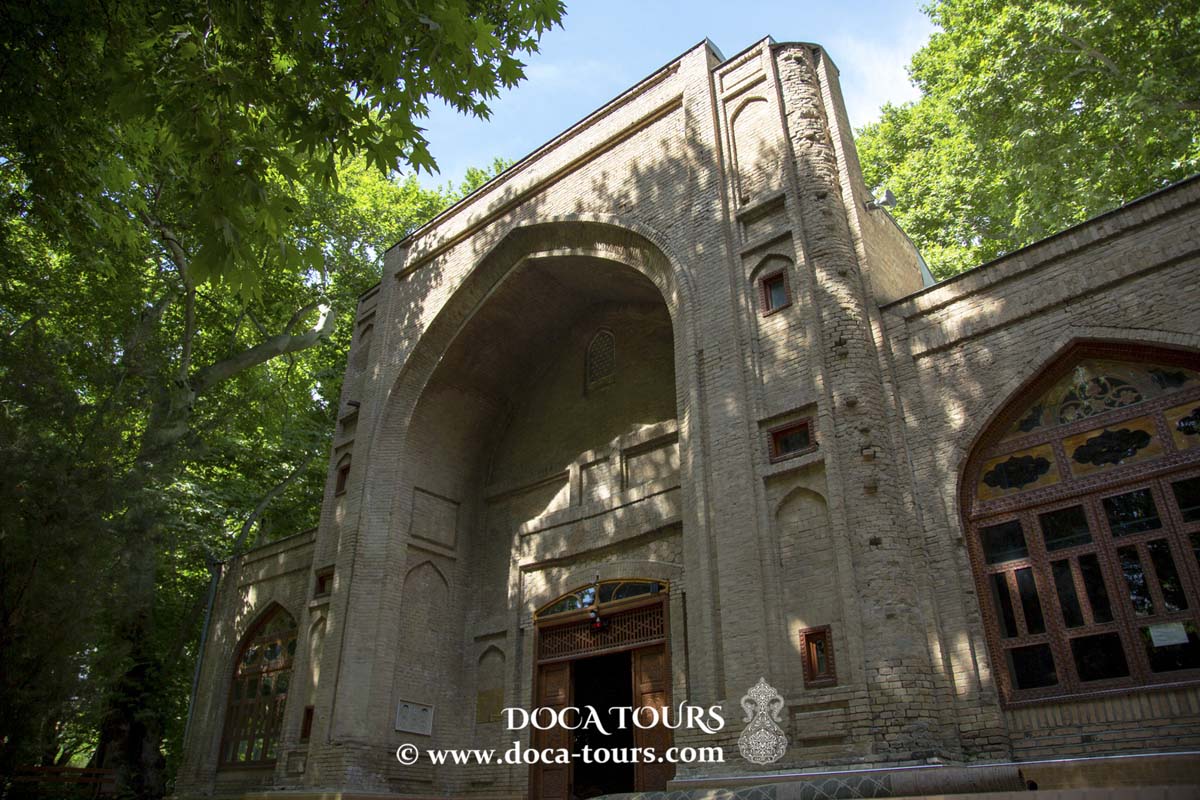
Where can I learn more about his life today? There is a museum dedicated to him in his birthplace near Bukhara.
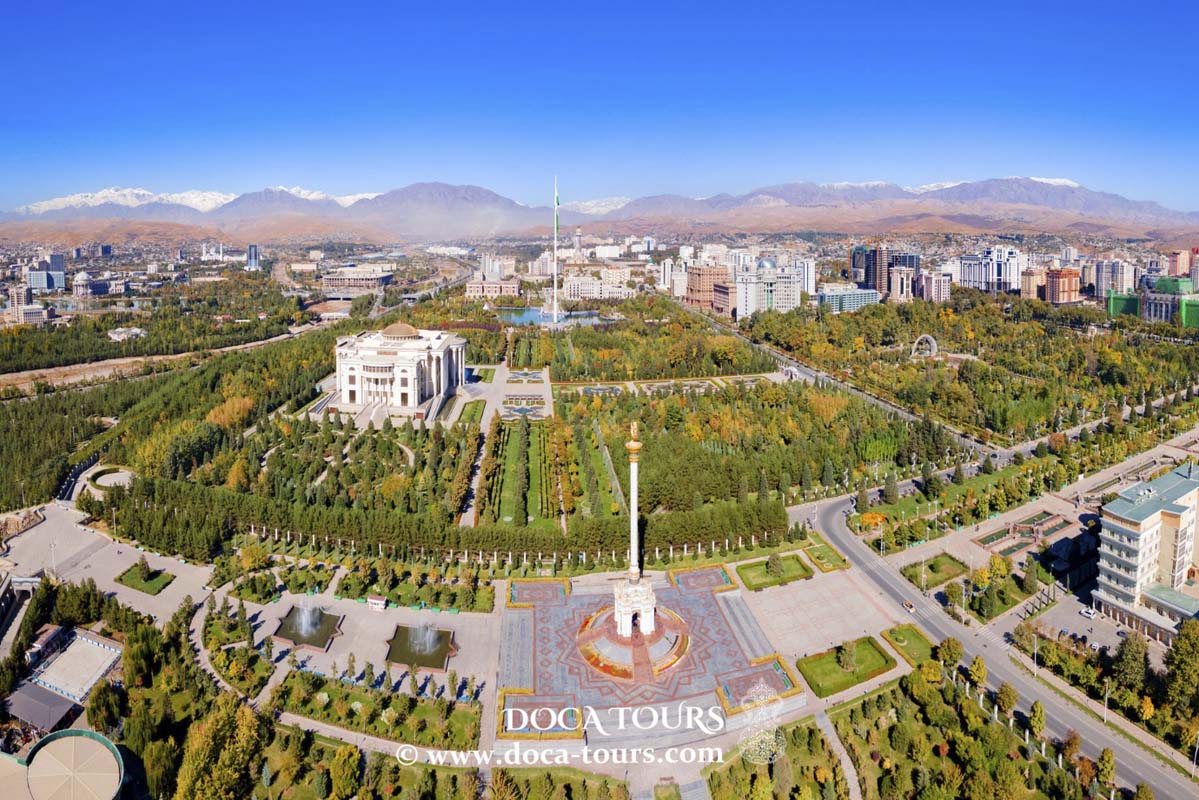
Countless institutions and monuments commemorate him worldwide, including in Dushanbe, Riga, and Vienna.
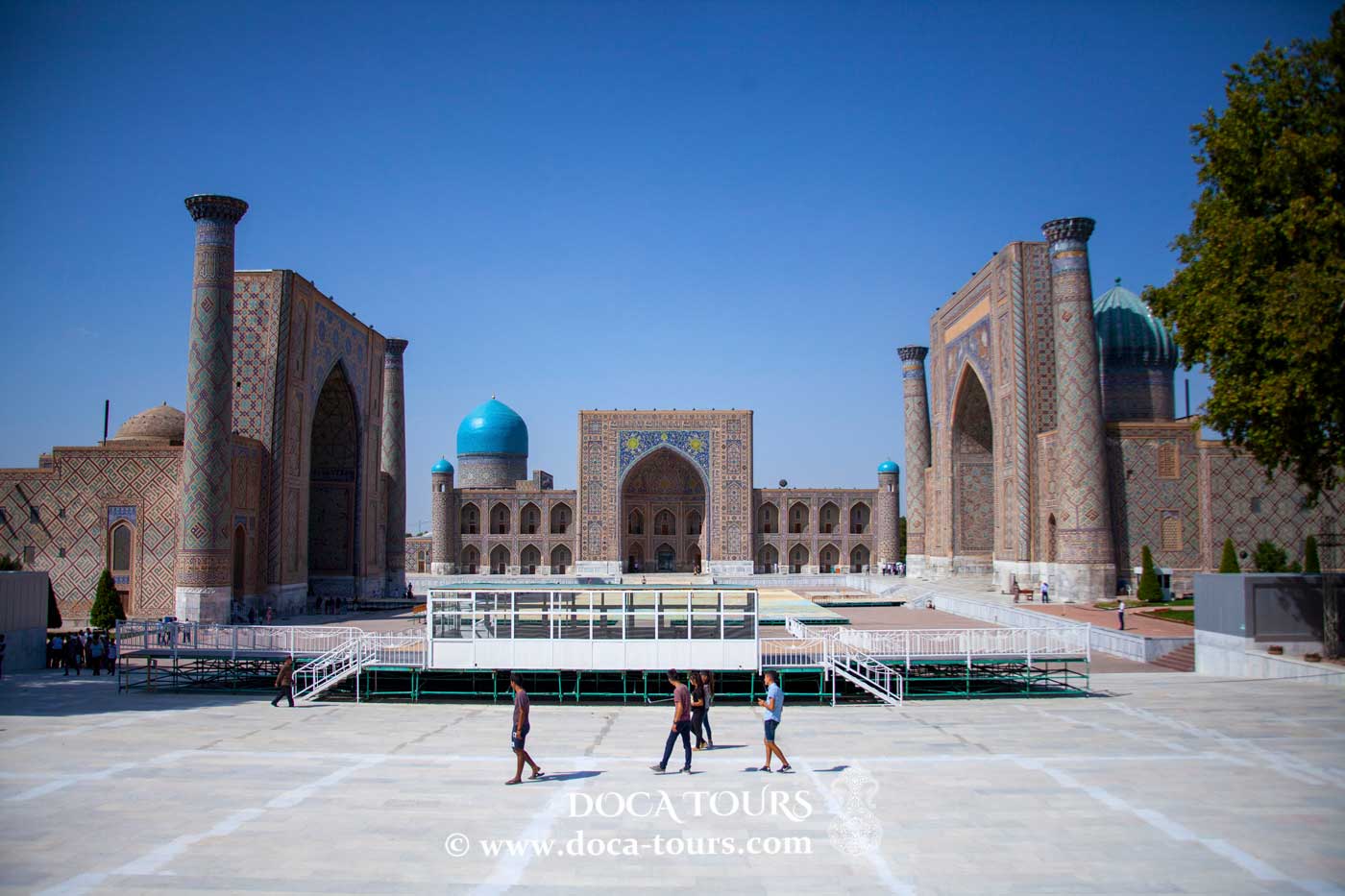
Planning your private tour? DOCA TOURS organizes fascinating cultural tours to Bukhara, Khorezm, and along the entire historical Silk Road.
Contact us today for your customized itinerary in the footsteps of Asia's greatest scholars!