
























Polymath Ulugh Beg: The Star Researcher on the Throne
In world history, there are very few rulers who became more famous for their scientific masterworks than for their military conquests.
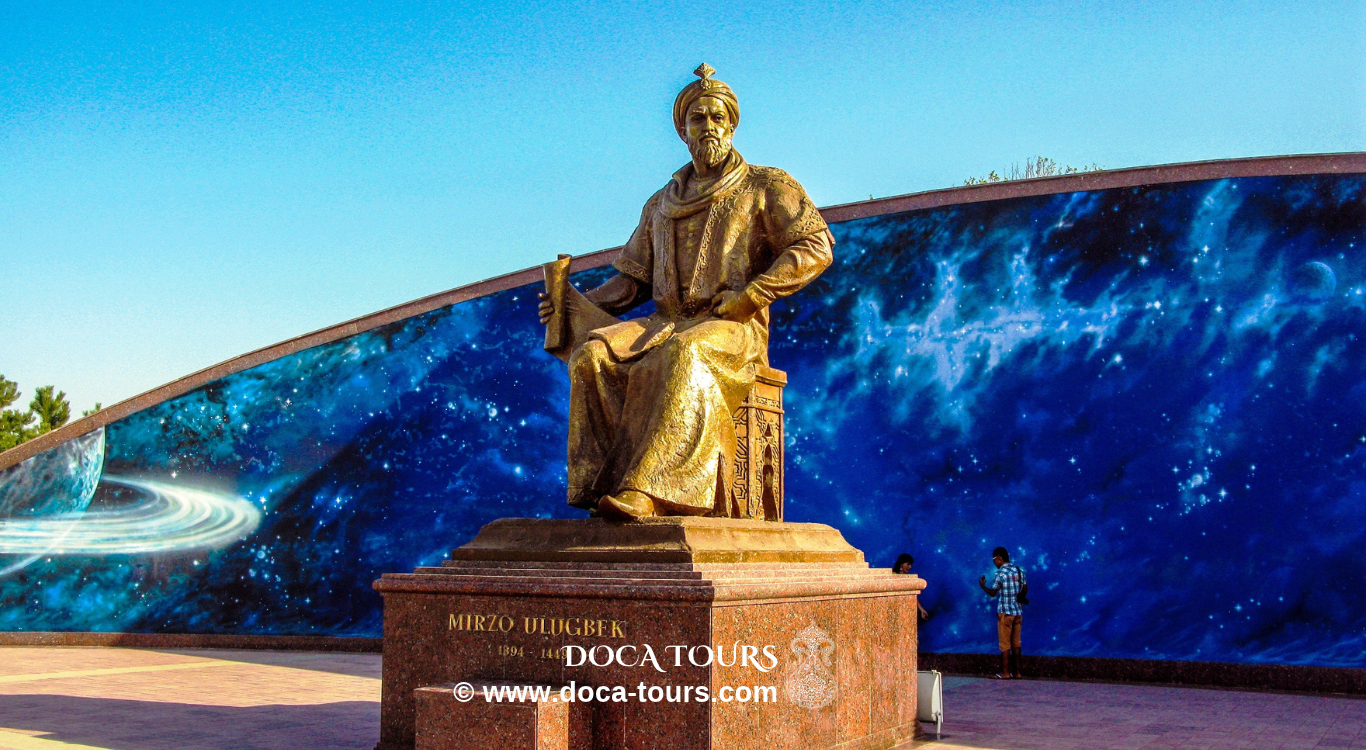
The polymath Ulugh Beg was undoubtedly one of them. As the grandson of the famous conqueror Timur, he governed the region of
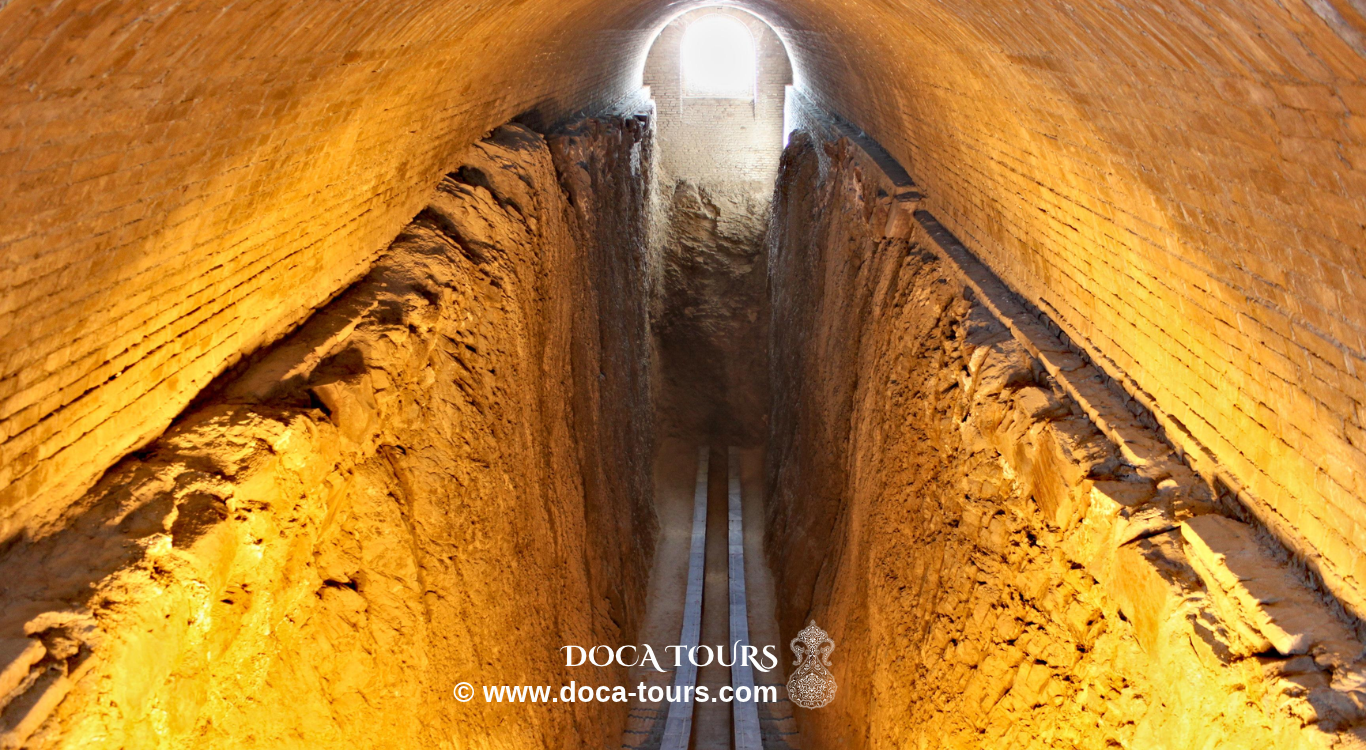
Transoxiana for decades and transformed his capital, Samarkand, into one of the most significant scientific centers of the Middle Ages.
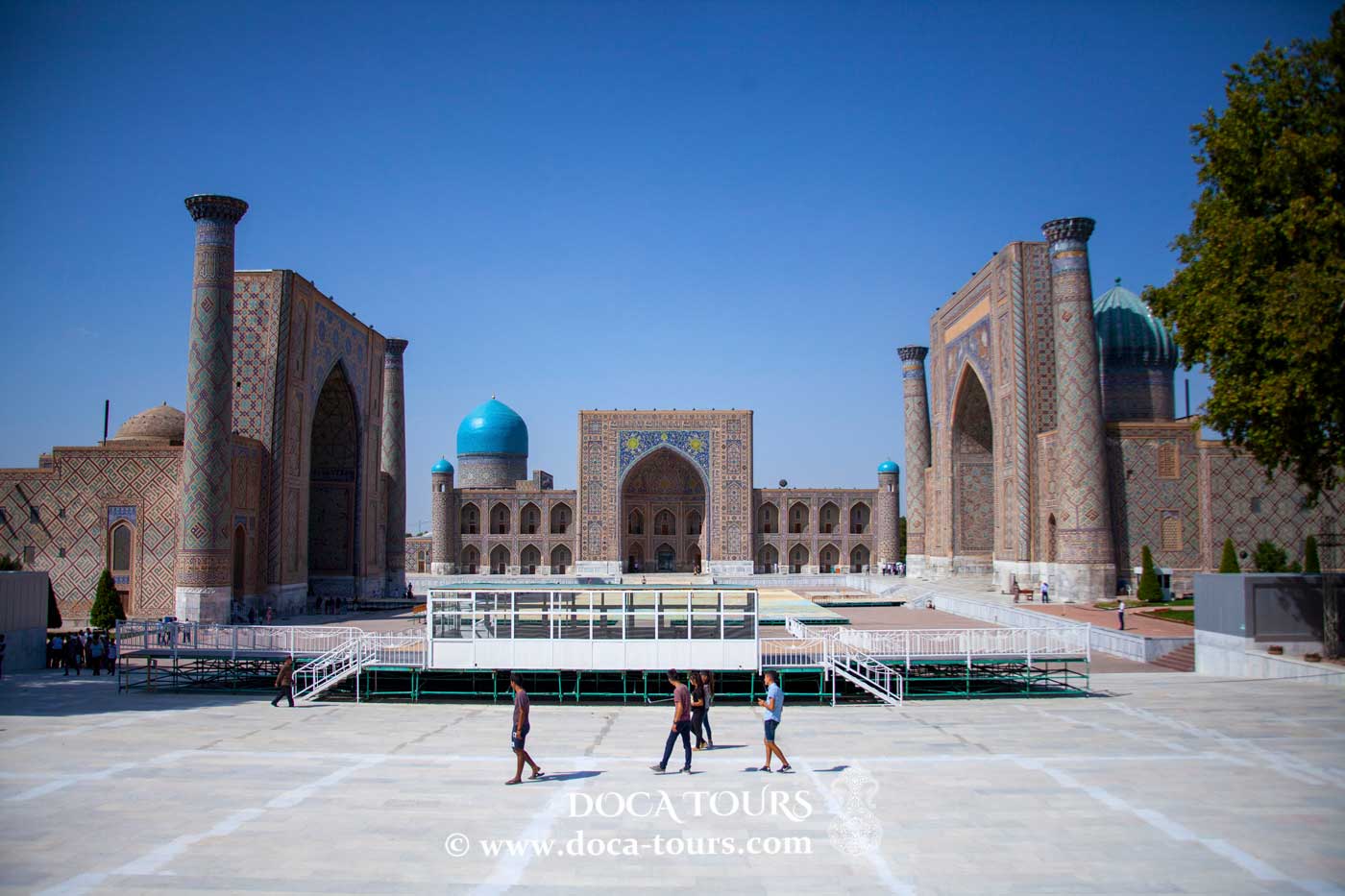
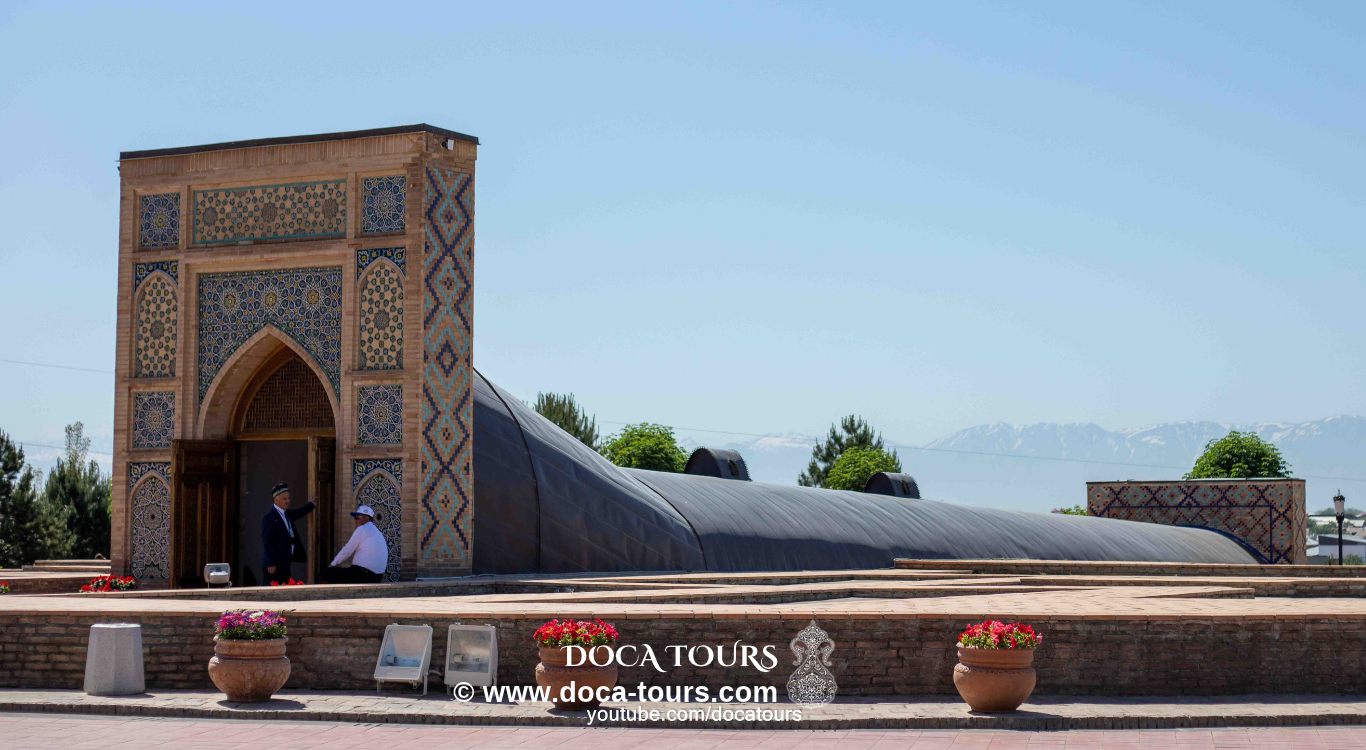
For travelers setting out today toward the historic cities of Central Asia, the impressive colleges and the remains of
his observatory stand as silent yet monumental witnesses to this golden era.
From Birth to the Rule Over Samarkand
He was born on March 22, 1394, under the name Muhammad Taraghay in the fortress of Soltaniyeh (in modern-day Azerbaijan).
Historical writings report that his grandson [Note: grandfather] Timur was currently besieging a fortress in
Western Asia when he received the news of the birth and the astrological prophecy that the child would become a great scholar and ruler.
Out of immense joy, the grandfather called off the siege and remitted all tribute for the local population, meaning the boy's birth instantly saved
the lives of countless people. Following his grandfather's death, his father took over the rule in the south of the empire, while the 15-year-old grandson
was entrusted with the administration of Samarkand and surrounding areas starting in 1409. He proved himself to be a cunning strategist at a young age:
during a major military campaign in 1425, he ordered his soldiers to light five campfires each at night to simulate a massive
overwhelming force to the enemy—a brilliant deception trick that secured his victory.
Architecture, Teaching, and a Palace of Porcelain
Although he sat on the throne, his greatest interest was not war, but knowledge.
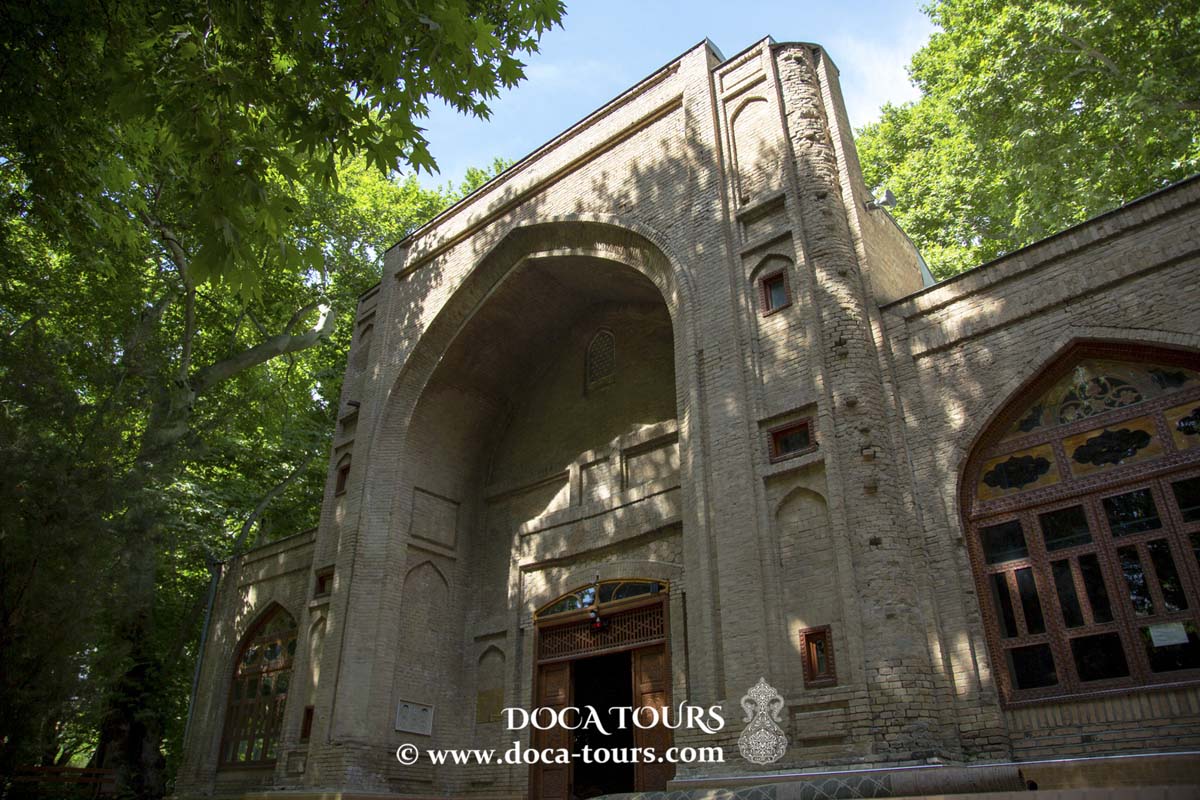
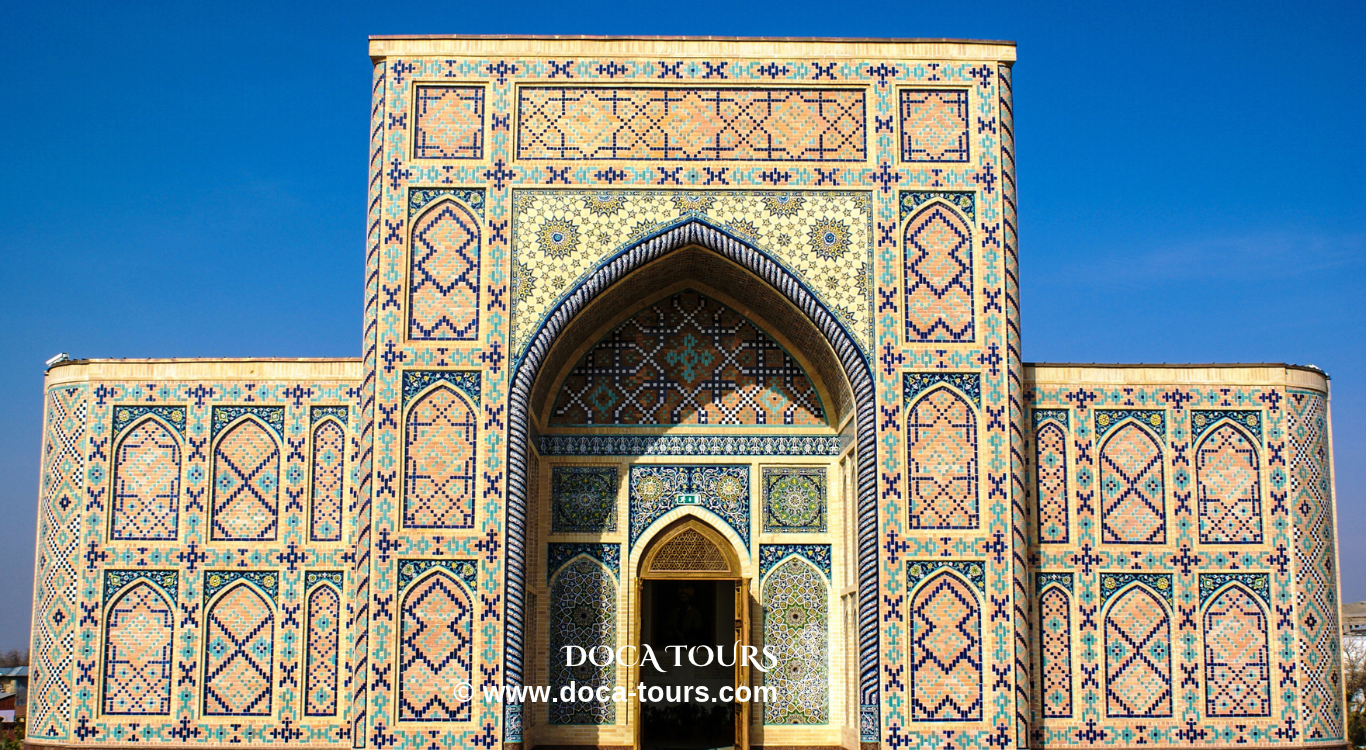
Between 1417 and 1420, the polymath Ulugh Beg had magnificent scientific colleges (madrasas) built in
Samarkand, Bukhara, and another city. On the portal of his college in Bukhara, he had the meaningful sentence chiseled:
"The pursuit of knowledge is the duty of every Muslim." Remarkably, as the ruling sultan, he even gave lectures in
these colleges once a week. His architectural footprints remain legendary to this day. He brought a massive,
dark green block of jade back from a campaign, which still adorns his grandfather's tomb in the royal mausoleum in Samarkand today.
For the city's gigantic Friday Mosque, he commissioned a massive, ornate marble bookstand crafted in the 15th century.
In the 1440s, he also had a summer palace built near his observatory, the walls of which were completely covered in porcelain
and served as a place of relaxation for the scholar.
Astronomical Masterpieces and the Observatory
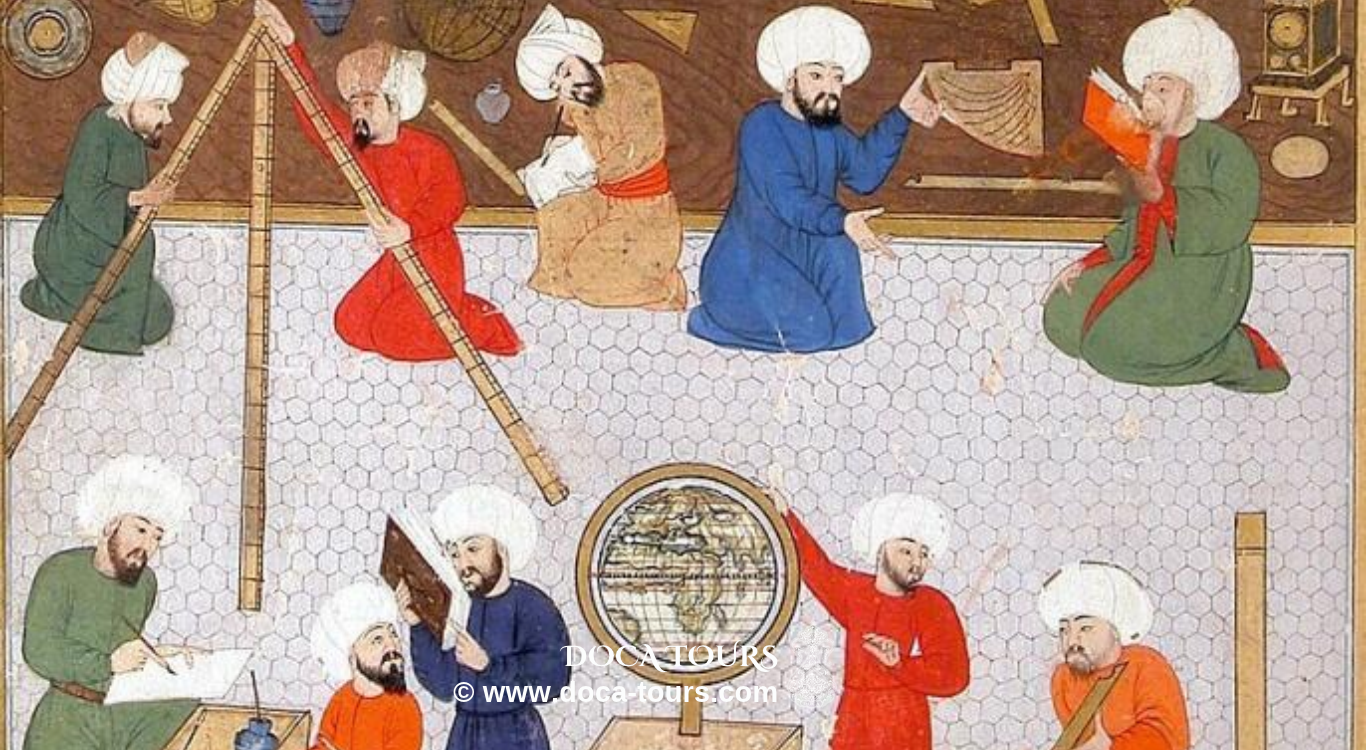
However, the ruler's greatest legacy was astronomy. In his observatory once stood a gigantic globe charting
the boundaries of the continents, oceans, and mountains—historically the second globe ever built in the world.
Sources also attest that he had a monumental, 50-meter-high sundial constructed in Samarkand. At his observatory,
he calculated the exact positions of 1,018 stars with unprecedented precision. In 1437, he determined the length of
the astronomical year as 365 days, 6 hours, 10 minutes, and 8 seconds—a value that differed from modern measurements by
a mere 58 seconds. His astronomical star tables made him famous far beyond the borders of Asia, and even into the 17th century,
he was depicted in Europe on equal footing with the greatest stargazers of the world.
Betrayal, Death, and the Saving of His Heritage
Brilliant as the polymath Ulugh Beg was in science, he was often negligent regarding military state affairs.
This eventually led to a devastating political intrigue: under the heavy influence of religious fanatics, his own
ambitious son instigated a bloody rebellion against him. On the way to a pilgrimage, the 55-year-old ruler
was murdered in 1449 through a cowardly betrayal. However, his son survived him by only six months before being killed himself at
the age of 27. Following the scholar's death, his personal library of over 15.000 books was threatened with complete destruction.
Fortunately, his most loyal student managed to secure the valuable holdings in a nearby village and later rescued the astronomical
tables to Samarkand's scientific heritage for all humanity permanently [rescued them for Europe/posterity].
Frequently Asked Questions (FAQ) about the Polymath Ulugh Beg
Who was the polymath Ulugh Beg? He was a grandson of the conqueror Timur who ruled over Samarkand in
the 15th century and entered history as one of the greatest astronomers and mathematicians of the Middle Ages.
What was his greatest scientific achievement? He built a massive observatory, calculated the duration of
the solar year with minimal deviation, and compiled a high-precision catalog of 1,018 stars.
What happened to his huge library? Following his assassination by his own son in 1449, his historical library of
15,000 books were saved by his most loyal student, thus preventing its total destruction.
Planning your private tour? DOCA TOURS organizes in-depth cultural journeys to the fascinating cities of the Silk Road.
Contact us today to plan your customized historical journey in the footsteps of the great scholar!