

























Navruz Festival in Uzbekistan: History, Spring Customs, and Holiday Traditions
The Navruz Festival in Uzbekistan, celebrated every year on March 21st, is one of the oldest, most colorful,
and most significant spring festivals in the country. Observed on the day of the astronomical vernal equinox—when day
and nights are of equal length—Navruz marks the awakening of nature, the beginning of the sowing season, and the
traditional New Year for Iranian and Turkic-speaking peoples. With a history spanning more than three thousand years in
historical Khorasan and Central Asia, the holiday stands for new beginnings, reconciliation, hospitality, and a sense of community.
The word "Navruz" (also spelled Nowruz or Nauryz) originates from Persian and literally translates to "new day.
" In 2009, UNESCO inscribed the festival on the Representative List of the Intangible Cultural Heritage of Humanity; in 2010, the
UN General Assembly declared March 21st as International Nowruz Day.
Astronomical Roots and Historical Origins of the Navruz Festival
The origins of Navruz date back to the pre-Islamic era and are closely linked to the solar calendar and the observation of nature.
The polymath Abu Rayhan al-Biruni described the festival in his work Athar al-Baqiya as the
moment when the sun enters the constellation of Aries and a new vegetative cycle begins.
Zoroastrian Heritage: Under the Achaemenid dynasty in the 4th and 5th centuries BC, the festival received official
status and evolved from agrarian cults into a holiday closely associated with sun and fire worship.
Legends and Myths: Historical traditions connect Navruz with King Jamshid and the six creation phases (Gahanbar) of the Avesta.
Historical Celebrations: As early as Sogdiana, ancient Khorezm, and during the Timurid era,
official public festivals featuring singers, dancers, and archers were held in the spring.
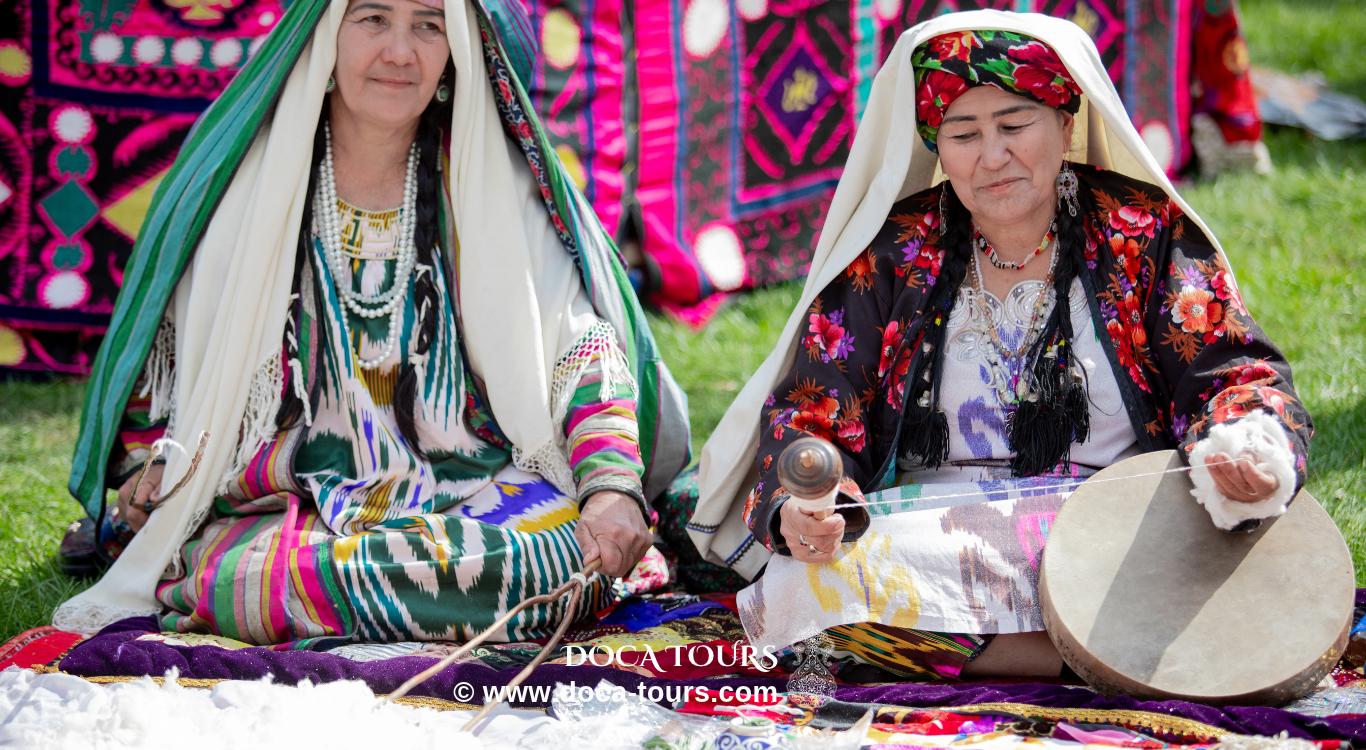
Spring Preparation and the Tradition of Khashar
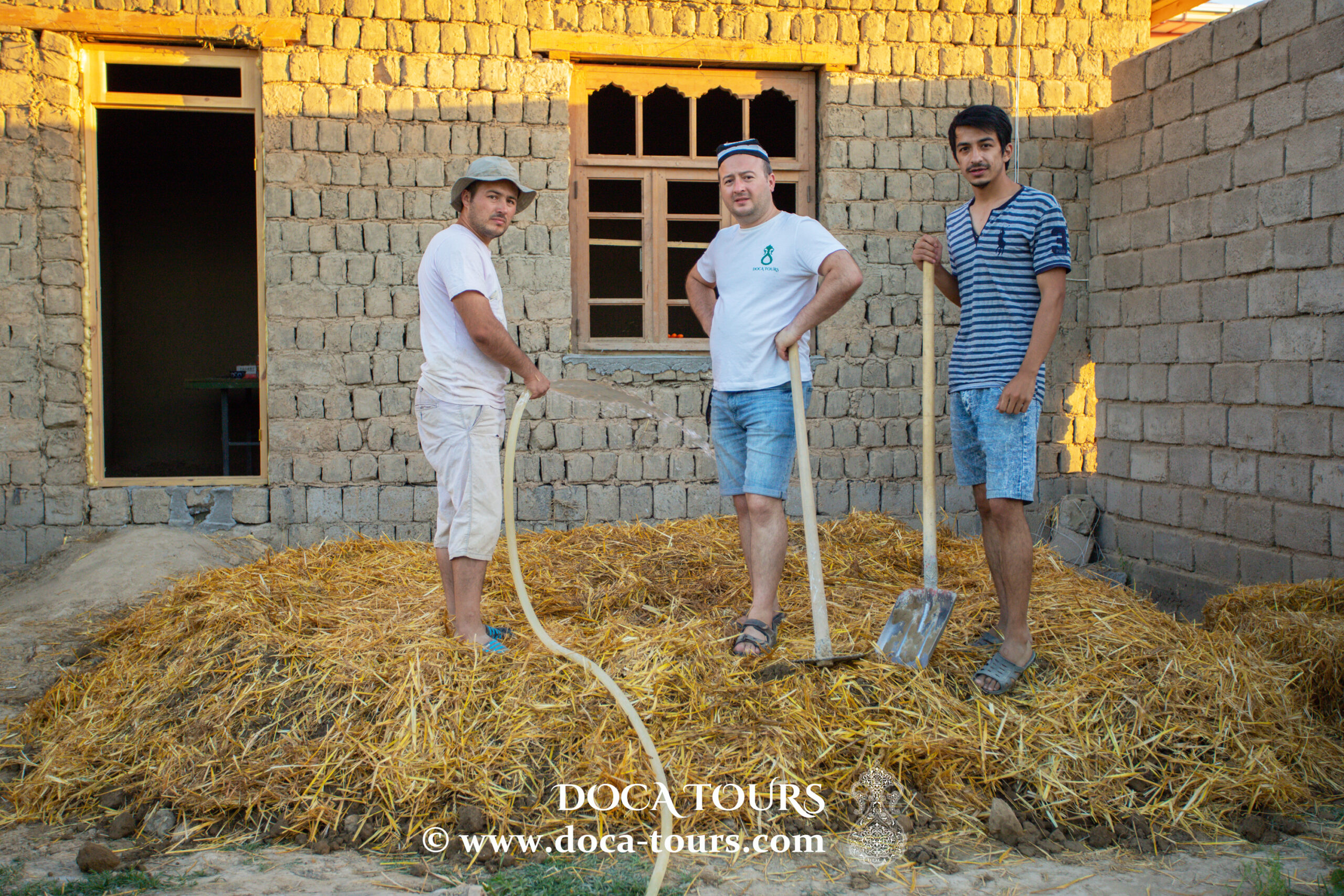
Preparations for Navruz begin weeks before the actual holiday through the collaborative community work known as khashar:
Community Cleaning: Residents of the mahallas clean streets and clear irrigation canals (aryks),
whitewash tree trunks, and plant young fruit trees in gardens and parks.
Spiritual Renewal: According to ancient custom, people reconcile before the holidays,
forgive old grievances, settle debts, and support needy or elderly fellow citizens.
The First Guest: According to folk belief, the first guest to enter a home on Navruz should possess a
cheerful character and a good reputation to bring good fortune to the household for the entire year.
The Ritual of Sumalak: A Festive Symbol of Unity
The most famous traditional dish of the Navruz festival in Uzbekistan is sumalak, a sweet delicacy
prepared exclusively from sprouted wheat, flour, water, and cottonseed oil.
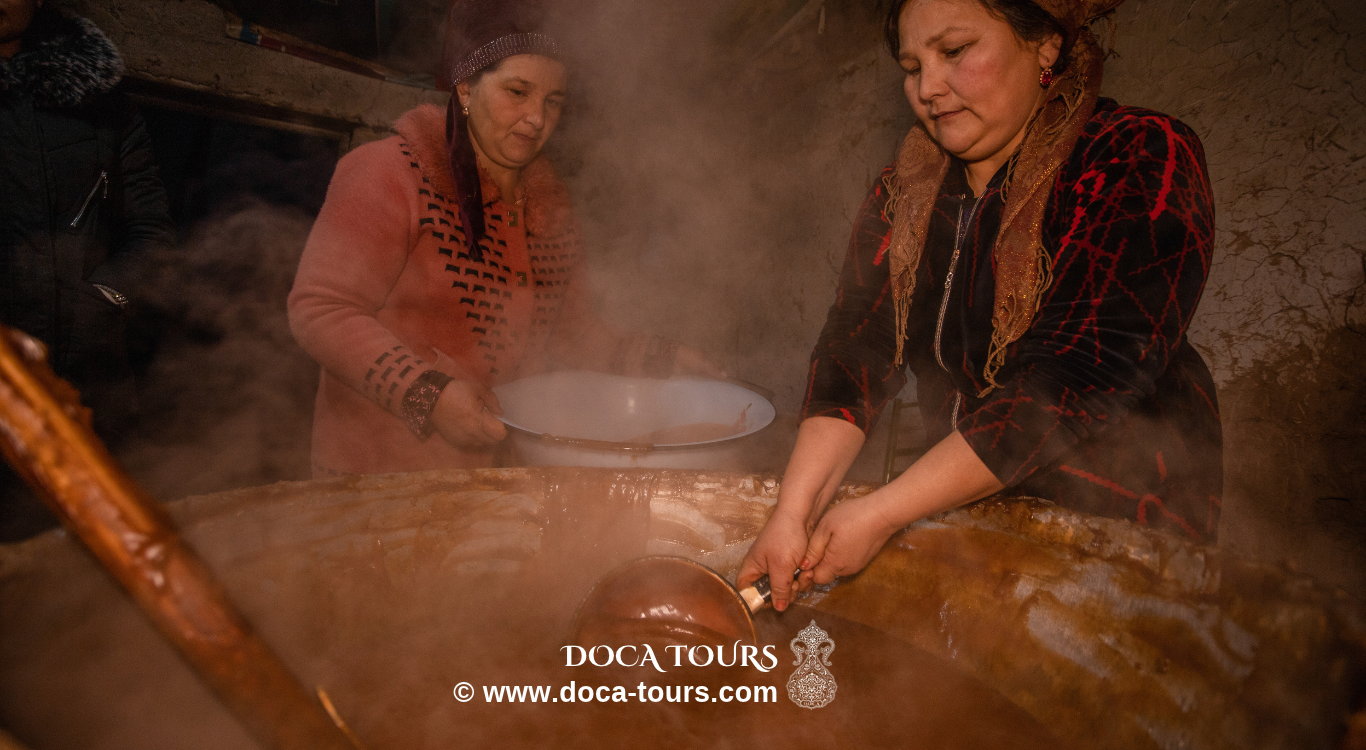
24-Hour Preparation: The wheat sprouts are ground and pressed. The extracted juice is simmered in
large cauldrons (kazans) over an open fire with constant stirring for up to 24 hours.
Women's Community: Neighborhood women take turns stirring with large ladles, singing folk songs, dancing, and telling stories.
Stones as Good Luck Charms: Washed pebbles or walnuts are placed at the bottom of the cauldron to prevent the
mixture from burning. Whoever finds a pebble in their bowl when the dish is served is granted a wish,
as it is considered a bringer of good luck.
Sharing Together: The finished sumalak is distributed in jars to neighbors, relatives, and friends.
It is said that anyone who tastes it from seven different cauldrons in
one season will experience a particularly fortunate year.
Traditional Dishes of the Festive Table (Dastarkhan)
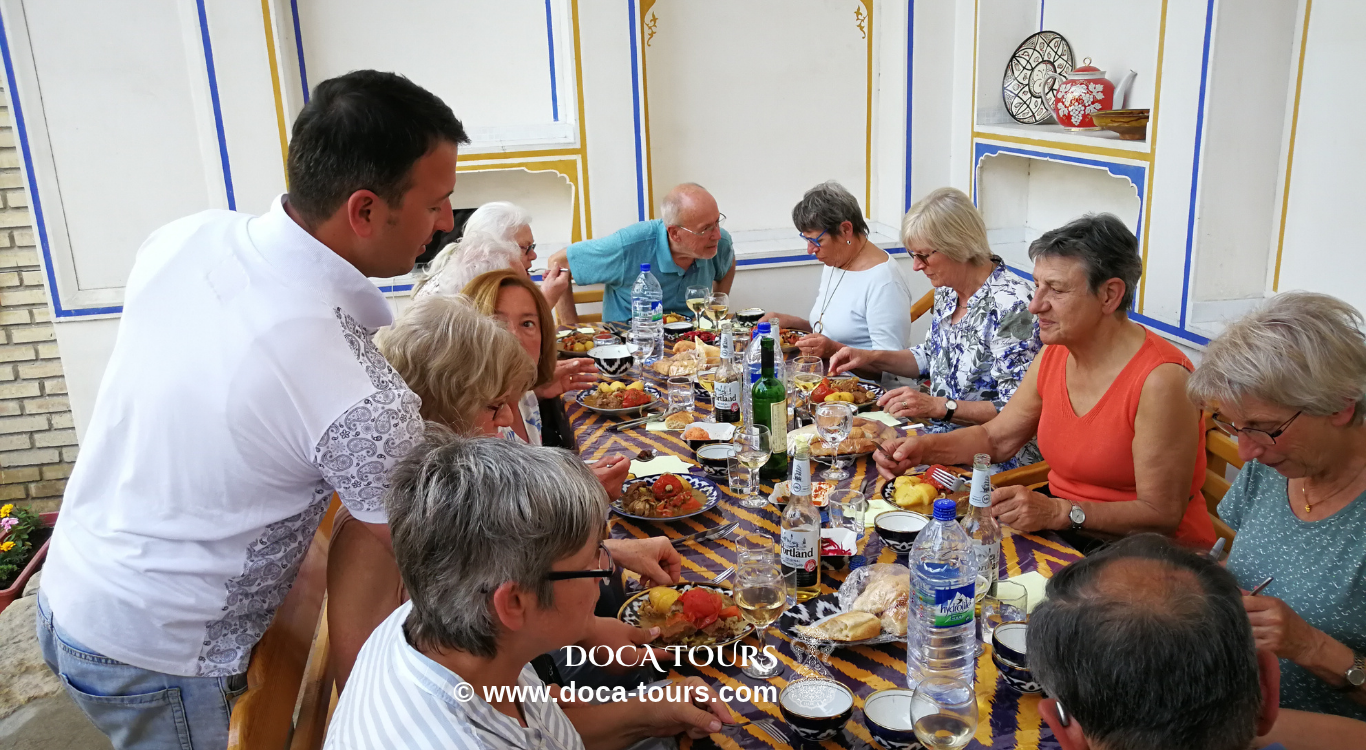
The festive table (dastarkhan) is richly spread for Navruz to invoke prosperity and abundance for the coming year:
Kuk Somsa & Kuk Chuchvara: Baked pastries and boiled dumplings filled with wild spring herbs and fresh greens.
Holiday Dish: The Uzbek national dish, plov, served with lamb, yellow carrots, raisins, and spices.
Halim & Nishalda: Halim is a nourishing meat and wheat porridge, while nishalda is a sweet white
froth made from whipped egg whites, sugar, and soapwort roots.
Haft-Sin: In some traditions, seven symbolic items are displayed whose names in Persian begin with the letter "S."
Equestrian Games, Folk Festivals, and Street Theater
During Navruz, public squares and rural pastures transform into venues for traditional customs and competitions:
Traditional Sports (Kupkari & Kurash): In rural regions, hundreds of horsemen compete in the fast-paced equestrian game
Kupkari (Buzkashi) for a trophy; alongside this, belt-wrestling tournaments (kurash) take place nationwide.
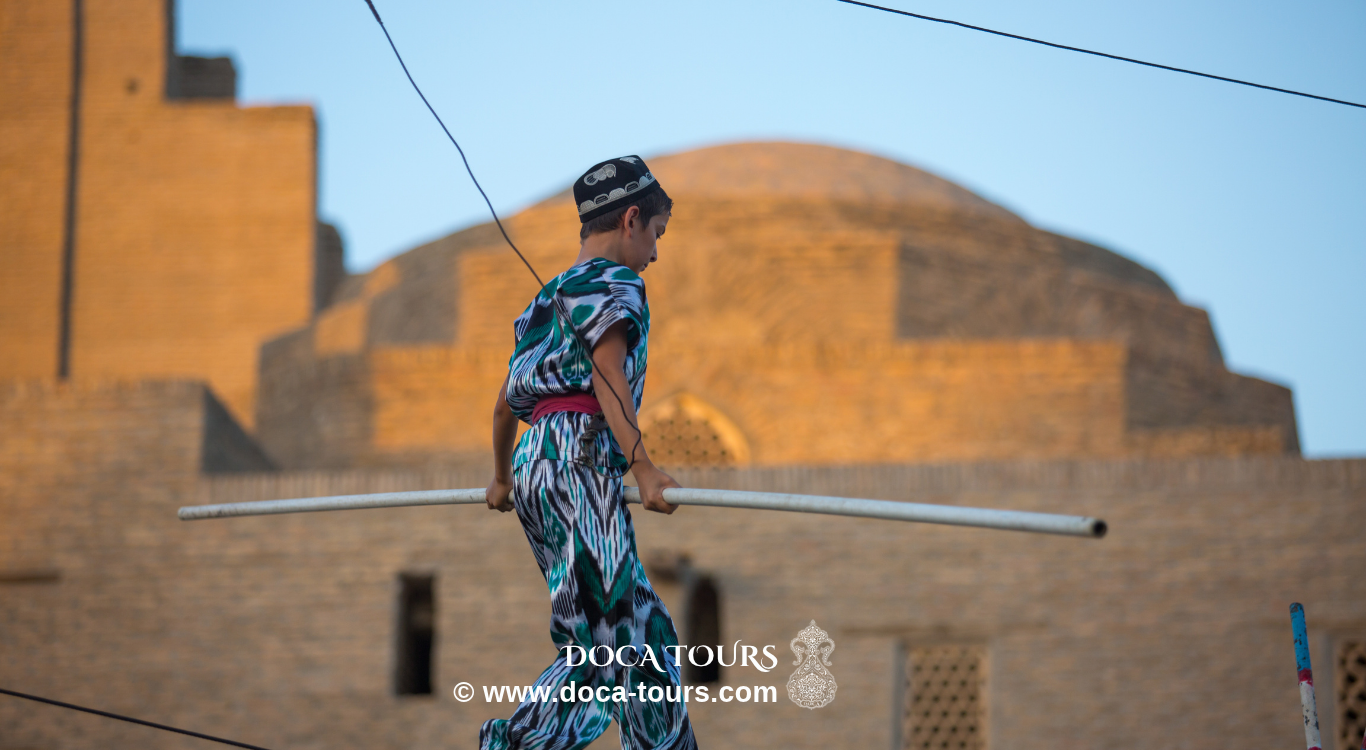
Music and Stage Arts: The sounds of long trumpets (karnay) and oboes (surnay) open the festivities. Tightrope walkers
(dorboz) and traditional comedians (maskharaboz) perform, while ensembles present historical dances such as the Katta Uyin.
Spring Rituals: Regional flower festivals such as Lola Sayli (Tulip Festival) or
Gulgardoni (welcoming spring with snowdrops) celebrate the blossoming of nature.
Frequently Asked Questions (FAQ)
When is the Navruz Festival celebrated in Uzbekistan? The Navruz Festival takes place every year on
March 21st, on the day of the vernal equinox.
What is sumalak and how is it prepared? Sumalak is a sweet spring dish made from sprouted wheat and flour,
cooked in large cauldrons with constant stirring for 24 hours.
What is Kupkari at the Navruz Festival? Kupkari is a traditional equestrian game in Central Asia
where horsemen compete for a trophy and ride across the field.
Planning your trip to Uzbekistan? DOCA TOURS organizes customized spring tours and cultural programs for
you to experience the traditions of Navruz in Tashkent, Samarkand, and Bukhara authentically.