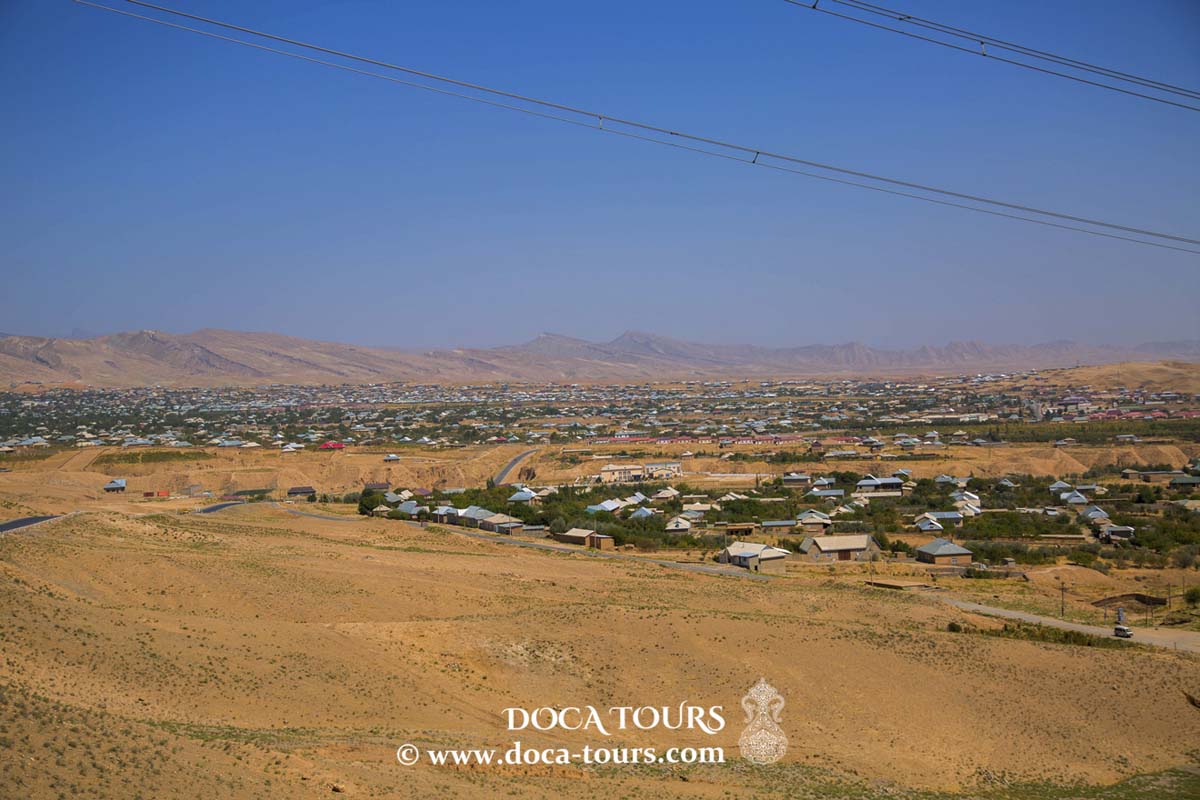
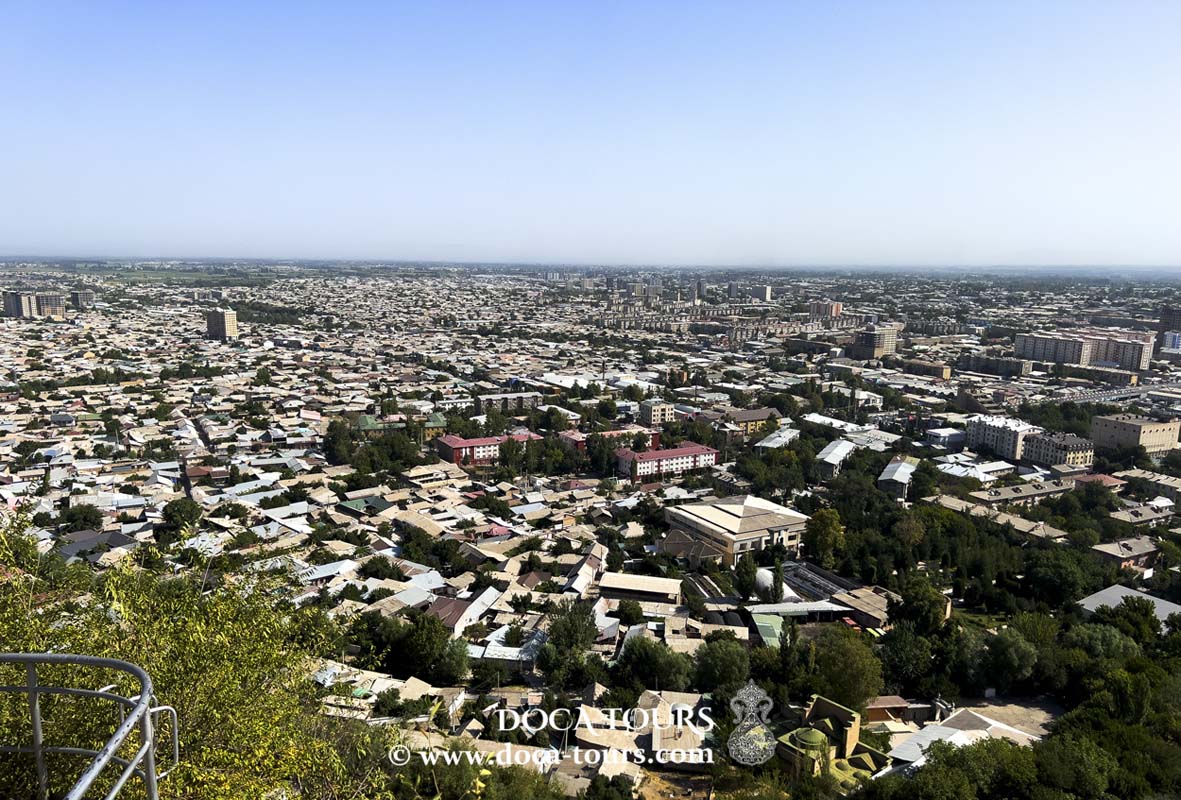
Nurata (Uzbek: Nurota / Нурота) is a city in the Navoi Region of Uzbekistan and serves as the administrative center of the Nurata District. It is located 55 kilometers north of the regional center, Navoi, and the nearest railway station.
Nurata was granted city status in 1976, having previously been classified as an urban-type settlement and, before that, a village (kishlak).
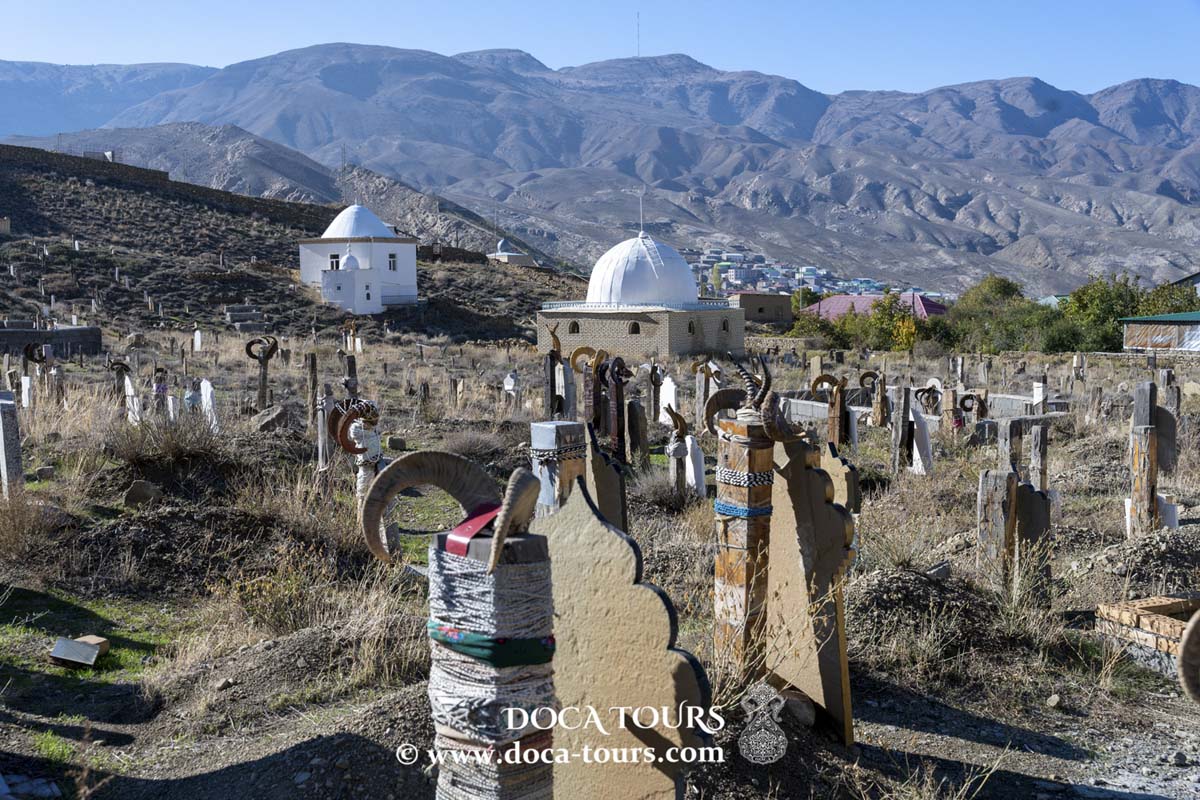
The city is home to the renowned Chashma Spring, believed to have healing properties, and is a significant religious center that attracts both pilgrims and tourists.
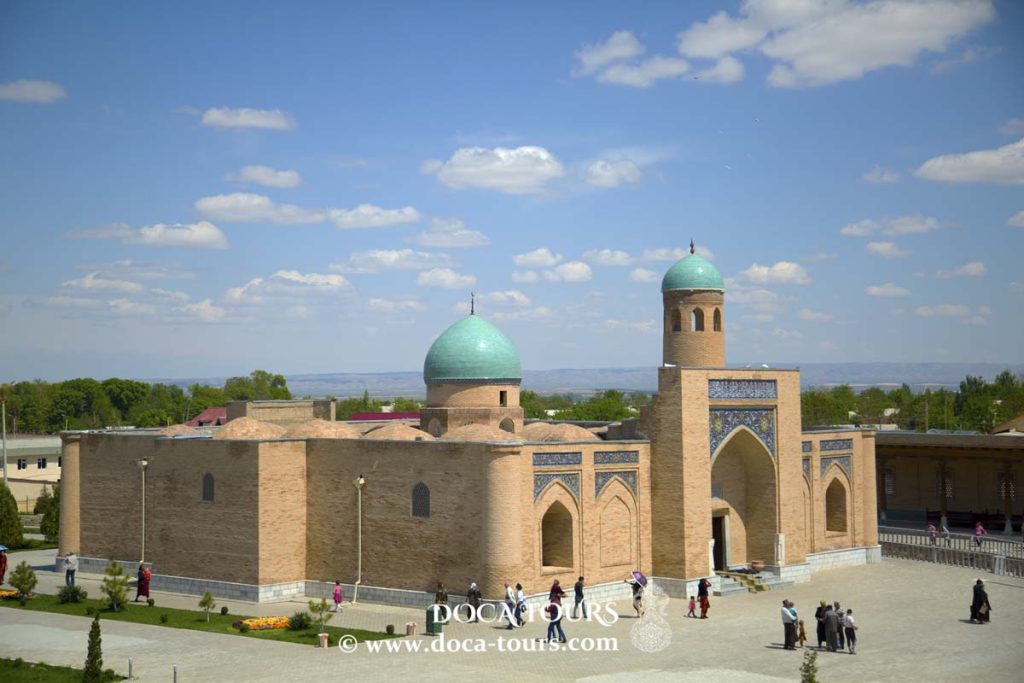
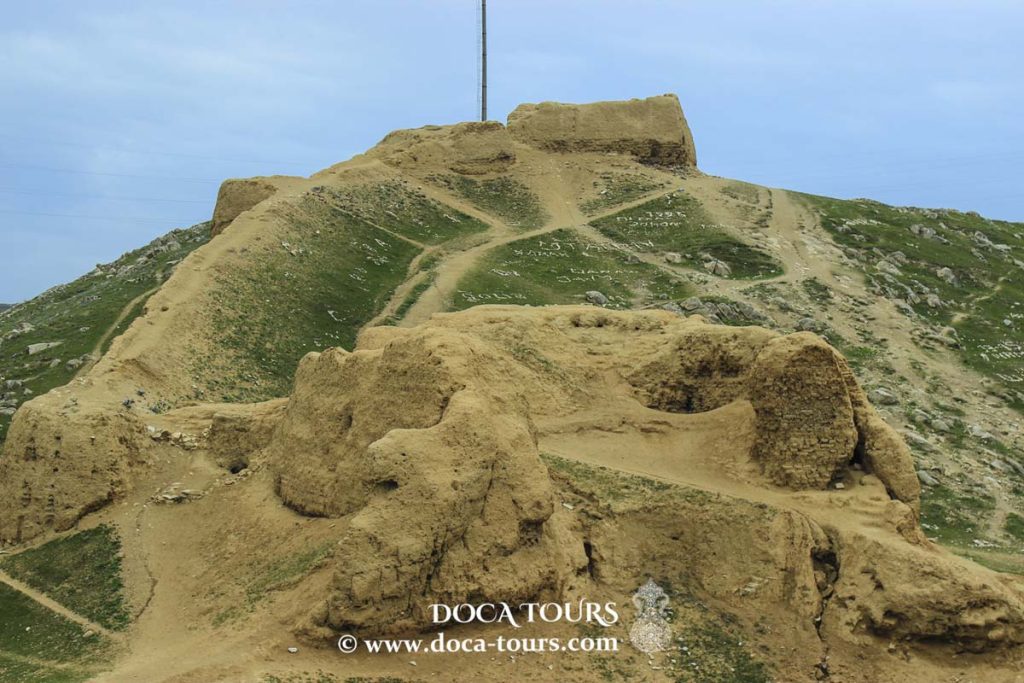
The origins of Nurata are linked to Alexander the Great, who, according to legend, established the Nur Fortress in this area. The historian Narshakhi describes Nurata as a Bukharan village named Nur, known for its central mosque and numerous guesthouses (rabats). It was famous for its sacred burial sites, which drew pilgrims from far and wide.
Situated on the border between cultivated lands and the steppe, Nurata held strategic importance. It served as a fortified outpost during the struggles of the last Samanid ruler, Muntasir, against his enemies. Seljuk descendants, after leaving Jend, were welcomed by the Samanids and settled near Nurata.
In 1220, Genghis Khan and his main forces passed through the Kyzylkum Desert to reach Nurata from Otrar. The city was taken by the Mongol vanguard, and in January 1220, Toir Bahadur led the advance troops into Nur. Mistaking them for caravans, the locals welcomed them peacefully. Subutai later arrived and requested the inhabitants leave the city. Following Genghis Khan's orders, the city was taxed. The local governor's son, Elkhodja, was sent to assist the Mongols in the siege of Dabusiya with 60 local men.
Historical records mention an unknown route to Nurata, revealed when several Turkmen from the village of Zernuk guided the Mongols through it. This path later became known as the "Khan's Road."
From the 16th century, Nurata was part of the Bukhara Khanate and served as the administrative center of the Nurata Bekdom. During the reign of Abdullah Khan II, the Khanband Reservoir was constructed in the Nur Mountains, and the Nurata Chashma Complex was built between the 16th and 17th centuries.
In 1756, Nurata was incorporated into the Emirate of Bukhara. Following the assassination of Muhammad Rahim Abulfayz Khan, the governor of Nurata, Yadgar, declared independence. However, Muhammad Rahim recaptured the city and suppressed the rebellion. After his death, another uprising occurred during the rule of Amir Daniyalbek.
In 1837, Emir Nasrullah Khan exiled his prime minister, Hakim Khan, to Nurata. During the Russian invasion of the Bukhara Emirate, Siddiq Kenesariev led a rebellion in Nurata. Abdulmalik, the son of the Bukharan emir, captured the governor Abdulkarim and transported him to Khorezm. Despite these upheavals, Nurata remained under the Emirate of Bukhara's control.
In 1872, Russian forces under General Kaufman marched to Khiva and passed through Nurata, where Kaufman received Khiva’s ambassador. At the time, the Nur Fortress remained a key strategic point. Under the Russian-Bukhara treaty, the Nur Fortress was officially recognized as Bukhara territory.
Mirzo Salimbek, a historian and government official under Emir Abdullahad, documented that he served as Nurata's governor for four years. He highlighted the city's sacred tombs and monuments as sources of pride. After his tenure, Mullo Sharifbi briefly served in the same position. Nurata's karakul wool products were also of great economic interest to the emir.
In 1918, Olimjon appointed Rakhmatullokhodzha, the son of Nizamiddin Urgandji, as governor. Rakhmatullokhodzha is considered the last ruler appointed by the emirs in Nurata's history. Following the Bolshevik conquest in 1920, he fled to Eastern Bukhara and later to Afghanistan, where he died in 1925.
In the early 1920s, anti-Soviet movements led by Mullo Abdul Kakhkhor gained traction, and Nurata remained under the control of Mujahideen forces until 1923. A prominent figure in the resistance was Latif Devonbegi, a devoted follower of Abdul Kakhkhor.
That same year, Abdul Kakhkhor’s forces were driven out of the city. A revolutionary committee (revkom) was established in Nurata, with leaders like Sharof Barotov playing key roles.
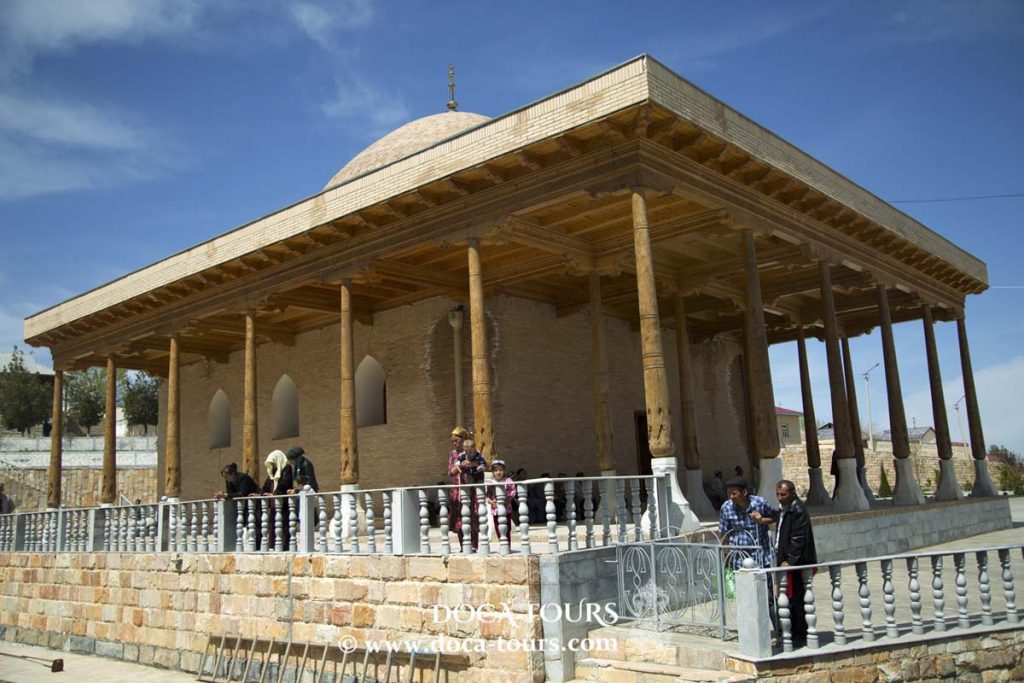
By the 1920s, Nurata was home to 32 mosques, divided across four districts. The city remains steeped in history, with its sacred sites, such as the Chashma Spring, and ancient monuments attracting visitors from around the world.
Nurata is a small town located in the Navoi Region of Uzbekistan, approximately 50 kilometers north of Navoi city, at the edge of the Kyzylkum Desert. The town is renowned for its ancient history and spiritual significance.
Even in antiquity, Nurata was a major settlement. The name "Nur" translates from Uzbek as "ray" or "light." According to legend, a meteorite once struck the area, and mysterious lights are still occasionally reported above Nurata. These phenomena contribute to Nurata’s reputation as a sacred site and a popular pilgrimage destination.
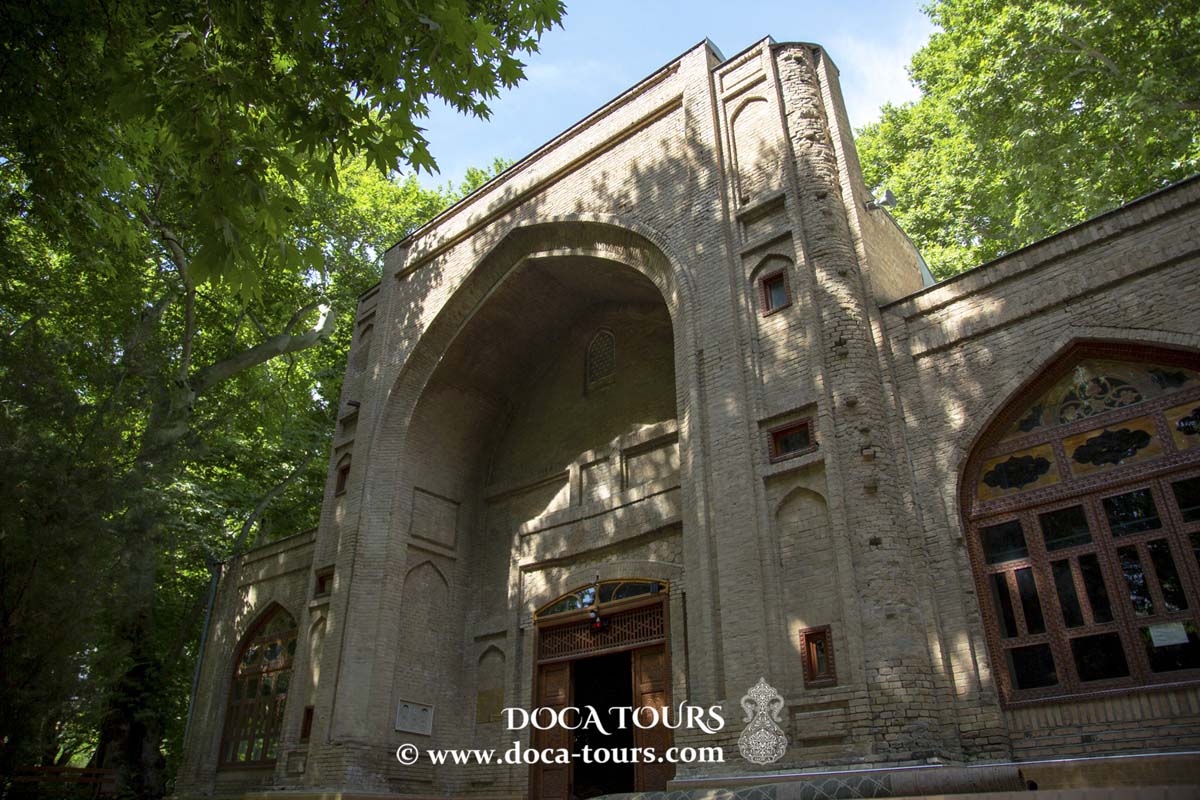
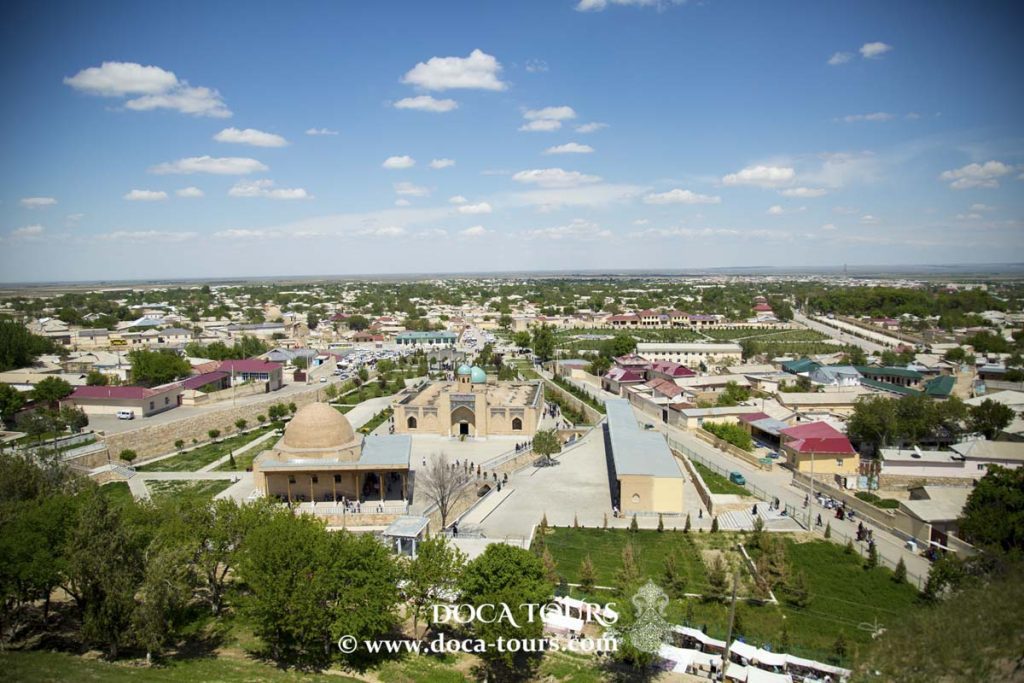
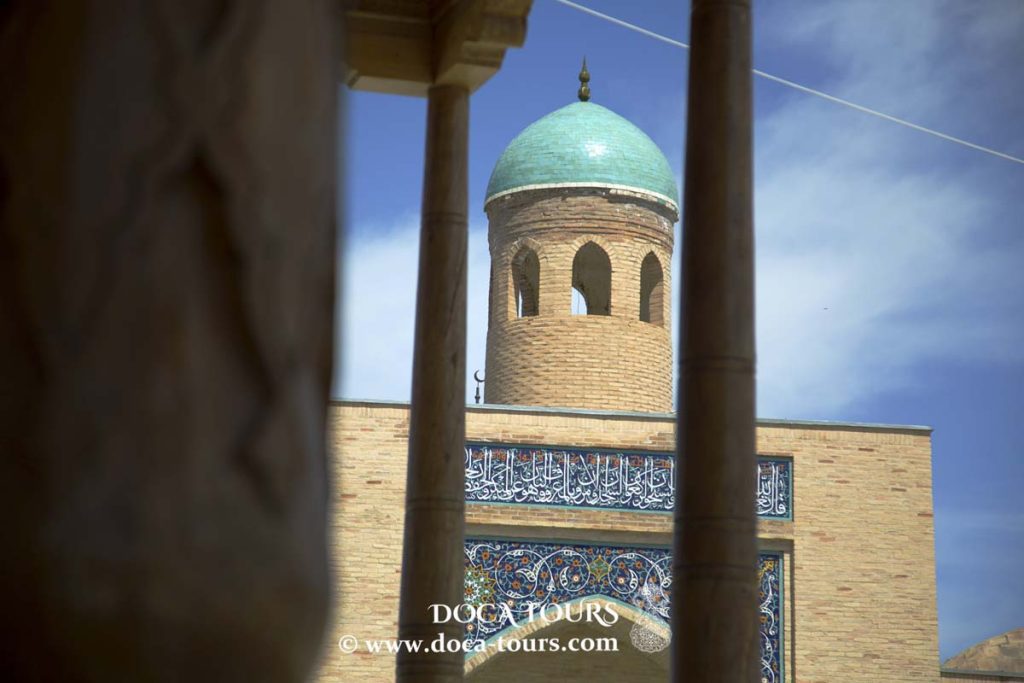
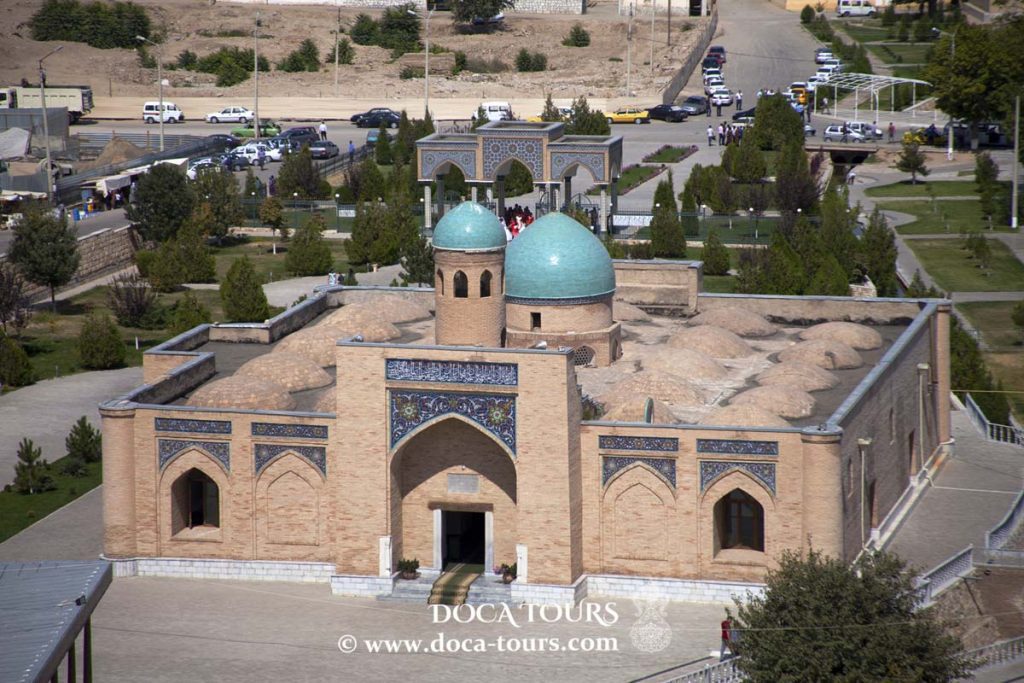
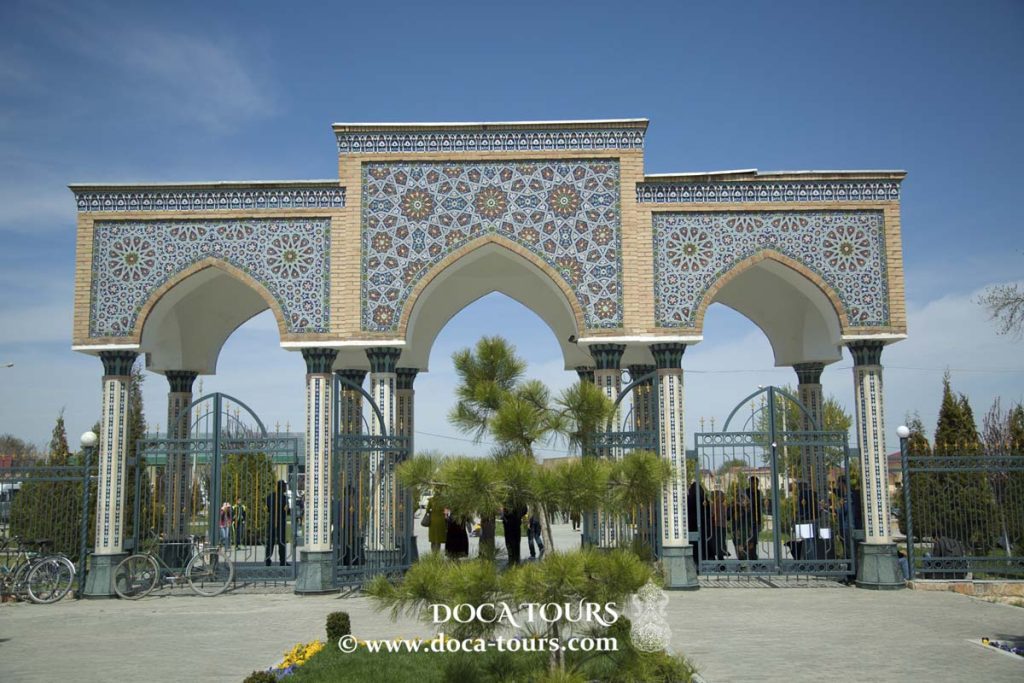
Nurata is home to the Chill-Ustun Complex, a religious site featuring two mosques dating back to the 10th–16th centuries. The main mosque, Chill-Ustun, is notable for its 40 columns and a dome approximately 16 meters in diameter. The complex also includes the Panch Vakta Mosque, the burial site of the revered saint Nur-Ota (Sheikh Abul Hasan Nuri), and a sacred pool filled with “holy” fish of the trout family (marinka). The pool is supplied by an underground spring, known locally as the Chashma, which is also considered holy.
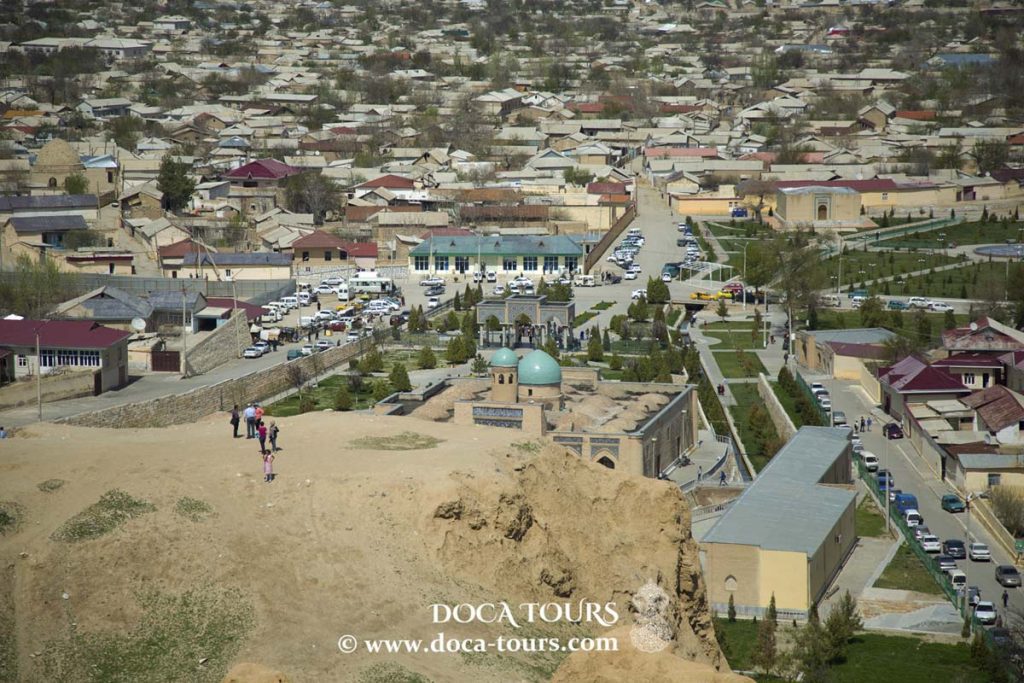
Nearby, the ruins of an ancient fortress can still be seen. These ruins are believed to have been constructed by the forces of Alexander the Great.

On the outskirts of Nurata lies a functioning system of karez, an ancient underground water conduit. This system has been operational since ancient times and remains in use today, continuing to provide water just as it did centuries ago.
Such underground irrigation systems were once widespread throughout Central Asia, but the karez in Nurata is one of the few that have survived to the present day. Its enduring functionality is a testament to the ingenuity of ancient engineering and its importance to the local community.