Margilan (Uzbek: Marg‘ilon/Марғилон, pronounced [marʁɨlɒn]; Russian: Маргилан) is a city in eastern Uzbekistan, situated in the Fergana Region, with a population of 253,500 as of 2024.
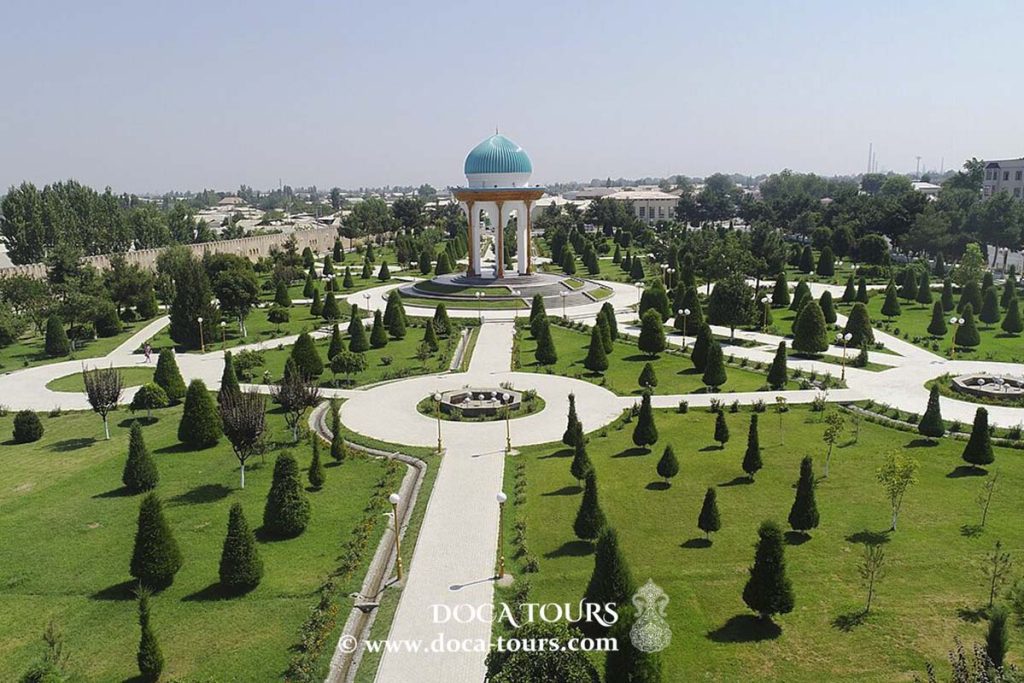
Nestled in the southern Fergana Valley, Margilan was a vital hub on the ancient Silk Road, where caravans traveling between China and the West passed through. The city has been celebrated for its silk production since at least the 10th century. According to local lore, Margilan was established by Alexander the Great. The story recounts that during a visit, Alexander was served chicken (murgh in Persian) and bread (nan in Persian), inspiring the name "Margilan." While the legend endures, historical accounts place the city's prominence on the Silk Road by the 9th century, with trade routes connecting it to Kashgar via the Alay Mountains.

Margilan’s reputation as a thriving trade center was acknowledged in the 16th century by Babur, the founder of the Mughal Empire. He praised the area for its excellent pomegranates, apricots, and game, while also noting the strength and feisty character of its residents, whom he referred to as Sarts. Margilan became synonymous with commerce, conservative Islam, and independence, even during Soviet times when it was a center for black-market trading.
Archaeological studies in Margilan between 1994 and 2004 revealed the practice of irrigated agriculture in the region dating back to the 4th–3rd centuries BCE. The settlement itself likely originated in the 2nd–1st centuries BCE, coinciding with the expansion of the Silk Road through the Fergana Valley. The earliest documented mention of the settlement dates to the 9th century, with its name appearing in records from the 10th century. Despite legends, historical evidence suggests that Alexander the Great never reached Fergana, with his furthest expansion in Central Asia stopping at Khujand.
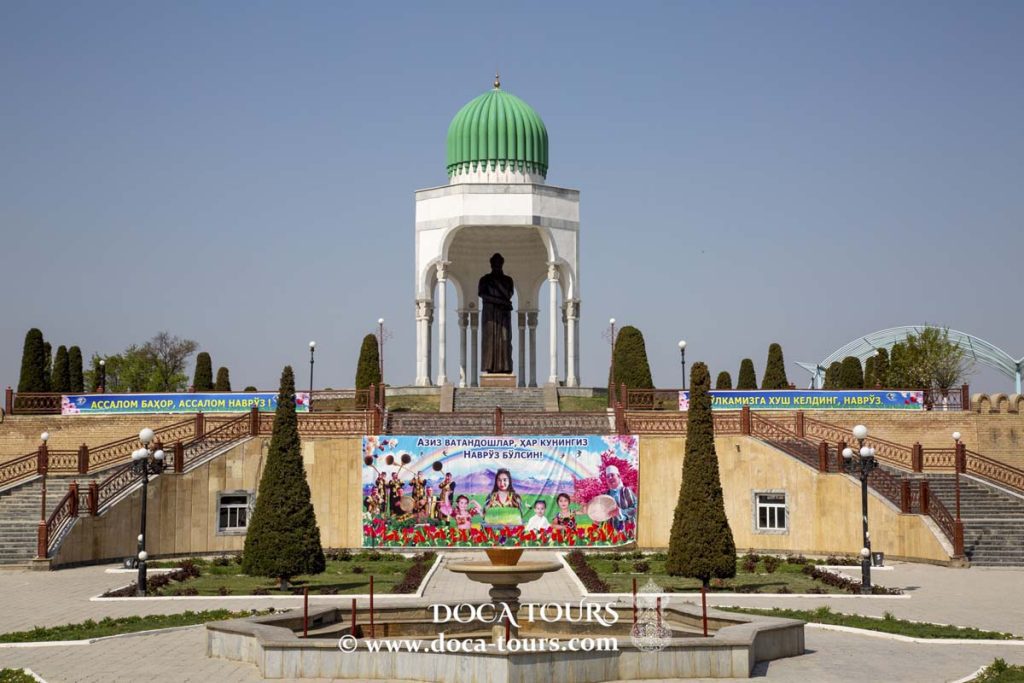
During World War II, Margilan played a role as a temporary station for the Polish Anders' Army. In 1942, the 9th Infantry Division was stationed there before departing to fight Nazi Germany. A Polish military cemetery in Margilan commemorates this period.
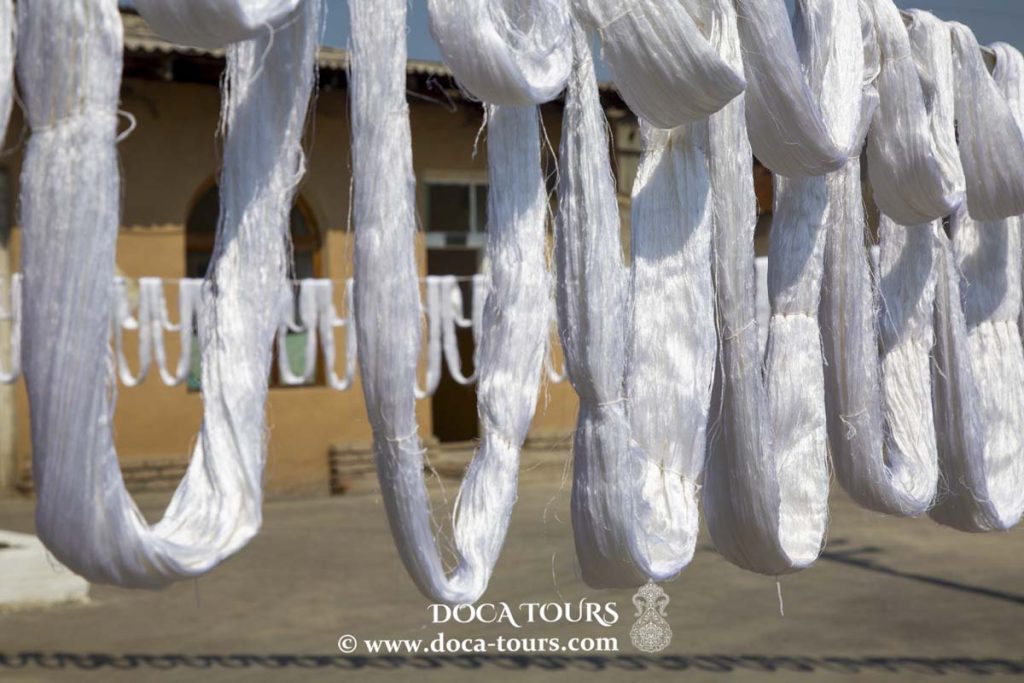
Margilan has long been a renowned center of silk production. The Yodgorlik Silk Factory, employing over 2,000 people, produces 250,000 square meters of silk annually using traditional methods. In contrast, the Margilan Silk Factory employs 15,000 workers, manufacturing 22 million square meters of silk each year with modern machinery. The city also has numerous artisans and small workshops creating handmade silk goods.
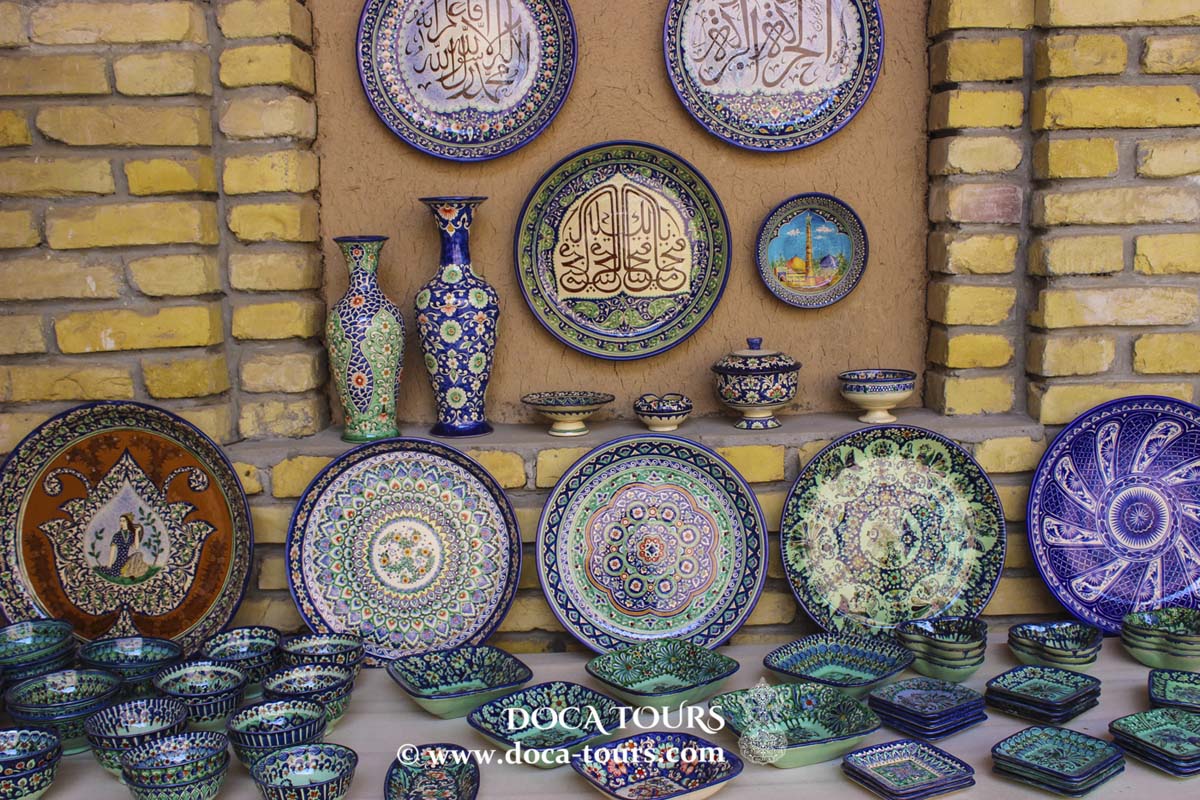
Historically, Margilan's economy thrived during the Soviet era, with the establishment of a silk mill, textile, repair, woodworking, and dairy factories. Today, the economy revolves around its wholesale bazaar, food markets, and a strong private sector dominated by trade and handicrafts.
Margilan remains a vital cultural and economic center, blending its ancient traditions with modern industry.
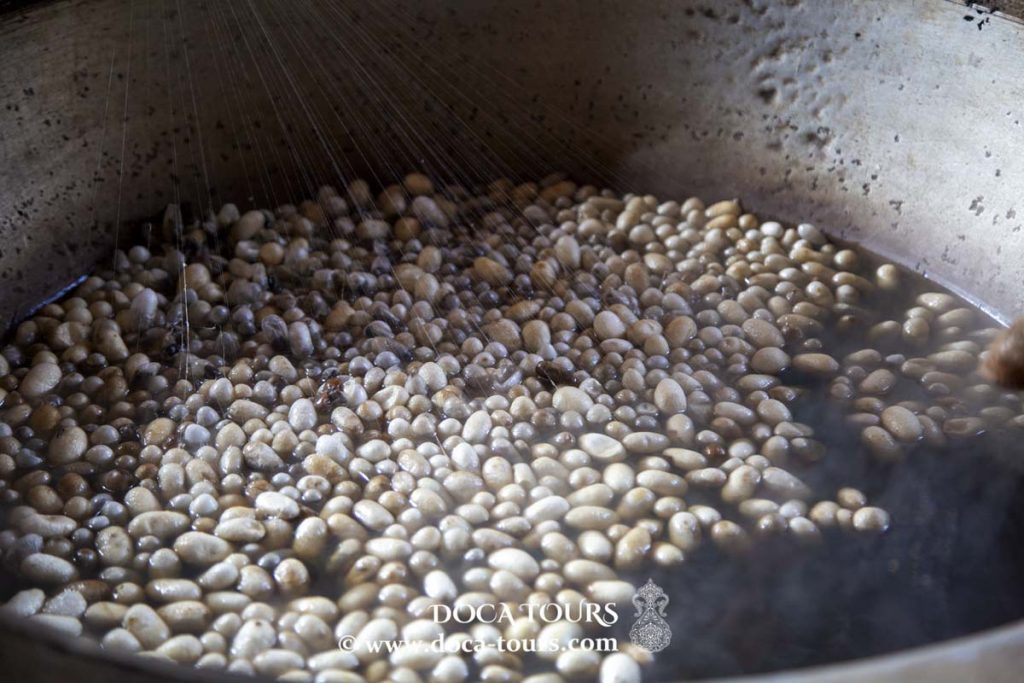
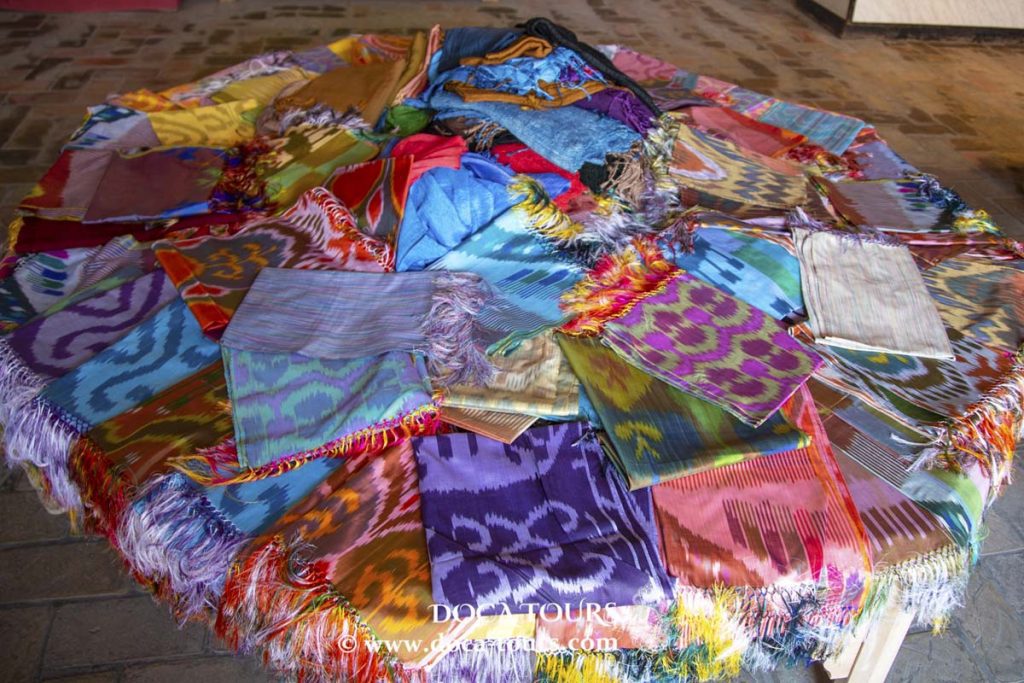
Founded in 1983, the Yodgorlik Silk Factory was established to preserve Margilan's traditional silk-weaving techniques amidst growing industrialization. The factory employs over 200 workers, handling the entire production process—from feeding silkworms with mulberry leaves to dyeing the silk with natural mineral and plant-based dyes, and weaving it into fine textiles. Open to visitors, the factory offers guided tours that showcase Margilan's silk-making heritage.
This state-operated facility represents the industrial side of silk production in Margilan. Once employing 15,000 workers at its height, the factory produced up to 22 million square meters of silk annually. Although it operates at a smaller scale today, visitors can still explore its premises.
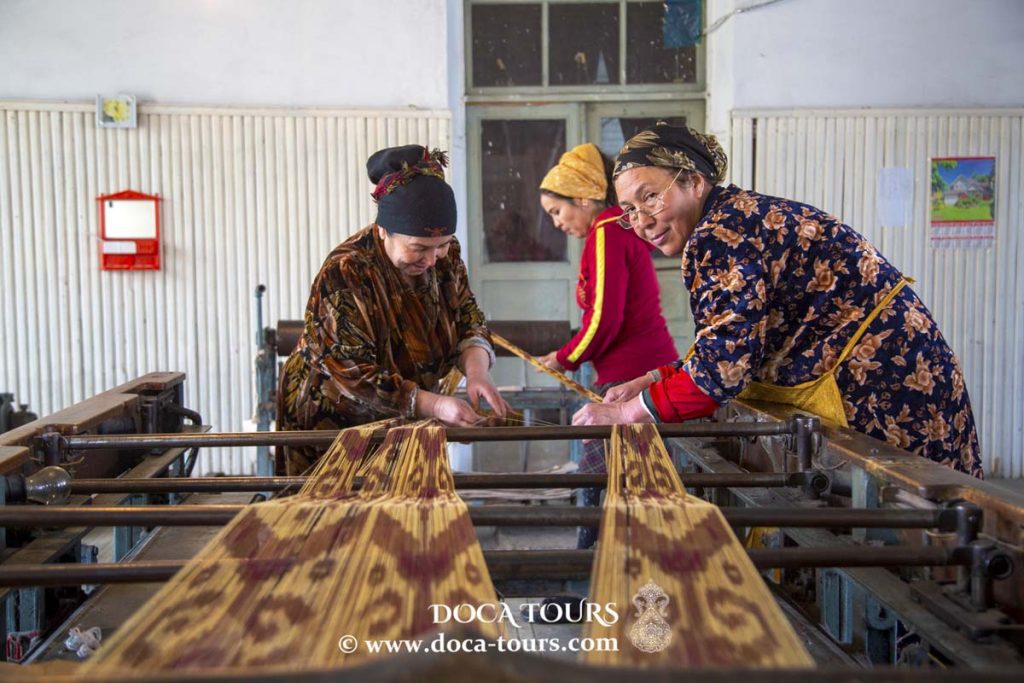
Located about 5 kilometers west of the city center, the Kumtepa Bazaar is one of Central Asia's liveliest markets. Held on Sundays and Thursdays, the bazaar offers a vibrant array of textiles, fresh produce, and household goods, making it a must-visit spot for both locals and tourists.
Situated near Margilan's Central Bazaar, the Toron Mosque was built in the 19th century by Said Akhmad Khodjaev, a prominent philanthropist and advisor to the Tsarist administration who later sought refuge in Margilan during the Bolshevik Revolution. Over time, the building has served as a jail and an office but now houses the Margilan Crafts Development Centre, which is dedicated to preserving the traditional art of atlas and adras textile production.
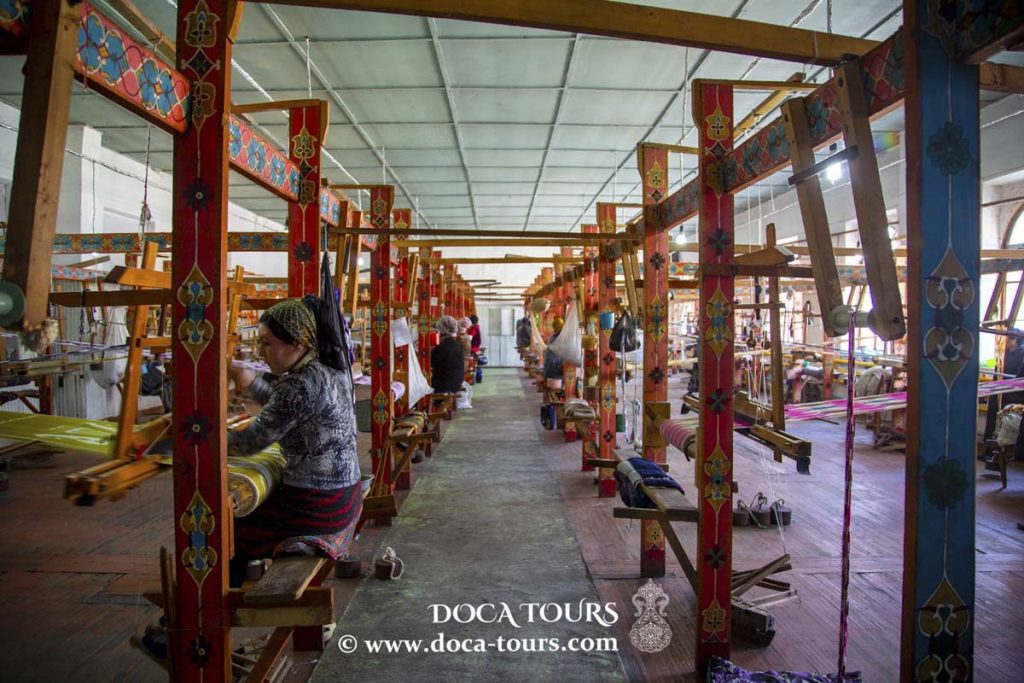
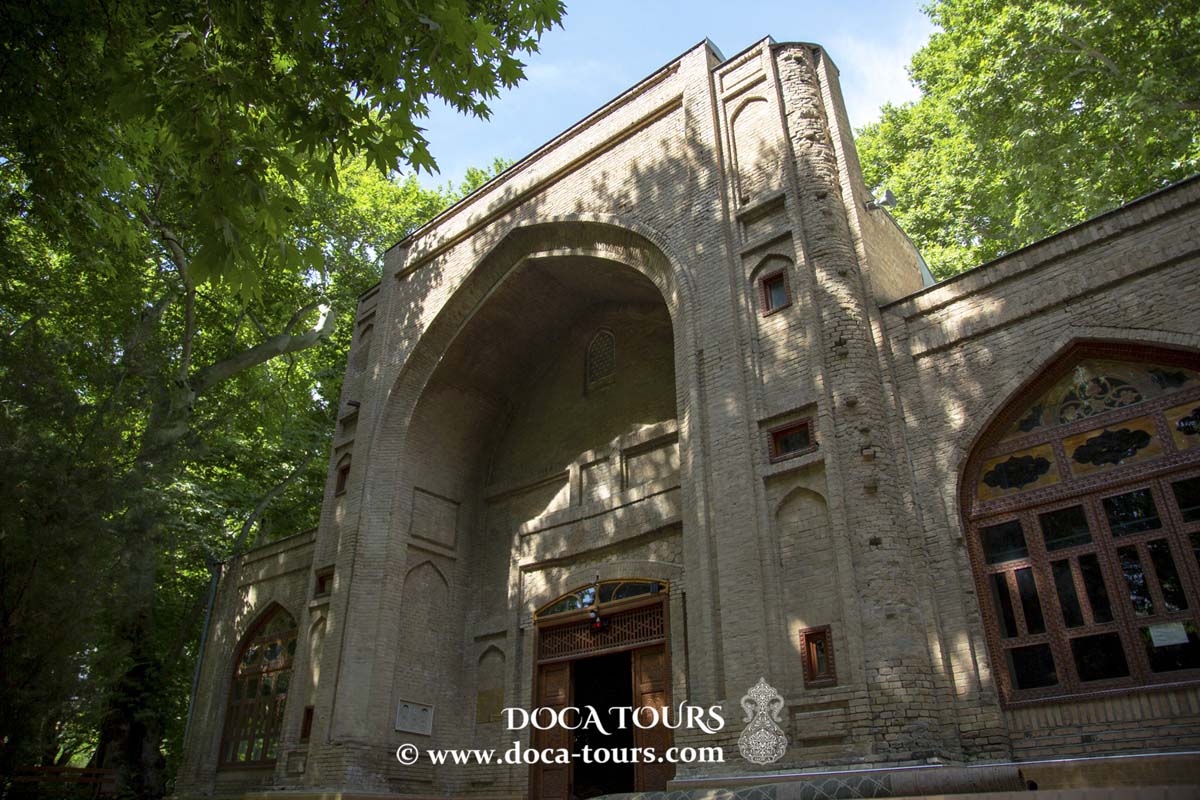
Also referred to as the Khonaqoh Mosque, this 16th-century structure is a testament to Margilan's architectural heritage. Renovated by the Ministry of Culture, the mosque features two 26-meter-high minarets and intricately carved cedar pillars crafted by Margilan’s master artisans.
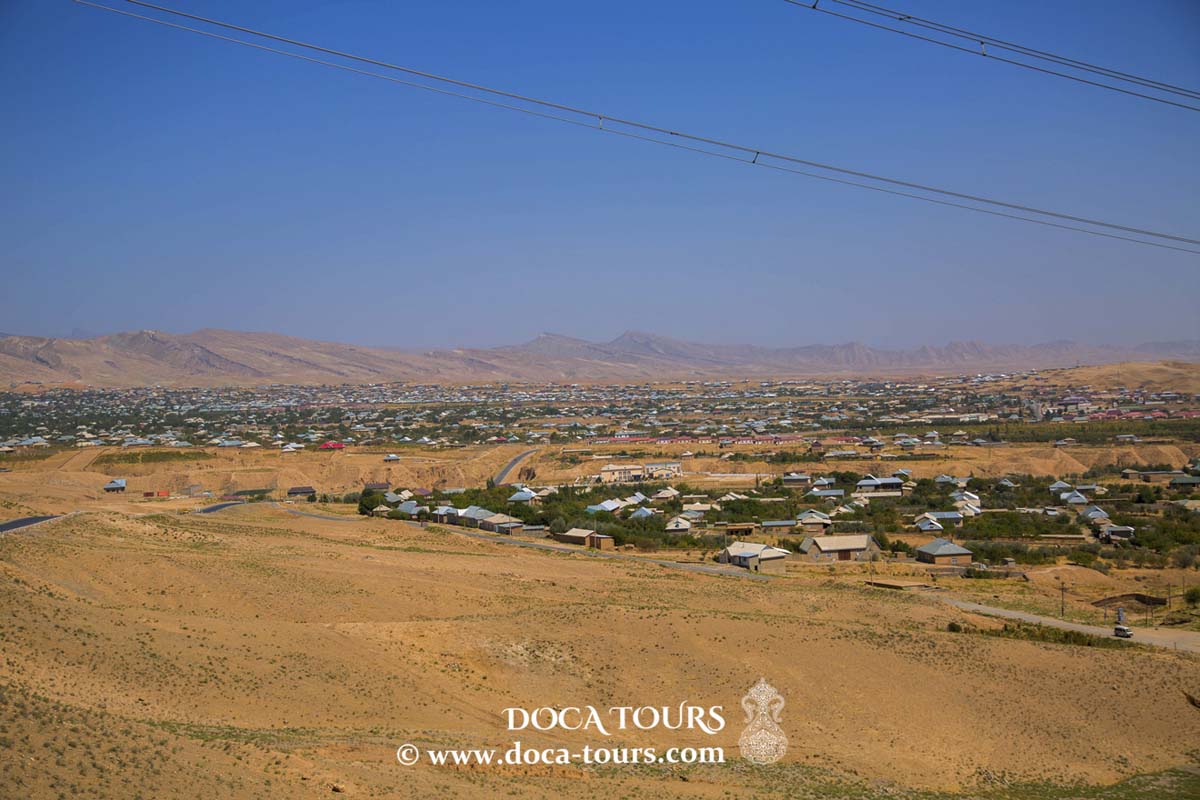
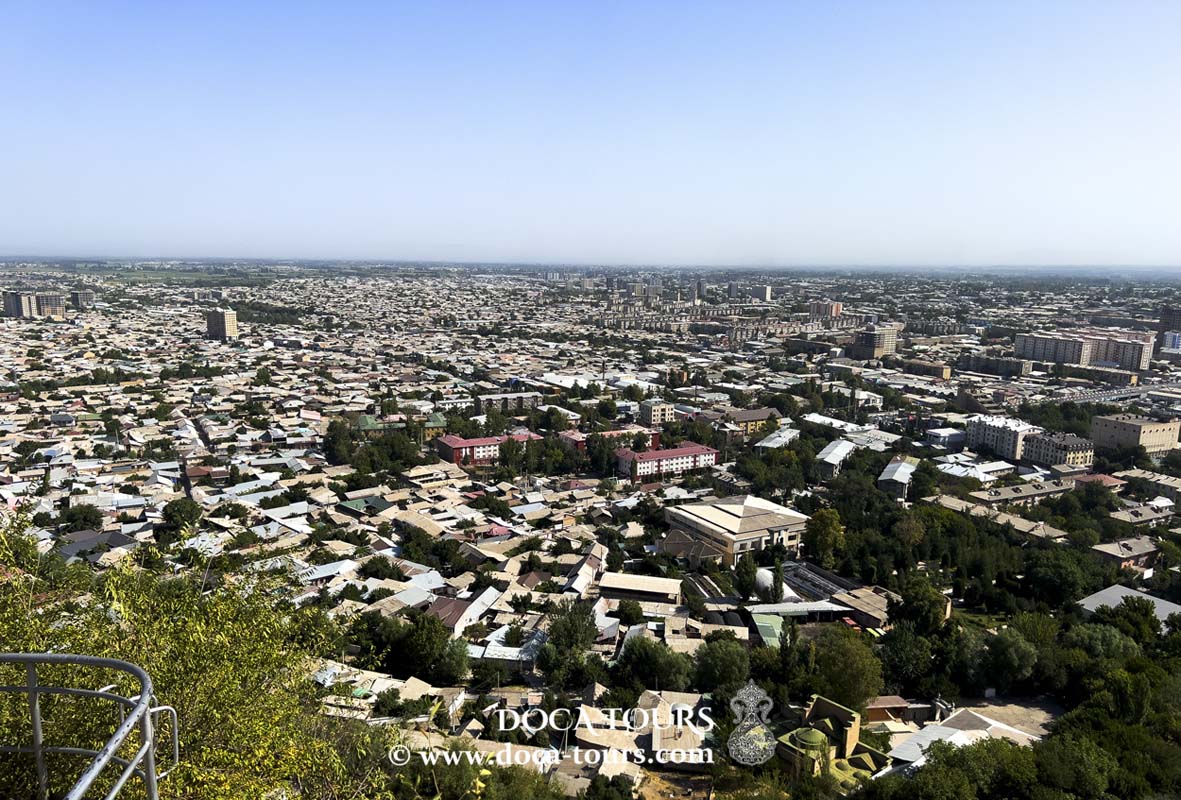
Margilan is located in southeastern Fergana Valley, nestled in the foothills of the Alay Range. It lies 9 kilometers northwest of Fergana City and is connected by rail along the Andijan-Kokand line.
Margilan is among the three major cities in the Fergana Region, alongside Fergana and Kokand. It is home to a diverse community of over 30 nationalities. As of January 1, 2014, the city's population stood at 215,400.
Historically, Margilan was recognized as a significant city in Central Asia during the first general population census of the Russian Empire in 1897, highlighting its historical importance and demographic diversity.