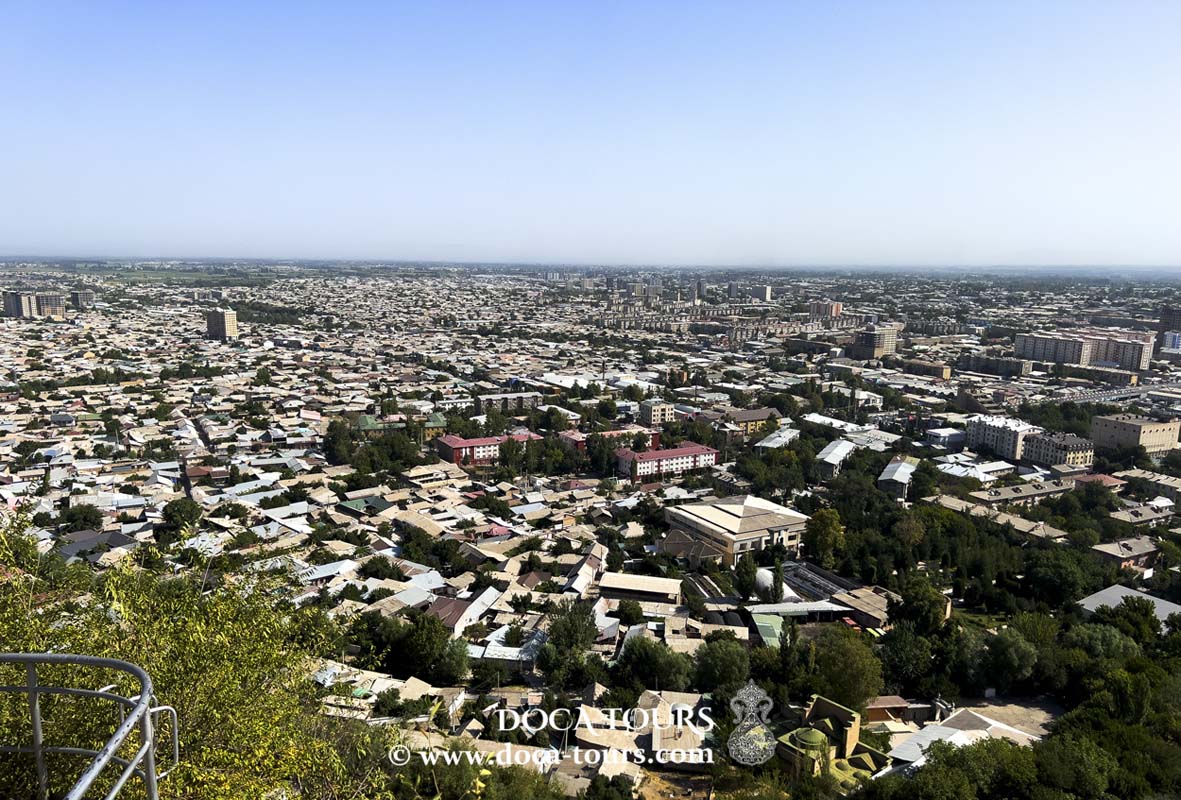
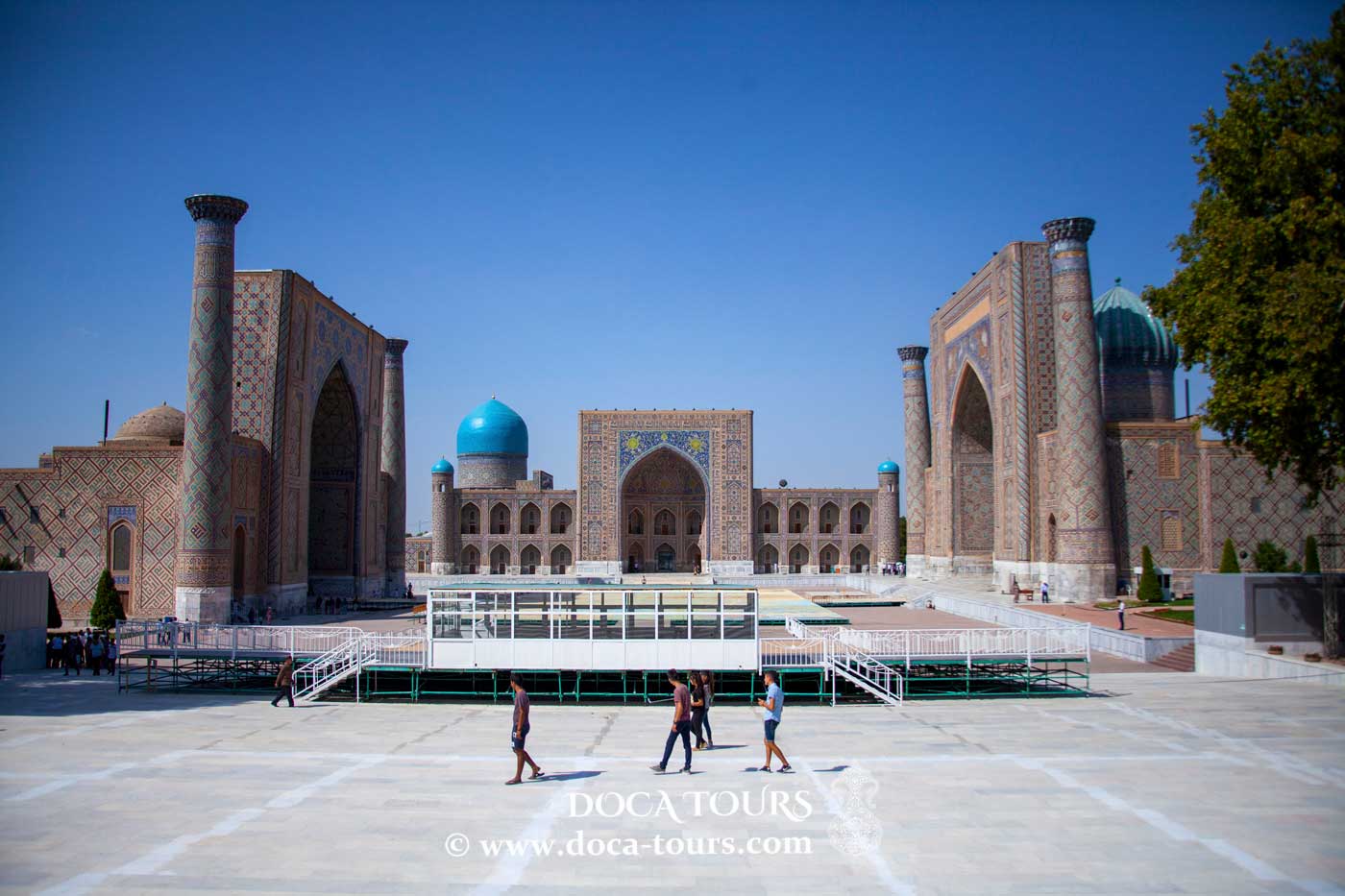
Kokand (/ˈkoʊkænd/ KOH-kand) is a district-level city in the Fergana Region of eastern Uzbekistan, situated at the southwestern edge of the Fergana Valley. The city, which includes the urban-type settlement of Muqimiy, had an estimated population of approximately 259,700 in 2022. Kokand lies 228 km (142 mi) southeast of Tashkent, 115 km (71 mi) west of Andijan, and 88 km (55 mi) west of Fergana. Known as the "City of Winds," Kokand occupies a key position at the intersection of two ancient trade routes into the Fergana Valley.
The name "Kokand" belongs to a tradition of Central Asian city names featuring the suffixes kand, kent, qand, or jand, all meaning "city" in Sogdian and other Iranian languages. The prefix khu or hu in Kokand might derive from the Iranic word for "good," as in the modern Tajik word khub, translating the city's name to "good city."
An alternative theory suggests a Turkic origin, associating the name with the "Kokan" tribal family group, part of the Kongrat tribe of Uzbeks.
Kokand is one of Uzbekistan’s oldest cities, with origins tracing back to at least the 10th century when it was known as Havakand or Hukande. Located on the Silk Road, it was a significant trade hub linking China, South Asia, Persia, and the Near East.
Archaeological excavations at sites such as Muyi Mubarak, Tepakurgan, and Eski Kurgan have revealed evidence of human settlement dating back more than 2,000 years. Artifacts from the 5th–6th centuries, fortress remains from the 1st–2nd centuries, and platforms from the Early Middle Ages suggest Kokand’s historical importance as a center of irrigated agriculture and trade. Chinese annals refer to the region as Dayuan, placing Kokand as a center of the Sokh oasis and a regional capital during the 2nd century BCE.
By the 8th century, Arab forces had conquered Kokand, establishing Islam as the dominant religion in the region. The city, like many others in Central Asia, thrived as part of the Silk Road network, facilitating trade between India, China, and the Middle East. However, in the 13th century, Kokand was destroyed by the Mongols, leading to a period of decline.
Kokand rose to prominence again in 1732 when a fort, Eski-Kurgan, was established on the site of the current city. By 1740, Kokand became the capital of the Khanate of Kokand, an Uzbek kingdom that extended its influence as far as Kyzylorda in the west and Bishkek in the northeast. During this period, Kokand became a religious and cultural hub, boasting over 300 mosques.

In 1883, Kokand fell to the Russian Empire under General Mikhail Skobelev and became part of Russian Turkistan. During World War I and the Russian revolutions, Kokand briefly served as the capital of the anti-Bolshevik Provisional Government of Autonomous Turkestan (1917–1918), also known as the Kokand Autonomy. However, this autonomy was short-lived, as Bolshevik forces burned the city and killed over 10,000 people in September 1918 during their campaign against the Basmachi movement.
Archaeological research has uncovered traces of ancient settlements and fortifications in Kokand:
These findings indicate that Kokand was a developed urban center with irrigated agriculture and monumental architecture by the 2nd century.
Kokand's location at the crossroads of major trade routes made it a vital hub along the Silk Road. The city connected China and India to Persia and the Near East, facilitating the exchange of goods, culture, and ideas. Its prosperity attracted merchants, artisans, and scholars, earning it a reputation as a prominent trade and cultural center.
Today, Kokand is a vibrant city known for its historical landmarks and cultural heritage. Among its most notable sites are:
These monuments reflect the city's rich history as a center of trade, religion, and governance in the Fergana Valley.
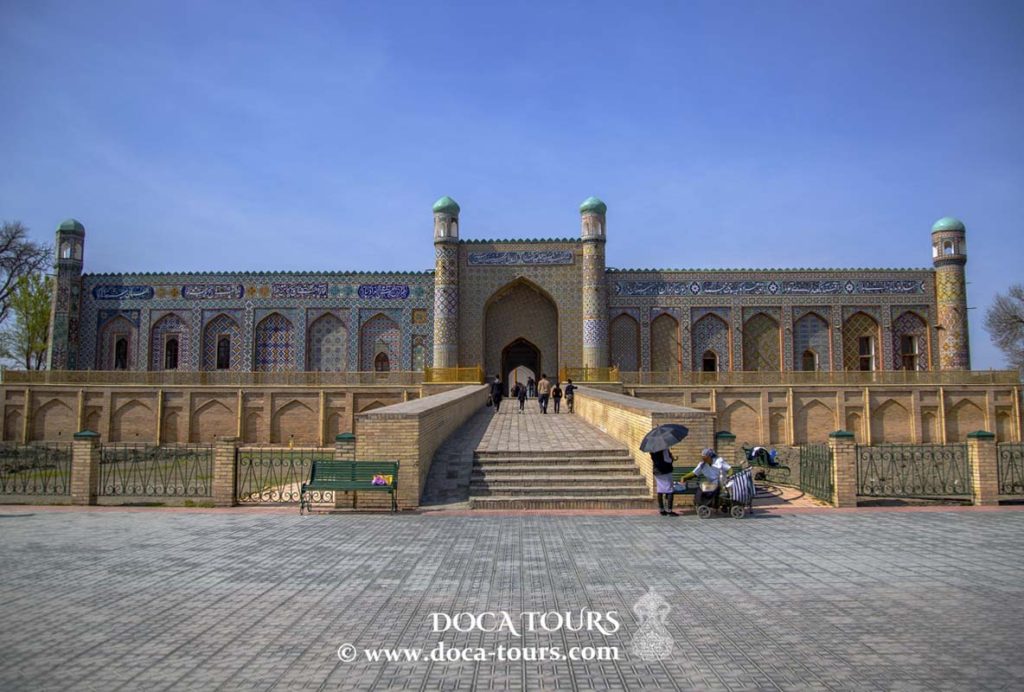
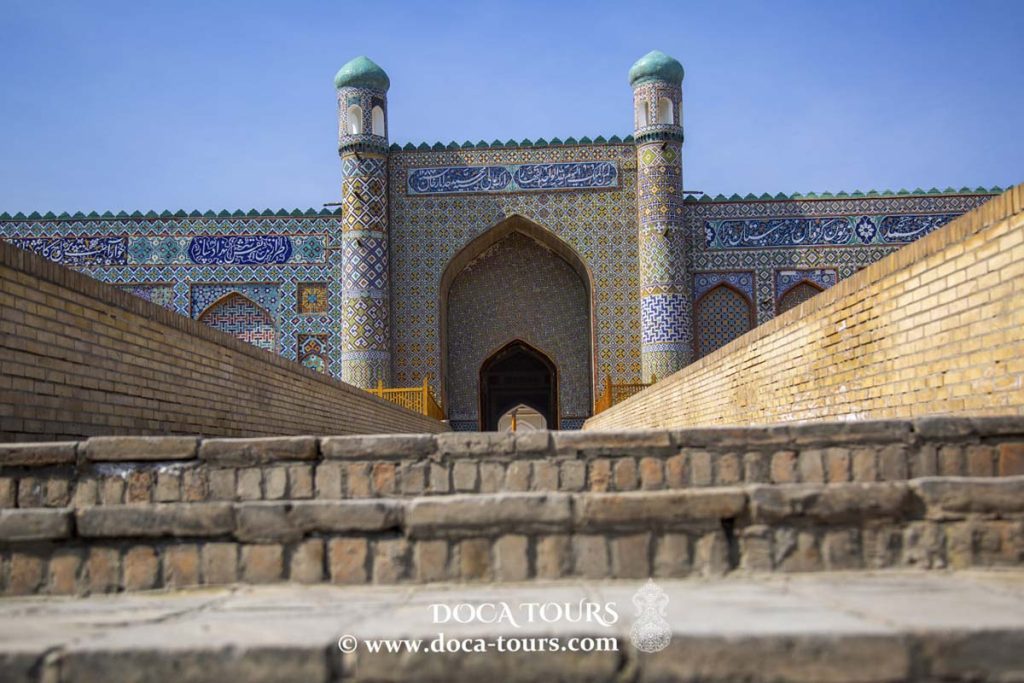
Constructed between 1863 and 1874 under the orders of Muhammad Khudayar Khan, the Palace of Khudayar Khan is one of Kokand’s most iconic landmarks. Described by American diplomat Eugene Schuyler as "much larger and more magnificent than any other [palace] in Central Asia," the palace originally featured 114 rooms spread across seven courtyards, designed by architect Mir Ubaydullo.
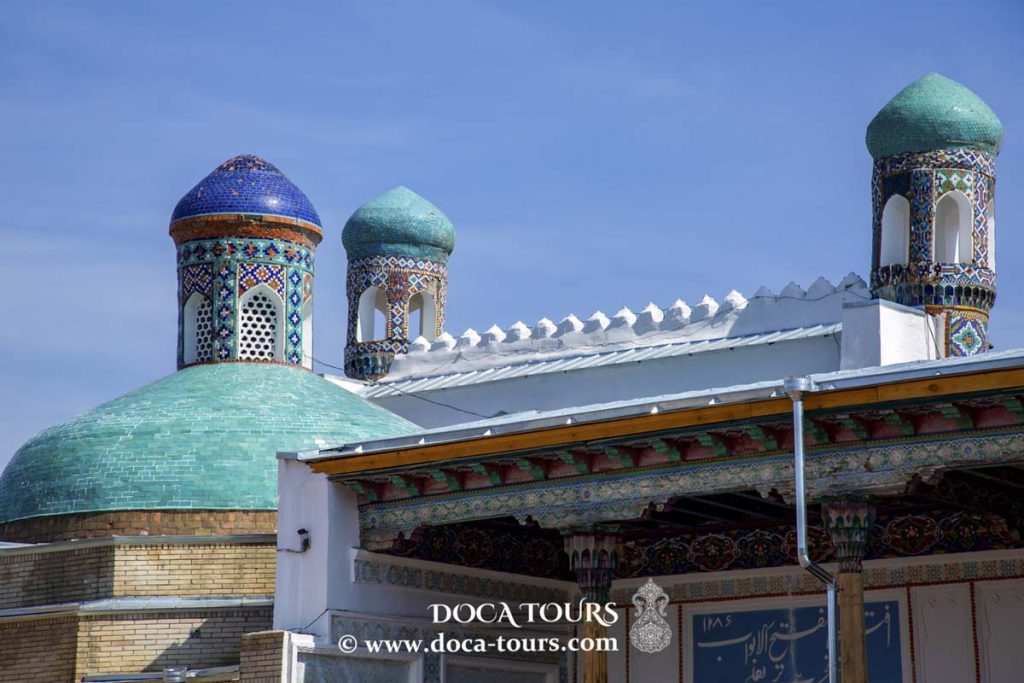
A mosaic-covered facade adorns the palace, with an Arabic inscription above the entrance reading: "The High Palace of Seid Mohammad Khudayar Khan." Despite significant portions of the palace being demolished during Soviet rule—including its harem—19 rooms have been preserved and restored. Visitors can explore these rooms, which showcase a blend of Russian and traditional Uzbek styles, along with intricate craftsmanship. The palace also houses a collection of Chinese ceramics available for viewing.

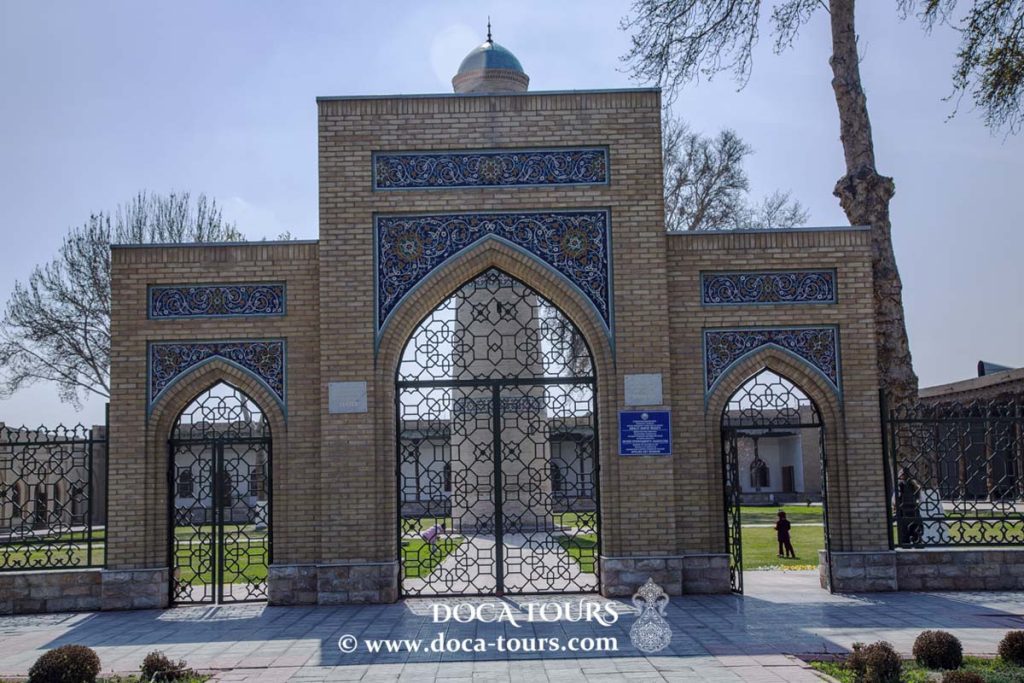
Situated on Chursu Square in the historic district of Icheri Sheher, Kokand's Juma Mosque (Friday Mosque) was built between 1812 and 1818 during the reign of Muhammad Umar Khan. The mosque features a large courtyard surrounded by a 100-meter-long iwan supported by 98 intricately carved redwood columns imported from India. The mosque’s minaret stands 22 meters tall.
The mosque, Kokand’s primary place of worship, was closed for much of the 20th century but reopened in 1989 following extensive restoration. It now includes a museum of applied arts, showcasing displays of embroidery and ceramics.
Built in the 1830s by Madali Khan for his son Amin Beg, the Amin Beg Madrassah is a notable religious school with a beautifully tiled facade. The madrassah underwent restoration in 1913 by master craftsman Khomol Khozi, and in his honor, it is sometimes called the Khomol Khozi Madrassah. Currently, the building houses a small museum and shop while preserving its exquisite tiles and carved wooden columns.
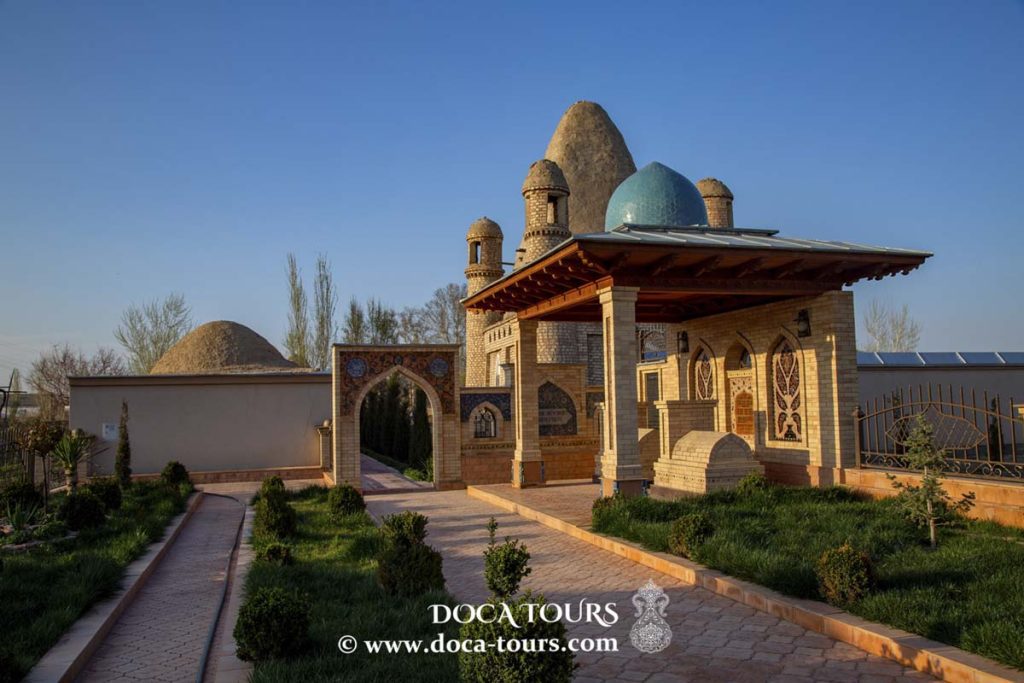
Opened in 1989, the Hamza Museum commemorates Hamza Hakimzade Niyazi, a Soviet-era hero born in Kokand. As Uzbekistan's first national poet and a pioneer of Uzbek social realism, Hamza played a vital role in modern Uzbek literature. The museum features exhibits on life in Kokand, along with artifacts related to dramatists, propagandists, and writers.
Shaib Mian Hazrat Madrassah: Built in the 19th century, this madrassah contains a museum dedicated to the poet Mohammad Amin Muqimi (1850–1903).
Narbutabey Madrassah: Constructed in the 1790s, this madrassah features a graveyard housing the tomb of Muhammad Umar Khan and his wife, the poet Nodira. Their resting place, known as the Modari Khan Mausoleum, is adorned with stunning blue mosaic tiles. Unlike other madrassahs closed during Soviet times, Narbutabey remained active as a Quranic study center until 2016.
Dasturkahanchi Madrasa: Built in 1833 as a boys’ school, this madrassah now serves as a training center for girls learning embroidery.
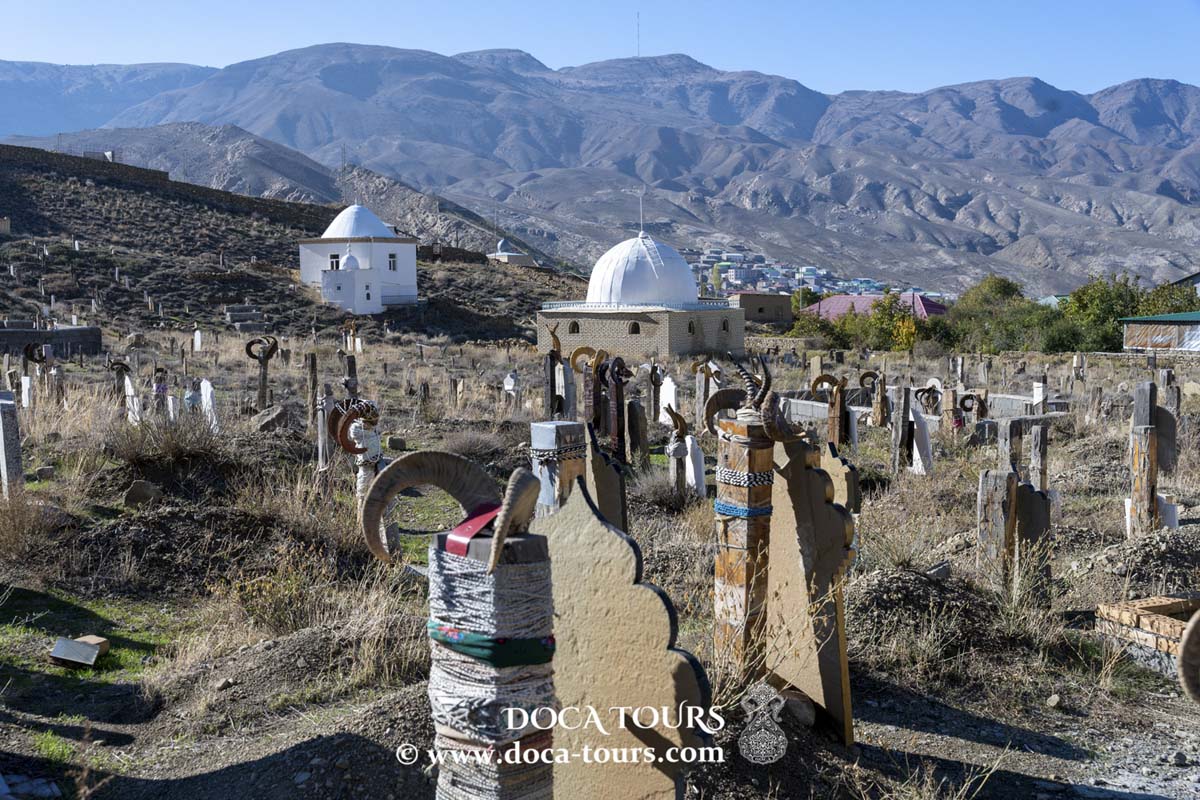
Dakhma-i-Shokhon Necropolis: Dating back to the 1830s, this necropolis served as the burial site for Kokand’s khans.

Kokand has been a cultural and educational hub for centuries, contributing significantly to the Islamic tradition. The city has produced notable Hanafi scholars like Abdulhafiz Al-Quqoniy and Yorqinjon Qori Al-Quqoniy.
Educational institutions in Kokand include:
Nine colleges and lyceums, 40 secondary schools, five music schools, and 20 libraries
The city also boasts seven historical and house museums.
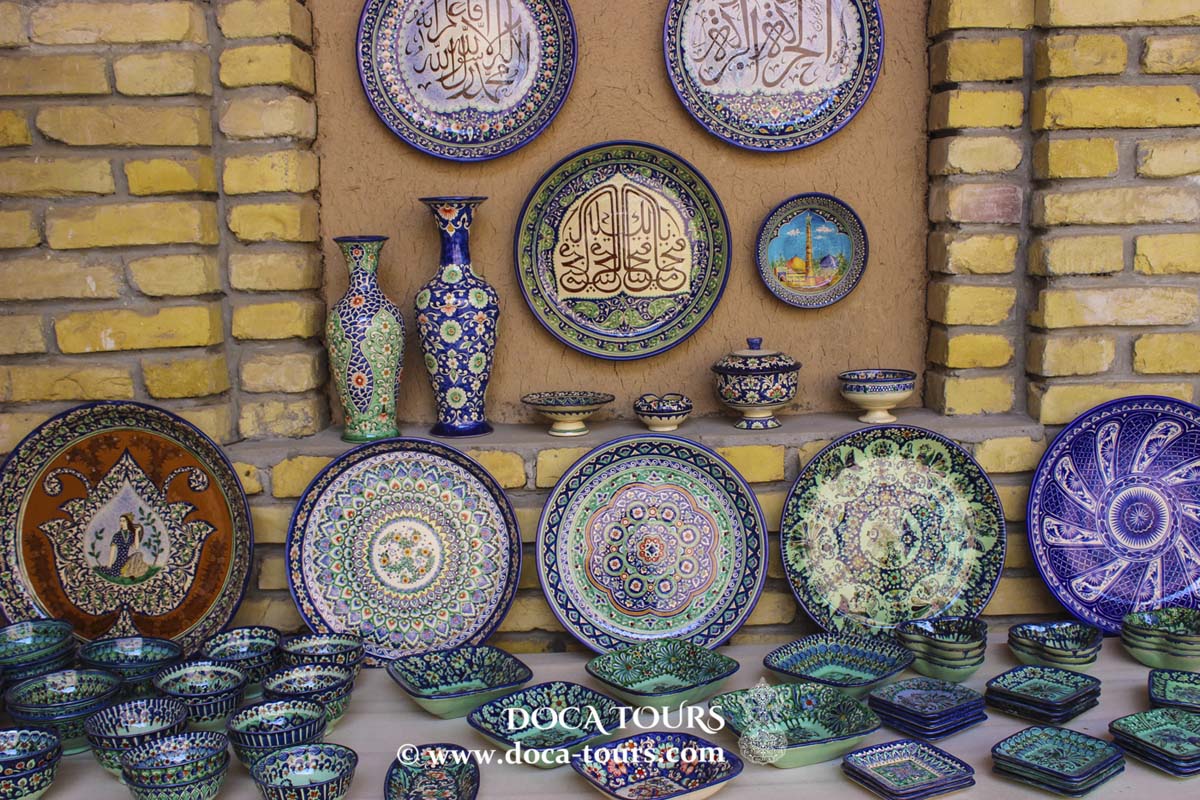
In September 2019, Kokand hosted the First International Handicrafters Festival, organized by the Uzbekistan Handicraft Association. Over 600 artisans from 70 countries participated, showcasing crafts like ceramics, textiles, metalwork, and musical instruments. The festival also featured conferences focused on the development of craftsmanship. The event, planned as a biennial tradition, will continue to celebrate artisanship globally.
Kokand's economy is driven by both formal industries and informal black-market activities. Around 75% of the city’s income is attributed to unregulated sectors, including retail, groceries, manufacturing, agriculture, and money exchange. Many residents work as small business owners in outdoor markets.
Key industries in Kokand include:
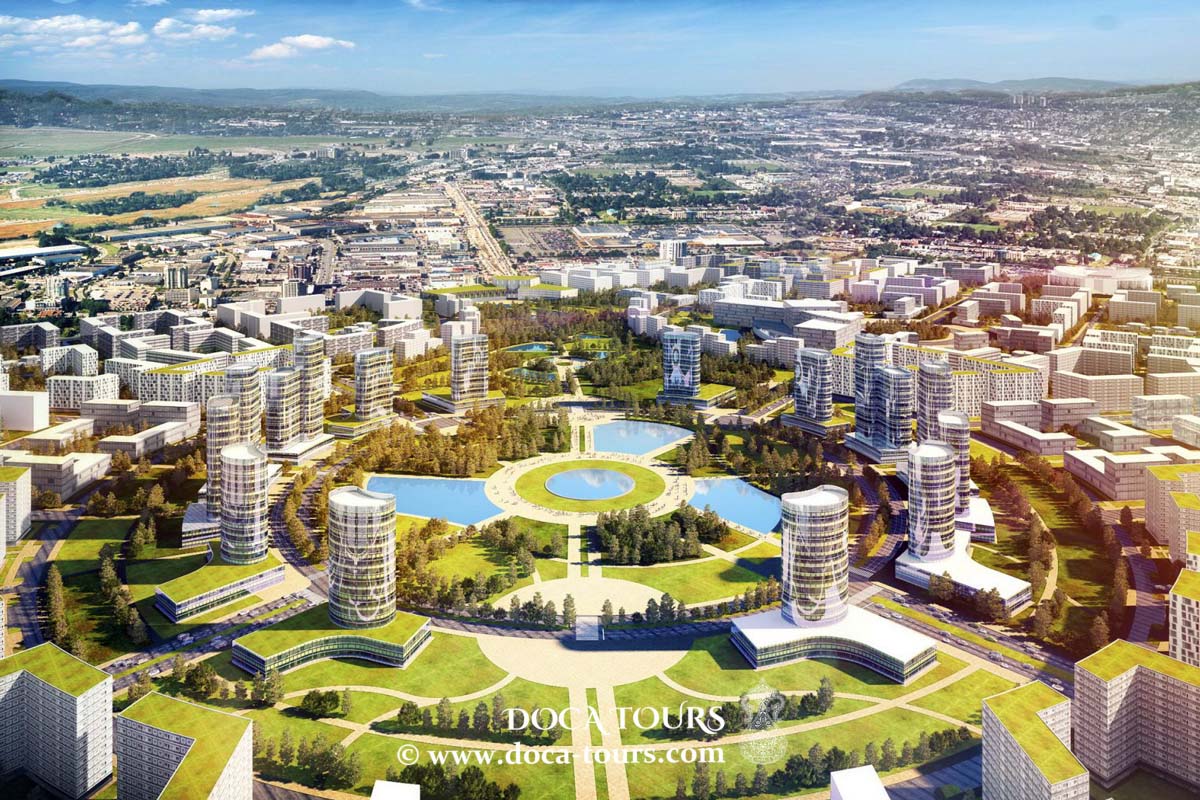
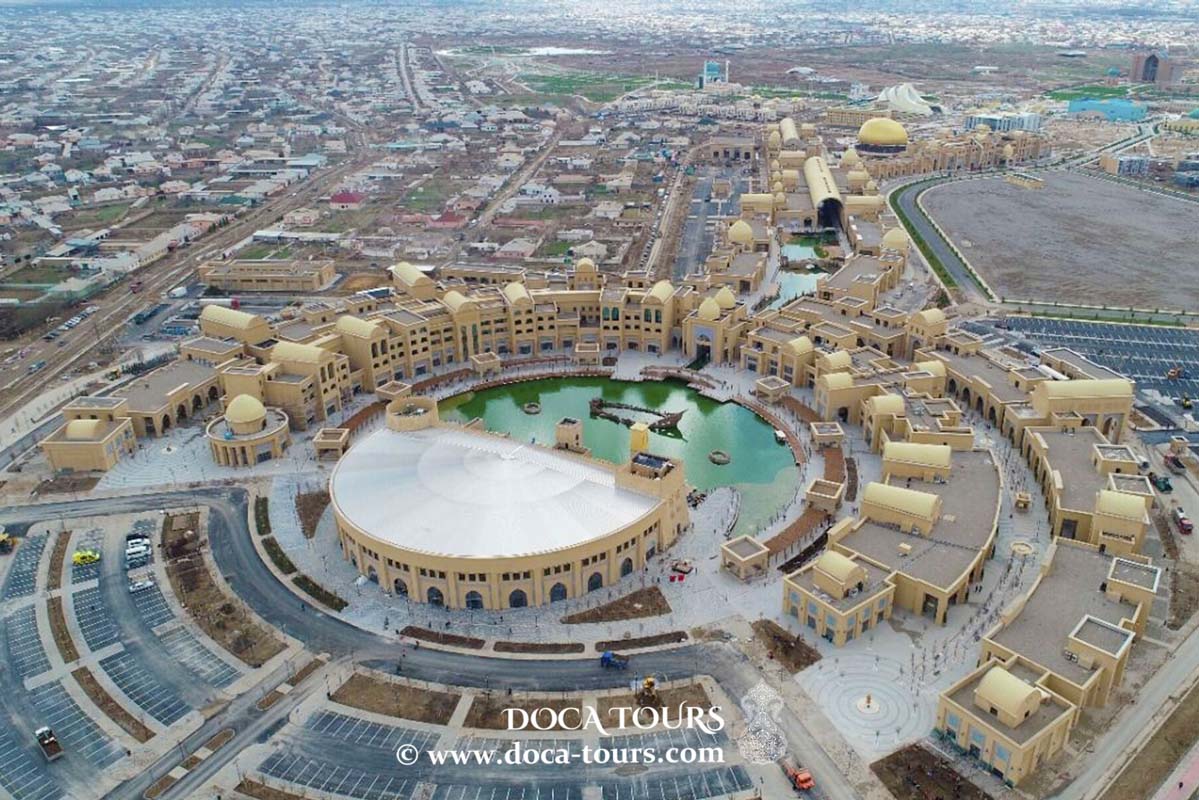
In recent years, Kokand has seen significant urban development, including the construction of new districts, public buildings, private homes, shops, cafes, and restaurants.