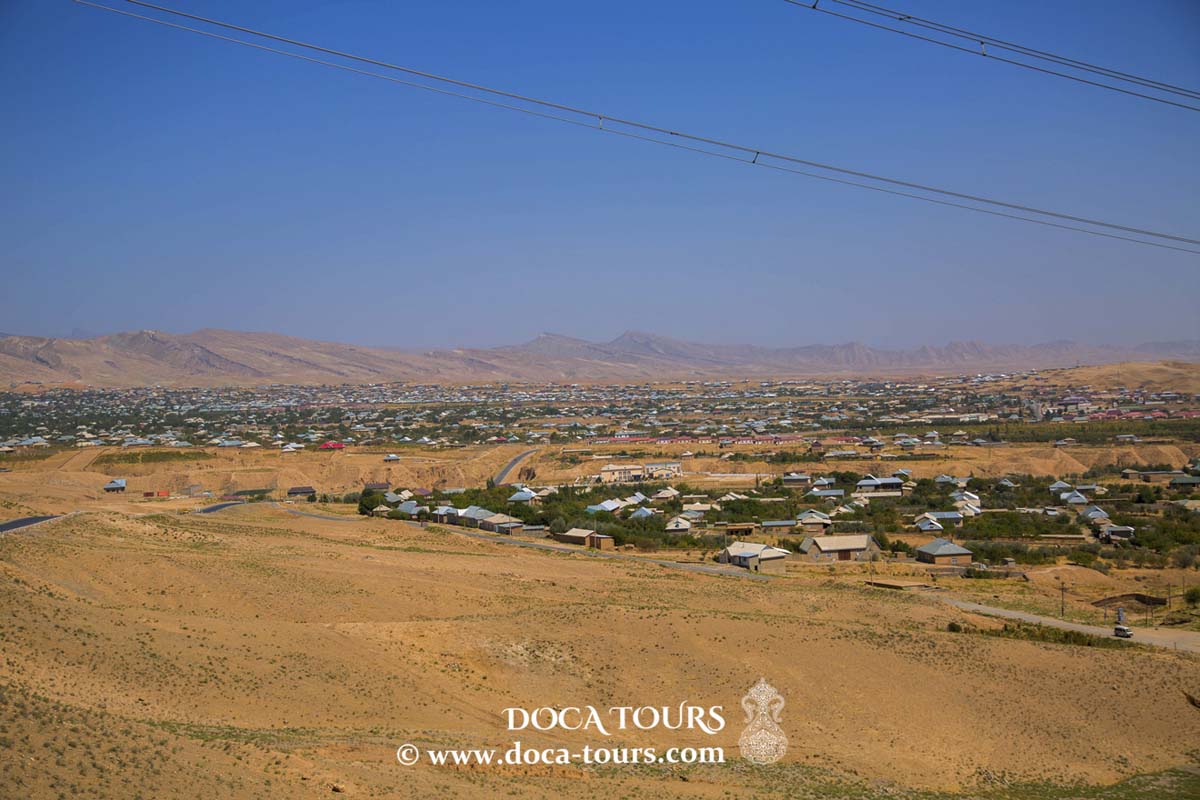
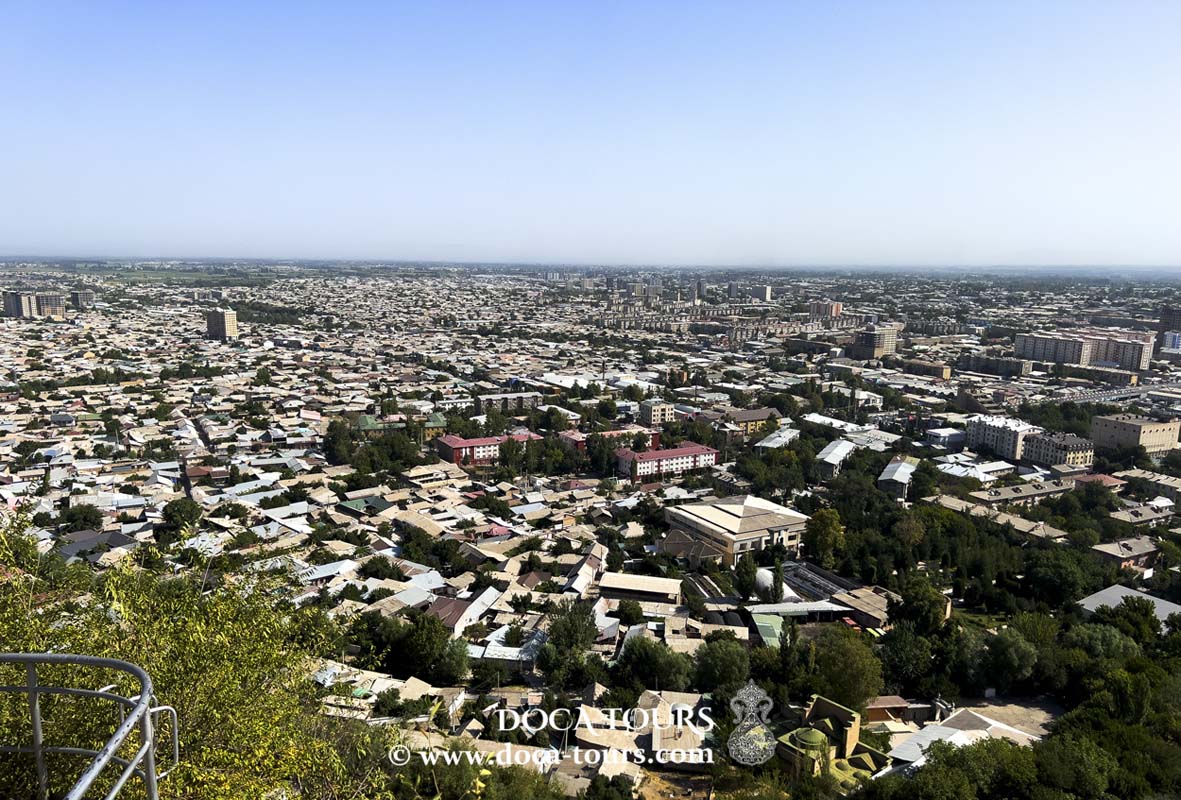
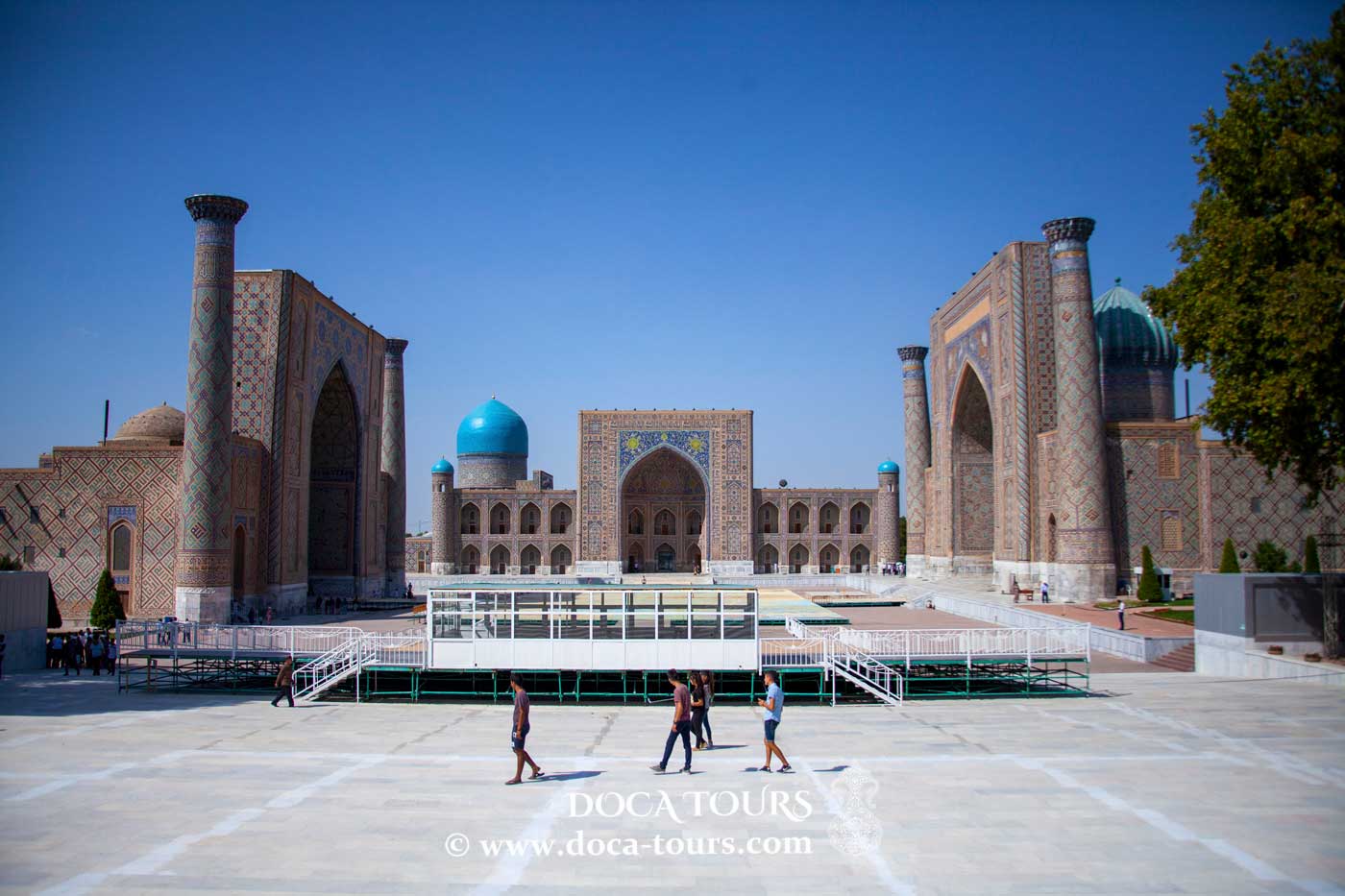
Fergana (Uzbek: Fargʻona, Фарғона, [farʁɒna]), also spelled Ferghana or Farghana, is a district-level city and serves as the capital of Fergana Region in eastern Uzbekistan. The city is situated approximately 320 km east of Tashkent, 75 km southwest of Andijan, and less than 20 km from the Kyrgyzstan border. The modern city was officially established in 1876.
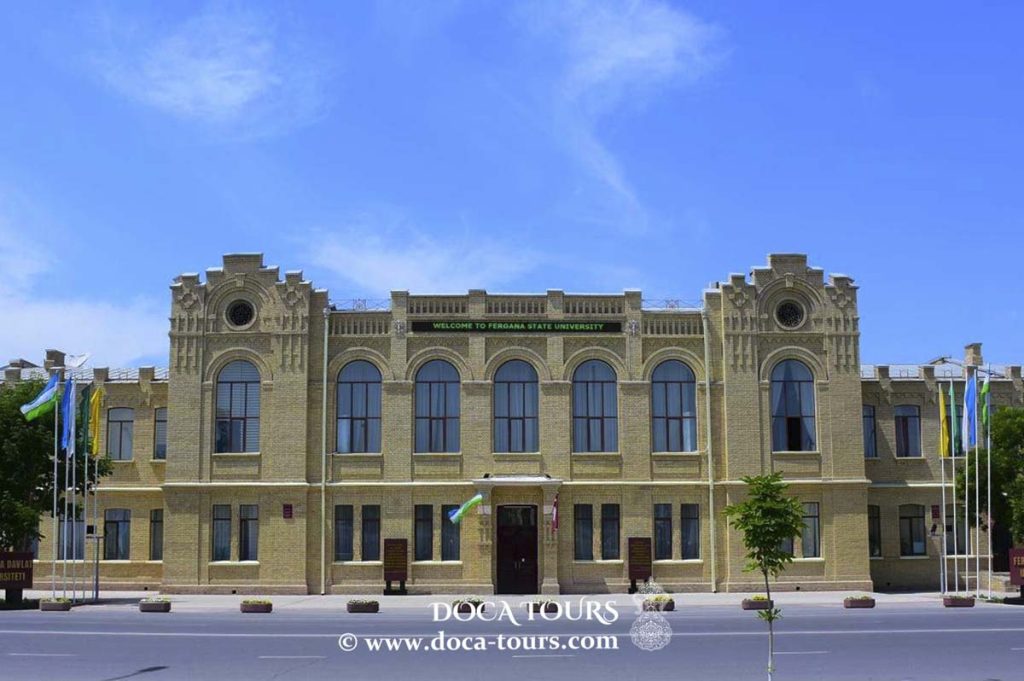
The earliest written records mentioning Fergana date back to the 5th century, though archaeological evidence reveals the region has been inhabited since the Chalcolithic period. During the 6th and 7th centuries, Fergana was under the control of the Western Turkic Khaganate. At the time, it was primarily populated by Eastern Iranians, although Turkish migration into the region had already begun.
The city of Fergana was re-established as a garrison town in 1876 by the Russian Empire, situated 22 km (13.5 miles) southeast of Margilan. It initially served as a colonial outpost and was named New Margelan before being renamed Skobelov in 1907, after Russian military governor Mikhail Skobelev. In 1924, following the Soviet Union's suppression of the Basmachi resistance, the city was renamed Fergana, reflecting the province it governed.
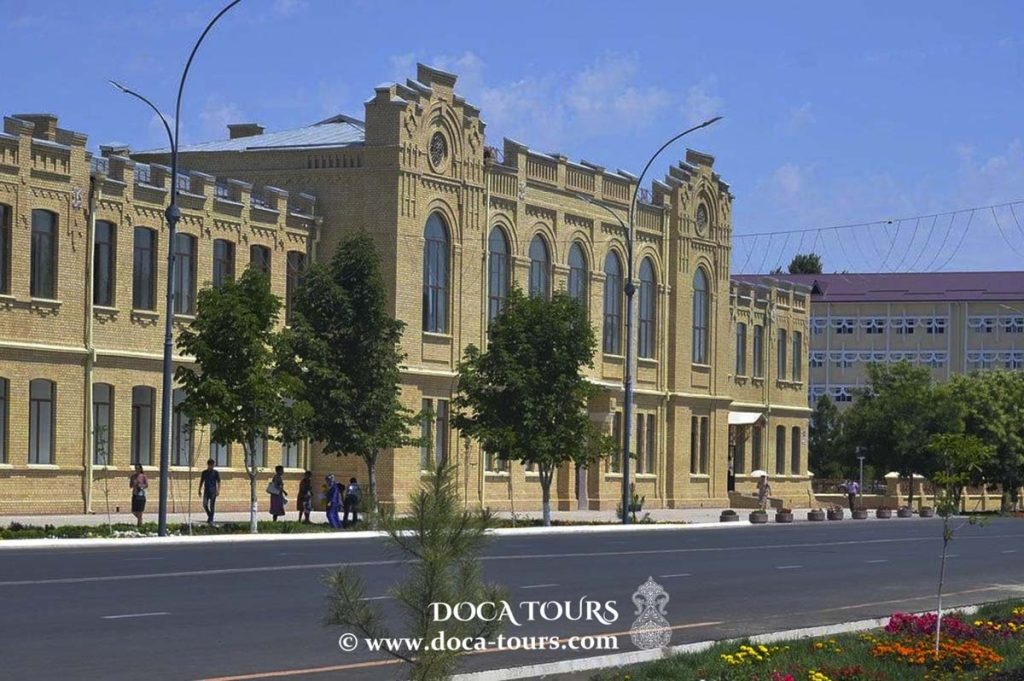
Fergana Region is recognized as one of Uzbekistan's key centers of ancient culture. Archaeological discoveries, such as those from the Stone Age, indicate the early use of tools in the valley. Excavations of the Great Fergana Canal have uncovered significant findings, including Bronze Age artifacts and evidence of ancient slavery and land ownership. Remains from the 5th century BCE and early medieval periods have been unearthed in Quva, another town in the region. By the 10th and 11th centuries, historical records described Fergana as one of the valley’s most prosperous cities.
Artifacts from the Chust culture, known for sedentary agriculture and animal husbandry, further reveal Fergana’s long-standing agricultural traditions. Excavations indicate that the region’s inhabitants were hunters, farmers, and herders, and over time developed a flourishing culture.
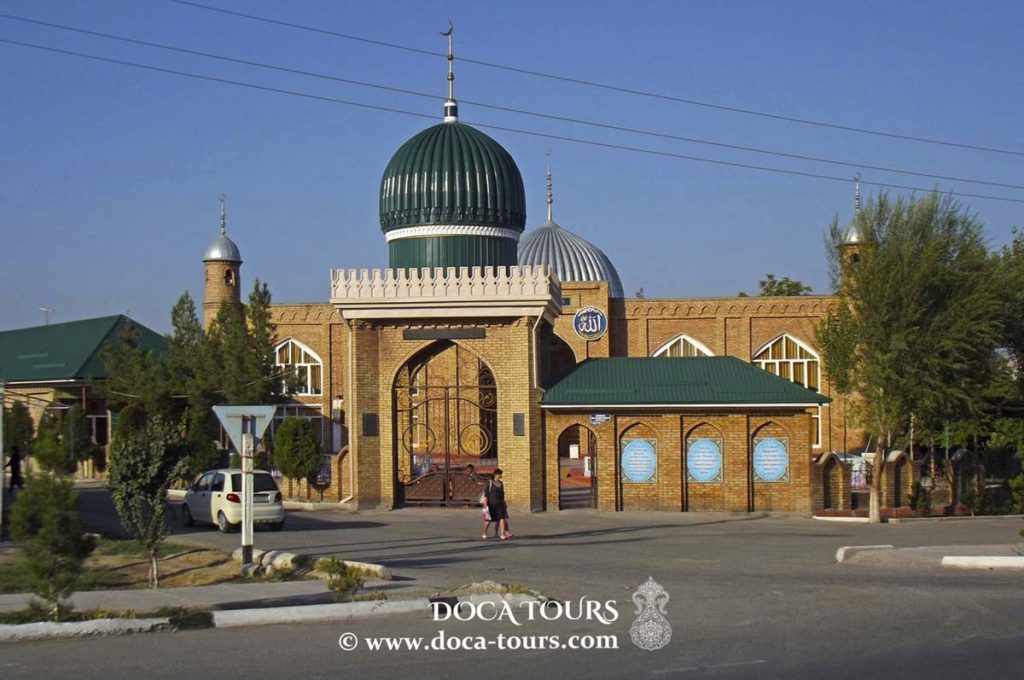
During World War I, Fergana hosted a Russian prisoner-of-war camp where many German, Austro-Hungarian, and ethnic Polish prisoners died from typhus. The city’s industrialization gained momentum in the 20th century with the establishment of a textile industry and a nitric fertilizer plant. Fergana also became a center for oil production, with its first oil refinery built in 1908. Today, Fergana remains a vital hub for oil refining in Uzbekistan, with refineries modernized using foreign loans to improve efficiency and reduce emissions.
The Great Fergana Canal, constructed in the 1930s primarily by hand, passes through the city’s northern part. Completed in 1939, the canal has historical and economic significance and was documented extensively by photographer Max Penson.
Fergana has a cool arid climate (Köppen BWk), with short, cold winters and hot summers. In January, the average temperature ranges from a low of −2.6 °C (27.3 °F) to a high of 4.8 °C (40.6 °F). Summers are much hotter, with July averages between 20.6 °C (69.1 °F) and 35.1 °C (95.2 °F). Annual precipitation is minimal, at just 188 mm (7 inches), mostly occurring in winter and spring.
As of 2025, Fergana had a population of 331 802, making it the third-largest city in the Fergana Valley. Its demographics have shifted significantly over time:
Early 20th Century: In 1911, Russians constituted the majority (63%) of the population, followed by Sarts (22%). By 1926, Russians remained the largest group (55%), followed by Uzbeks (21%), Ukrainians (4.6%), and Jews (3.6%).

Modern Era: By 2013, Fergana had become predominantly Uzbek (90%), with 316,268 Uzbeks among its 350,600 residents. Other ethnic groups include Russians (3.4%), Tajiks (1.1%), Koreans (0.7%), and Tatars (0.2%). Smaller communities of Azerbaijanis, Armenians, Jews, Germans, and other nationalities also reside in the city.
As of 2024, the population of Fergana city is approximately 321,800, increasing from 314,400 in 2023 and 299,200 in 2022. Uzbeks make up the largest ethnic group, while Russian-speaking residents account for roughly 25% of the population.
Since gaining independence, Uzbekistan has placed greater emphasis on the development of sports, with increasing popularity in all regions, including Fergana. In recent years, the Fergana Region has produced several world and Asian champions in various disciplines, reflecting a growing interest in sports, particularly among the youth.

In 1991, Fergana Region had only 17 stadiums; today, it boasts 46,759 football fields and 33 modern tennis courts. Numerous sports facilities have been established in the city, such as the Istiklol Tennis Complex, the Kimyogar Complex, a swimming pool, and the Istiklol Stadium, all of which meet international standards.

Fergana is home to two notable football clubs:
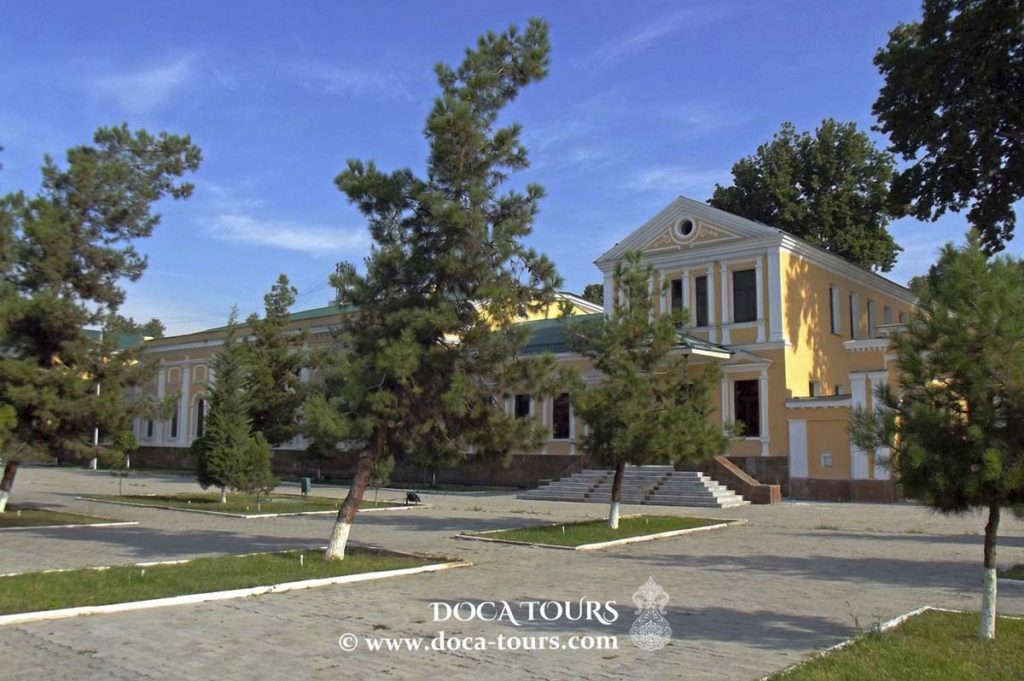
Fergana stands out among the cities of the Fergana Valley due to its unique cultural and architectural features. The city has a higher proportion of Russians, Koreans, and Tatars compared to its neighbors, contributing to its distinct character.
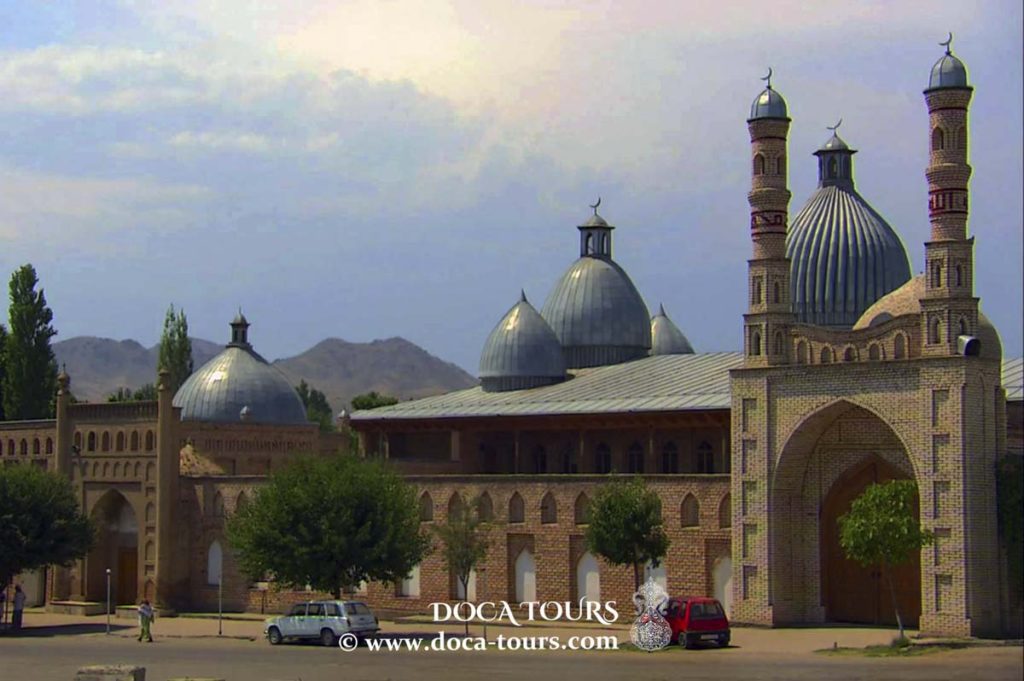
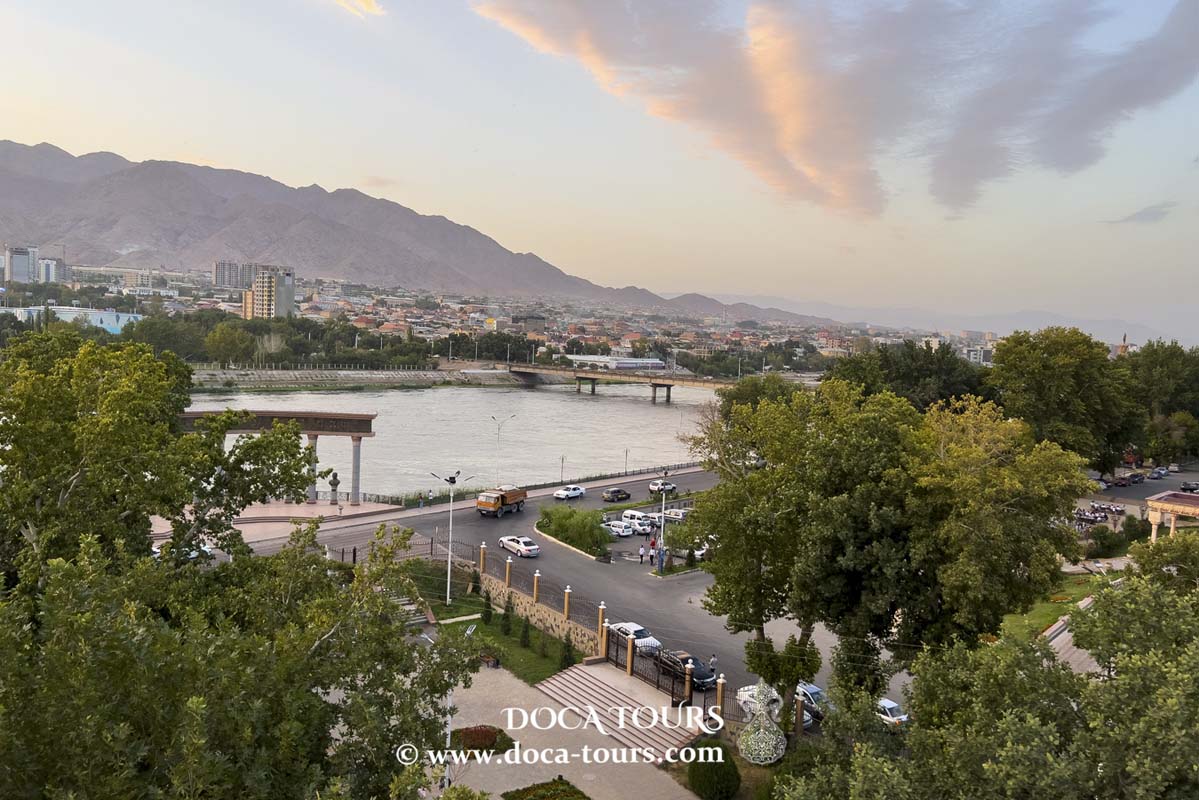
Fergana's wide, tree-lined boulevards, Russian Empire-era buildings, and the frequent use of the Russian language in public spaces give it a notably different atmosphere from the rest of the region.