






















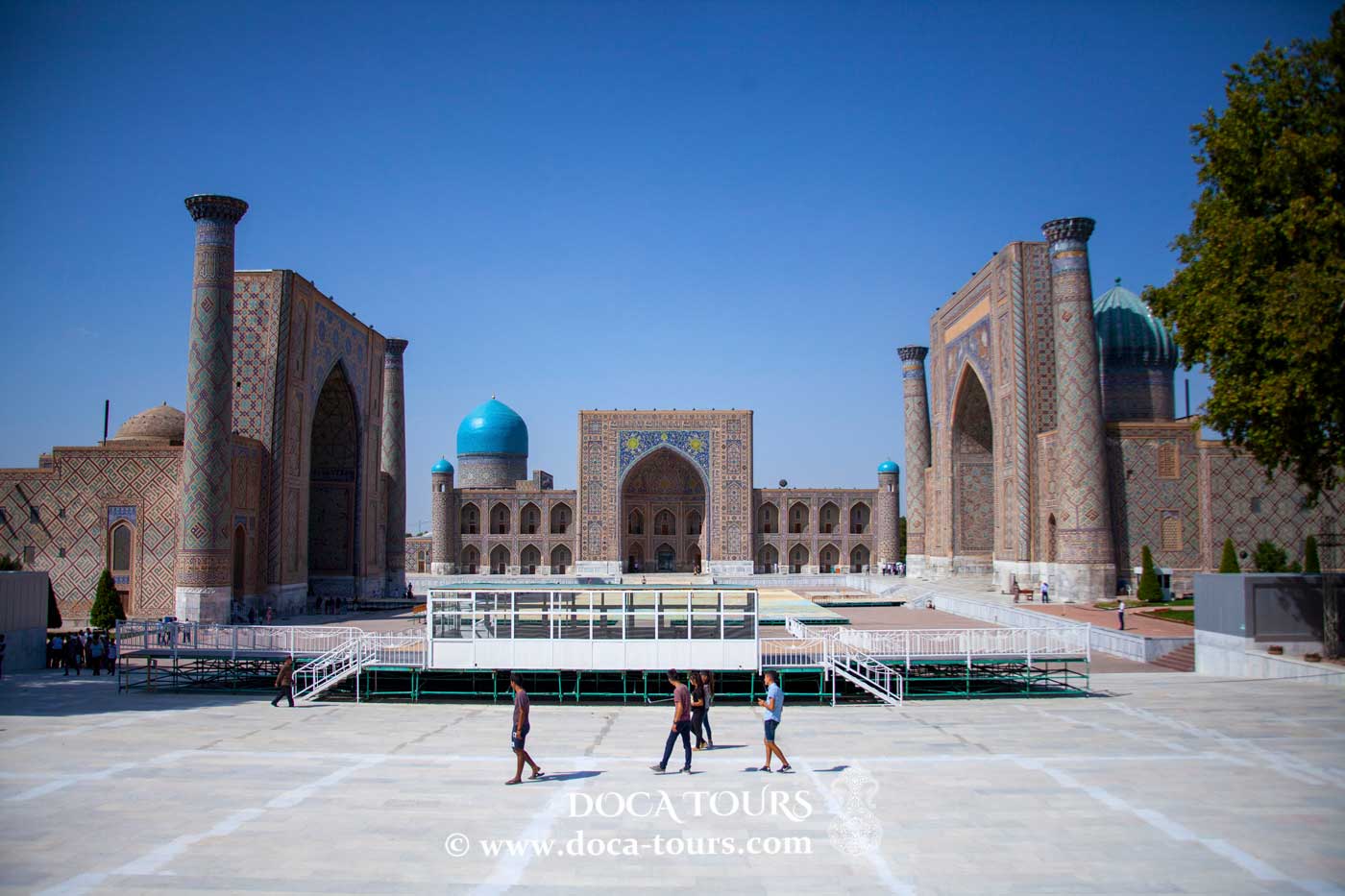

Uzbekistan Independence Day: The Comprehensive Guide to History, State Symbols, and Festivities
Independence Day in Uzbekistan on September 1st is the most important official national holiday of
the Republic of Uzbekistan. It commemorates the historic proclamation of state sovereignty during
the dissolution of the Soviet Union in 1991. On August 31, 1991, the Supreme Soviet of the Uzbek SSR in
Tashkent adopted the resolution "On the Proclamation of State Independence of the Republic of
Uzbekistan" as well as the law "On the Fundamentals of State Independence of the Republic of Uzbekistan."
With this, the Uzbek SSR was officially renamed the Republic of Uzbekistan, and September 1st was established as a
national holiday, celebrated for the first time in 1992. Uzbek statehood looks back on a tradition spanning more than 3,000 years.
The holiday provides the festive framework for cultivating cultural customs, commemorating historical milestones,
and honoring social development.
The Path to Uzbekistan's Independence Day: 1991 to 2026
The proclamation of independence took place in the final phase of the USSR,
immediately following the failed Moscow coup attempt (GKChP) from August 18–21, 1991.
This coup aimed to prevent the signing of a new Union Treaty between the RSFSR, Kazakhstan,
and Uzbekistan is scheduled for August 20. Following the collapse of the coup,
Uzbekistan swiftly declared its autonomy. On August 31, 1991, parliament voted for state independence.
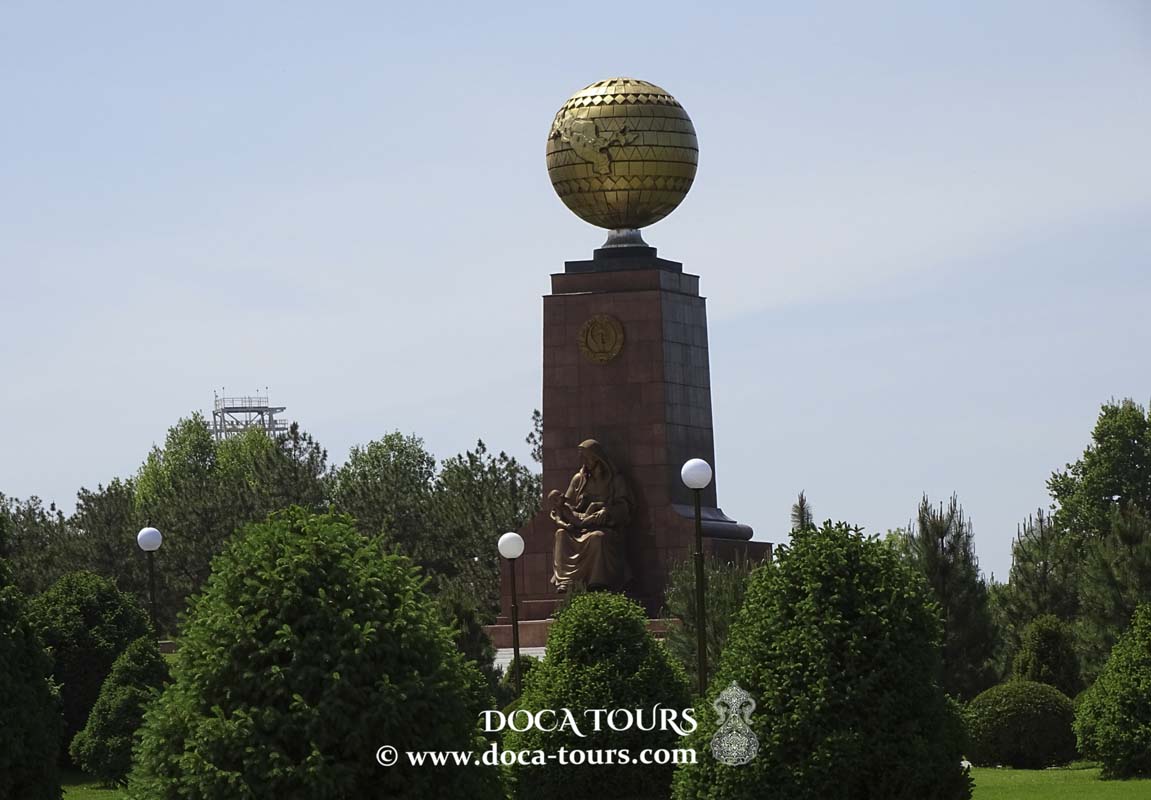
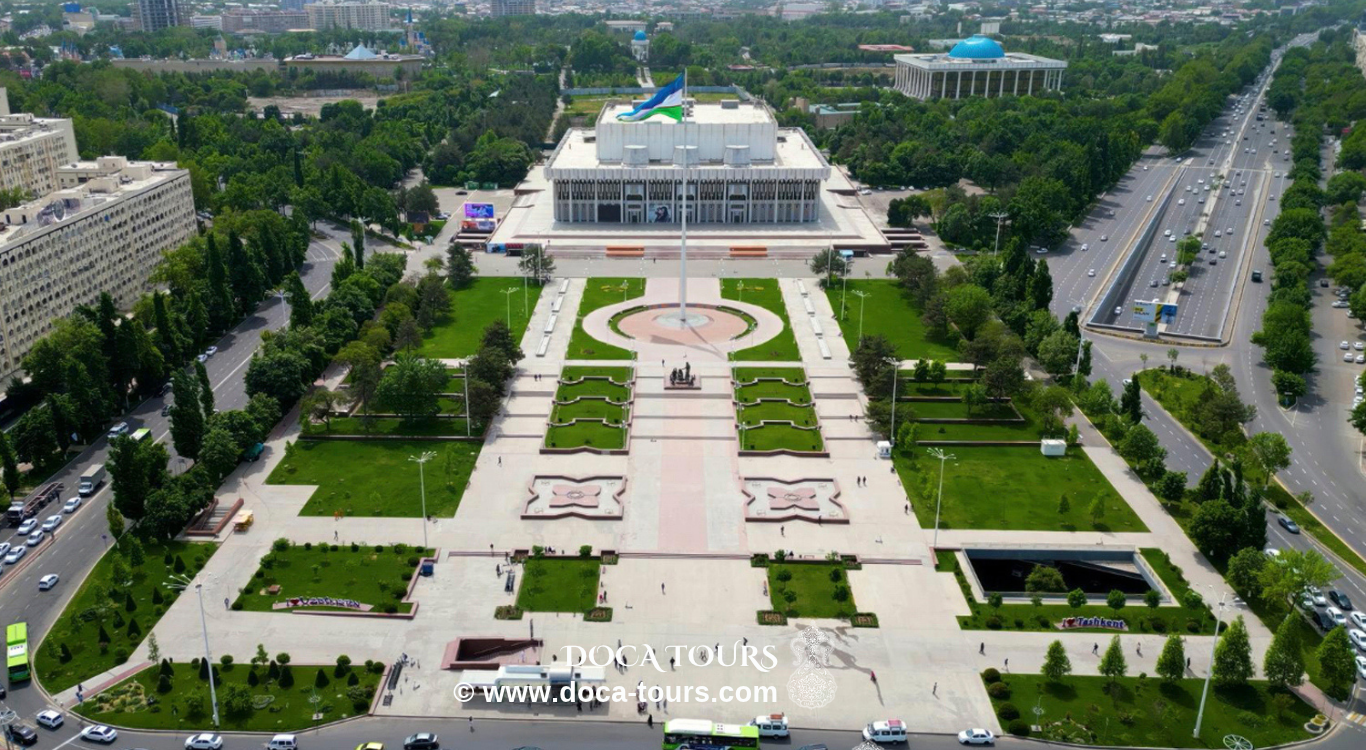
On September 5, 1991, the central Lenin Square in Tashkent was renamed Mustaqillik Square (Independence Square)
by a decree of President Islam Karimov. That same month saw the establishment of state structures such as the Ministry of
Defense and the National Security Service. On December 29, 1991, the population voted overwhelmingly for independence in
a referendum, and Islam Karimov was elected as the first president.
Festive Customs and Celebrations Across the Country
Independence Day is festively celebrated in all twelve regions of Uzbekistan and in Karakalpakistan:
Festive Plov: The Uzbek national dish, plov, stands at the center of the celebrations and
is shared among family members, colleagues, and neighbors in large gatherings.
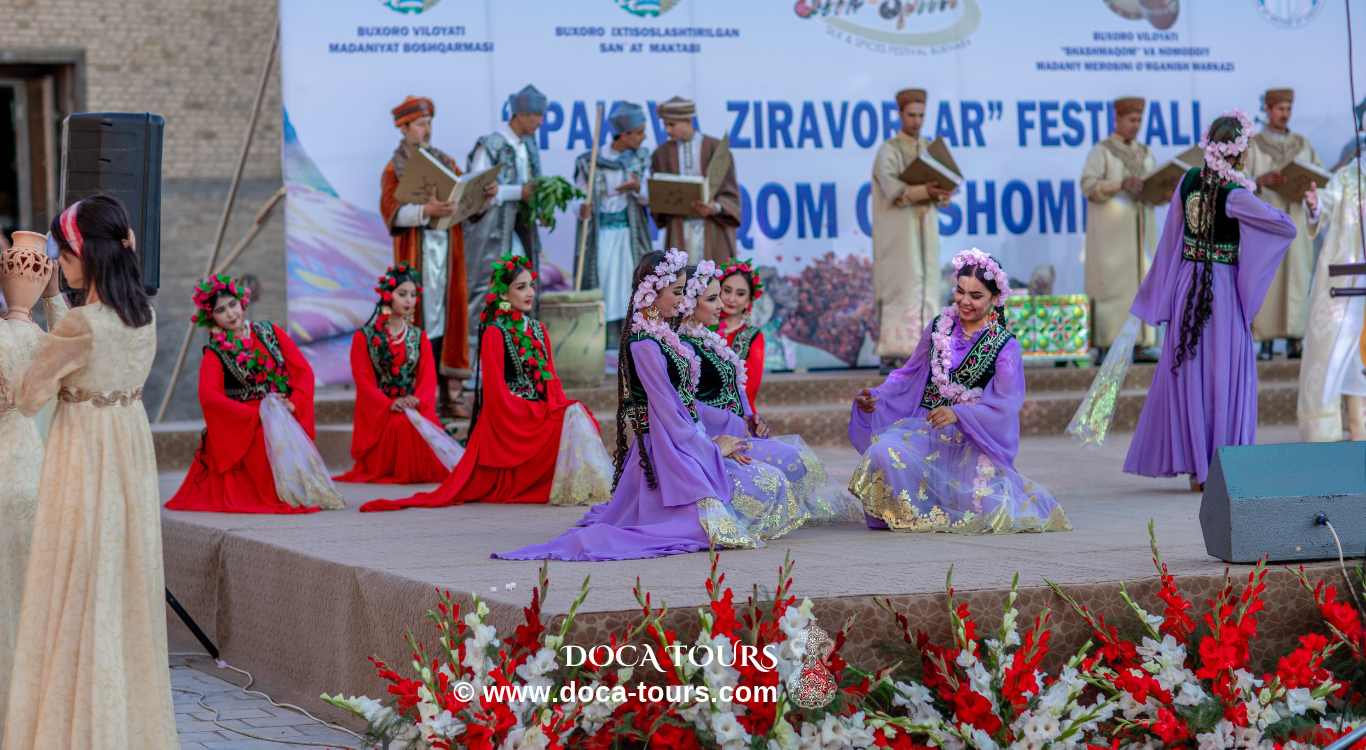
Markets & Folklore: Public squares host concerts by folklore ensembles, traditional
sports competitions, and handicraft markets.
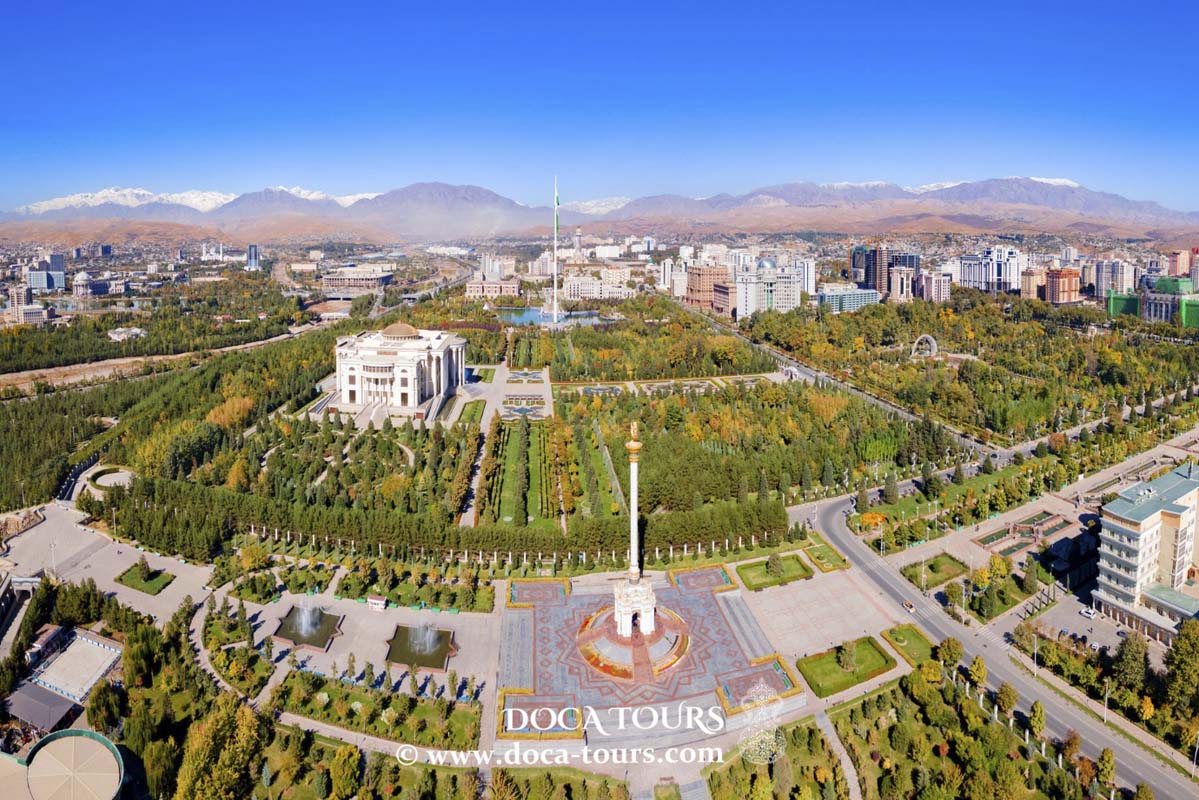
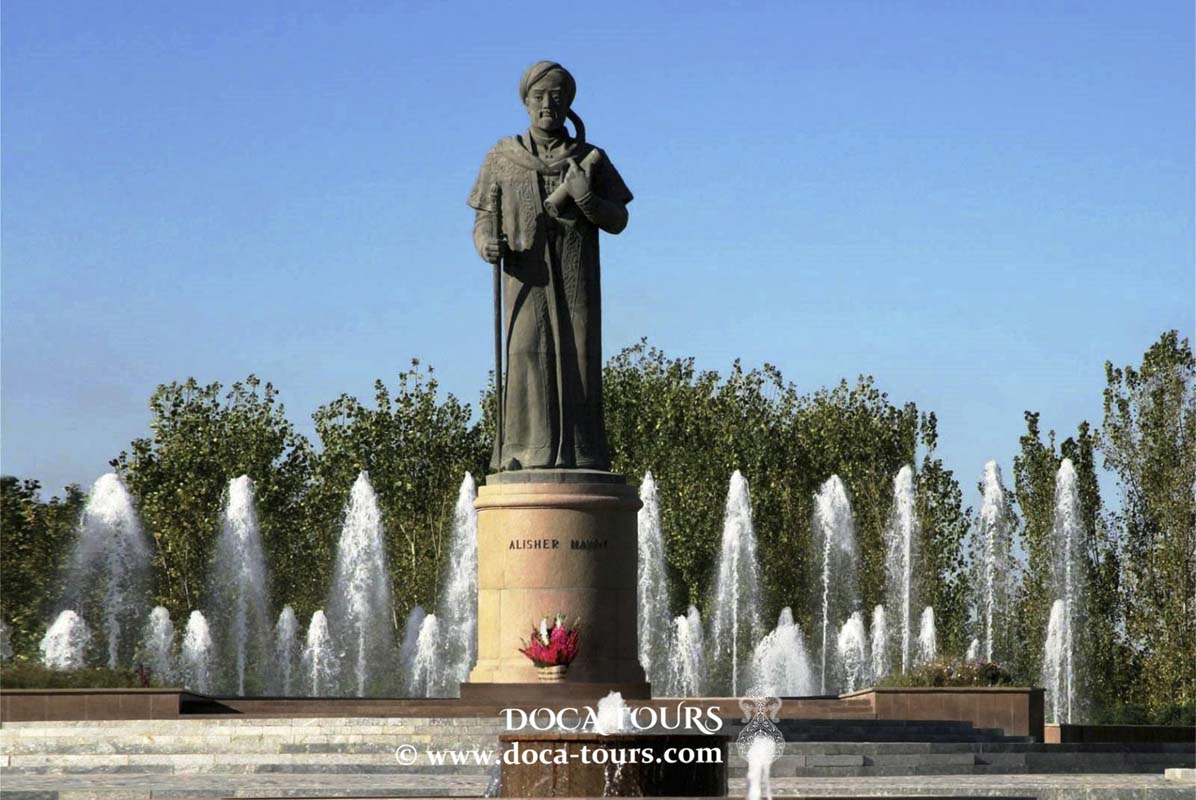
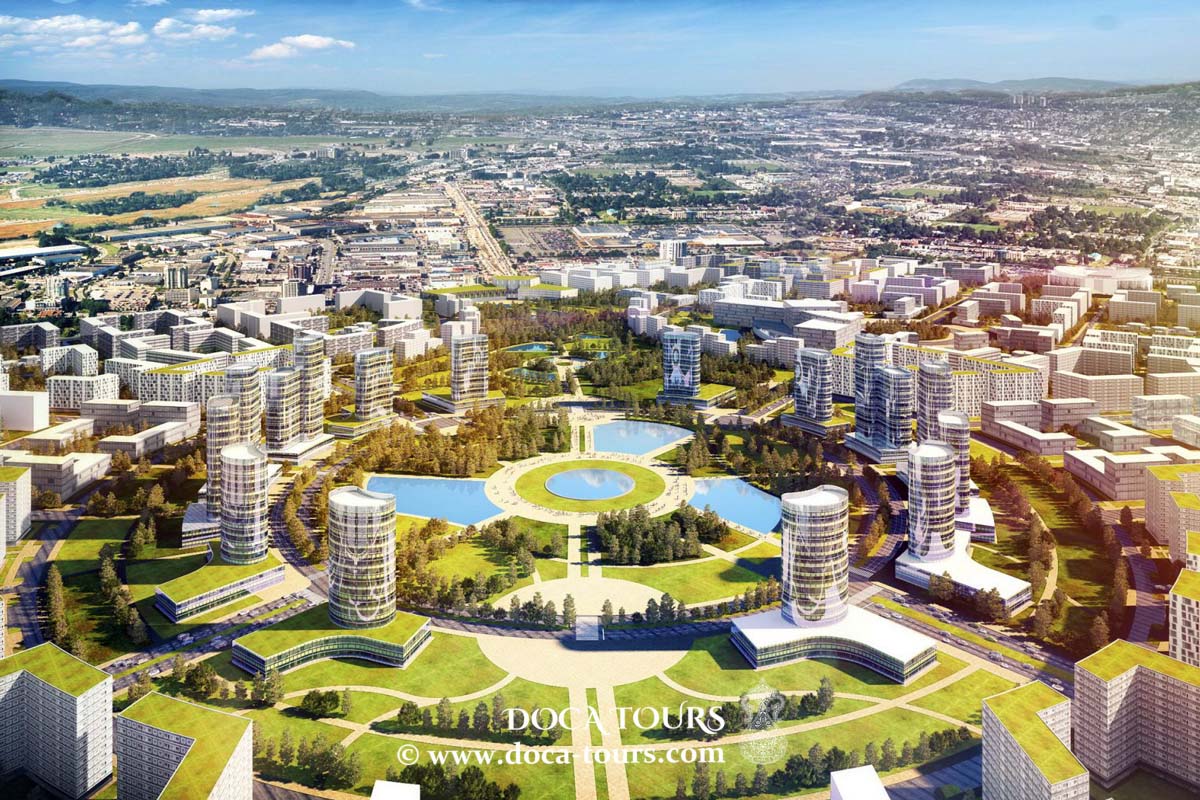
Events in Tashkent: Formerly centered at Mustaqillik Square and the Alisher Navoi National Park,
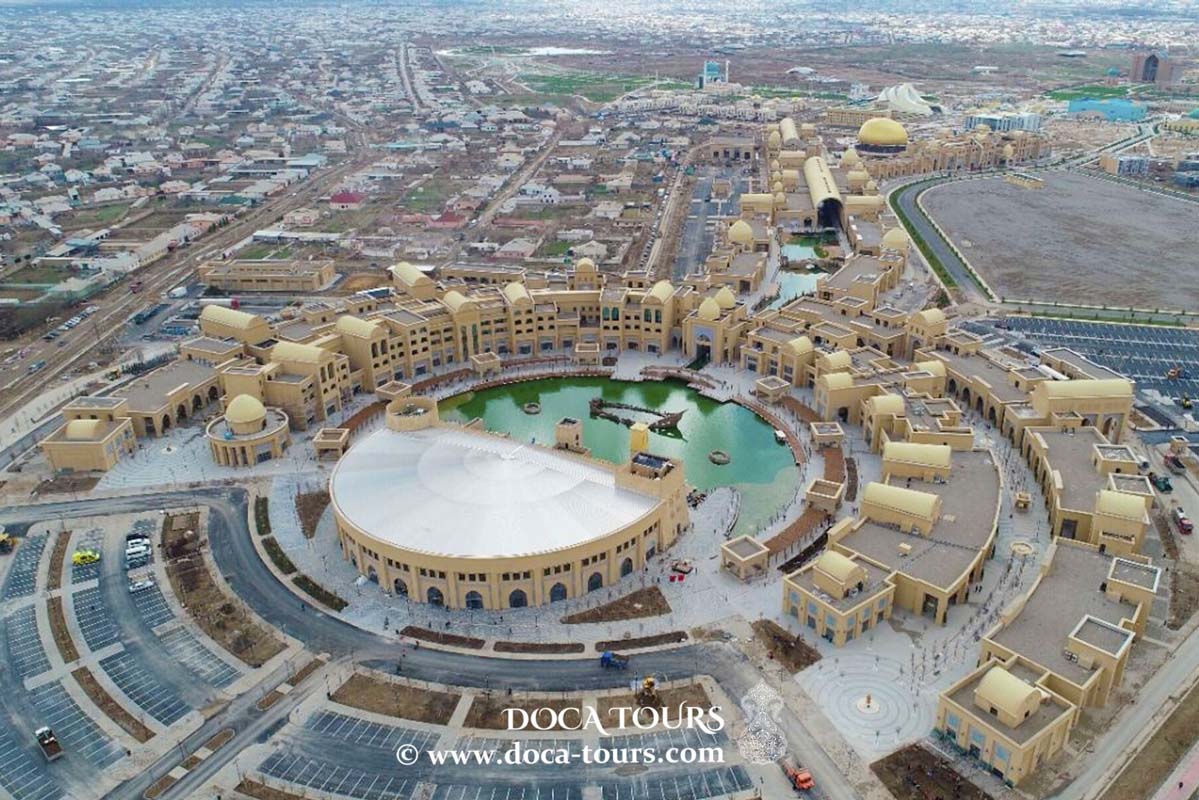
the main celebrations now take place at the New Uzbekistan Park and New Tashkent. Hundreds of dancers,
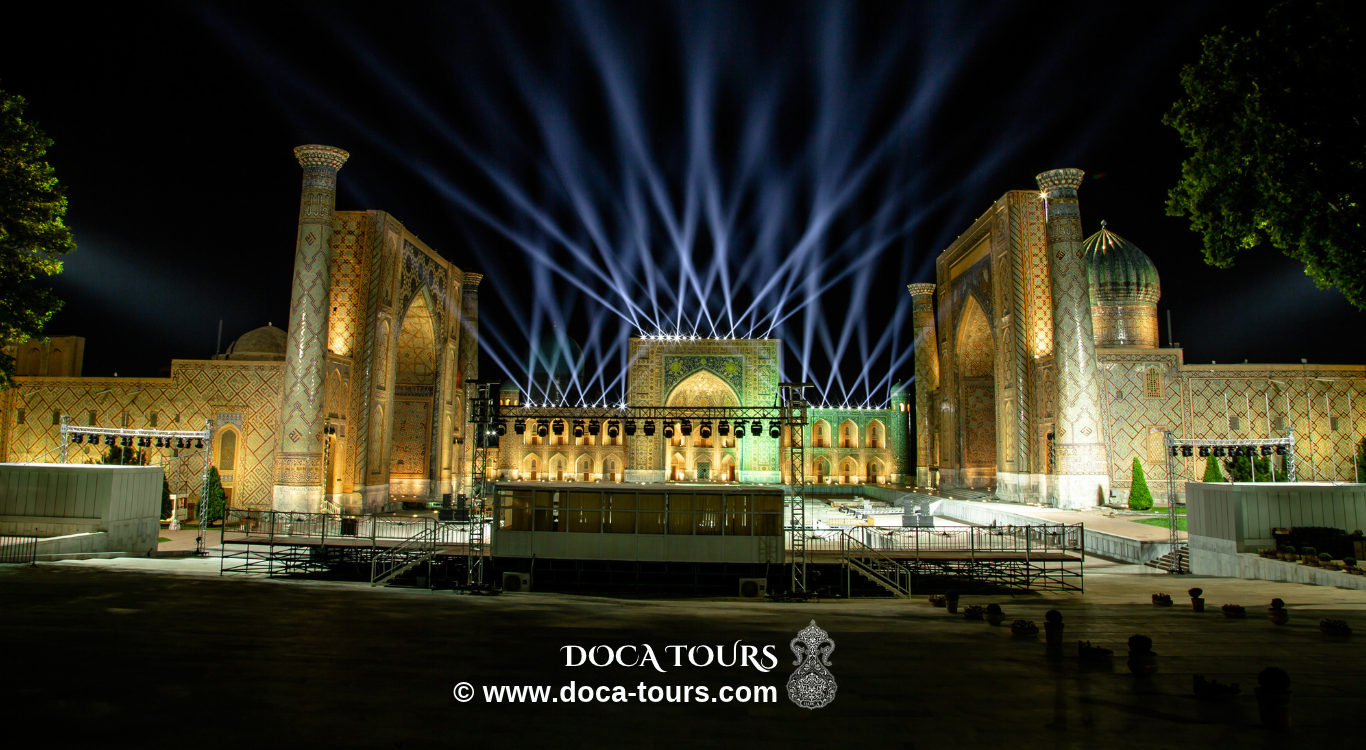
musicians, and theater artists shape the stage program, which concludes in the evening with a fireworks display.
35 Years of Development: Economic and Social MilestonesThis is a title
Marking its 35th anniversary in 2026, the country looks back on decisive steps in its development:
Economy & Investments: Annual foreign investments grew from $2–3 billion to $40–50 billion,
accompanied by an 80-place improvement in the Economic Freedom Index. GDP is reaching the
$160 billion target in 2026 and is projected to rise to $300 billion by 2030.
Social Reforms: The poverty rate dropped from 35% in 2017 to 4% through the targeted "Mahallabay"
support system. More than 650,000 families moved into new homes.
Health & Demographics: The healthcare budget was more than doubled, 652 new clinics were built,
and over 100 complex treatments were introduced locally. Life expectancy rose from 66.4 years (1991) to 75.4 years (2025).
Education & Innovation: Preschool enrollment grew to 78%, and the number of students reached 1.6 million.
Support programs train millions of youths in IT, the digital economy, and artificial intelligence.
Diplomacy: Uzbekistan maintains diplomatic relations with nearly 170 states and assumes the
chairmanship of the Non-Aligned Movement for the period 2027–2029.
Frequently Asked Questions (FAQ)
When was Uzbekistan's independence proclaimed? Independence was proclaimed on August 31, 1991, at an
extraordinary session of the Supreme Soviet in Tashkent; September 1st is the official holiday.
What do the colors of the Uzbek flag mean? Blue stands for the sky, water, and the banner of Amir Timur;
white symbolizes peace and purity; green stands for nature and fertility; red embodies the life force.
How is Independence Day traditionally celebrated? With festive plov, cultural and folklore events, handicraft markets,
as well as grand stage shows and fireworks in Tashkent and the regions.
Planning your trip to Uzbekistan? DOCA TOURS organizes individual private tours and guided cultural round
trips through Tashkent, Samarkand, Bukhara, and Central Asia.