





























Saroy Mulk Xonim (Bibikhanum): The Great Queen of the Timurids
The history of the Silk Road is full of fascinating personalities, but few women shaped an entire era as enduringly as Saroy Mulk Xonim,
known in historical tradition primarily as Bibikhanum. As the chief consort of the great conqueror Amir Timur, she united royal lineage,
intellectual brilliance, and a pronounced sense of architecture and social welfare. When you visit the magnificent historical sites of
Samarkand with DOCA TOURS today, you can feel the spirit of this extraordinary regent at every monument.
Royal Lineage and Marriage to Amir Timur
Born in 1341, Saroy Mulk Xonim stemmed directly from the lineage of the Mongol Genghisid rulers as the daughter of Qazan Khan.
Following the turbulent changes of power in Transoxiana and the defeat of her first husband, Amir Husayn, Amir Timur took her as his
chief wife in 1370. This marriage was of immense historical and political importance: because she belonged to the prestigious Genghisid bloodline,
she granted Amir Timur the legal standing of a royal son-in-law, which was reflected in the official title Amir Timur Gurgan. Within the imperial harem,
as the "Great Lady" (Katta Xonim or Bibikhanum), she assumed undisputed leadership among all the princesses.
Wise Advisor and Stateswoman
Beyond her purely representative role, Bibikhanum was a valued political advisor at the side of Amir Timur.
Contemporary chroniclers and European diplomats, such as the Spanish envoy Ruy González de Clavijo,
highlighted in their reports that she sat on equal footing beside the ruler during official receptions of foreign envoys.
Her political acumen and determination are recorded in numerous historical anecdotes. For example, during a prolonged
campaign in Isfahan, she saved the state treasury and troop provisions through an idea that was as unconventional as it
was ingenious, putting provisional currency made of leather and pressed materials into circulation. Amir Timur valued her counsel in
matters of governance and relied on her foresight in critical moments.
Architecture and Patronage in Samarkand
Bibikhanum dedicated a large part of her life and fortune to the promotion of science, education, and architecture.
She had a magnificent madrasa built in Samarkand, which was considered one of the largest educational institutions of
its time and where she personally attended to the well-being of the students. In her honor and to commemorate his victorious campaigns,
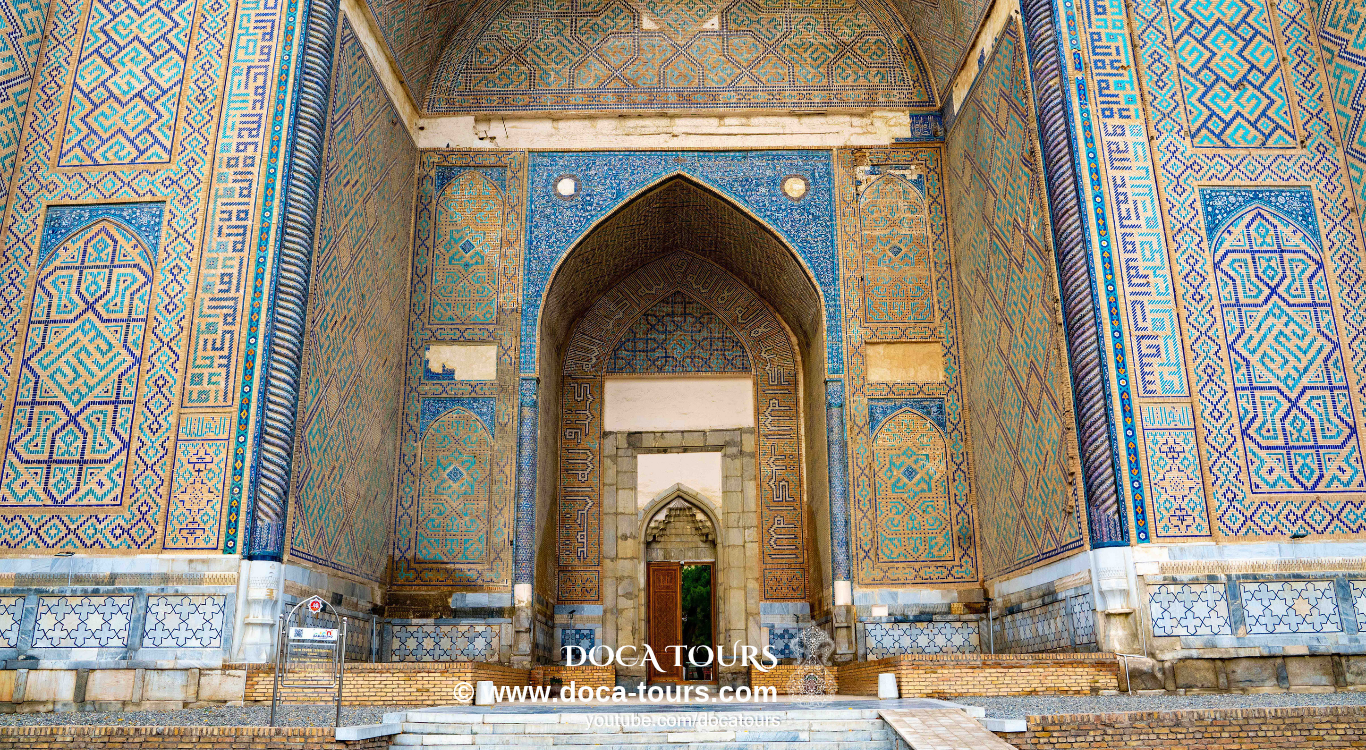
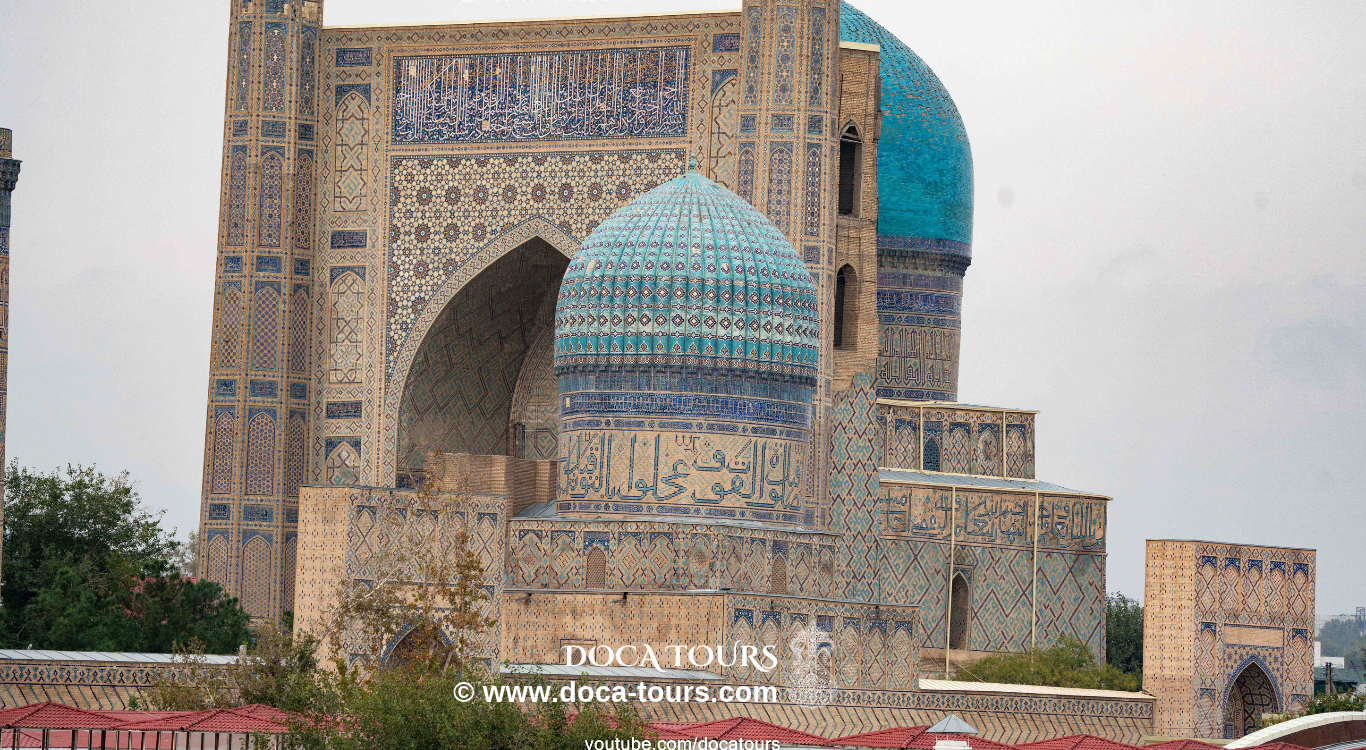
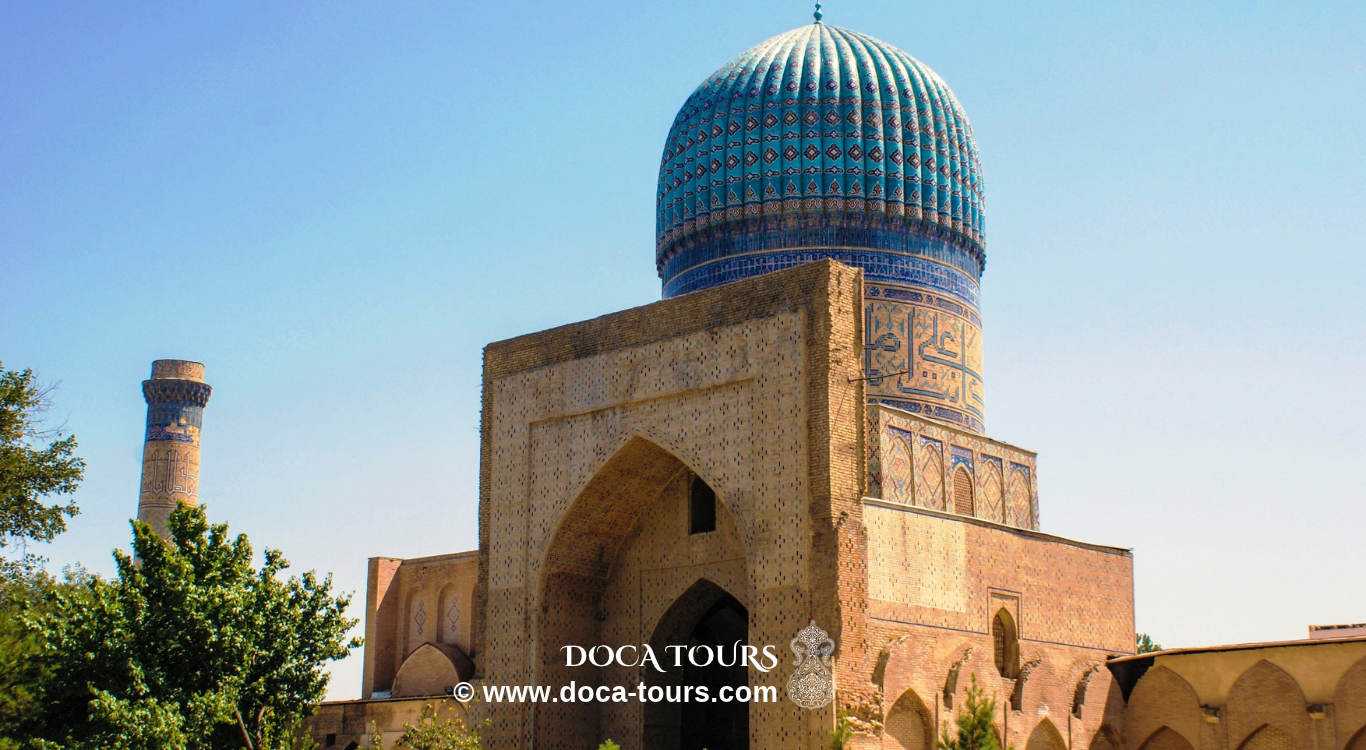
Amir Timur commissioned the construction of the massive Friday Mosque between 1399 and 1404, which today shapes the cityscape of
Samarkand as the world-famous Bibikhanum Mosque. With its monumental proportions, blue domes, and ornate mosaics,
it set an enduring monument to the artistry of the Timurid era. Furthermore, she assumed direct responsibility for the education
and intellectual development of the Timurid princes, including the future astronomer and ruler Mirzo Ulugh Beg.
Legacy and Remembrance
Following the death of Amir Timur in 1405, Saroy Mulk Xonim experienced turbulent political times,
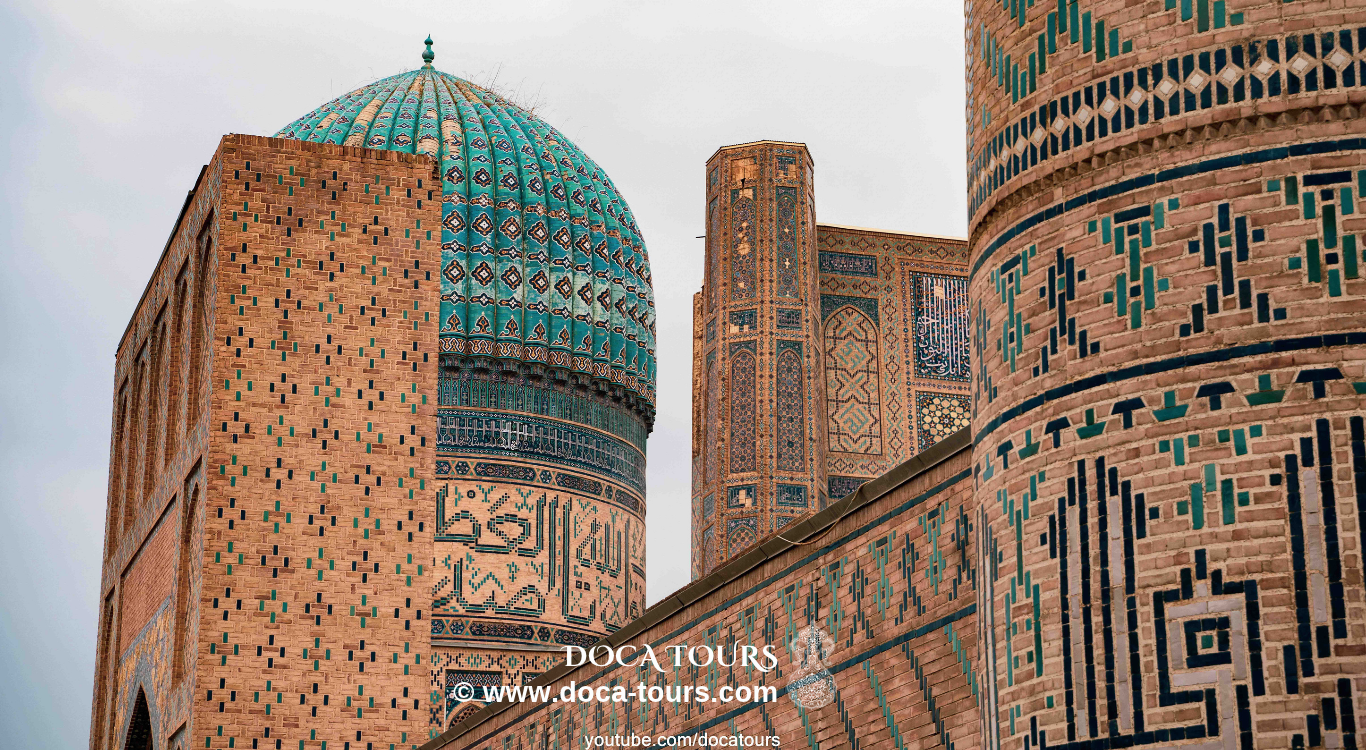
but passed away highly respected around 1408. She was buried in the architectural complex she established in Samarkand.
Her name lives on in the monumental structures of the city and in the collective memory of
the Uzbek people as a symbol of female wisdom, strength, and cultural flourishing.
Frequently Asked Questions (FAQ) about Saroy Mulk Xonim (Bibikhanum)
Who was Saroy Mulk Xonim? She was the chief consort of Amir Timur, a noble Genghisid princess,
and one of the most politically influential women of medieval Central Asia.
Where does the name Bibikhanum come from? "Bibikhanum" roughly translates to "Great Lady" or "Queen Mother"
and was her popular honorary name among the people and at court.
Which buildings are associated with her name? She endowed a significant madrasa and is regarded as the namesake of
the world-famous Bibikhanum Mosque in Samarkand, which Amir Timur had built in her honor.
What role did she play in politics? She acted as a wise advisor to Amir Timur, received foreign envoys,
and decisively shaped the cultural and educational policies of the empire.
Planning your private tour? DOCA TOURS organizes fascinating cultural journeys to the highlights of
the Silk Road for you. Contact us today to plan your customized historical journey!