

























Sheikh Najmuddin Kubra: Sufi Master and Hero of Urgench
The spiritual history of Central Asia is rich in outstanding personalities whose intellectual and moral heritage has outlasted the centuries.
Among the most fascinating scholars is undoubtedly Sheikh Najmuddin Kubra, a world-famous Sufi master, philosopher,
and patriot who dedicated his life to the pursuit of divine knowledge and the defense of his homeland. His teachings
and unsearchable bravery make him an immortal icon to this day. When you travel through the historic oases of Khorezm with DOCA TOURS,
you walk in the footsteps of a true master of the soul.
Life, Travels, and the Founding of the Kubrawiya Order
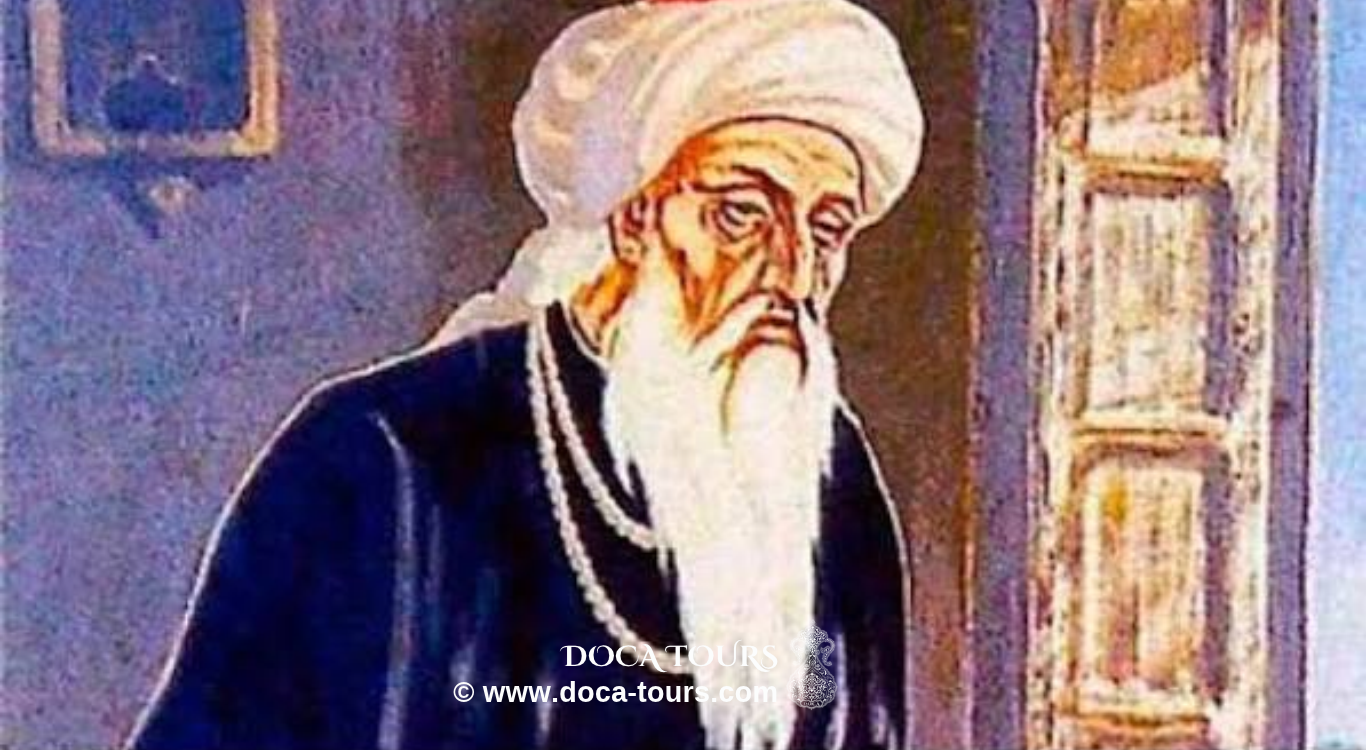
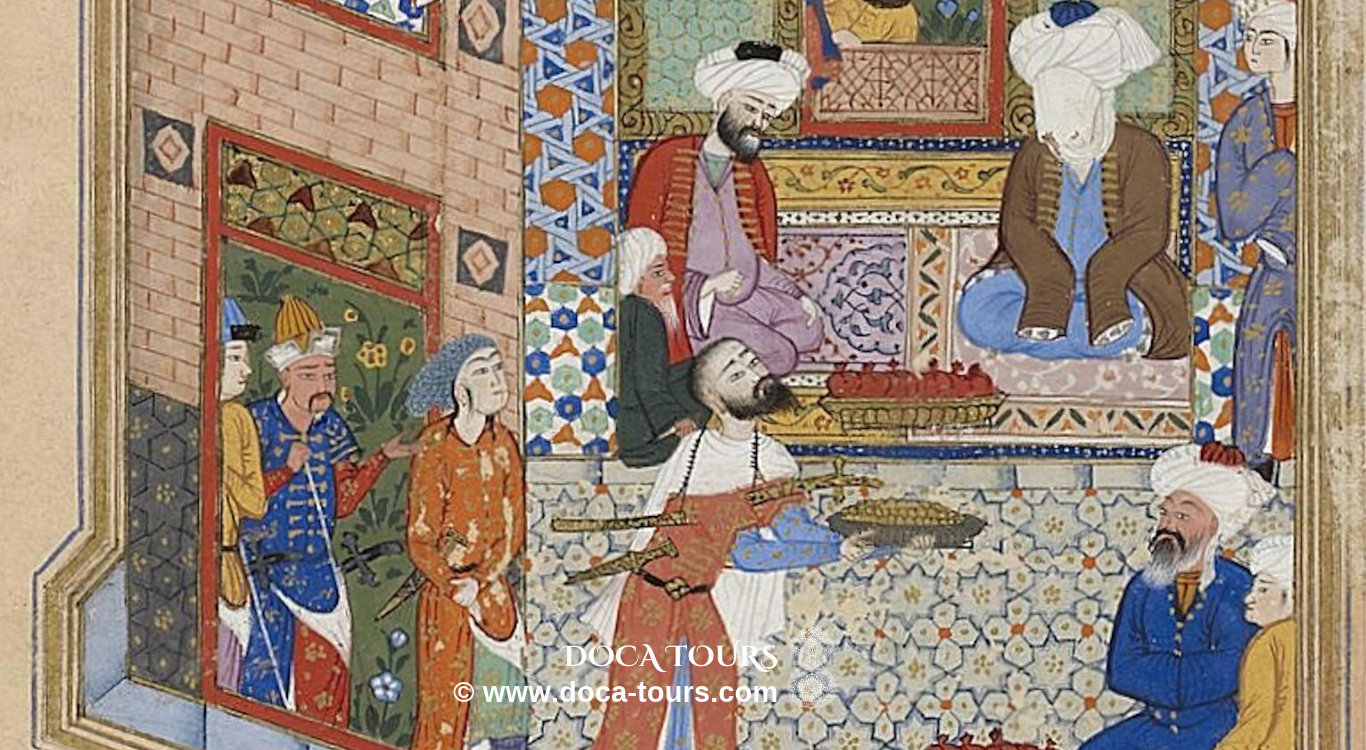
Born in 1145 in Khorezm, Najmuddin Kubra spent the first half of his life on extensive educational journeys.
His itinerary led him through the most significant centers of contemporary scholarship, including Nishapur,
Isfahan, Ramadan, Mecca, and Alexandria. He studied the sciences of his time with such brilliance that contemporaries
bestowed upon him the honorable monikers "Tammat al-Kubra" (the great authority) and "Najmuddin" (star of the faith).
In 1184, he returned to his homeland of Khorezm and settled in Urgench. There, he established his own spiritual lodge (khanqas)
and laid the foundation for the famous Kubrawiya Sufi Order. His teachings, which intensively addressed the psychology of the soul,
the symbolism of colors, and the inner purification of human beings, attracted seekers of knowledge from across the entire Islamic world.
He trained a multitude of exceptional disciples who spread Sufism throughout Asia.
Spiritual Teaching and the Psychology of Light
At the center of the Sheikh's philosophy was the recognition of the human self as a mirror of divine attributes.
He developed profound theories regarding the connection between the human soul, forms, and colors during spiritual meditation.
According to his teachings, the heart of the seeker passes through various phases—from dark lights to radiant green lights
symbolizing the stage of divine mercy. His works, authored in Arabic, dealt with subjects such as the ethics of the Sufi path,
the mechanics of prayer and inner devotion. He mastered the art of uniting the Sharia (Islamic law) with the deep inner experience of
the Tariqa (the spiritual path). His disciples were always characterized by high moral integrity, charity, and spiritual strength.
Heroic Resistance and Legacy
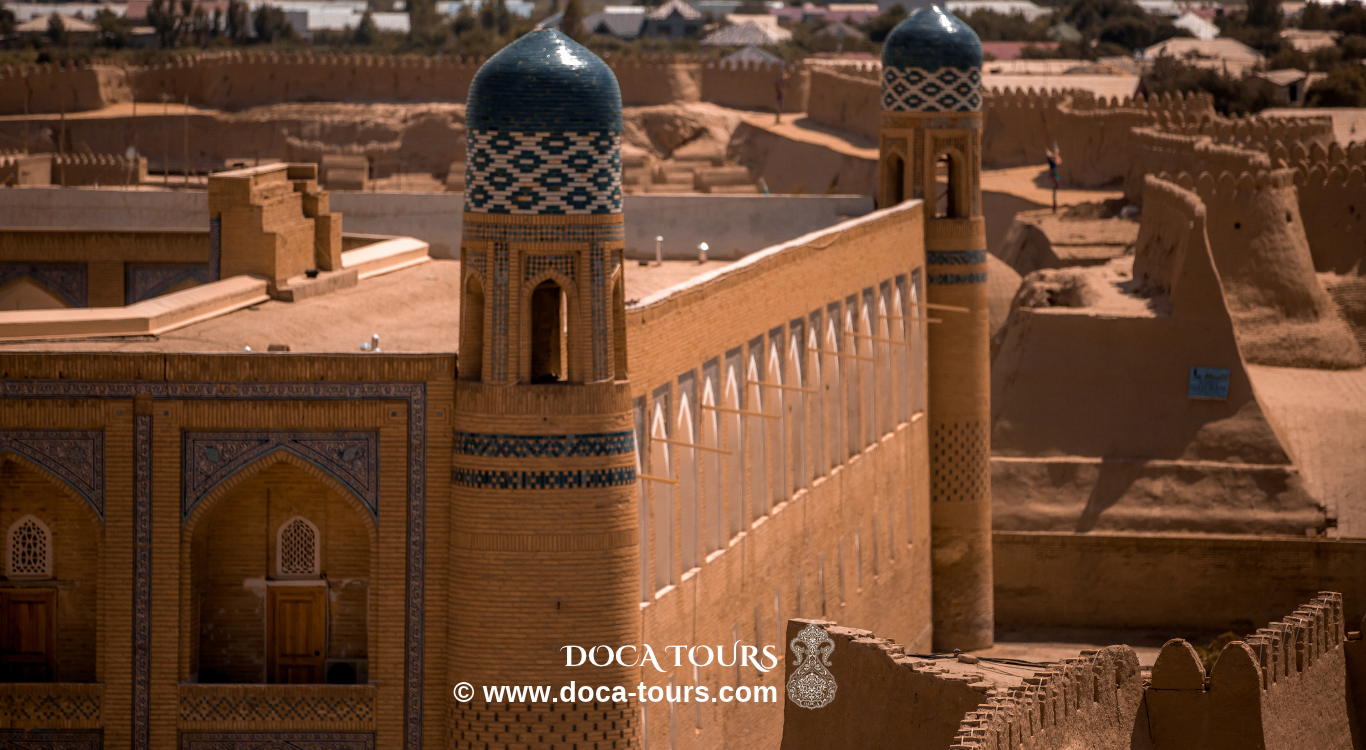
The most poignant chapter in the Sheikh's life unfolded at the beginning of the 13th century,
when the devastating armies of Genghis Khan invaded Central Asia. When the Mongol troops stood before the gates of
Urgench in 1221, and the Khwarazmshah fled; the city was left without leadership. Although he was already an elderly man of
76 at the time, the Sheikh rejected evacuation offers from the invaders. He gathered his remaining disciples and the citizens of
the city to organize the final resistance. In his historical records, he emphasized that he would not share the fate of his people in
difficult times by cowardly fleeing. With weapons in hand, he defended the city to his last breath and fell as a hero while defending his homeland.
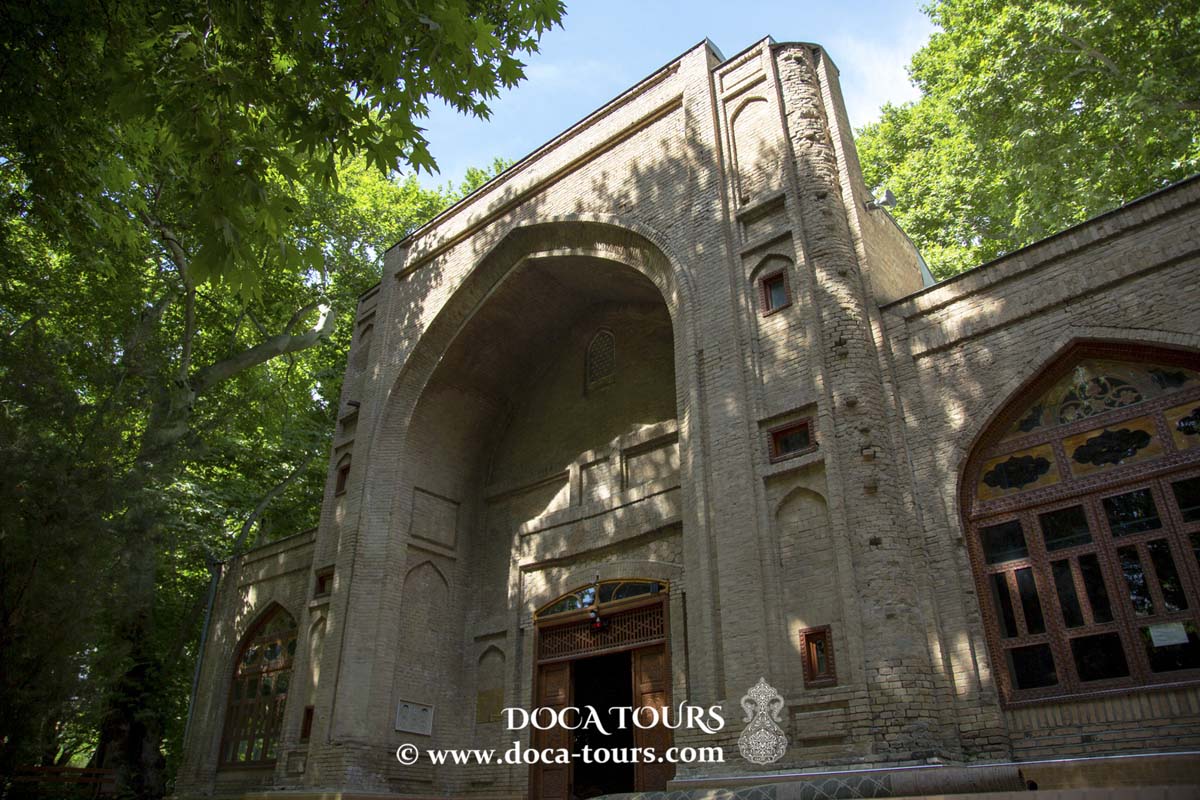
Today, a magnificent mausoleum in Turkmen Kunya-Urgench commemorates this great thinker and warrior of the spirit.
His name remains forever a symbol of unsearchable steadfastness, deep spirituality, and true patriotism.
Frequently Asked Questions (FAQ) about Sheikh Najmuddin Kubra
Who was Sheikh Najmuddin Kubra? He was an outstanding Sufi master, philosopher, and founder of
the Kubrawiya Order, who lived and taught in Khorezm during the 12th and 13th centuries.
What do the teachings of the Kubrawiya entail? The teachings focus on the inner purification of the soul,
conscious self-awareness and the spiritual experience of light and colors during mystical meditation.
How did Sheikh Najmuddin Kubra die? He fell in battle in 1221 at the age of 76 while defending his hometown of
Urgench against the surging Mongol conquerors.
Where is his grave located? His historic tomb is situated within the architectural complex of
Kunya-Urgench in present-day Turkmenistan.
Planning your private tour? DOCA TOURS organizes fascinating cultural journeys into the
historical heritage of Central Asia for you. Contact us today to plan your customized tour!