
























Ruler Amir Timur: The Legendary Conqueror of the Silk Road
He is one of the most dazzling and influential figures in the history of Central, South, and West Asia, as well as the Caucasus and Russia.
The ruler Amir Timur was an outstanding military commander and the undisputed founder of the Timurid Empire in 1370, whose magnificent
capital became Samarkand. Historically, he ranks right alongside the greatest military commanders of mankind, directly beside Alexander the Great or Julius Caesar.
When you travel through Central Asia with DOCA TOURS, you will encounter the monumental traces of his rule everywhere.
Discover the life and legacy of a man who redrew the medieval world map.
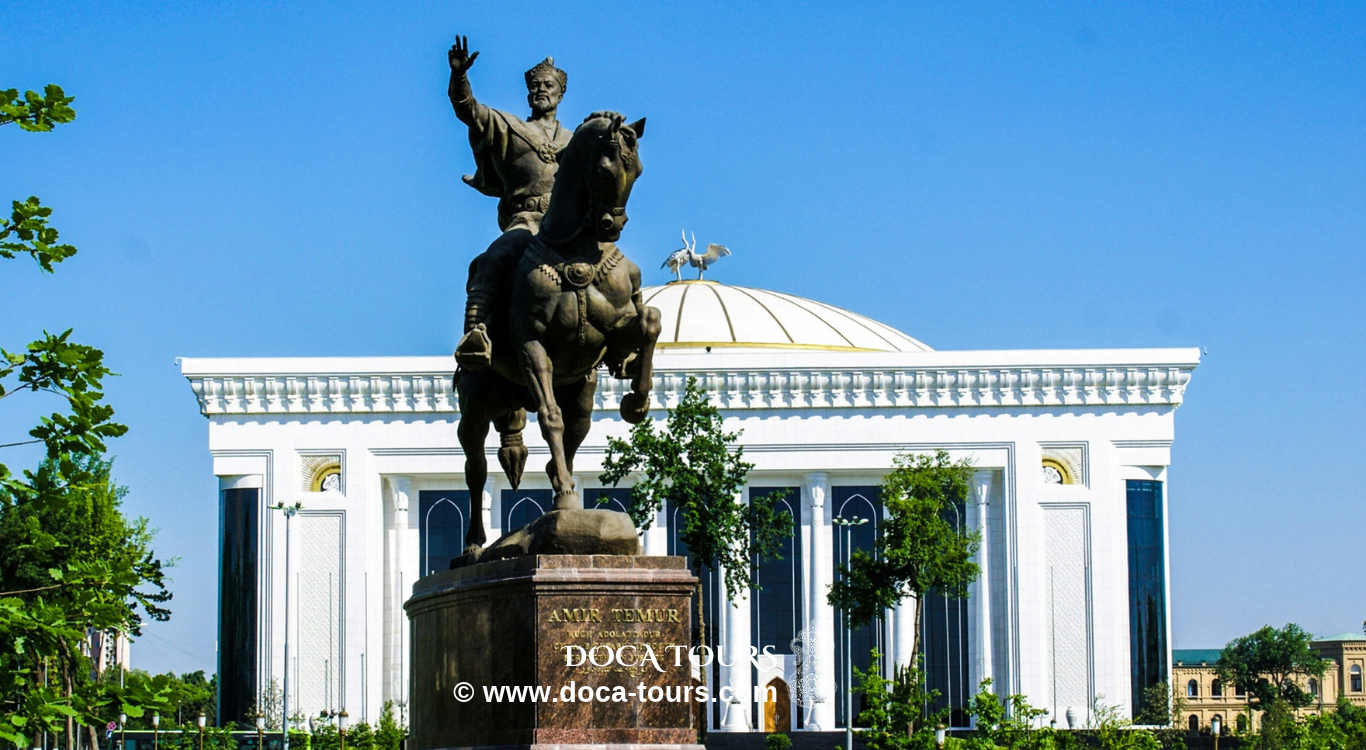
Origins and Rise to Power
He was born on April 9, 1336, in a small village near Kesh (present-day Shahrisabz).
Legends say he was born with a blood clot in his hand and white hair—similar mythical stories circulated about Genghis Khan.
His father was an influential nobleman from the Turco-Mongol Barlas tribe, whose ancestors enjoyed high standing at court.
In his youth, he learned not only riding and fighting but also medicine, mathematics, astronomy, and architecture.
In the mid-14th century, the economic situation in Transoxiana deteriorated dramatically, which Mongol rulers used for invasions.
After initial cooperation, he turned against the invaders, allied with the ruler of Balkh, and began a long, bitter struggle for liberation.
In 1370, he was finally proclaimed supreme ruler of Turan at a traditional assembly. Through his strategic marriage to a princess from
the house of Genghis Khan, he also acquired the venerable title of "Gurgan" (son-in-law of the Khan).
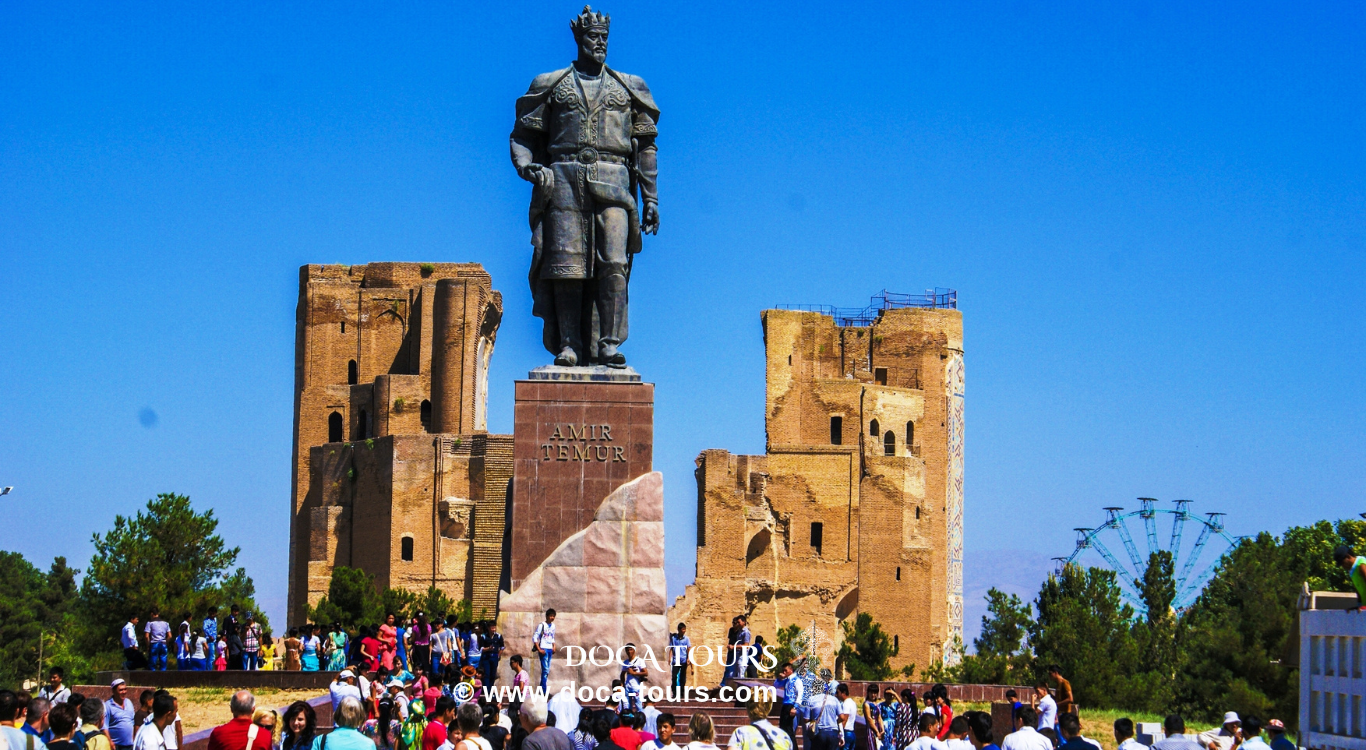
An Empire from India to the Mediterranean
His primary political goal was to end the fragmentation of the region and create a strong, united centralized state.
From his new capital Samarkand, he launched incomparable campaigns to unite the restless principalities.
During his 35-year reign (1370–1405), he forged a gigantic empire. Its borders stretched from the Indus to the Syr Darya,
from the Tian Shan to the Bosporus and the Mediterranean.
He defeated the powerful Golden Horde, thereby indirectly freeing Russian principalities from Mongol rule and protecting
Europe from Ottoman expansion. He ultimately died in 1405 during a major campaign toward China in the city of Otrar.
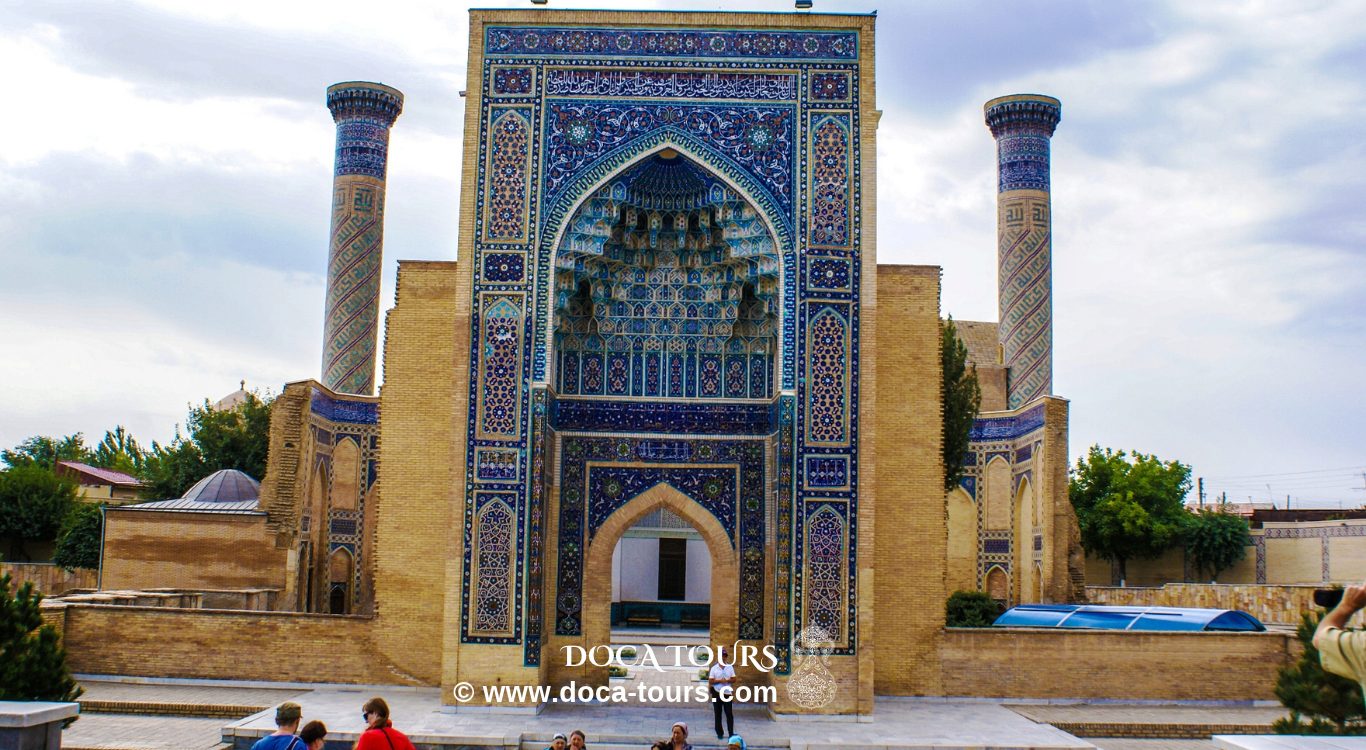
Statesman, Diplomat, and Builder
The ruler Amir Timur was far more than just a brilliant conqueror; he was a forward-thinking organizer and diplomat.
He instituted a strict, just administrative system. Each province received its own financial administration, and taxes were regulated fairly,
and the construction of roads, bridges, and irrigation systems was state-sponsored.
He was strictly opposed to impoverishing the population with excessive taxes, knowing that a bankrupt state cannot maintain a potent army.
To boost the economy, he actively established diplomatic and commercial relations with major European realms such as France, England, and Venice.
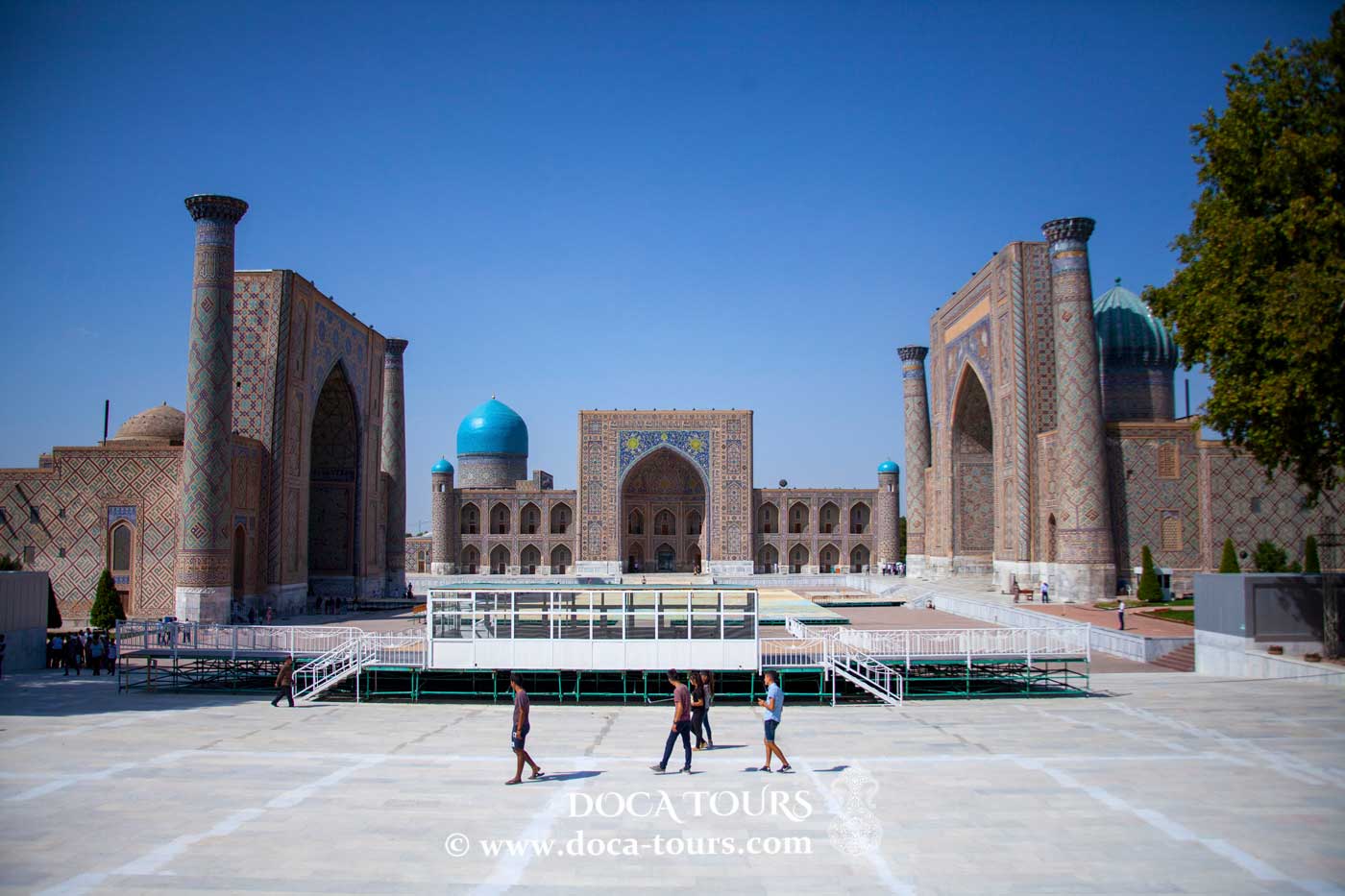
Under his rule, ancient cities like Samarkand, Bukhara, Kesh, and Tashkent became the absolute commercial and cultural centers of the Silk Road.
To demonstrate his power, he had massive mosques, madrasas, mausoleums, and caravanserais constructed. He was also a great patron of
the sciences and always surrounded himself with the brightest scholars, architects, and musicians of his time.
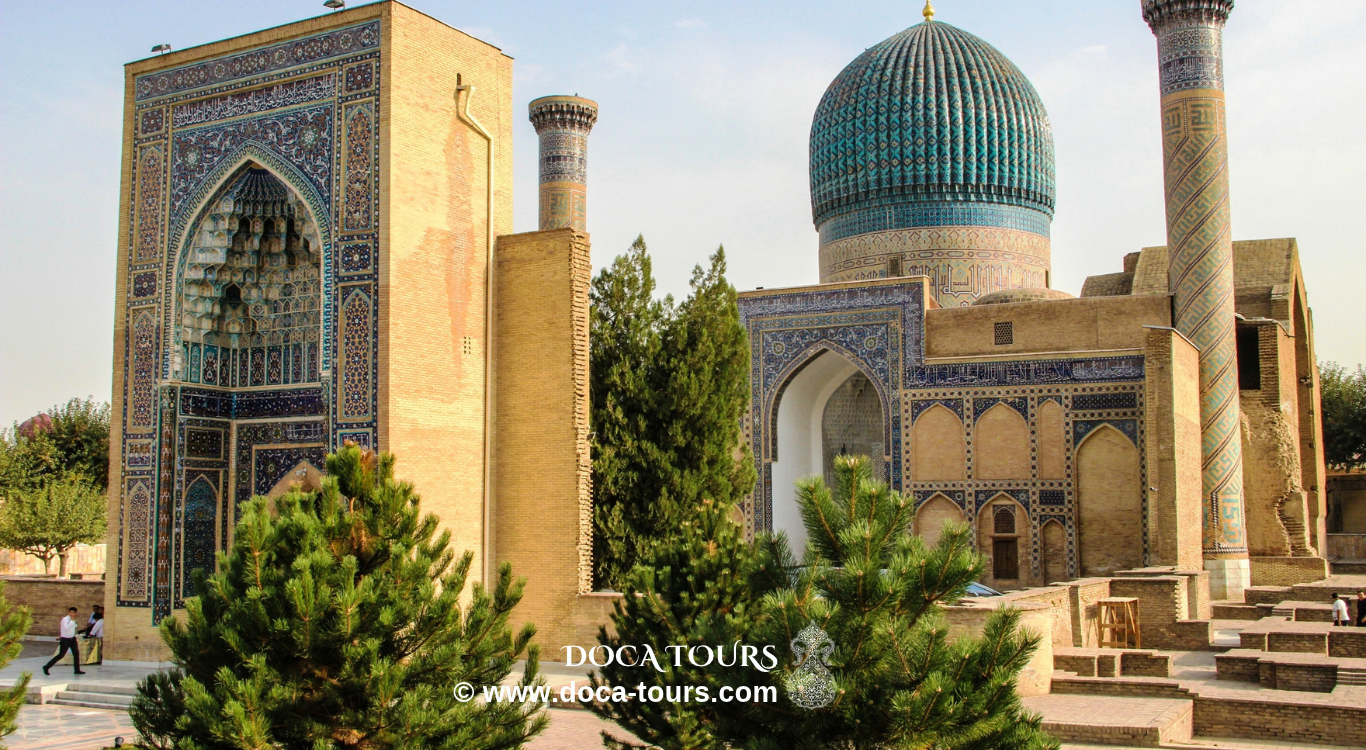
Historical Sources and the Assessment of His Character
The historical assessment of his personality is extremely multifaceted and was often shaped by the origins of the respective chroniclers.
Personal records (Tuzukati Temuri): Provide deep insights into his military strategy and his vision of a just, Islamically oriented state.
Persian court chroniclers described him as a just ruler, brilliant strategist, and pious protector who always sought to induce cities
to surrender peacefully through diplomacy and warnings (white, red, and finally black flags).
Opposing chroniclers whose home cities were conquered by him authored texts portraying him as a cruel tyrant.
Records of European diplomats (such as the Spanish envoy Ruy González de Clavijo) provide invaluable, neutral observations of everyday life in his capital.
Today, the ruler Amir Timur is accepted for what he was: a child of his time. He was a complex man, an indomitable general, a state builder,
reformer, and patron of the arts who nevertheless lived in an era when absolute harshness and military strength were absolute prerequisites for political power.
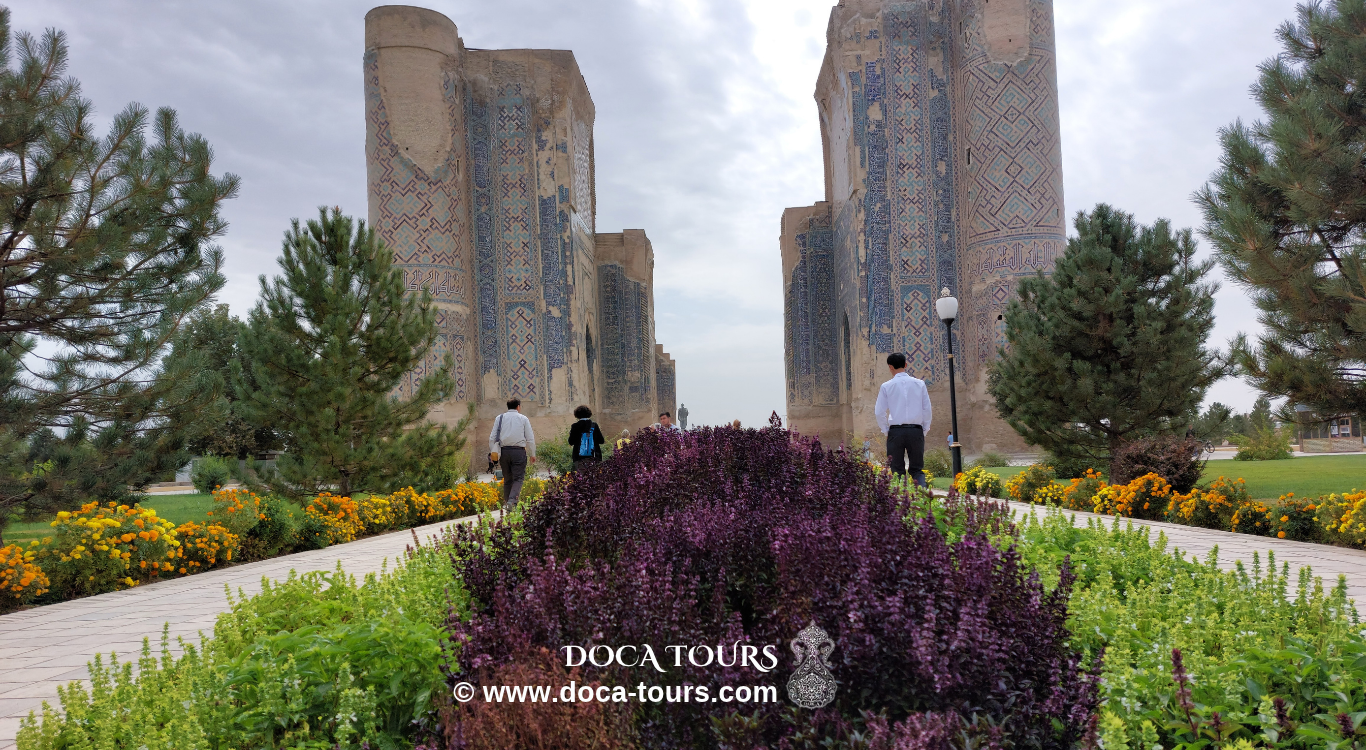
Frequently Asked Questions (FAQ) about the Ruler Amir Timur
Who was the ruler Amir Timur? He was a brilliant Central Asian military commander born in 1336 who established a
vast empire in the 14th century stretching from India to the Mediterranean.
What is his greatest legacy in Central Asia? Alongside liberating Central Asia from Mongol rule, he turned his capital Samarkand
into a global center for commerce, science, and monumental architecture.
Was he a cruel tyrant or a just king? He was an extremely complex personality. While historical sources from his opponents
emphasize his military severity; other records and European diplomats praise his just laws, his promotion of science, and his brilliant state reforms.
Planning your private tour? DOCA TOURS organizes fascinating cultural tours to Shahrisabz and Samarkand for you,
where you can dive deep into the history of the Timurid Empire. Contact us today for your customized historical journey!