
























Video: https://www.youtube.com/watch?v=Z9twY4ozB4A
As psychologists note: in order to be satisfied with life, each person satisfies his four basic instincts: food, reproductive, defensive, and a sense of self-worth.
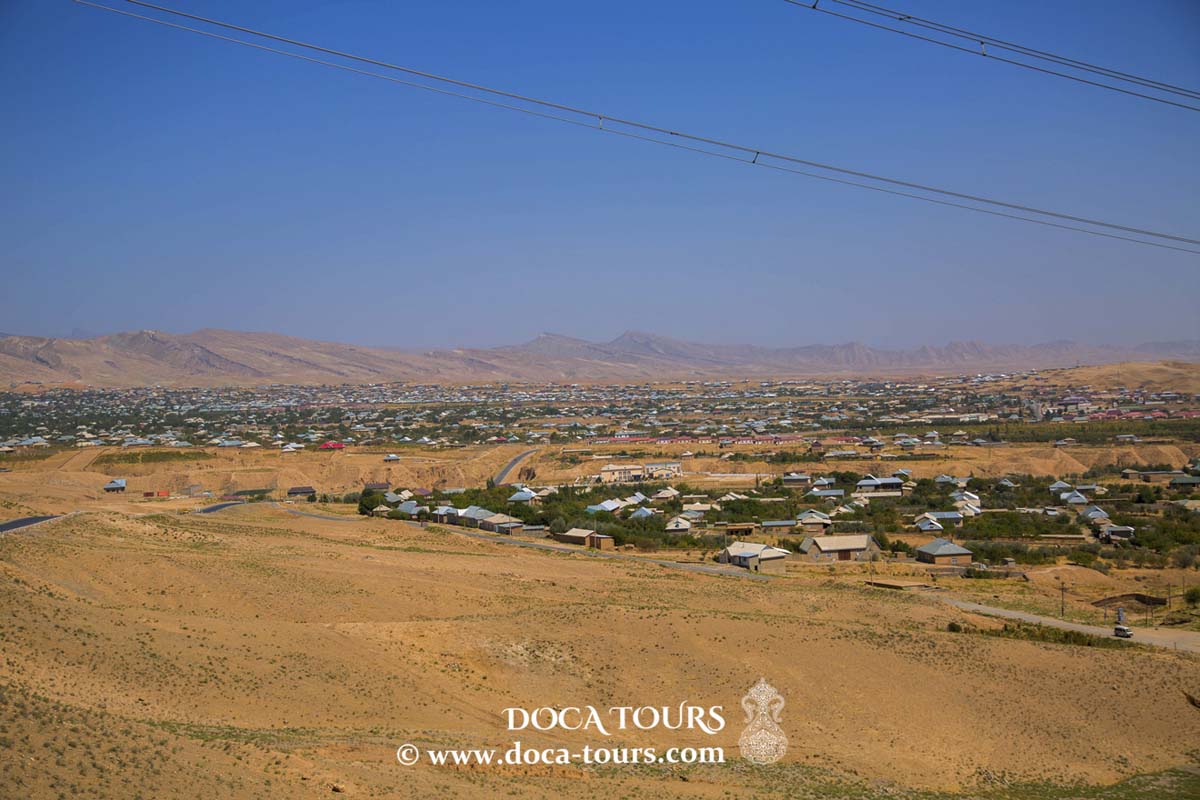
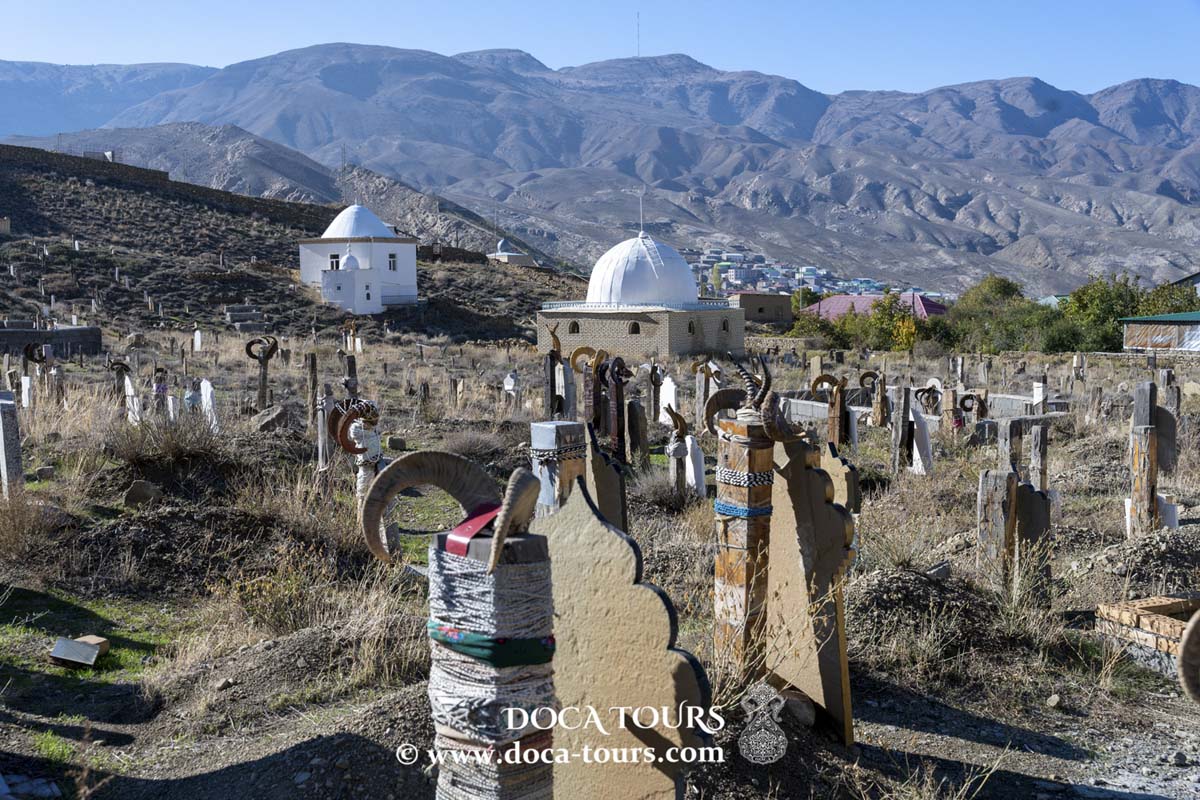
Today I decided to satisfy one of my basic instincts. For this, we left our hometown of Samarkand to the neighbouring region of Kashkadarya. We left early in the morning to have time to see the beauty of the mountains of the Gissar ridge, which separate the Samarkand region from the Kashkadarya region.
The Gissar ridge belongs to the Pamir-Alai mountain system. The highest point of the Hissar Mountains in Uzbekistan is called Khazret Sultan Peak, 4643 meters above sea level. By the way, this is the highest point in Uzbekistan, which is located on the border with Tajikistan. The Hissar ridge consists mainly of granite, shale, sandstone and crystalline rocks.
There is relatively little vegetation here, but the landscapes are magnificent, especially when there is snow and in spring when everything is blooming here.
You can go from Samarkand to Kashkadarya in two ways: through the Takhta Karacha pass and bypassing the mountains through the village of Chirakchi, but we have chosen the first option, as it is shorter and much more beautiful. In spring you can see picturesque mountain meadows here. Almond and pistachio bushes bloom here. Local guys collect and sell mountain tulip and rhubarb.
The highest point of the Takhta Karacha pass reaches almost 1,700 meters above sea level and right at this high point is the nominal border between the two regions.
These mountains have seen a lot in their history: caravan routes passed here, travelers made their way through these mountains on the road to Samarkand, if they were heading there from the south. Alexander the Great also passed here with his Roxana when he led a military campaign to India …
Roxana … she must have been extraordinarily beautiful…
But it turns out that we have already arrived. Here I will satisfy one of my basic instincts…
You probably guess what this is about?
Fresh mountain air … romantic landscapes … Roxana …
Of course … we came here … to eat!
And we will eat a dish called “Tandoor Kabob”, which has been cooked here by shepherds since ancient times. Why shepherds, I will explain to you a little later.
The restaurant that we have chosen does not differ with its elegant appearance and interior, but the Tandoor Kabob is of high quality here. Any experienced traveler will agree with me that: the most real and delicious food should be sought not on the central streets of big cities, but in little-known food outlets outside the city.
In this case, we have chosen a small restaurant near the Kitab town.
What’s interesting: Tandoor Kabob is prepared on the other side of the pass. From the culinary side, Samarkand can boast of many of its dishes, but nobody can cook Tandoor Kabob as well as the inhabitants of Kashkadarya.
Since we have come such a long way to taste this delicacy, I would like to show you in detail, our dear subscribers, how this dish is prepared and what its peculiarity is.
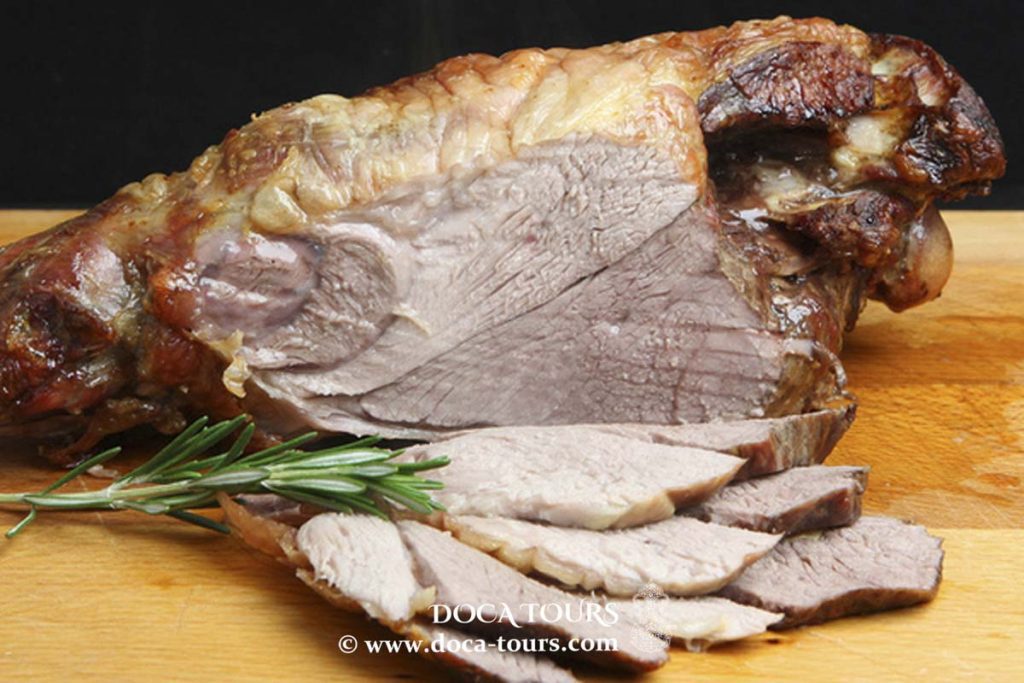
Long story short: Tandoor Kabob is large pieces of lamb cooked in eastern clay oven – Tandoor. Hence the name: Tandoor Kabob, that is meat cooked in Tandoor.
The main ingredient for this dish is lamb. This is the meat of a special Hissar breed of sheep, which was bred by the peoples of Central Asia many centuries ago. A characteristic feature of this breed is the presence of a fat tail, which can reach up to ten kilograms in adult animals. A sheep’s tail is the equivalent of a camel’s hump. It serves as a reserve of fat in winter and feeds the animal when juicy grass is nowhere to be found.
As you know, Muslims adhere to a strict code called Halal. This not only concerns animals that can and should not be consumed by Muslims but also many other details. They also include the slaughter of livestock using a special technique, which is owned by butchers. According to theories, the Muslim method of slaughtering livestock is less stressful and painful for the animal than other methods. A very important point is that the blood of the animal is removed as much as possible from its carcass. Because of this, after slaughtering, the animal is hanged up.
The pre-cooked ram carcass is first cut. For this, one of the workers of the restaurant, with precise movements of a sharpened knife and axe, cuts the carcass of a ram. He cuts the meat into large pieces and just so that they can be hung in the tandoor. A little later I will show you this, and everything will become clear to you.
The fat tail is also cooked with meat, but in small pieces for taste, since it consists of one hundred percent fat. The fat tail has a specific taste and it can be assumed that many Europeans will not like it, but many inhabitants of Central Asia appreciate this taste. And some even believe that the fat tail – prolongs life and improves potency. For good reason our ancestors used it. In addition, the fat of the Hissar ram accumulates as much as possible in the fat tail, respectively, other parts of the animal’s body are less fatty.
In this pile, we see two butchered carcasses of rams.
Communicating with the chef of this place – Rasul aka, I learned that this small restaurant prepares at least fifteen carcasses of sheep a day, besides, orders for four or five carcasses to take away very often come for weddings and other events. And on holidays, the demand for this delicacy rises to thirty sheep a day. And this, at first glance, the unremarkable restaurant manages to cook more than a thousand kilograms of Tandoor Kabob per day!
Eleven people work in the restaurant permanently. The logistics are very well established, as the owner of the restaurant has his own farm where animals are raised; and the shepherds who graze his flock in spring and summer. It turns out that they have everything from their own garden.
OK, let’s get back to the cooking of our rams. After cutting the meat, it must be marinated. It doesn’t take much for this. Large pots are filled with plain water, and large pieces of meat are dipped in water, thus, two actions are performed simultaneously: the meat is washed again from the remaining blood and at the same time becomes a little moist so that salt and spices are absorbed into it as much as possible.
For the spices. They use minced garlic and caraway seeds to bring down the specific smell of mutton as much as possible.
The marinating is finished. Now, as they explained to me, the meat must “rest” for at least twelve hours and absorb the smells of garlic and caraway seeds. For this, the restaurant has a special refrigerator. Of course, all processes here are very well established; each employee has his own responsibilities. The harvesting is planned for many days ahead.
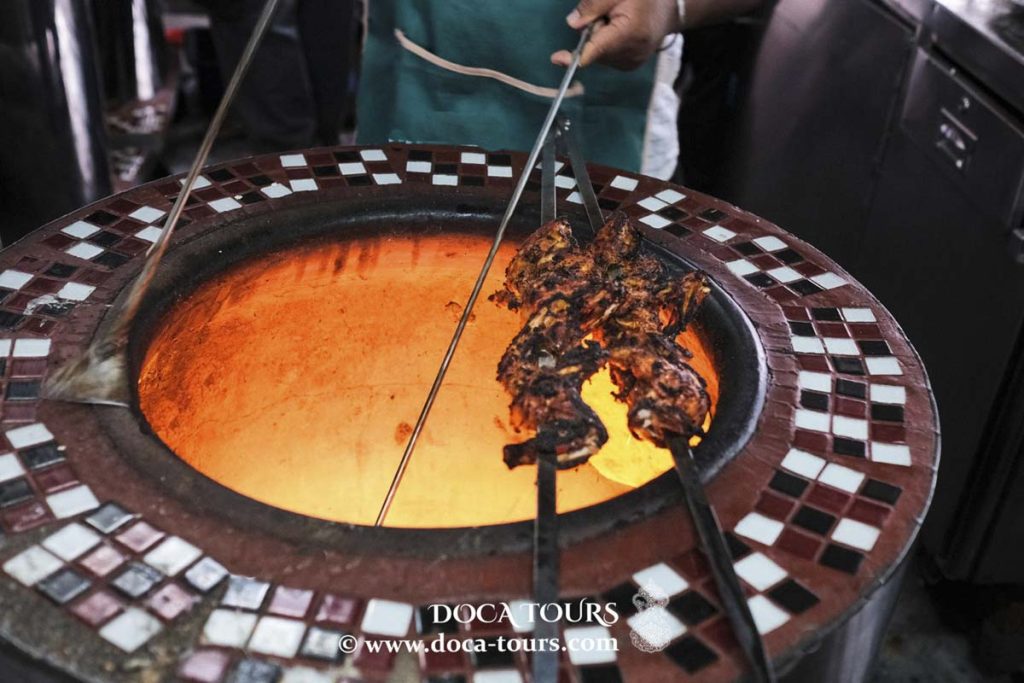
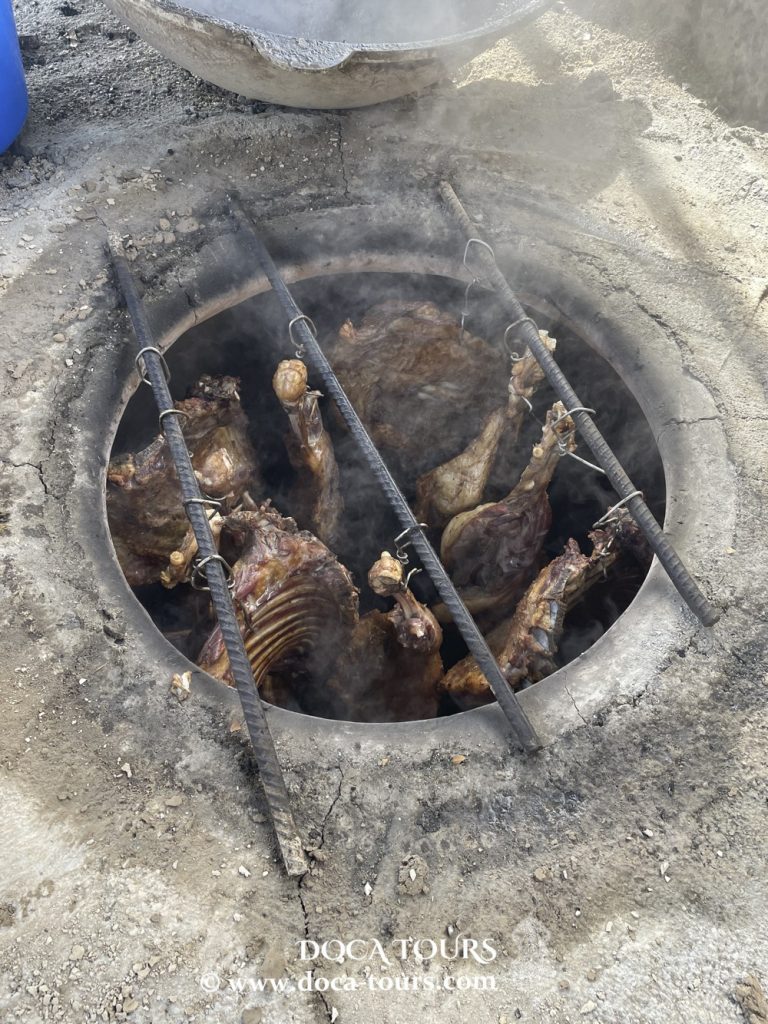
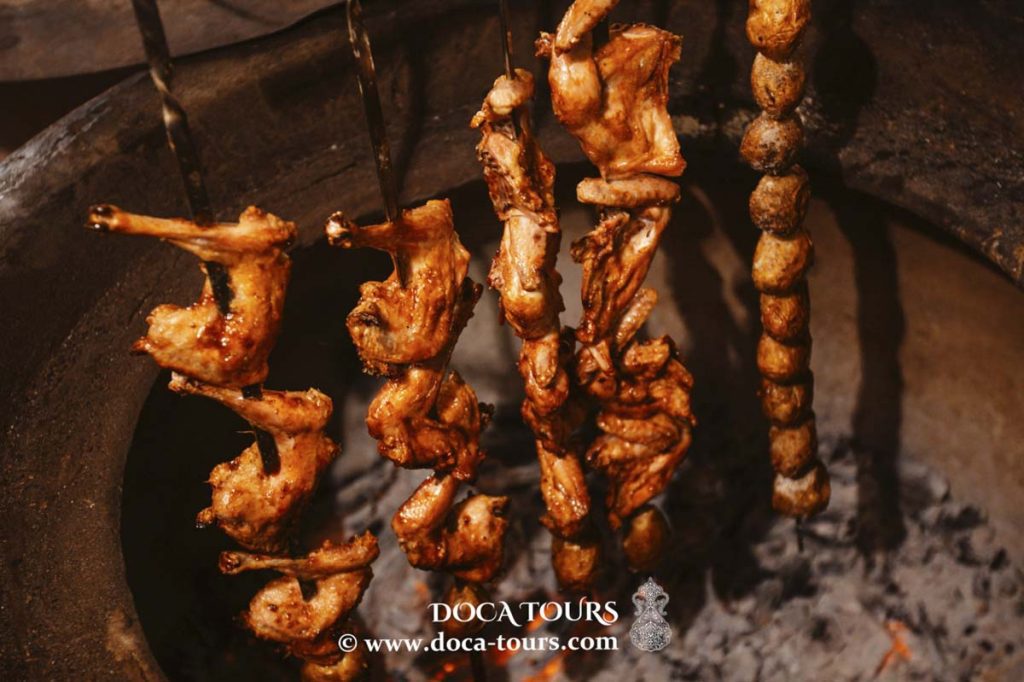
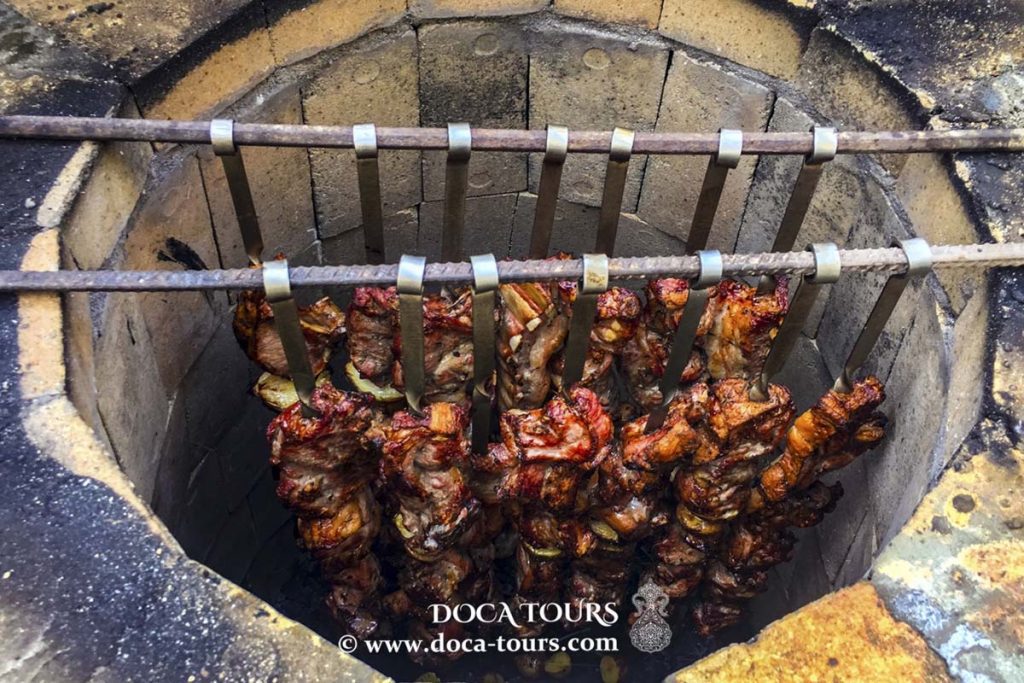
The meat can be cooked after 12 hours. Large pieces of marinated lamb are hung on metal rods, the tandoor is warmed up with firewood and cotton stalks. The fact is that cotton in Uzbekistan gives only one harvest and after harvesting, the stems are removed from the fields and can be used as firewood. When dry, cotton bushes burn well.
In addition to meat, homemade sausages from the entrails of animals, which are called Khasyb, are hung on strong iron rods.
At the time of hanging the meat, the temperature in the tandoor is at least +250 degrees. The hole of the tandoor, from where the firewood is added, is covered with fresh clay each time before hanging the meat in order to seal the tandoor with meat as tightly as possible.
A special aroma, the meat is indulged in by the branches of coniferous trees, which are also specially delivered to the restaurant from the nearby mountains.
All the work is done by the experienced employees of the restaurant, but the chef of the restaurant Rasul aka personally performs the hanging up of the meat.
Immediately after a portion of the meat is hanged up, the tandoor is tightly closed and the lamb, marinated in garlic and caraway seeds, is stewed in a hermetically sealed oven at a very high temperature, absorbing the aroma of coniferous branches…
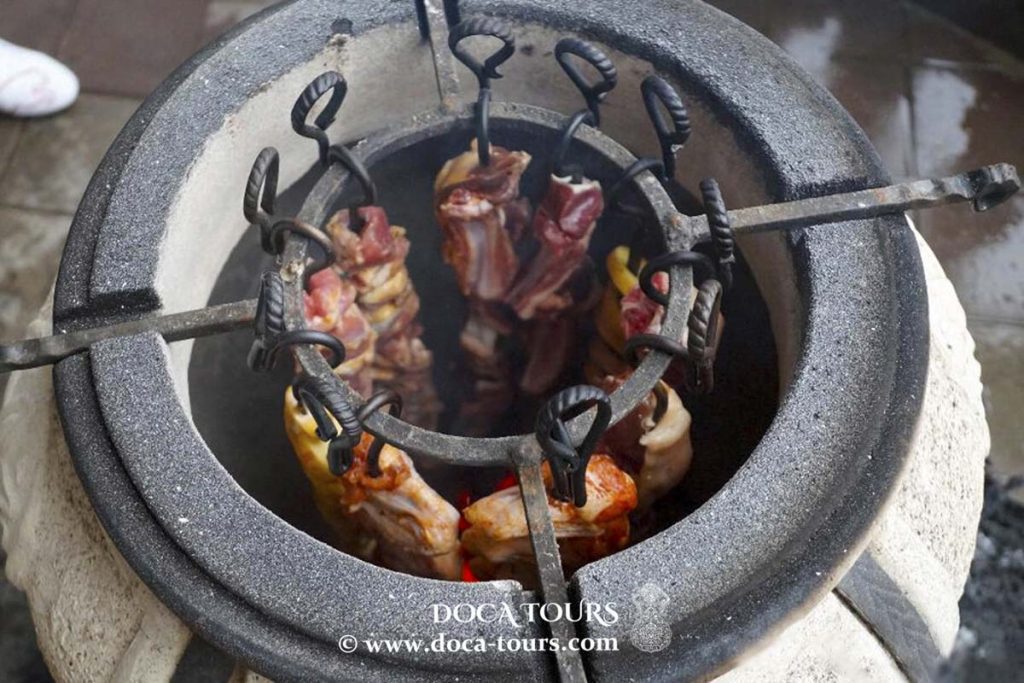
In order to preserve the high temperature inside the tandoor as much as possible, even on top of the iron lid and dense matter, fresh clay is placed, and the places of heat leakage are covered with it. For a modern person like me, this is incredibly hard work. But this ancient technology is really kept here and I am extremely delighted with these people.
In ancient times, there were no refrigerators, and after the slaughter of rams, it was impossible to eat everything at once. At the same time, it was necessary to find a way to preserve meat for a long time. Probably, it was this task that contributed to the fact that their ancestors – ancient shepherds and nomads, invented such a simple, but very practical way of cooking meat without electricity and gas.
Of course, time does not standstill. If you want to survive in the face of competition and the whims of consumers, you should only move forward: do marketing, beautiful packaging, have a delivery service, and so on. All these things are in this restaurant and their business can, no doubt, be called successful.
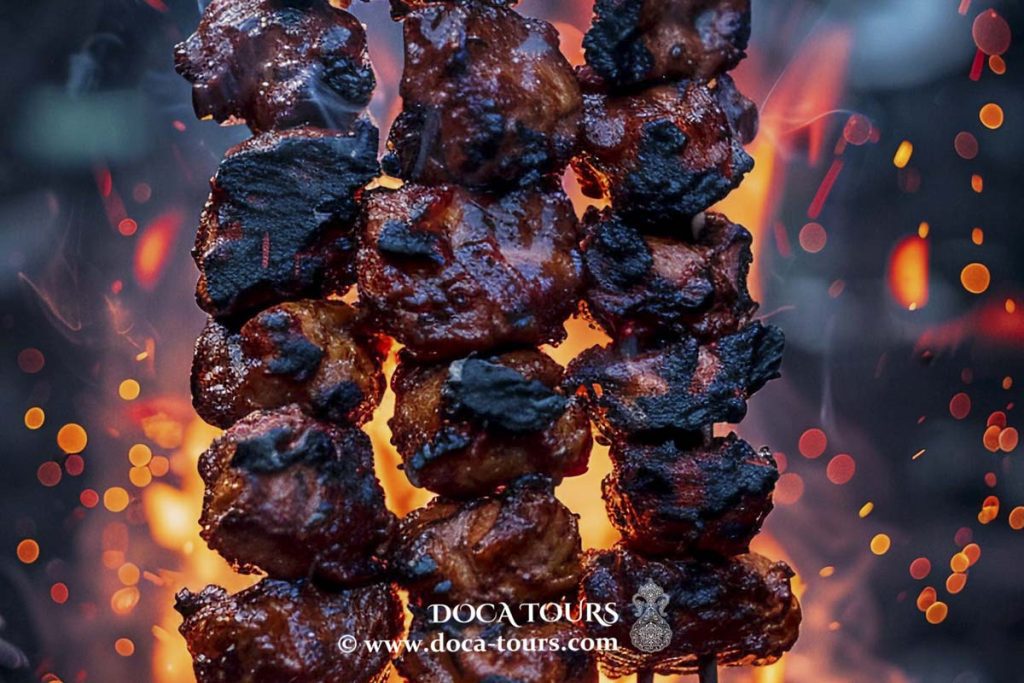
Tandoor Kabob is cooked for sixty minutes. So, the culmination of our video… The meat is ready… I cannot pass this flavor to you… I would not even exchange such meat… for Roxana…
As I found out from the owner of the restaurant, the main clientele of the restaurant are people who buy meat for taking away. There are also places to eat inside. The restaurant is opened from Monday to Saturday from 9:00 am to 9:00 pm. On Sunday, only delivery works. About two hundred people visit the restaurant a day.
By the way, meat is sold in kilograms and is packed into specially branded boxes. Meat in kilograms… Isn’t this heaven?
Thank you very much for your attention.
Subscribe to the channel and don’t forget to like our videos.
#uzbekistan #kabob #kebab #tandoor #recipe #cooking #masterclass #food #meal #dish #baking #silkroad #centralasia #uzbekcuisine #lambkebab #tandoorkebab #culinary #traveling #voyage #trip #tours #docatours #kashkadarja #oybekostanov