RISHTAN
- Geographical coordinates: 40°21′24″N 71°17′05″E
- Elevation: 300 m
- Former names: Dakhbed, Khumyn, Reshton, Rushton, Rushdon
- Popular languages: Uzbek, Tajik
- Official language: Uzbek
- Population: 201 200 (2019)
- Nationals: Uzbek, Kyrgyz, Russian, Tatar
- Time Zone: UTC+5
- Telephone Code: +998 73
- Postal Codes: 2107XX
- Vehicle Registration Code: 40
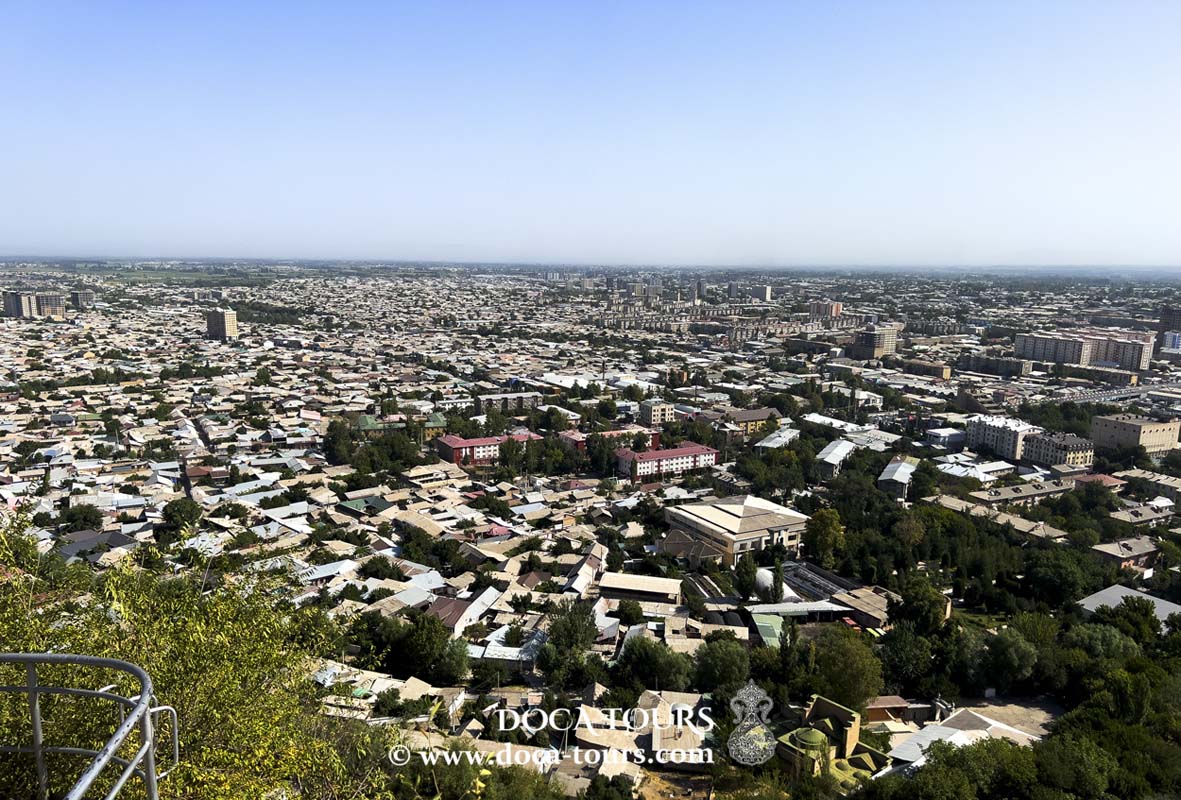
Rishtan (Uzbek: Rishton / Риштон) is a city in the Fergana Region of Uzbekistan and serves as the administrative center of the Rishtan District. Situated along the ancient Silk Road, it is one of the oldest cities in the Fergana Valley and Central Asia. Rishtan has long been celebrated as the largest center for producing unique glazed ceramics in Central Asia.

Geography
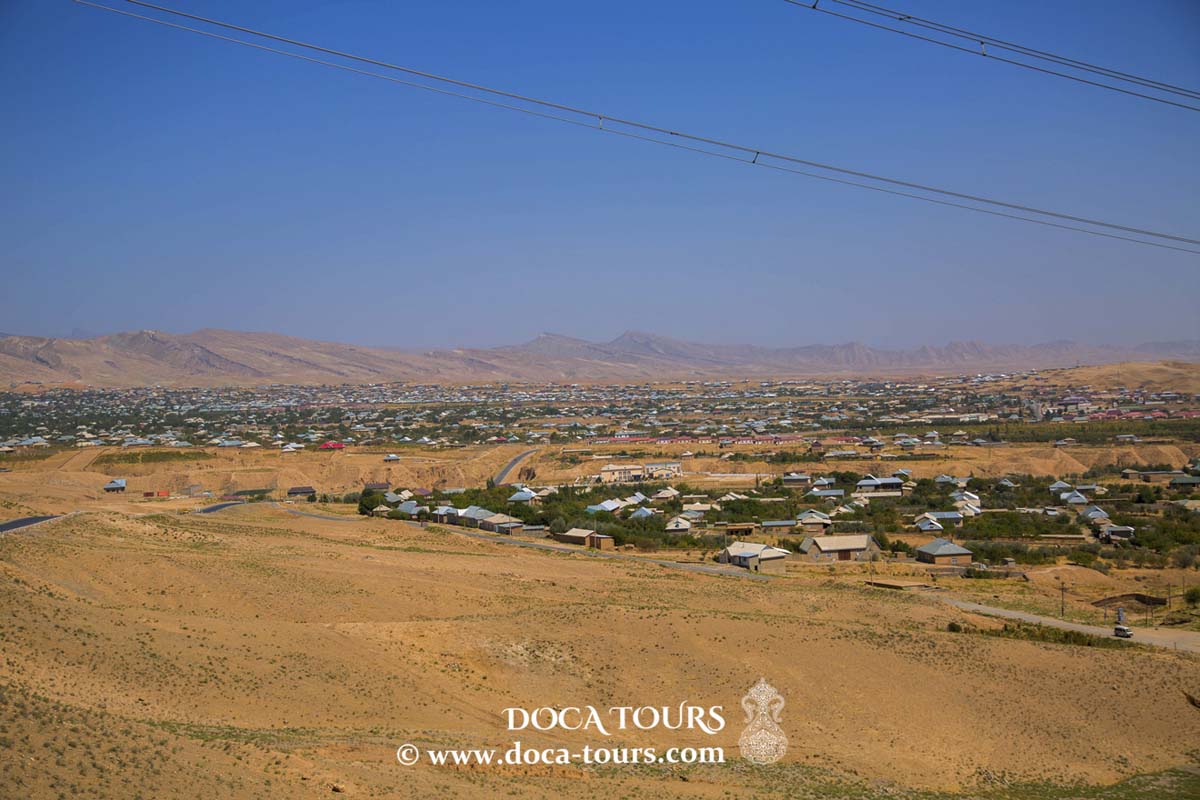
Rishtan is located in the southern part of the Fergana Valley, at the foothills of the Alay Range, at an altitude of 482 meters above sea level. The city lies on the right bank of the Sokh River, near the border with Kyrgyzstan. It is 50 km from Fergana, 40 km from Kokand, and 270 km from Tashkent. The nearest railway station, Bagdad, is 12 km north of the city.
Historical Development
Over the centuries, Rishtan’s status has changed multiple times due to wars and natural disasters. From a medieval city, it became a small settlement (kent) by the early 20th century and later a village (kishlak).
Under Soviet rule, administrative reforms between 1923 and 1929 replaced the tsarist system of provinces and districts with new districts. Until 1926, Rishtan existed as a volost (small administrative division). On September 29, 1926, the Uzbek SSR Central Executive Committee established Rishtan District as part of the Fergana Region, with its administrative center in the village of Yukori Rishtan.
In 1934, Yukori Rishtan was renamed Kuybyshev in honor of Soviet leader Valerian Kuybyshev. On May 8, 1958, Kuybyshev was granted urban-type settlement status. Finally, on November 24, 1977, the original name Rishtan was restored, and the settlement was granted city status.
Population
Anthropological studies suggest that the ethnic composition of modern Uzbeks and Tajiks was shaped in the Fergana, Khorezm, and Zarafshan Valleys between the 2nd and 3rd centuries CE. Their ancestors included the Saka, Massagetae, and Tocharian tribes (referred to as Yuezhi in Chinese sources). These groups were later influenced by Turkic tribes migrating from the north and Persian-speaking peoples from the south of the Amu Darya.
The earliest inhabitants of the Fergana Valley were Saka nomads, semi-nomads, and sedentary people. The Saka Tigrahauda (pointed-hat Saka), who lived in the region between the 7th and 3rd centuries BCE, spoke an ancient Fergana language that was likely related to Sogdian. Chinese travelers noted that, despite differences, the languages of the Fergana and Sogdiana peoples were mutually intelligible.
The racial composition of the Fergana Valley was diverse, with the Pamir-Fergana subrace (part of the broader Europoid race) dominating. Mongoloid influence was minimal until the 6th–8th centuries CE when the valley came under Turkic control.
During the Arab conquest of the 8th–10th centuries, the ancient Fergana language was replaced by the Persian-based Tajik language. In the 13th century, the Mongol invasion significantly altered the ethnic landscape. Mongol tribes such as the Jalair, Oirat, and Barlas settled in the region and were quickly Turkicized due to their close cultural and linguistic ties with Turkic groups.
By the late 13th century and into the 16th century, Turkic-Mongol tribes like the Manghit, Kungrat, Naiman, Durman, Kipchak, and others settled around Rishtan, shaping its ethnic makeup.
By 1909, Rishtan District had a population of 21,811, including 6,415 in the district center. The population comprised Uzbeks, Sarts, Tajiks, Kyrgyz, and a few Russian settlers. Tajiks primarily resided in administrative areas like Qalai Nau, while Uzbeks, Sarts, and Turkicized Mongol tribes populated the surrounding villages.
Cultural and Historical Insights
Rishtan was severely damaged by a mudflow at the end of the 11th century, leading to the creation of new neighborhoods during its reconstruction. From the 12th century to 1939, the city consisted of two sections: the old Kalay-i-Poyon (Lower Fortress) and the new Kalay-i-Bolo (Upper Fortress). The residents of both fortresses formed a unified community.
The people of Rishtan are considered to be descendants of the ancient Saka, Fergana, and Sogdian populations. Over time, parts of the sedentary population integrated with the Sogdians and became part of the Tajik ethnic group, while others contributed to the Uzbek ethnogenesis. By the early 20th century, these groups identified primarily as Uzbeks and Tajiks.
Rishtan's Ceramic Legacy
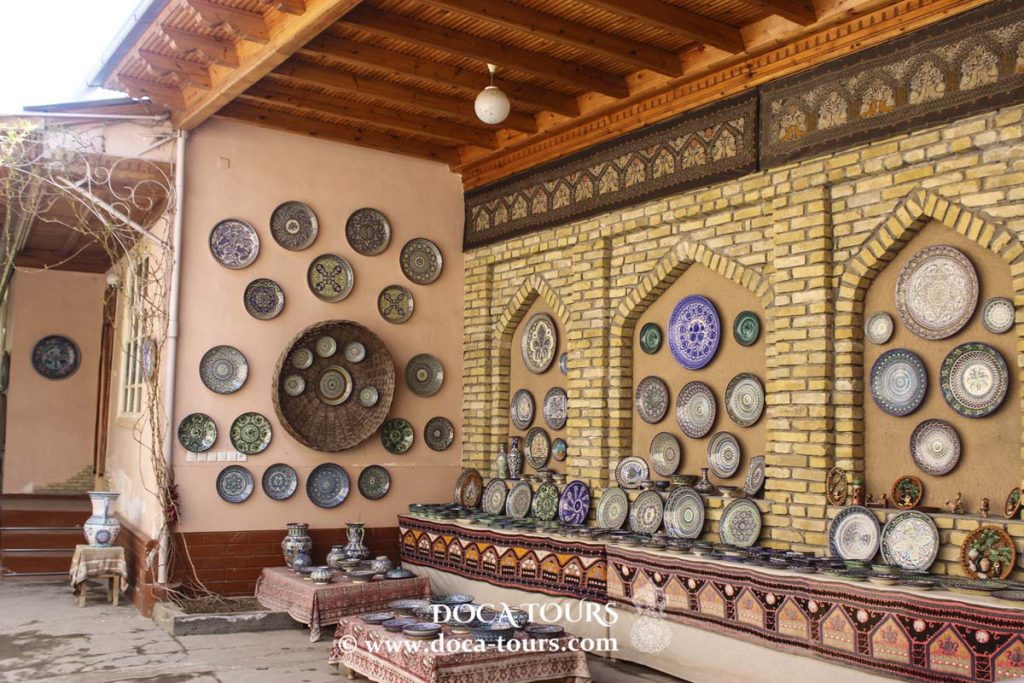
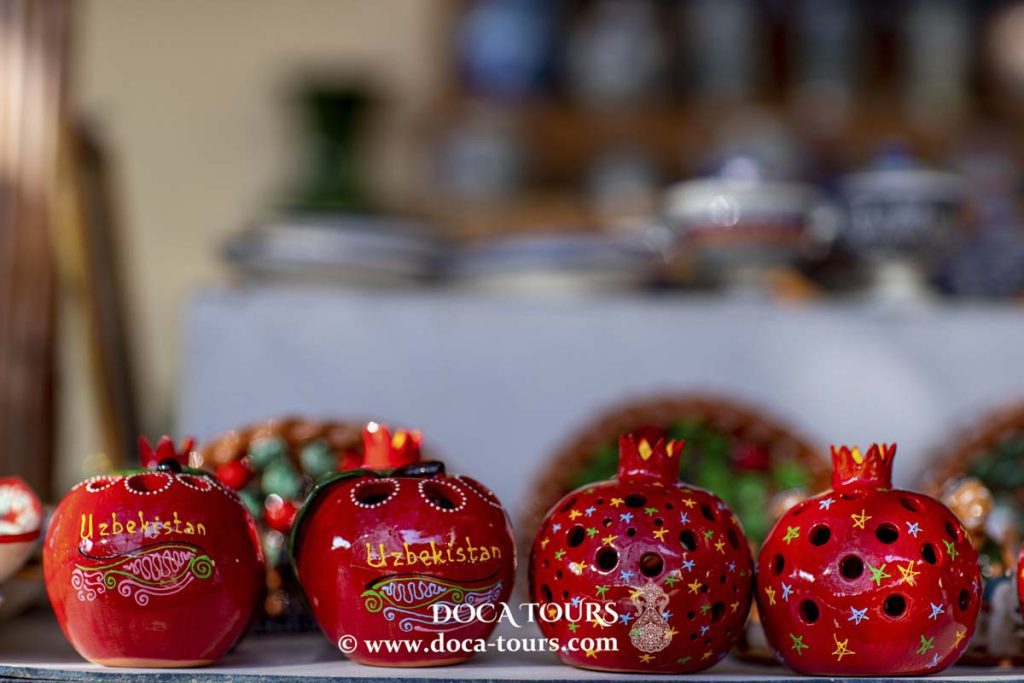
Rishtan has earned international fame for its unique glazed ceramics, a tradition dating back centuries. The city remains a key center for this craft, and its ceramics are highly valued throughout Central Asia.
Today, Rishtan stands as a testament to its rich history, cultural heritage, and artistic excellence.
Rishtan in Modern Uzbekistan
Rishtan is home to several prominent industrial enterprises, including Rishton Tex (a joint-stock company), the Rishtan Cotton Processing Plant, the porcelain factory SIMAX F+Z, the joint venture Asia Paints Ceramic, the Uzbek-Russian venture Demos-Leda, the Uzbek-Turkish partnership FAYZOKROTEX, and the Uzbek-Russian joint enterprise RusUzbekTex. Additional industries include a brick factory, a bakery, and over 1,000 individual ceramic workshops, making Rishtan a thriving hub for small and medium-sized businesses.
The city also has branches of major banks, including Hamkorbank, Agrobank, Milli Bank, and Halk Banki. Rishtan offers various educational institutions such as 9 secondary schools (one of which is Russian-language), 10 preschools, a lyceum-gymnasium, medical and industrial colleges, a music school, and the central library named after Mirzaabdulla Baky Nasriddinov. It also features two cultural centers and two cinemas.
Culinary Culture
The term "chaihana" (teahouse) derives from the Chinese word chai (tea) and the Persian word hana (house), reflecting its cultural significance in Rishtan since ancient times. Rishtan boasts one of the highest concentrations of teahouses in Uzbekistan, with over 40 located along the Fergana-Kokand highway that passes through the city center. These teahouses are renowned for serving Rishtan’s signature dish, plov, prepared with the famous Chugara rice.
In recent years, venues for hosting weddings and ceremonies, locally known as toykhona, have also grown in popularity.
Transportation
- Railway Station: Bagdad (Severo), 12 km away, on the Andijan-Tashkent railway line.
- Airport: Fergana International Airport, 45 km from the city.
- Cultural Heritage
Rishtan is a cultural hub of the Fergana Valley, with notable figures in literature, theater, and cinema originating from the city.
Literature and Translation
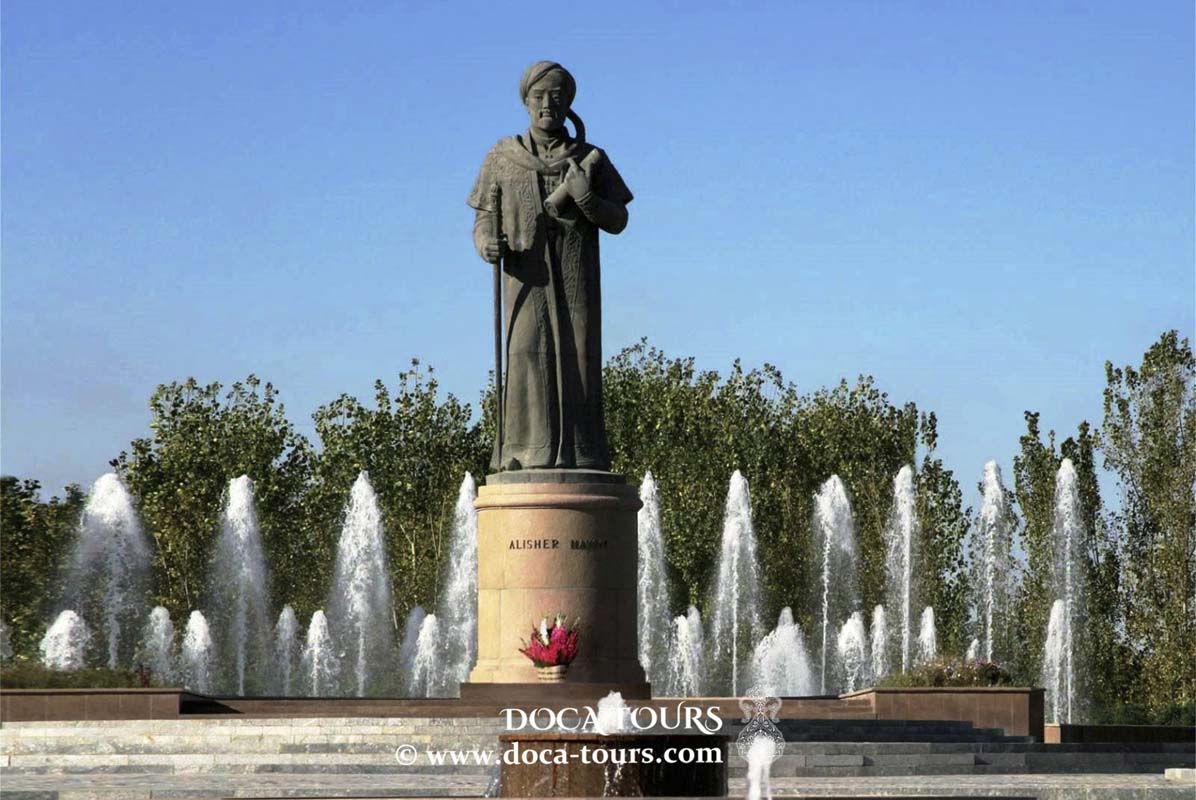
One of the city’s prominent cultural figures was Mirzaabdulla Baky Nasriddinov, a poet, translator, and literary scholar. A devoted admirer of Eastern poetry, particularly the works of Navoi and Bedil, he translated Alisher Navoi’s Qasida Tuhfat-ul-Afkor from Persian into Uzbek. He collaborated with other cultural icons of his time, including Mukimi, Furqat, Zavqi, and Nodim Namangoni. Nasriddinov also participated in the organization of the 500th-anniversary celebrations of Navoi’s birth in 1941.
Theater and Cinema
Rishtan played a key role in the development of Soviet Uzbek and Tajik theater and cinema. The city was home to pioneers like Ergash Khamraev, Lutfikhanum Sarymsakova, and Mukhammedzhan Kasymov.
Ergash Khamraev was a founding figure of Uzbek cinema, known as a director, screenwriter, and actor. His works include Yuksalish-Podyom (Ascent), Ajoyib Ish (An Extraordinary Deed), and Ramazon (Ramadan). His son, Ali Ergashalievich Khamraev, followed in his footsteps, directing acclaimed films such as Where Are You, My Zulfiya?, Red Sands, and The Seventh Bullet.
Lutfikhanum Sarymsakova, a renowned theater and film actress, was named People’s Artist of the USSR. She was celebrated for her portrayals of strong maternal characters in plays like Two Communists and films such as You Are Not an Orphan. Her iconic role as Fatima Opa popularized the Fergana word "Aya" (mother).
Mukhammedzhan Kasymov, a prominent actor and theater director, was a People’s Artist of the USSR. Trained by legendary figures like Hamid Makhmudov and Safiya Tuichibayeva, he performed notable roles in plays such as Othello and King Lear and appeared in films like Outpost in the Mountains and The Heart Commands.
Khamit Shamsutdinov, an actor, director, and pedagogue, was recognized as a People's Artist of Bashkortostan and the Russian Federation. His work in films like The Rider on the Golden Horse and Emelyan Pugachev earned a place in the cinematic history of Uzbekistan, Bashkortostan, and Russia.
The Premier Pottery Workshop of Central Asia
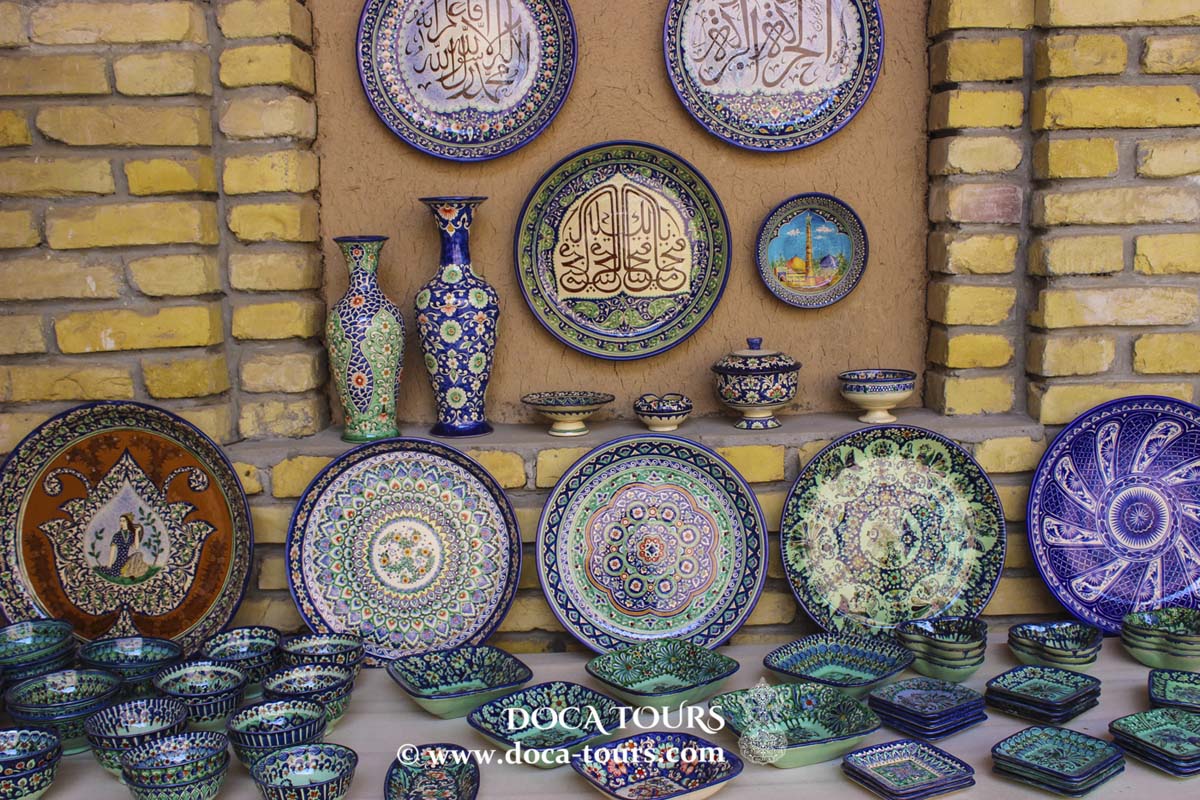
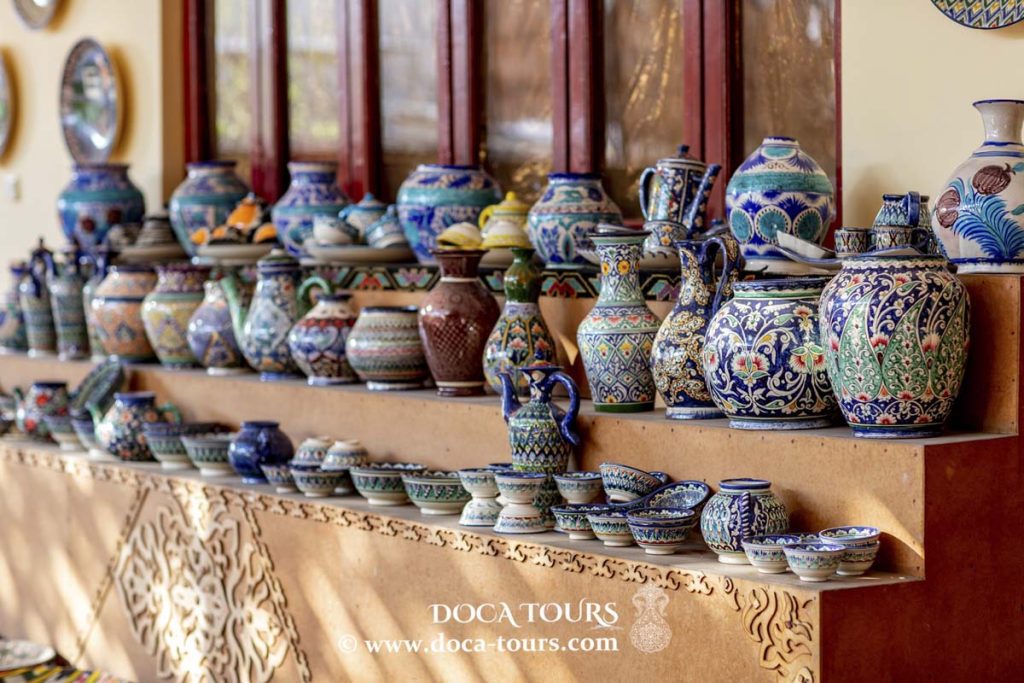
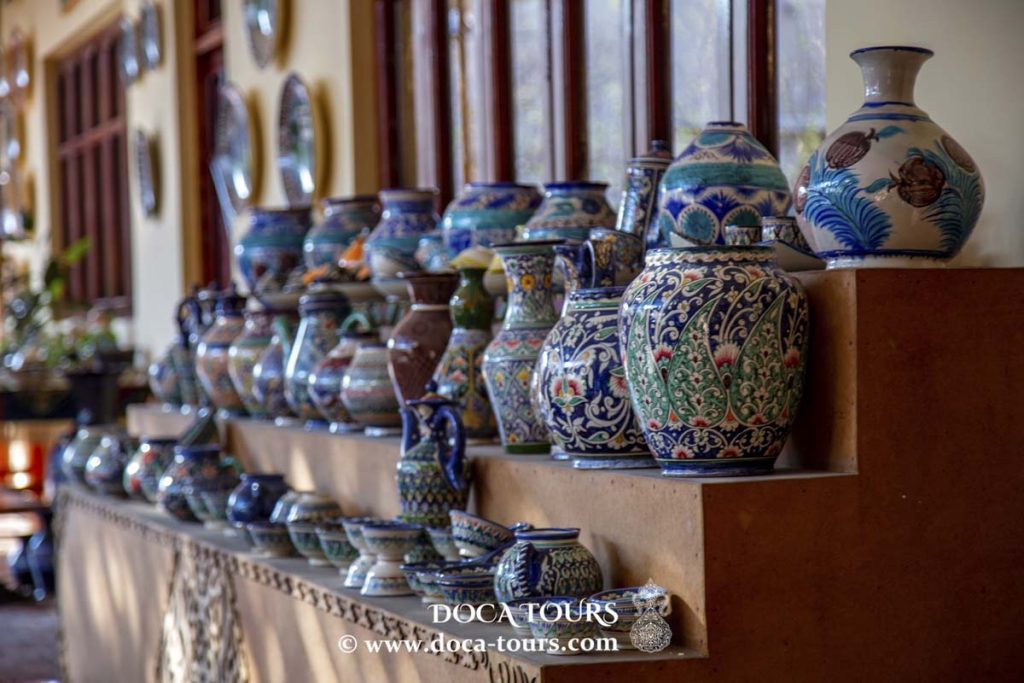
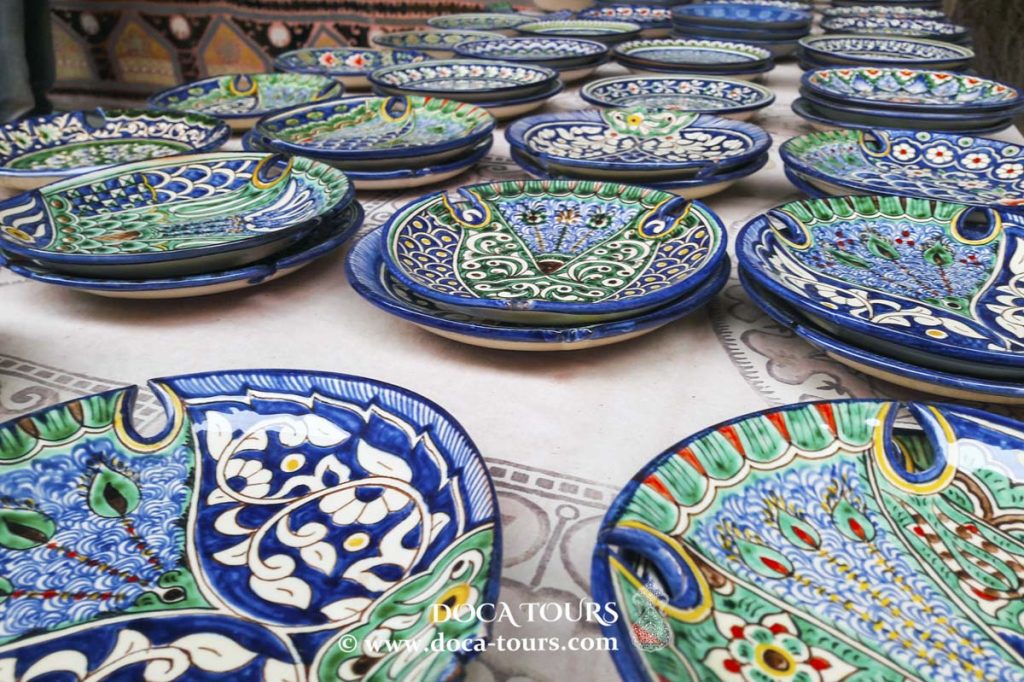
Since ancient times, Rishtan has been renowned for its unique ceramic-making techniques. While many ceramic traditions in neighboring regions were almost entirely lost by the end of the 20th century, Rishtan managed to preserve and continuously develop its craft over a thousand years, maintaining its stylistic integrity. No other ceramic center in Central Asia boasts the same diversity of forms as Rishtan.
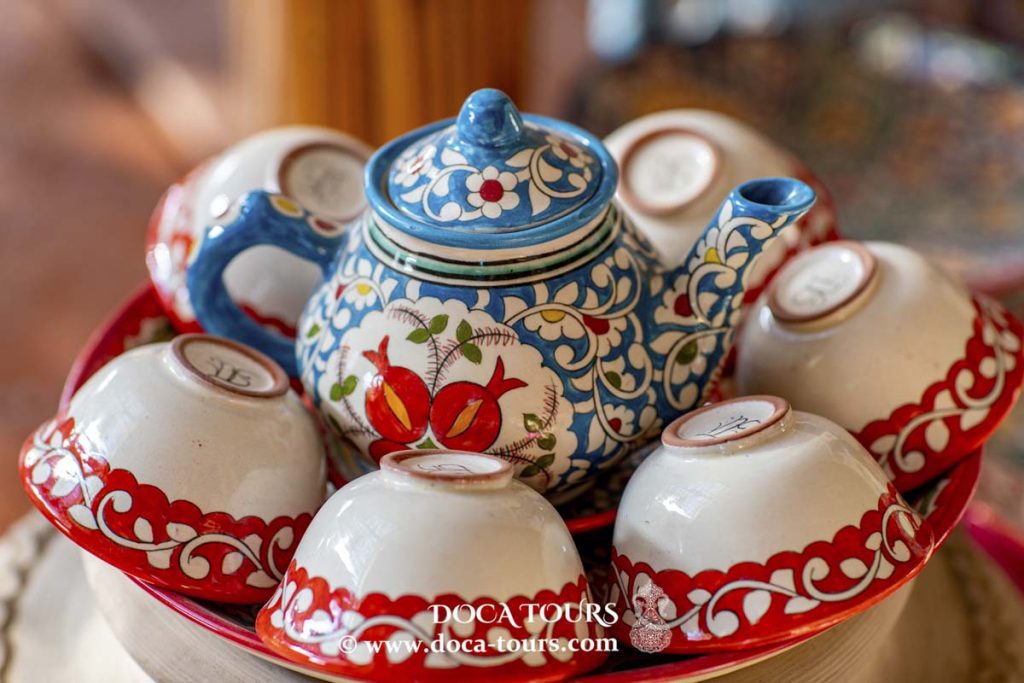
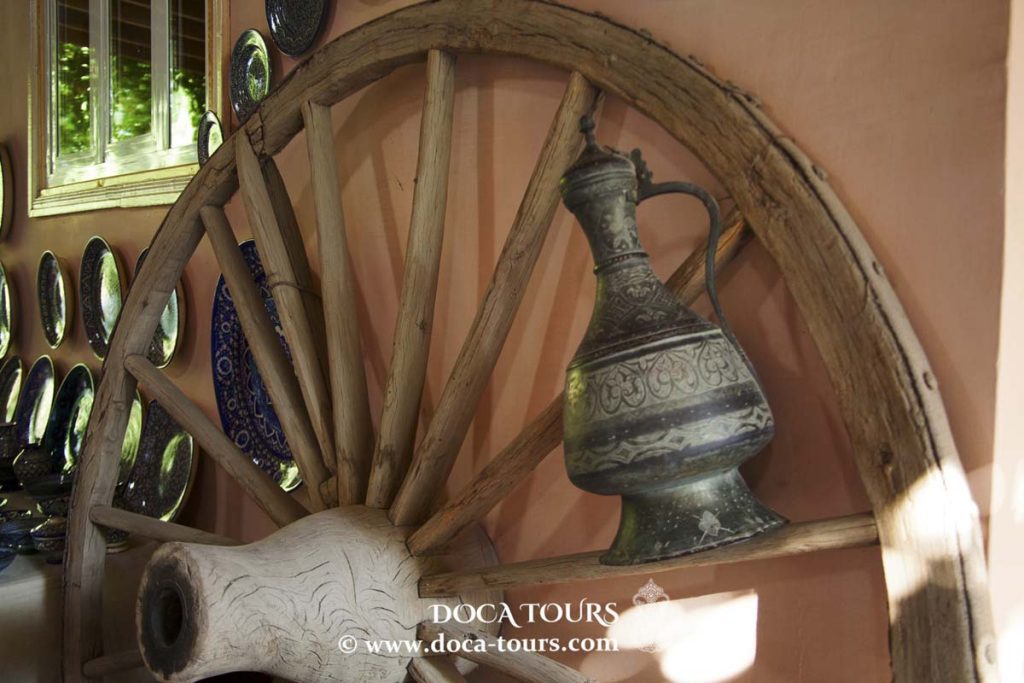
A hallmark of Rishtan ceramics is the exclusive hand-crafted blue glaze called ishkor, made from natural mineral pigments and ash tree plants. The pottery itself is created from red clay, sourced locally. Generations of artisans have passed down their masterful secrets, producing magnificent works such as large dishes (lagans), deep bowls (kosa), water jugs, and milk containers, all adorned with the unforgettable blue and ultramarine shades of ishkor. These creations have earned Rishtan and its artisans global acclaim, featuring in numerous international exhibitions and showcased in museums and private collections worldwide.
The founder of Rishtan’s glazed ceramics school was the legendary potter Hasan Kulol ar-Roshidoniy, who lived in the 9th century in the Kulolon neighborhood. Revered during his lifetime as Usto Piri (Master Elder), he led the guild of Rishtan potters. A mosque bearing his name, built over his grave, existed until the 19th century, serving as a testament to his legacy.
Scholars have documented Rishtan’s master potters from the mid-19th century to the present day. Today, over 1,000 potters work in Rishtan, with more than 100 recognized as master artisans (ustos), skilled in all aspects of the craft.
The descendants of Hasan Kulol ar-Roshidoniy—such as Usto Piri, Abdu Jalol (Usto Jalil), Abdu Jamil (Usto Kuri), Abdullo Kulol, and many others—have faithfully preserved the traditions, ornaments, and iconic designs of Rishtan ceramics. These masterpieces are not only a tribute to their forebears but also an enduring symbol of their heritage, passed down from generation to generation.
The core of Rishtan’s artistic community, dedicated to creating high-quality works, has come together under the Rishtan branch of the Hunarmand (Skilled Artisan) Association of Uzbekistan. This group includes over 130 members, 40 to 50 of whom are regular participants in exhibitions and fairs. Alisher Nazirov leads the association, with notable members such as Sharofiddin Yusupov, Rustam Usmanov, and others continuing to lead the craft today. Promising young artisans, like Firdavs Yusupov, Said Akhmedov, and the Mursakayev brothers, further enrich the tradition.
Rishtan’s ceramic masterpieces are part of prestigious collections worldwide, including the State Museum of Arts of Uzbekistan, the Academy of Arts of Uzbekistan, the Ferghana Regional Museum of Local Lore, the Museum of Oriental Art in Moscow, the Museum of Ethnography in Saint Petersburg, the Hermitage, and the Asakura Museum of Ceramics in Komatsu, Japan. These works exemplify the rich artistic heritage of Rishtan, celebrated globally.
Attractions
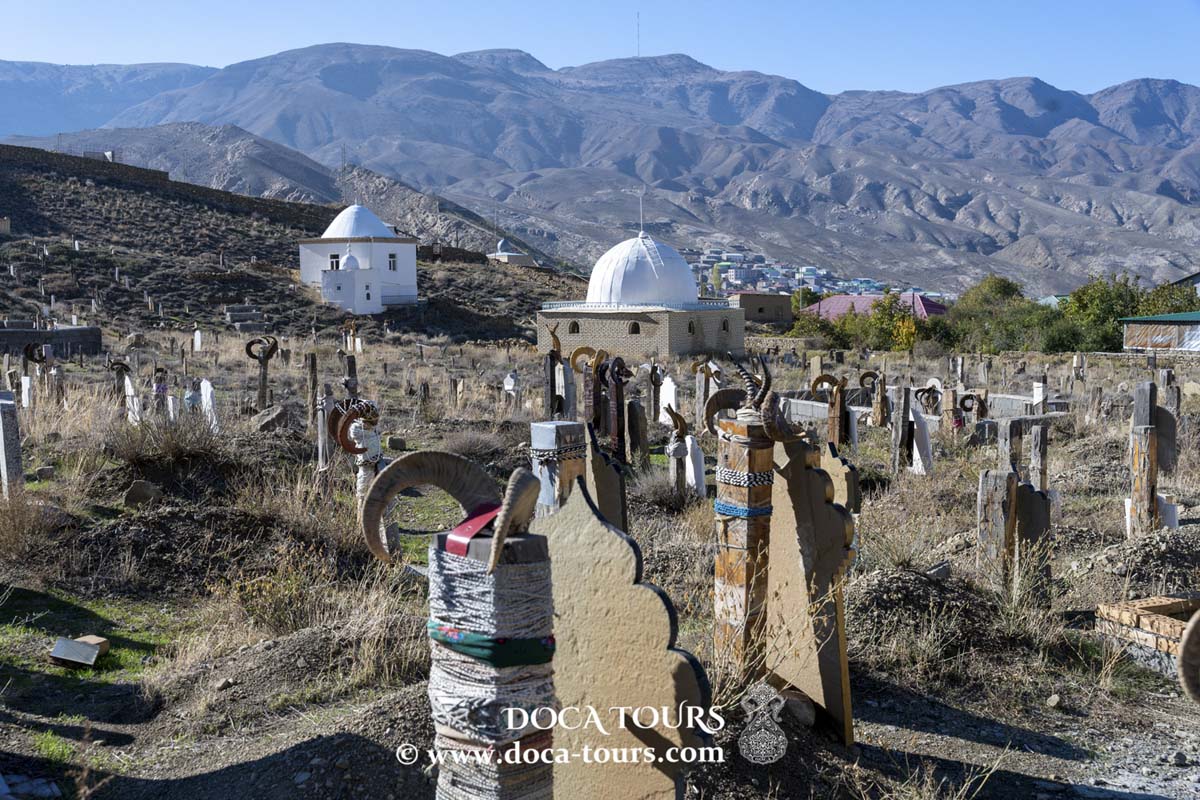
The Ancient Settlement of Rishtan: Located on the grounds of the active Sokhibi Hidaya cemetery, this site houses the symbolic tomb of Burhoniddin al-Margiloniy ar-Roshidoniy, constructed in the late 12th century.
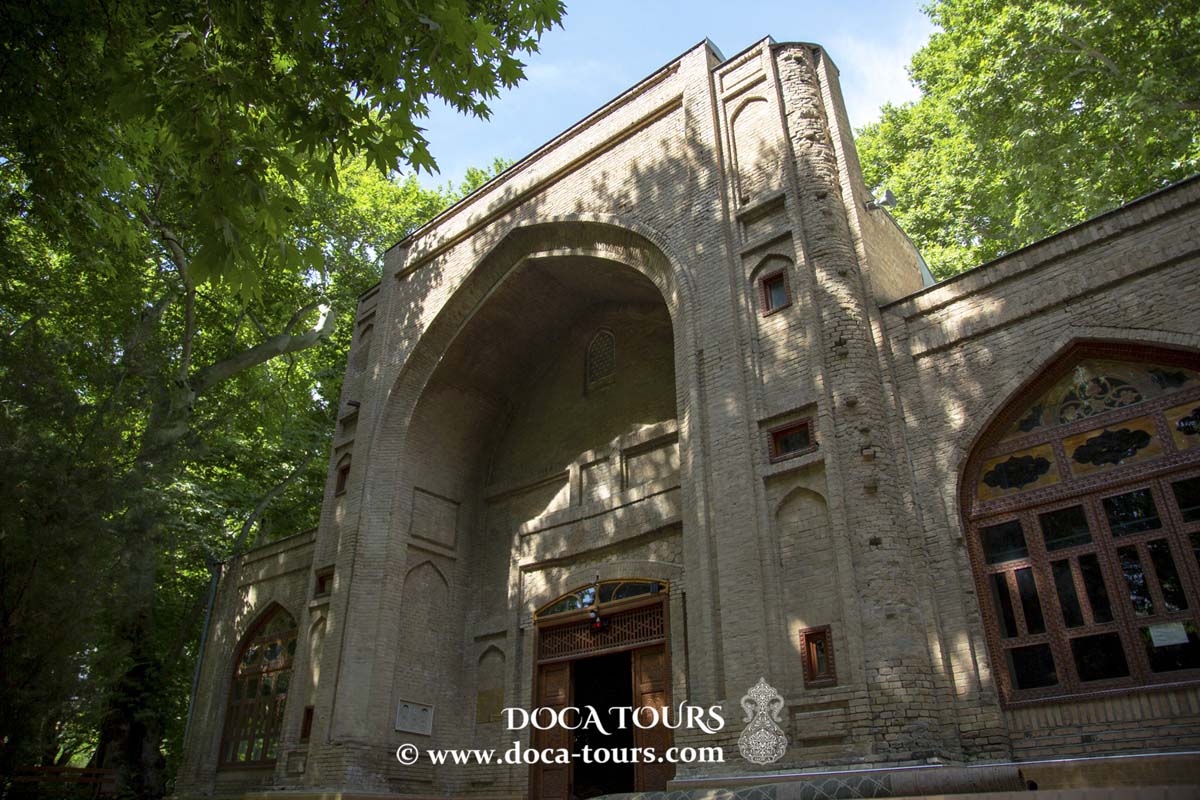
Khoja Ilgor Mosque: Built in the 19th century on the site of an ancient cemetery of the same name, this mosque is notable for preserving the only ancient cone-shaped korikhona in Central Asia, dating back to the late 8th century.
- Toshkelinchak: A significant historical landmark in the area.
- Hazrat Khizr: A site of religious and cultural importance.
- Khoja Rushnoyi: Another notable historical location.
Pottery Museum-Workshops: These include the workshops of renowned artisans such as Sh. Yusupov, R. Usmanov, A. Nazirov, S. Akhmedov, and Ravshan Tozhiddinov, offering insights into Rishtan's celebrated ceramic traditions.
Twin Cities
- Ismailli, Azerbaijan – Partnered in 2018.
- Maizuru, Japan – Partnered in 2019.
- Kruglyansky District, Belarus – Partnered in 2019.
- Deruta, Italy – Partnered in 2021.
- Iznik, Turkey – Partnered in 2022.
- Kutahya, Turkey – Partnered in 2023.

 During the Arab conquest of the 8th–10th centuries, the ancient Fergana language was replaced by the Persian-based Tajik language. In the 13th century, the Mongol invasion significantly altered the ethnic landscape. Mongol tribes such as the Jalair, Oirat, and Barlas settled in the region and were quickly Turkicized due to their close cultural and linguistic ties with Turkic groups.
By the late 13th century and into the 16th century, Turkic-Mongol tribes like the Manghit, Kungrat, Naiman, Durman, Kipchak, and others settled around Rishtan, shaping its ethnic makeup.
By 1909, Rishtan District had a population of 21,811, including 6,415 in the district center. The population comprised Uzbeks, Sarts, Tajiks, Kyrgyz, and a few Russian settlers. Tajiks primarily resided in administrative areas like Qalai Nau, while Uzbeks, Sarts, and Turkicized Mongol tribes populated the surrounding villages.
During the Arab conquest of the 8th–10th centuries, the ancient Fergana language was replaced by the Persian-based Tajik language. In the 13th century, the Mongol invasion significantly altered the ethnic landscape. Mongol tribes such as the Jalair, Oirat, and Barlas settled in the region and were quickly Turkicized due to their close cultural and linguistic ties with Turkic groups.
By the late 13th century and into the 16th century, Turkic-Mongol tribes like the Manghit, Kungrat, Naiman, Durman, Kipchak, and others settled around Rishtan, shaping its ethnic makeup.
By 1909, Rishtan District had a population of 21,811, including 6,415 in the district center. The population comprised Uzbeks, Sarts, Tajiks, Kyrgyz, and a few Russian settlers. Tajiks primarily resided in administrative areas like Qalai Nau, while Uzbeks, Sarts, and Turkicized Mongol tribes populated the surrounding villages.


 The descendants of Hasan Kulol ar-Roshidoniy—such as Usto Piri, Abdu Jalol (Usto Jalil), Abdu Jamil (Usto Kuri), Abdullo Kulol, and many others—have faithfully preserved the traditions, ornaments, and iconic designs of Rishtan ceramics. These masterpieces are not only a tribute to their forebears but also an enduring symbol of their heritage, passed down from generation to generation.
The core of Rishtan’s artistic community, dedicated to creating high-quality works, has come together under the Rishtan branch of the Hunarmand (Skilled Artisan) Association of Uzbekistan. This group includes over 130 members, 40 to 50 of whom are regular participants in exhibitions and fairs. Alisher Nazirov leads the association, with notable members such as Sharofiddin Yusupov, Rustam Usmanov, and others continuing to lead the craft today. Promising young artisans, like Firdavs Yusupov, Said Akhmedov, and the Mursakayev brothers, further enrich the tradition.
Rishtan’s ceramic masterpieces are part of prestigious collections worldwide, including the State Museum of Arts of Uzbekistan, the Academy of Arts of Uzbekistan, the Ferghana Regional Museum of Local Lore, the Museum of Oriental Art in Moscow, the Museum of Ethnography in Saint Petersburg, the Hermitage, and the Asakura Museum of Ceramics in Komatsu, Japan. These works exemplify the rich artistic heritage of Rishtan, celebrated globally.
The descendants of Hasan Kulol ar-Roshidoniy—such as Usto Piri, Abdu Jalol (Usto Jalil), Abdu Jamil (Usto Kuri), Abdullo Kulol, and many others—have faithfully preserved the traditions, ornaments, and iconic designs of Rishtan ceramics. These masterpieces are not only a tribute to their forebears but also an enduring symbol of their heritage, passed down from generation to generation.
The core of Rishtan’s artistic community, dedicated to creating high-quality works, has come together under the Rishtan branch of the Hunarmand (Skilled Artisan) Association of Uzbekistan. This group includes over 130 members, 40 to 50 of whom are regular participants in exhibitions and fairs. Alisher Nazirov leads the association, with notable members such as Sharofiddin Yusupov, Rustam Usmanov, and others continuing to lead the craft today. Promising young artisans, like Firdavs Yusupov, Said Akhmedov, and the Mursakayev brothers, further enrich the tradition.
Rishtan’s ceramic masterpieces are part of prestigious collections worldwide, including the State Museum of Arts of Uzbekistan, the Academy of Arts of Uzbekistan, the Ferghana Regional Museum of Local Lore, the Museum of Oriental Art in Moscow, the Museum of Ethnography in Saint Petersburg, the Hermitage, and the Asakura Museum of Ceramics in Komatsu, Japan. These works exemplify the rich artistic heritage of Rishtan, celebrated globally.