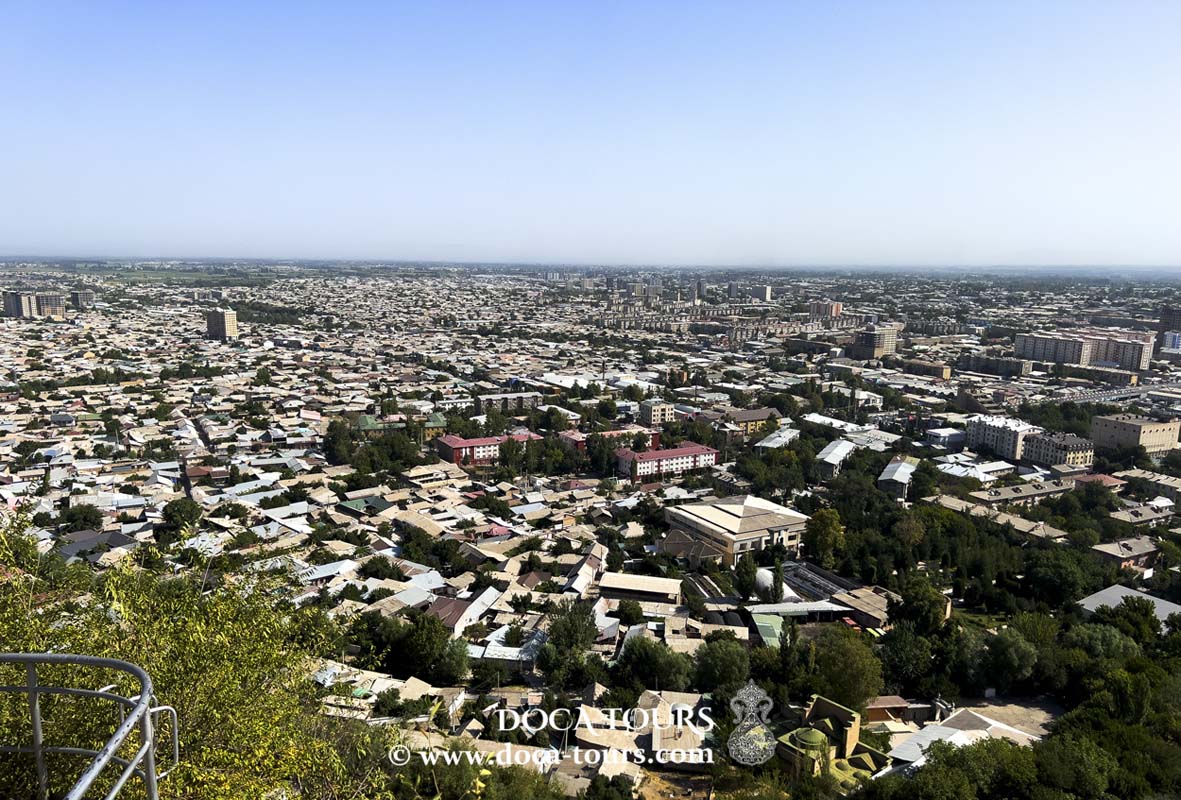
Nukus (Karakalpak: Nókis / Нөкис / نوكىس; Uzbek: Nukus / Нукус / نوکوس) is the sixth-largest city in Uzbekistan and serves as the capital of the autonomous Republic of Karakalpakstan. As of January 1, 2022, its population was 329,100. The city lies to the west of the Amu Darya River and, administratively, is classified as a district-level city, encompassing the urban settlement of Karatau.
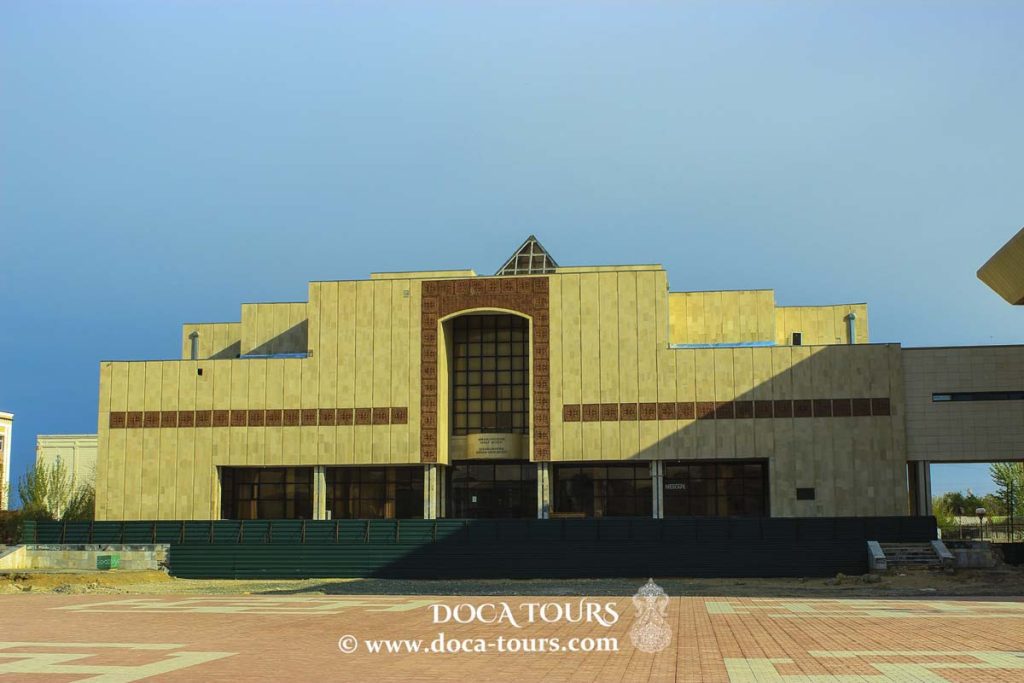
Nukus is internationally renowned for the Nukus Museum of Art, a treasure trove of cultural and historical significance.
The name "Nukus" originates from the Karakalpak tribal name Nukus and the Persian term "نوکاث" (Nūkās), meaning "New Kath." Nukus grew from a modest settlement in 1932 into a modern Soviet city by the 1950s, marked by wide streets and large public buildings.
Due to its remote location, Nukus was chosen as the site for the Red Army’s Chemical Research Institute, a key facility for chemical weapons research and testing. In 2002, under a $6 million Cooperative Threat Reduction program by the U.S. Department of Defense, the institute—most notably involved in Novichok agent research—was dismantled.
Initially, Turtkul served as the administrative center of Karakalpakstan under Soviet rule. However, as the Amu Darya River threatened to flood Turtkul during the 1920s, the administrative hub was relocated to Nukus. By 1932, Nukus was officially established as a city, becoming the cultural, political, and economic heart of Karakalpakstan.
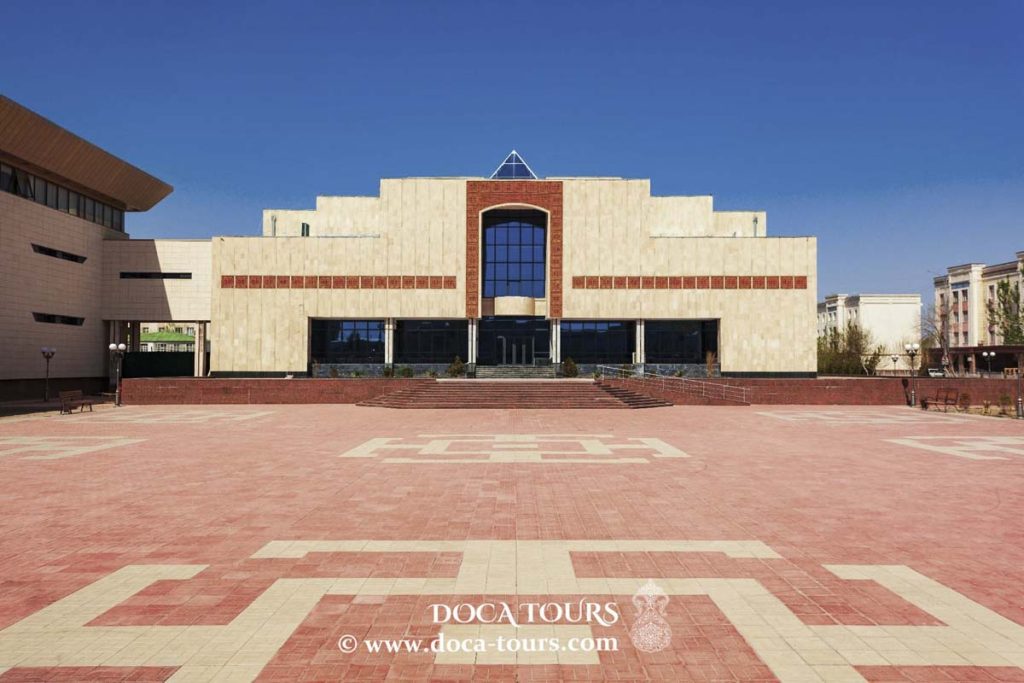
The Nukus Museum of Art, also known as the State Art Museum of the Republic of Karakalpakstan (named after Igor Savitsky), is one of the city’s most celebrated attractions. This museum is famous for housing the world’s second-largest collection of Russian avant-garde art, as well as Uzbek modernist art from 1918 to 1935. During Stalin's regime, efforts were made to eliminate non-Soviet art, with many artists sent to labor camps. However, thanks to Nukus's geographic isolation, Savitsky managed to preserve these masterpieces.
The museum also features archaeological artifacts, traditional jewelry, costumes, and musical instruments, along with exhibits highlighting the environmental and cultural impact of the Aral Sea disaster. The story of the museum and its remarkable collection is documented in The Desert of Forbidden Art.
This museum serves as a center for Karakalpak music and oral traditions. It preserves personal belongings of the Shamuratovs, including stage costumes, photographs, manuscripts, and letters, offering insights into the region’s rich cultural heritage.
Nukus experiences a cold desert climate (Köppen BWk, Trewartha BWho), characterized by long, dry, and intensely hot summers, coupled with short but cold and snowy winters. The drying of the Aral Sea and reduced flow of the Amu Darya have worsened the climate since the 1960s, making it even hotter and drier. Additionally, health problems related to salt and chemical particles in the air have become increasingly common.
The I.V. Savitsky State Museum of Art is recognized as one of Asia's most exceptional art collections. It houses works from the 3rd century BCE to contemporary times, including ancient Khorezm artifacts, Karakalpak folk art, and masterpieces by early 20th-century Uzbek artists. The museum showcases a unique blend of regional and multinational art history, offering a window into Karakalpakstan’s cultural and artistic evolution.
Praised by The Guardian as “one of the most beautiful museums in the world,” the museum provides a compelling narrative of Russian and Uzbek art history and offers unparalleled insights into the artistic movements of the 1920s and 1930s.
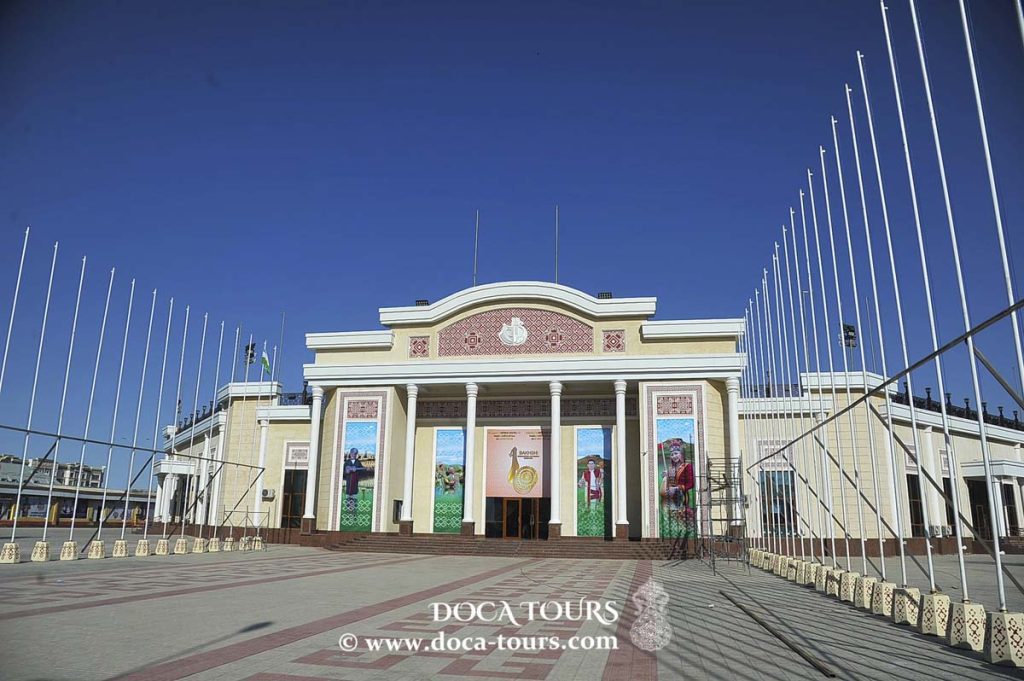
Nukus is connected to the broader region through Nukus International Airport, providing convenient access for visitors exploring the city and surrounding areas.
Located in Nukus, the Museum of Local Lore of Karakalpakstan is among the oldest museums in Central Asia, boasting a history of nearly 80 years. Its exhibitions are both fascinating and unique, offering visitors a rich insight into the region’s past and culture.
The museum’s collection consists of over 56,000 artifacts, including rare and invaluable exhibits, such as a taxidermy display of the now-extinct Turanian tiger. Its collection is continuously expanding through archaeological discoveries and collaborations with various universities and academic institutions.
The museum is divided into 21 themed halls that focus on different aspects, including nature, archaeology, ethnography, and the modern history of the region. The nature halls, popular among children, showcase the diverse flora and fauna of Karakalpakstan. The archaeology section features models of ancient settlements and artifacts unearthed during excavations. The ethnography hall highlights local craftsmanship, displaying embroidered textiles, woven carpets, jewelry, and musical instruments. A standout exhibit is a traditional Karakalpak yurt, offering a glimpse into the historical lifestyle of the region’s inhabitants.
In 1997, to commemorate the 170th anniversary of Berdakh, a celebrated Karakalpak poet and thinker, plans were initiated to establish a museum in his honor. Completed in 1998, the museum is situated next to Karakalpak State University.
The building spans 1,260 square meters and is an architectural marvel, featuring a three-story design with one central dome and six smaller ones. It was designed by Orynbai Toreniyazov, a prominent architect and winner of the Berdakh State Prize.
The museum serves as a repository of the cultural and historical legacy of the Karakalpak people. Berdakh’s work, particularly his poem Shezhire (Genealogy), chronicles the lineage of not just the Karakalpaks but also other Turkic peoples. The poem lists nearly 300 historical figures who played pivotal roles in shaping the region's history. His writings also celebrate national heroes such as Amangeldi and Ernazar Biy, whose stories continue to resonate in the collective memory of the Karakalpak people.
Berdakh was not only a poet but also a talented bakhshi (a traditional musician and storyteller). His fame extended beyond the Karakalpaks to neighboring regions, including the Uzbeks of Khorezm and the Turkmens.
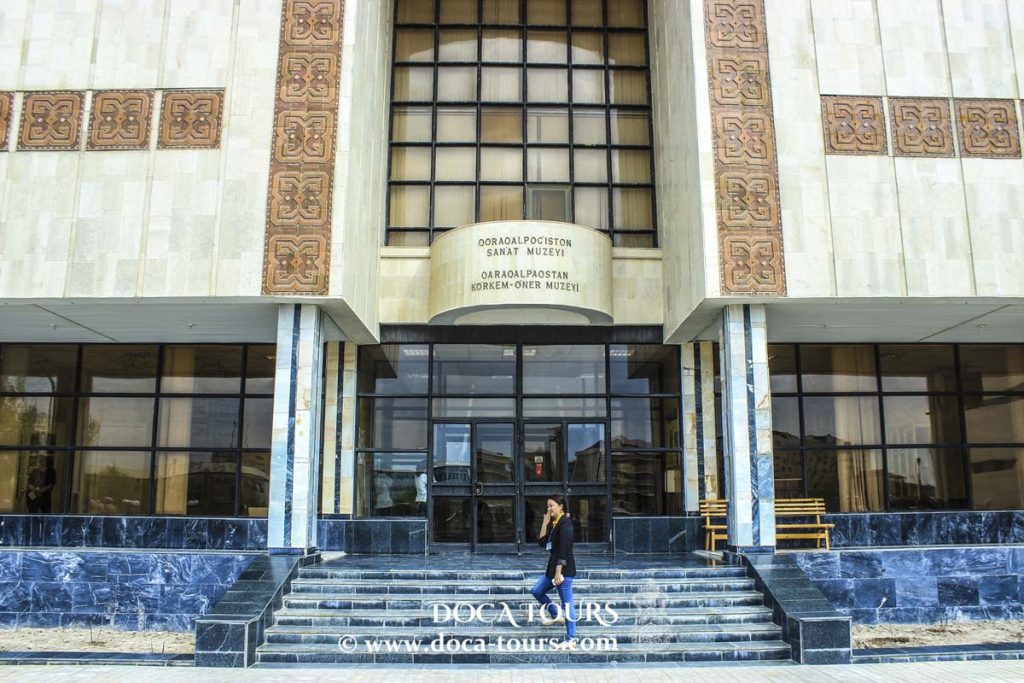
The museum’s exhibitions cover a wide range of topics, including the history, ethnography, and culture of the Karakalpak people. A highlight is the hall of ancient manuscripts, which preserves texts written in Arabic, Persian, and Turkic. Future plans for the museum include the development of themed halls dedicated to archaeology, art, and history, as well as a center for the conservation, restoration, and study of written monuments in Karakalpakstan.
The museum also explores the evolution of education in the region, from traditional institutions such as madrassas and mektebahs to Soviet-era and modern educational systems.
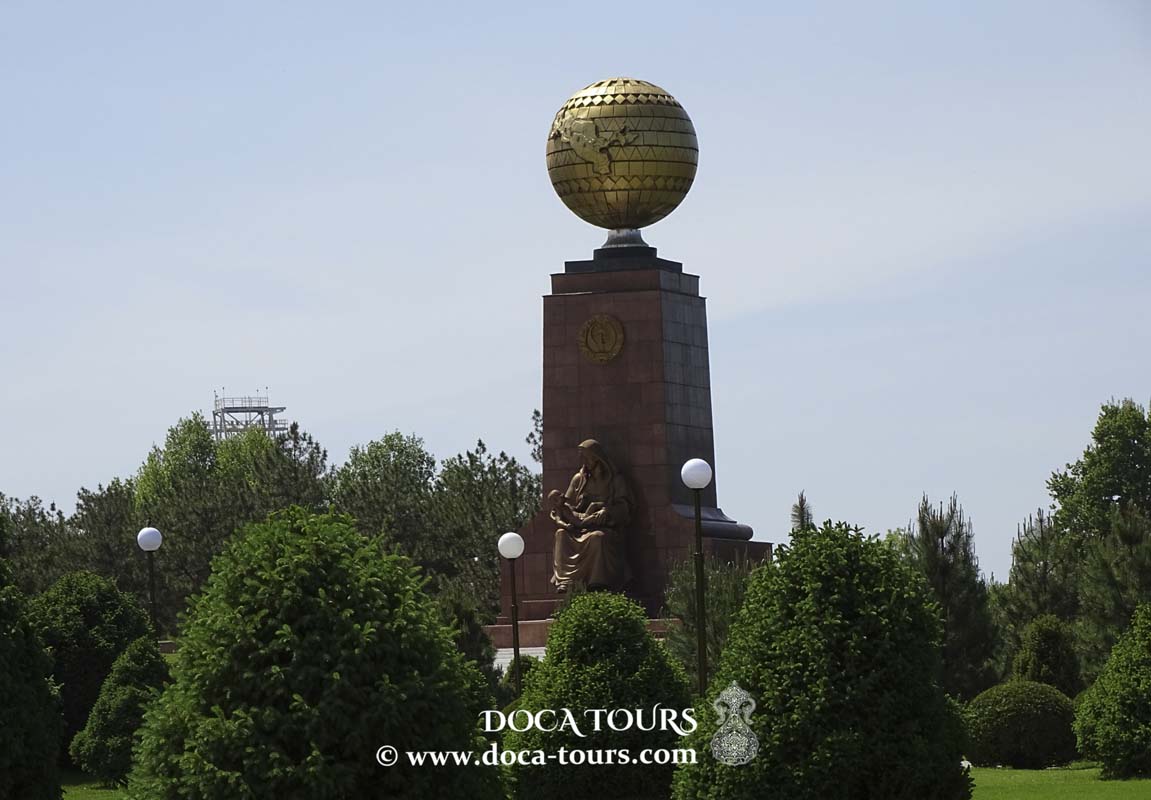
Nukus is also home to the Karakalpak State Musical Theatre named after Berdakh, formerly named after Stanislavsky. The city features several monuments dedicated to prominent figures, including Berdakh, Ulugbek, and Azhiniyaz.
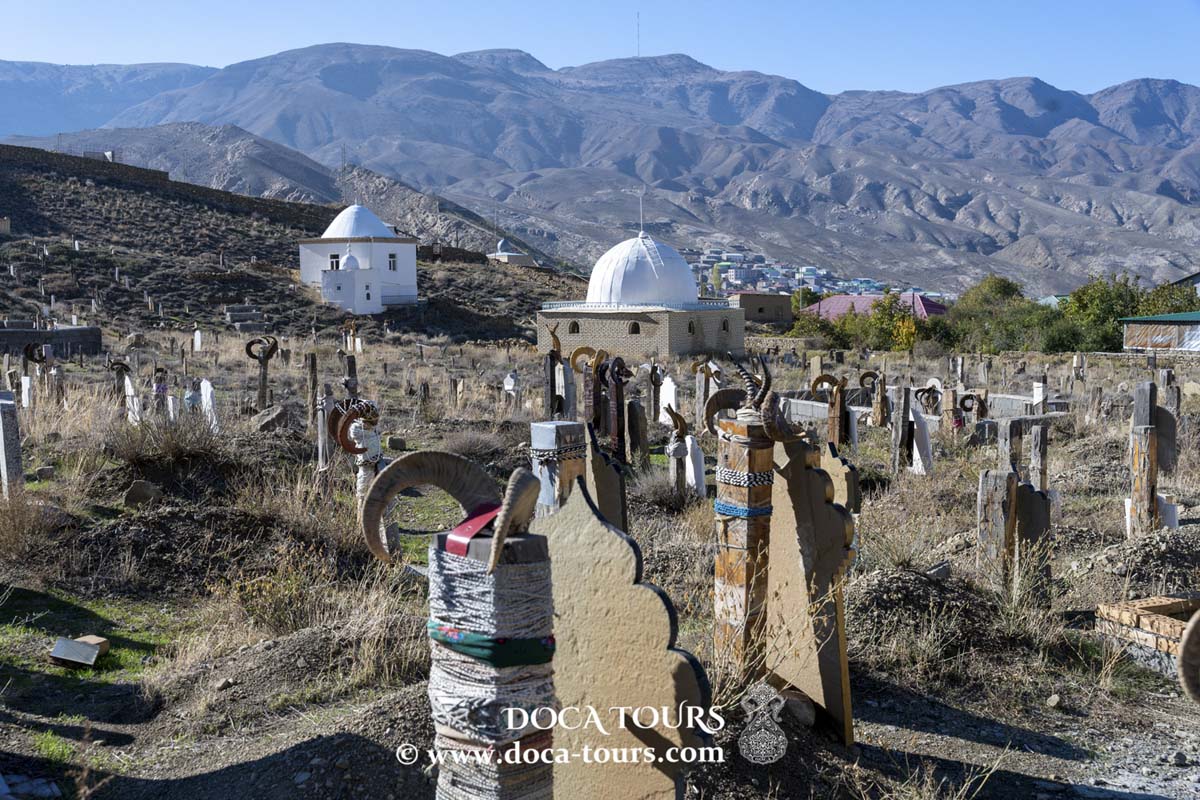
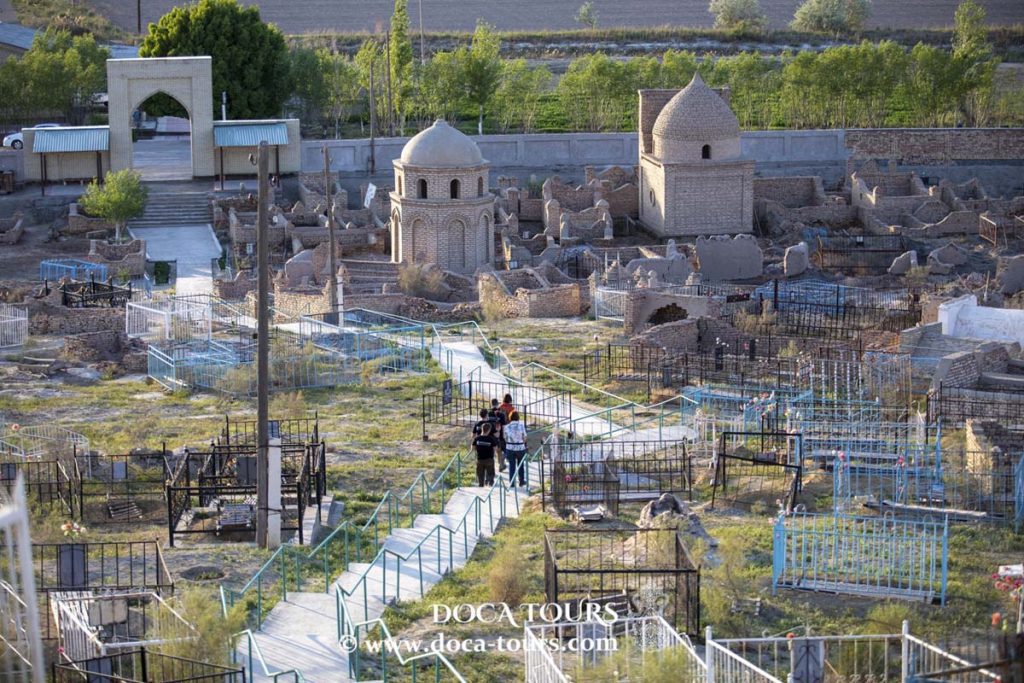
In the vicinity of Nukus, visitors can explore important archaeological sites such as Shylpyk, a Zoroastrian dakhma (tower of silence), and the ancient necropolis of Mizdakhkan, which holds significant historical and cultural value.
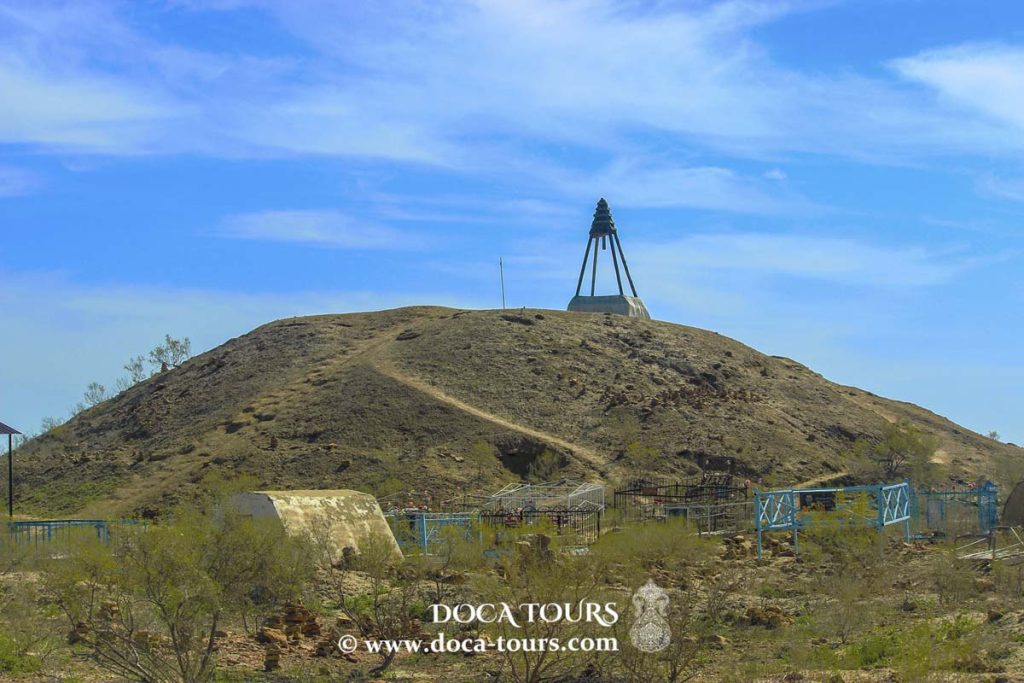
Shylpyk is a striking ring-shaped structure located 43 kilometers south of Nukus along the highway leading to Khiva, Samarkand, and Tashkent. Perched atop a 35-40 meter conical hill, it stands as a prominent historical landmark.
The structure takes the form of an open, slightly flattened circular plan, with a diameter ranging from 65 to 79 meters. Its walls, which remain remarkably intact, rise up to 15 meters in height.
Constructed during the 2nd to 4th centuries CE, Shylpyk originally served as a Zoroastrian dakhma, or tower of silence. By the 9th to 11th centuries, the site was repurposed by locals as a signal tower, adding another layer to its historical significance.
The ancient settlement of Tok-kala, also known as Darsan, is located 14 kilometers west of Nukus on the Toktau hill, a small natural elevation. Spanning an area of 8 hectares, the site comprises three distinct parts: an ancient settlement, an early medieval section, and a burial ground.
One of the most detailed studies of Tok-kala occurred in 1998 as part of an archaeological field school conducted by the Department of History at the Nukus State Pedagogical Institute. During this excavation, researchers uncovered a human burial in a small ceramic vessel of the humcha type, covered by a brick possibly taken from the ancient walls of the settlement. This discovery sheds light on the burial customs and settlement practices of the early medieval inhabitants.

Nukus is a regional hub for education, research, and culture. It is home to the Karakalpak branch of the Academy of Sciences of Uzbekistan and numerous research institutions, including:
Branches of the Tashkent Institutes of Pediatrics, Agrarian Sciences, Sports and Culture, Information Technologies, and Dentistry.
In addition, the city features 51 secondary schools, colleges, academic lyceums, 5 boarding schools, 52 preschool facilities, 2 libraries, and 9 family clinics, providing essential services and education to the community.
Cultural landmarks in Nukus include the Berdakh Karakalpak State Museum, the Berdakh Drama Theater, the Karakalpak State Puppet Theater, and the State Theater for Young Spectators.
Sports are also well-represented, with over 200 sports halls and facilities, including the Turan Stadium, a racetrack, a swimming pool, and a rowing school.
The local football team, Aral, represents the city, playing its home matches at the Turan Stadium.
In 2019, the Nukus Free Economic Zone (FEZ) was established to stimulate economic growth by attracting foreign and domestic investments. The zone focuses on producing import-substituting goods and products for export markets. The FEZ is set to operate for 30 years, offering a long-term framework for economic development in the region.
As the capital of the sovereign Republic of Karakalpakstan within Uzbekistan, Nukus plays a central role in regional politics. However, the city has been the site of political tension in recent years.
In July 2022, thousands of protesters gathered in Nukus to oppose a proposed constitutional amendment that sought to strip Karakalpakstan of its autonomous status. The unrest led to clashes with security forces, resulting in 19 deaths. Concerns have also been raised regarding due process and the fairness of legal proceedings in the city.