NOKHUR
- Geographical coordinates: 38°28′52″N 57°2′.5″E
- Elevation: 1000 m
- Region: Ahal
- Official language: Turkmen
- Population: 9 000 (2022)
- Nationals: Turkmen, Russian, Armenian, Azeri etc.
- Time Zone: UTC+5
- Telephone Code: +993 131
- Postal Codes: 745000
- Vehicle Registration Code: AN

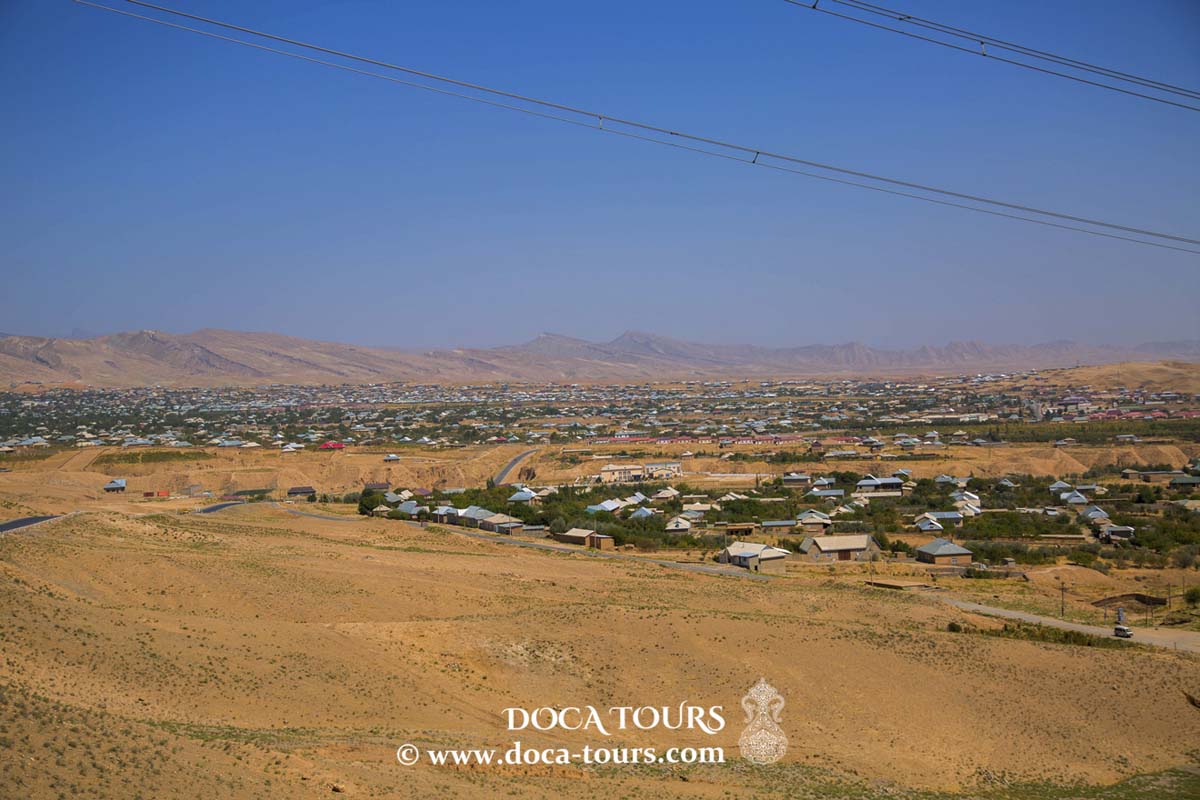
Nohur (romanized Russian Cyrillic: Nokhur) is a village and administrative center of Nohur geňeşligi in Baherden District, Ahal Province, Turkmenistan. This region is notable for its sacred sites tied to Persian mythology, particularly the legend of the Peri. Among these landmarks, the Gyz-Bibi cave stands out as a major point of cultural and historical interest.
Etymology
The origin of the village’s name has been a subject of debate. As stated by the Government of Turkmenistan, some residents believe the name traces back to Noah, as many locations in the area bear Biblical names. Others attribute the origin to the Peri, with “no” and “hur” interpreted as “nine peri” in Persian. The Turkmen scholar Soltanşa Atanyýazow, in his dictionary of Turkmen place names, proposed that Nohur is an ethnic name and suggested two interpretations: “the place of the nine beauties” (based on the Persian words no, meaning "nine," and huri, meaning "beautiful girl") or “the place of Noah’s son Nohur.” Interestingly, in Persian, nohur is also the plural form of the word nahr, meaning "throats."
Another theory posits that the name originates from Persian words translating to “ten donkeys,” referring to the purported arrival of the village’s early settlers on donkeys.
Administration
The Nohur area is divided into Upper Nohur and Lower Nohur. Upper Nohur comprises the villages of Garawul and Kone-Gummez and is administratively part of the Ýeňiş Farmers’ Association. In total, the cultivated area spans approximately 15,500 hectares. Lower Nohur includes the Old Nohur village, serving as a focal point for the local community.
People
Nohurli, the tribe inhabiting this area, maintain a unique lifestyle relatively untouched by Soviet modernization. Isolated from mainland Turkmenistan, their customs and traditions have endured over time. According to local lore, the Nohurli trace their ancestry to soldiers in Alexander the Great’s army, and a rock in the village is said to bear the hoofprint of Alexander’s horse.
Language
The Turkmen dialect spoken in the village is known as Nohur, reflecting the distinct cultural identity of the community.
Tourism
Nohur has become a sought-after destination for nature lovers and adventure enthusiasts. Trekkers are drawn to its breathtaking landscapes and historical sites. The Chandybil Tourist Center, located between Lower Nohur and Garawul, serves as a base for exploring the region.
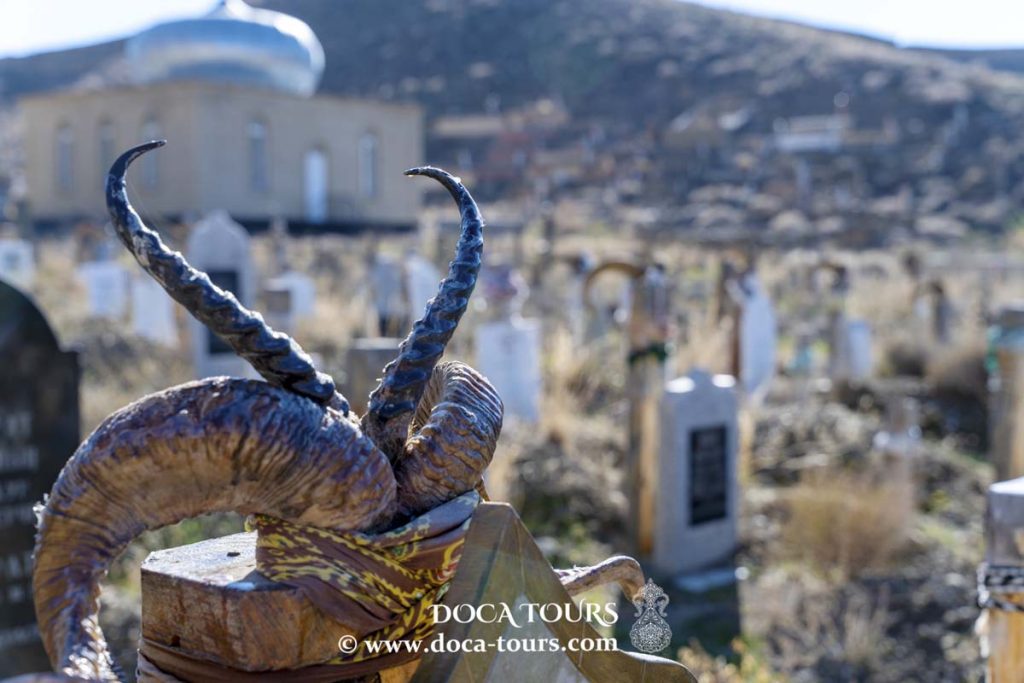
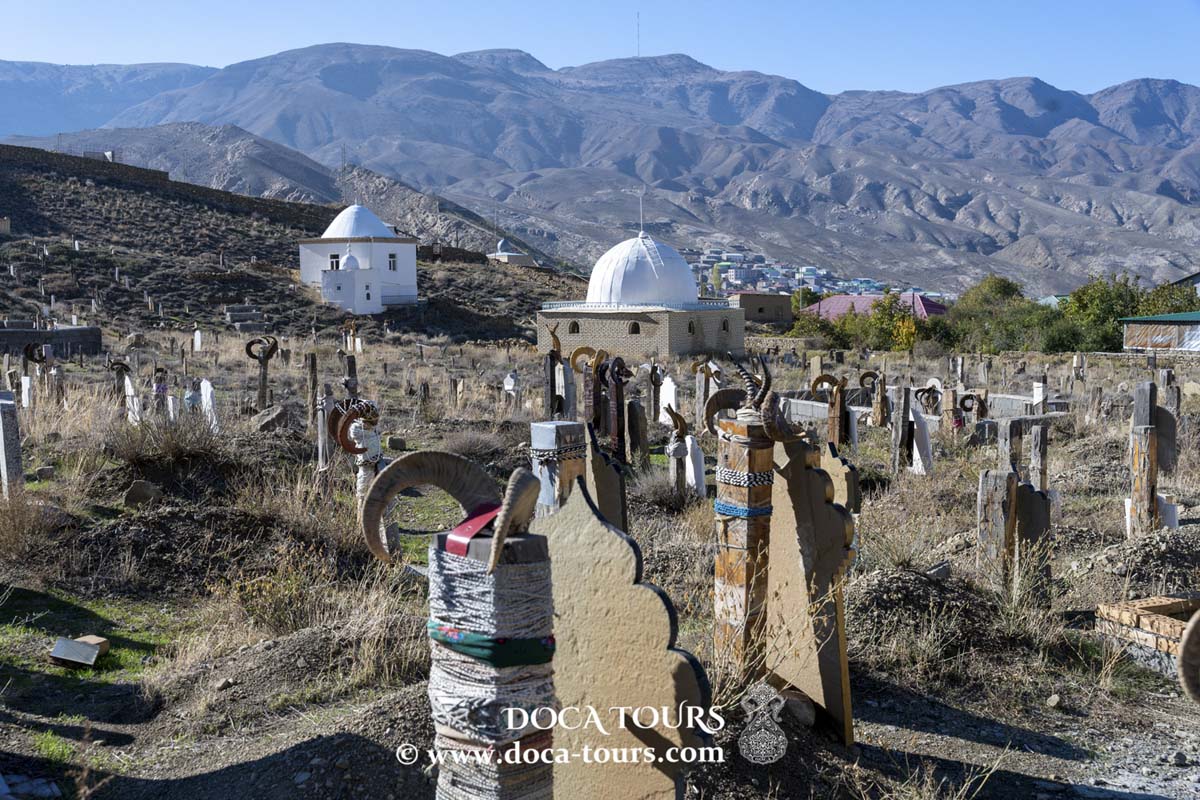
One notable feature of the area is the village graveyard, where headstones are adorned with ram’s horns, symbolizing local traditions. Nearby, visitors can find the revered Kyz-Bibi cave-shrine, which adds a spiritual dimension to the area. A short distance from the village lies the Khur-Khuri Waterfall, cascading 53 meters into a lush, tree-lined gorge. Additionally, the Ai Dere Canyon, about 7 kilometers from the Chandybil Tourist Center, boasts a series of waterfalls and natural plunge pools fed by a tributary of the Sumbar River.
Attractions
Khur-Khuri Waterfall: A stunning 53-meter waterfall that flows into a gorge surrounded by greenery.
Dev’s House Cave: A deep crevice descending into the mountain, adding a sense of mystery to the natural landscape.

 Nohur (romanized Russian Cyrillic: Nokhur) is a village and administrative center of Nohur geňeşligi in Baherden District, Ahal Province, Turkmenistan. This region is notable for its sacred sites tied to Persian mythology, particularly the legend of the Peri. Among these landmarks, the Gyz-Bibi cave stands out as a major point of cultural and historical interest.

 Another theory posits that the name originates from Persian words translating to “ten donkeys,” referring to the purported arrival of the village’s early settlers on donkeys.