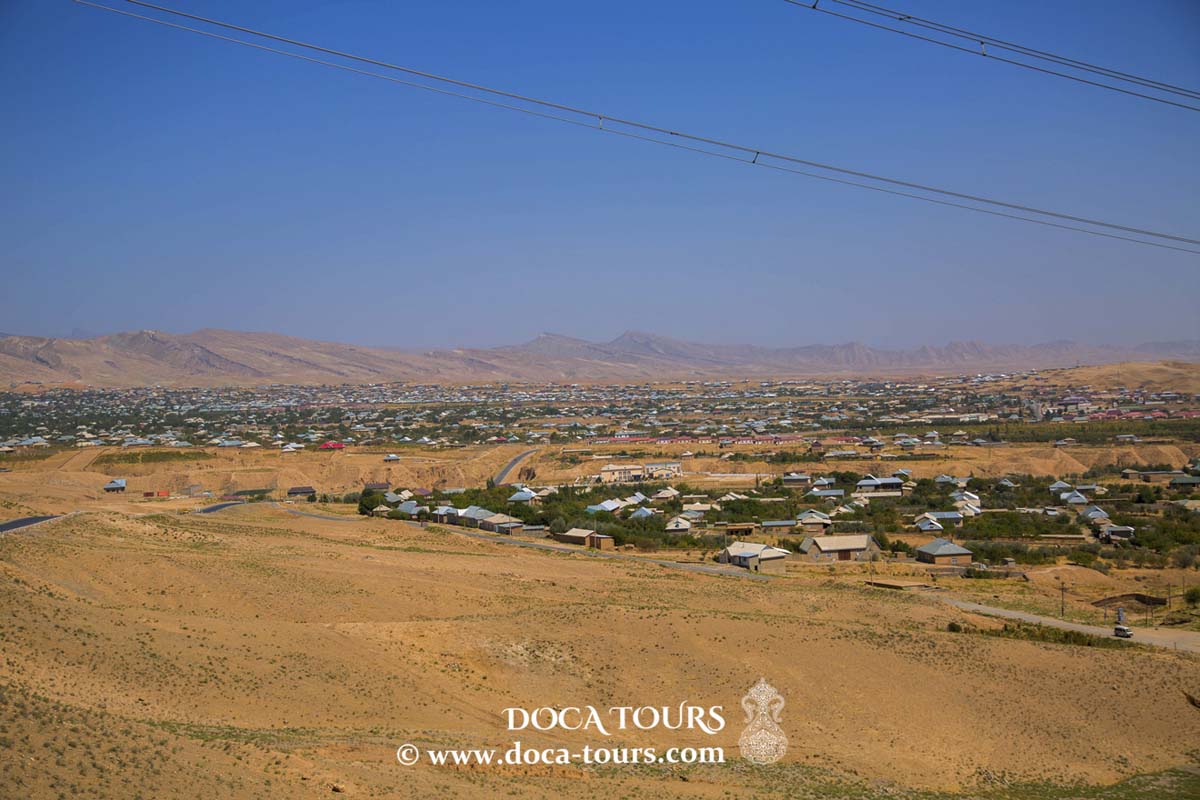
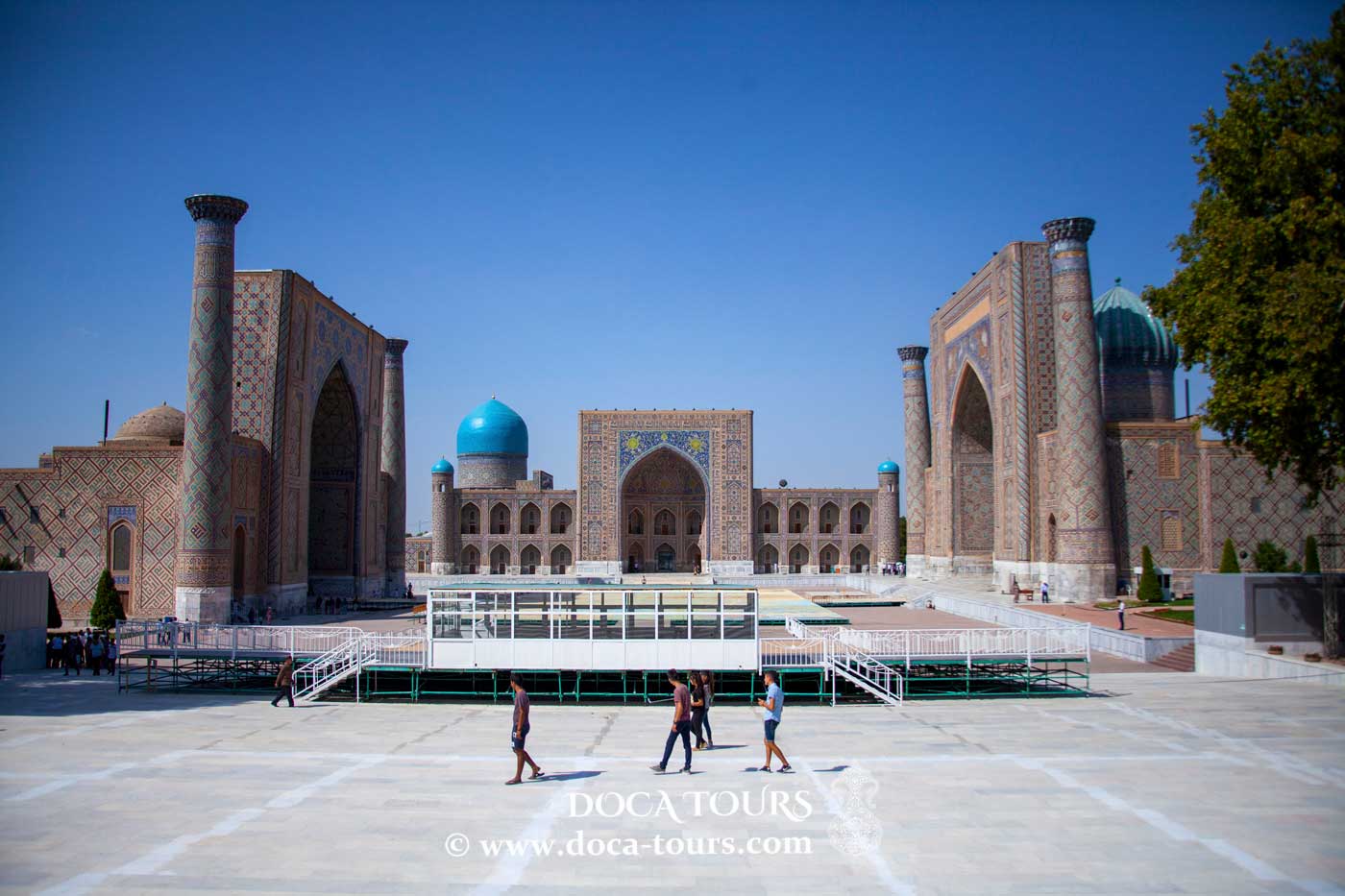
Namangan, pronounced /ˌnæməŋˈɡæn/, is a district-level city in eastern Uzbekistan and serves as the administrative, economic, and cultural hub of the Namangan Region. Situated on the northern edge of the Fergana Valley, the city lies less than 30 km from the Kyrgyzstan border and is serviced by Namangan Airport.
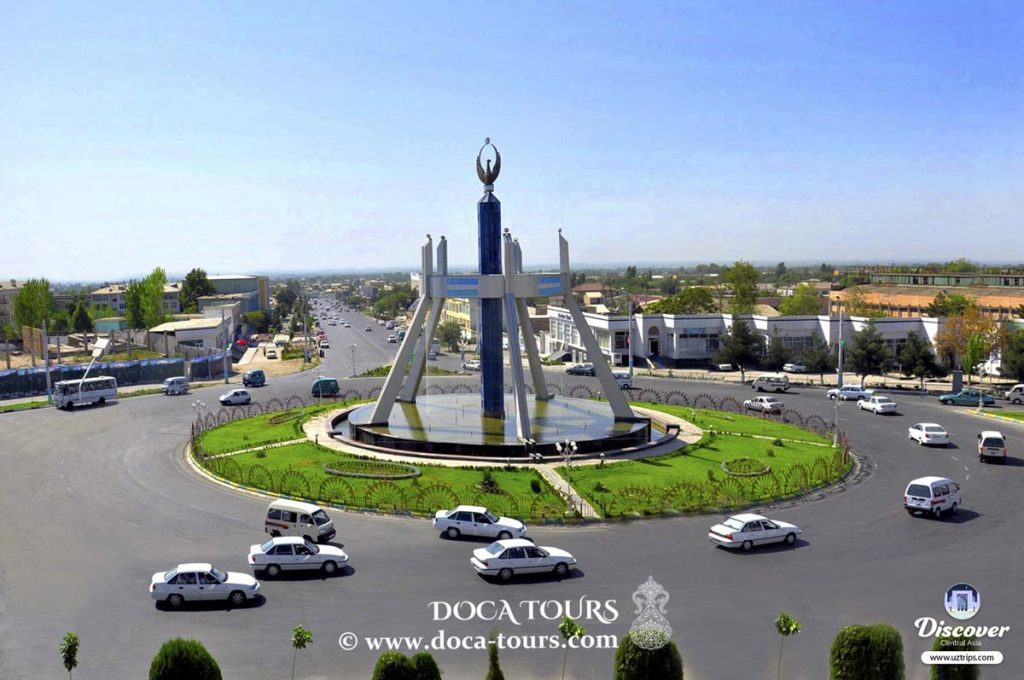
Having been a significant center for trade and craftsmanship in the Fergana Valley since the 17th century, Namangan saw substantial industrial growth during the Soviet era, particularly during World War II, when its industrial output increased fivefold compared to the 1920s. Today, it remains a hub for light industry, with a focus on food production. The city had a registered population of 668,600 in 2022, with Uzbeks making up the majority.
The city's name derives from the Persian words "namak kan," meaning "salt mine," a reference to its early salt mining activities. Namangan was first mentioned in Babur's Baburnama and appears in legal documents dating back to 1643. The city was established as a settlement by salt miners in the northern Fergana Valley and grew significantly in the 17th century when residents of the earthquake-stricken city of Aksikent migrated there. By the mid-18th century, Namangan had become the administrative center of the province (viloyat).
Originally populated by Sogdian people, Namangan later became a Persian-speaking city, with its dialect evolving into the Tajik language. Over time, waves of Turkic-speaking migrants brought about a gradual Turkification. Although the city had a Tajik majority until the mid-19th century, Uzbek has since become the dominant language, though a significant Tajik-speaking minority remains.
Namangan was part of the Karakhanid Uyghur Empire and later integrated into the Khanate of Kokand in the 18th century. Following the Russian conquest, the city played a role in the resistance against the Russian Empire. General M.D. Skobelev captured Namangan in 1875 after heavy resistance from local rebels. By 1876, it was incorporated into the Russian Empire and became the administrative center of Namangan District within Fergana Oblast.

The incorporation into the Russian Empire spurred rapid industrial growth. By 1892, Namangan hosted 28 enterprises employing 704 workers, with cotton processing emerging as a key industry. Cotton ginning plants dominated production, accounting for over 80% of industrial output. The rising demand for cotton led to significant increases in cultivation, with 22,600 tons harvested in 1892.
Despite suffering a devastating earthquake in 1926 that caused widespread destruction and fatalities, Namangan continued its development, becoming a center for industrial and cultural activities.

Since Uzbekistan's independence in 1991, Namangan has been at the forefront of Islamic revivalism. The city has seen the establishment of numerous mosques and schools, with funding from various Middle Eastern organizations. This religious resurgence has included the influence of Wahhabi groups, some of which have ties to extremist factions. Figures like Juma Namangani, a jihadist linked to the Taliban and Al Qaeda, have contributed to the city's complex reputation.
Culturally, some women in Namangan have adopted conservative Islamic attire, transitioning from traditional colorful scarves to white veils or black paranjas. This shift reflects broader political and social opposition to Uzbekistan's secular government.
Namangan remains a vital center of activity in the Fergana Valley. Its deep historical roots, cultural diversity, and industrial legacy make it a fascinating city with a blend of tradition and modernity. While it faces challenges, its historical significance and regional importance endure.

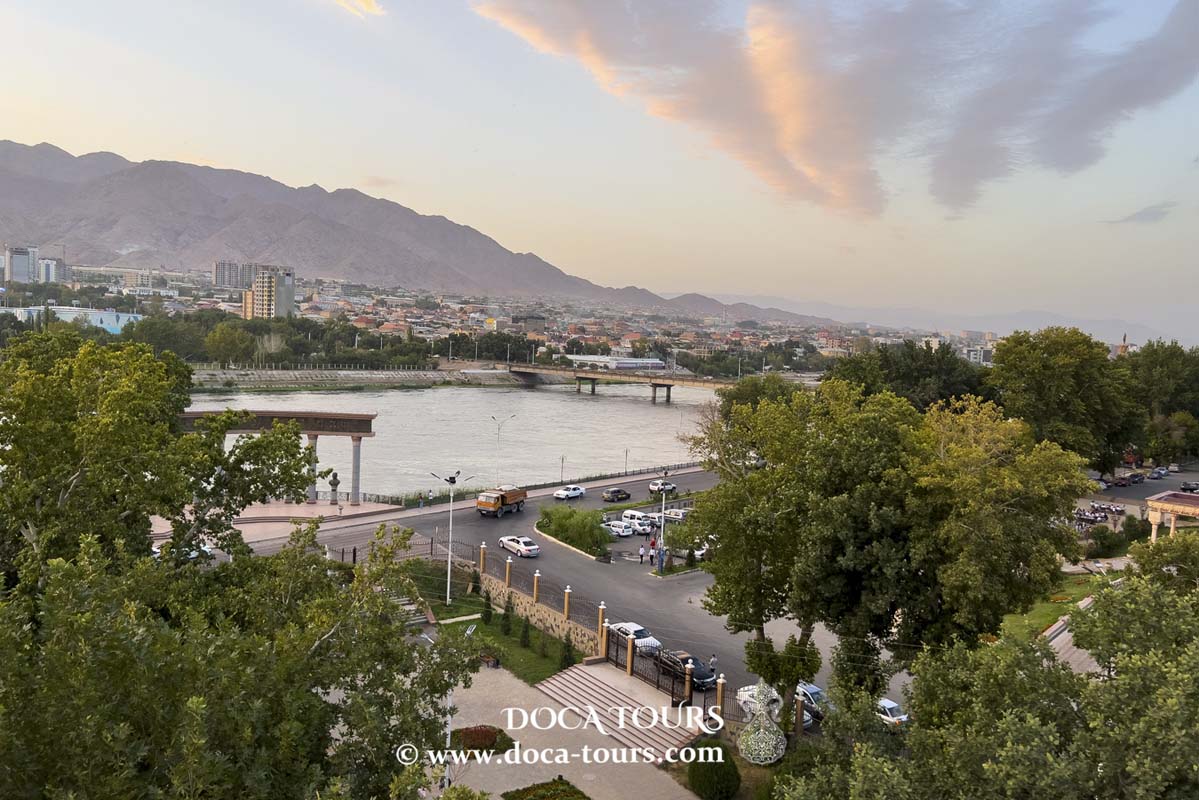
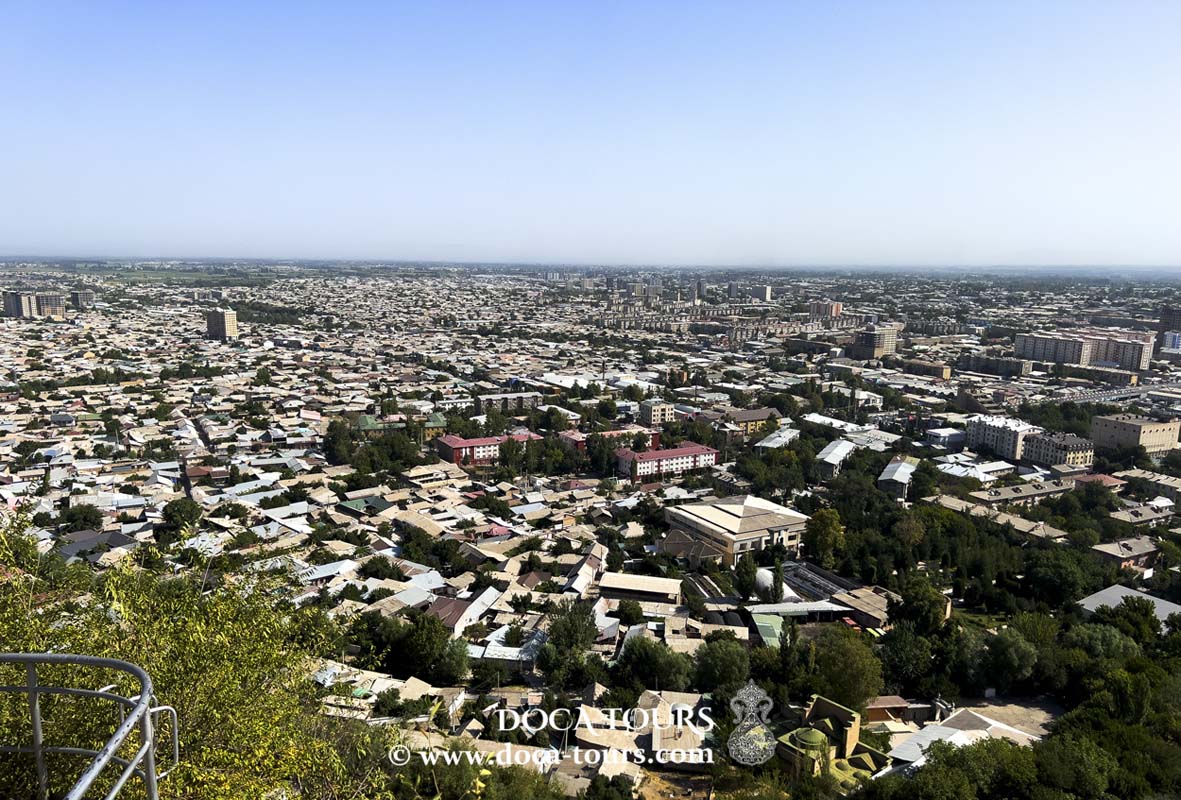
Namangan sits at an elevation of 450 meters (1,480 feet) above sea level. The city is situated near the confluence of the Qoradaryo and Naryn Rivers, which merge just outside its southern border to form the Syr Darya. Covering an area of 145 square kilometers (56 square miles), Namangan is strategically located: 290 kilometers (180 miles) east of Tashkent, 68.5 kilometers (42.6 miles) west of Andijan, and 40.4 kilometers (25.1 miles) east of Chust.
Namangan experiences a cold semi-arid climate (Köppen classification: BSk), characterized by chilly winters and hot summers. In July, the average temperature reaches 26.3°C (79.3°F), while in January, it drops to an average of −2.3°C (27.9°F).
Located in the heart of Namangan, Babur Park was originally the private garden of the city’s Russian governor in the late 19th century. Today, it is a public park named after Emperor Babur, who hailed from the Fergana Valley. The park is famed for its ancient chinor trees, which provide a serene atmosphere.
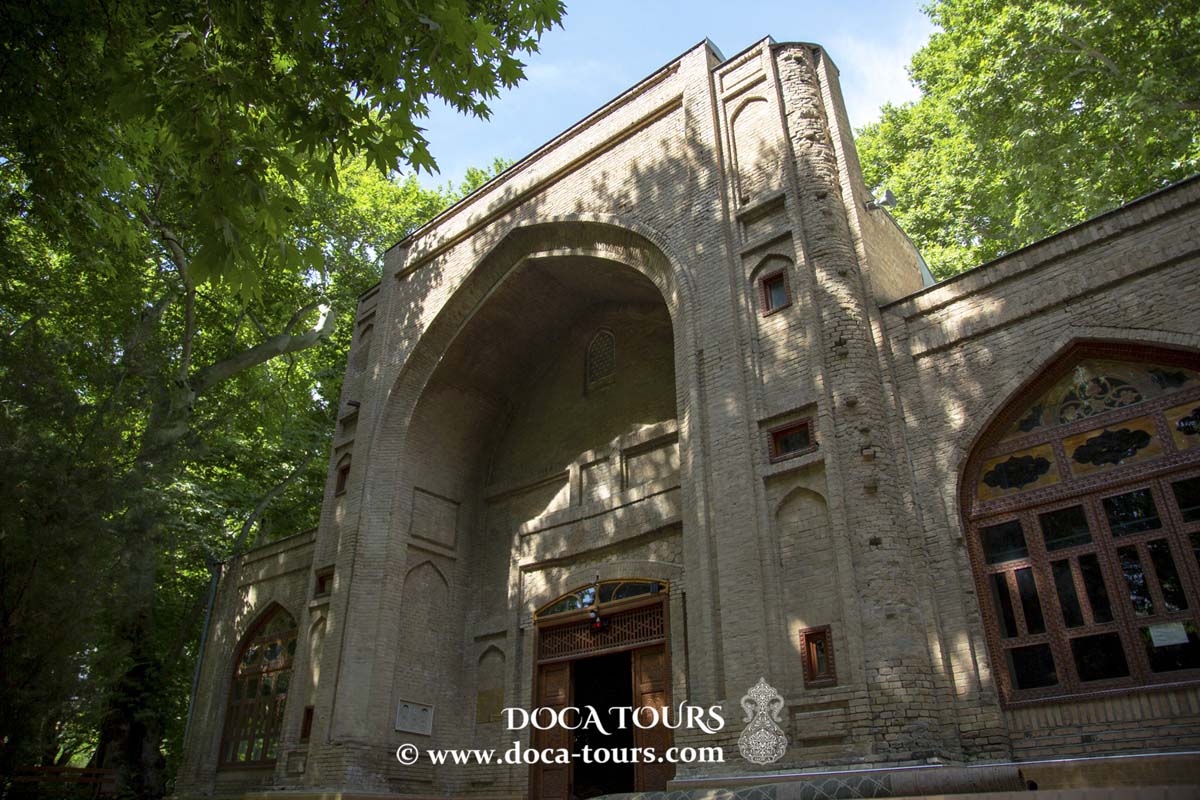
Constructed in 1910, the Mullah Kyrgyz Madrasa was designed by local architect Usto Kyrgyz and funded by a wealthy cotton trader. It served as a literary museum during the Soviet era but was later restored by the community after Uzbekistan's independence. This historical monument boasts intricately restored minarets, portals, and stunning mosaic tiles in shades of white, blue, yellow, and green. Inside, 35 rooms surround a central courtyard, once accommodating up to 150 students.
Dating back to the 1720s, these landmarks were crafted by local architect Usto Muhammad Ibrahim. Both structures have undergone recent renovations. The open-sided, portal-domed mosque features intricate terracotta tilework—a technique that dates back to the 12th century but had vanished from the region until recently. Both sites remain active places of worship, though only men are permitted inside.

Built in 1915, this mosque is located about 1 kilometer east of Namangan’s bustling bazaar. Its exterior is adorned with Arabic calligraphy etched into the brickwork, alongside star-shaped carvings. The domes feature striking blue mosaic patterns. Once associated with the Wahhabi sect in the 1990s and funded by Saudi Arabia, the mosque was closed by the Uzbek government and has since been repurposed as an art gallery showcasing works by local artists.
Namangan, with a population of 644,800 as of 2021, is Uzbekistan’s second-largest city by population. A significant population increase between 2016 and 2017, driven by boundary adjustments with neighboring districts, added nearly 100,000 residents. Uzbeks form the predominant ethnic group in the city.
Since the 17th century, Namangan has been a vital center for crafts and trade in the Fergana Valley. Under Russian rule beginning in 1867, the city shifted its economic focus to cotton production and food processing. Industrial growth accelerated during the Soviet era, particularly during World War II, when Namangan’s production levels increased fivefold compared to those of the late 1920s.
Today, Namangan is a hub for light industry, particularly in the food sector. The city is home to 36 joint ventures and over 400 small and medium-sized enterprises, underscoring its continued economic significance in the region.

Namangan boasts six public and five private higher education institutions. The public institutions include Namangan State University, Namangan Institute of Engineering and Construction, Namangan Institute of Engineering and Technology, Namangan State Pedagogical Institute, Namangan State Institute of Foreign Languages, and the Namangan Institute of Textile Industry. The private institutions are Turan International University, the Namangan branch of Kimyo International University in Tashkent, Impuls Medical Institute, the University of Business and Science, and Namangan International University.
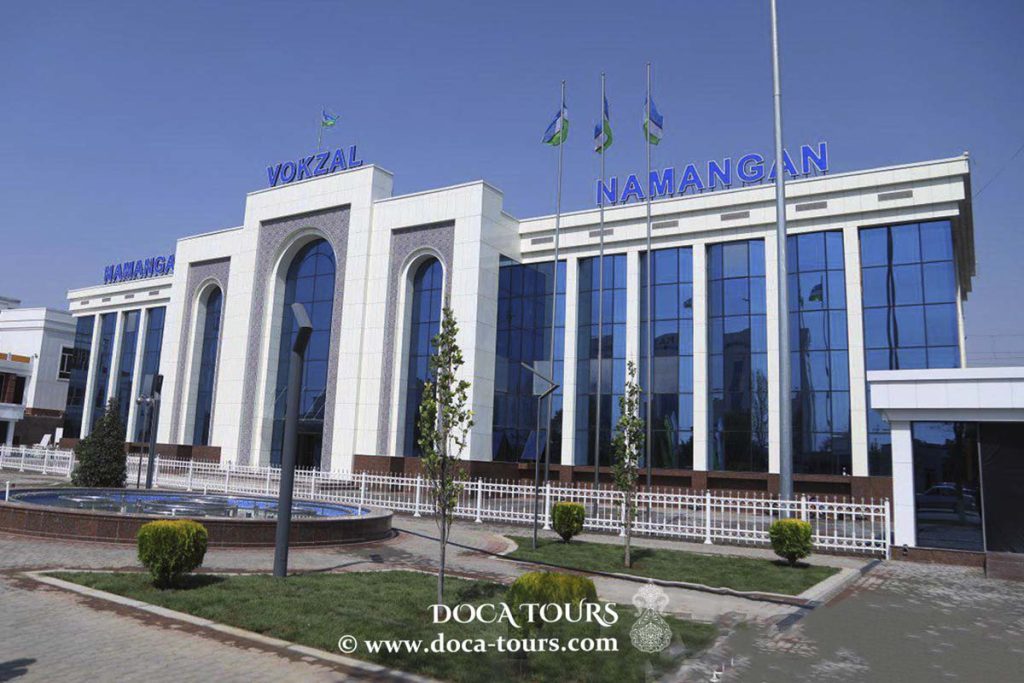
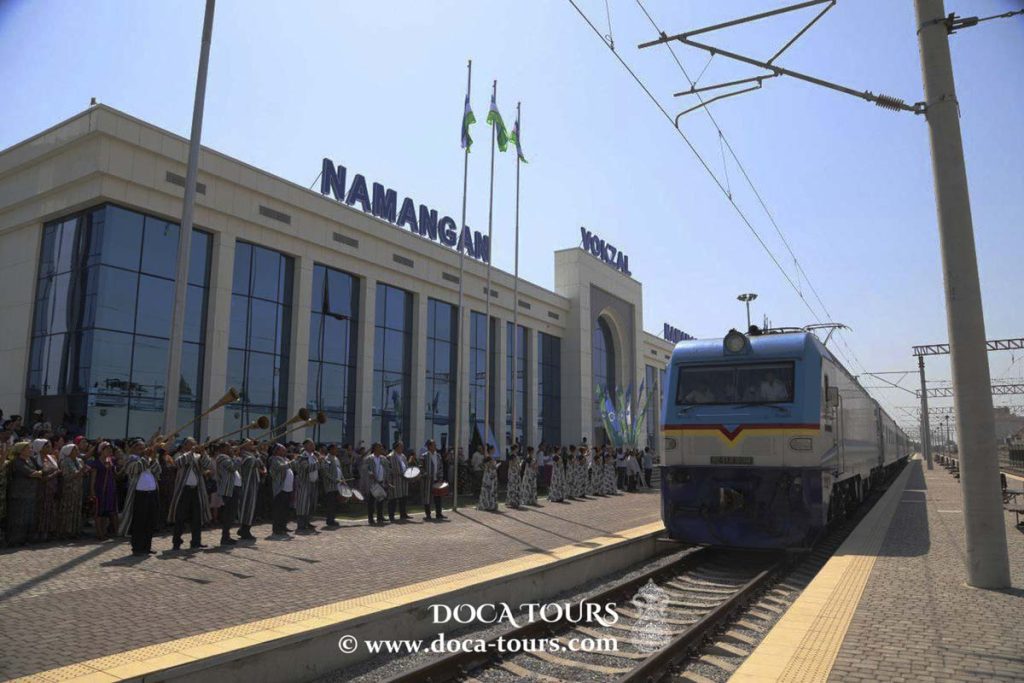
Namangan is served by Namangan Airport, located 12 kilometers from the city center. The city’s railway station, built in 1912, operates passenger services two days a week. Public transport within Namangan is provided by privately operated taxi and bus services, which follow standardized routes and fare systems.
Namangan has established sister-city relationships with: